
Carne en su jugo (Guadalajara beef in its juices)
Non-vegetarian
Carne en su jugo
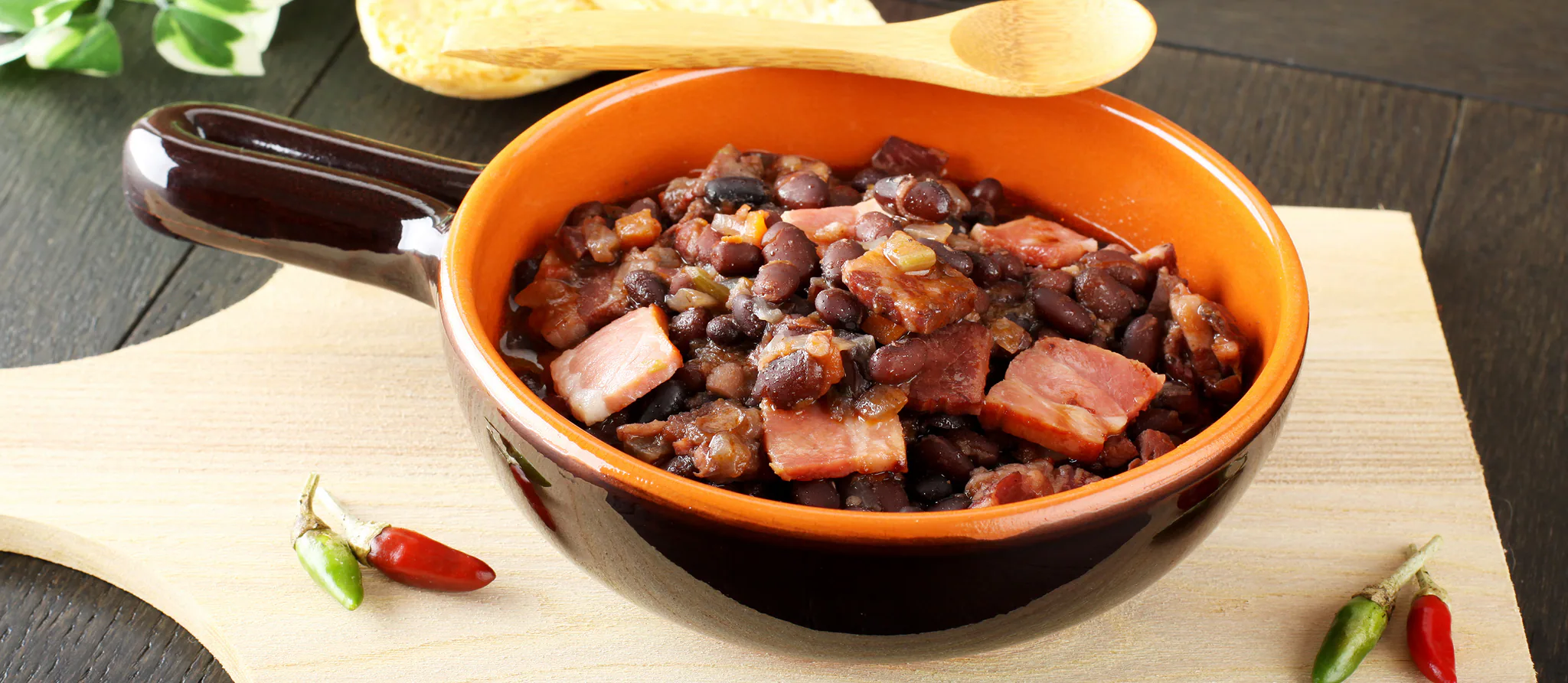
Finely chopped steak and crisp bacon simmered in a tangy broth of green tomatillo, chilli and coriander, ladled over brothy pinto beans and topped with radish, onion, bacon bits and lime. A hearty soup-stew from Guadalajara, famous as a late-night restorative.
Carne en su jugo (Guadalajara beef in its juices) is a Mexican soup from Mexico, ready in about 1 hour 10 minutes and made with beef sirloin steak, bacon and tomatillo. It serves 6 and is rated easy to cook.
- Prep
- 25 min
- Cook
- 45 min
- Total
- 1 h 10 min
- Serves
- 6
- Level
- Easy
- Calories
- 446
Main ingredients

Ingredients
For the meat
For the green broth
For the beans
To serve
Method
Green broth
12 minStep 1
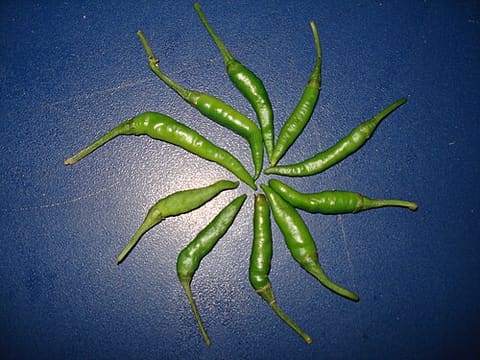
Simmer the tomatillos (opens in a new tab) and serrano (opens in a new tab) chillies in water to cover for 8–10 minutes, until the tomatillos turn olive-green. Drain and blend with the onion (opens in a new tab), garlic (opens in a new tab), coriander, cumin (opens in a new tab) and 250 ml of the stock until smooth.
- 12 min
- medium heat
- Saucepan (opens in a new tab)
- Blender (opens in a new tab)
Meat
33 minStep 2
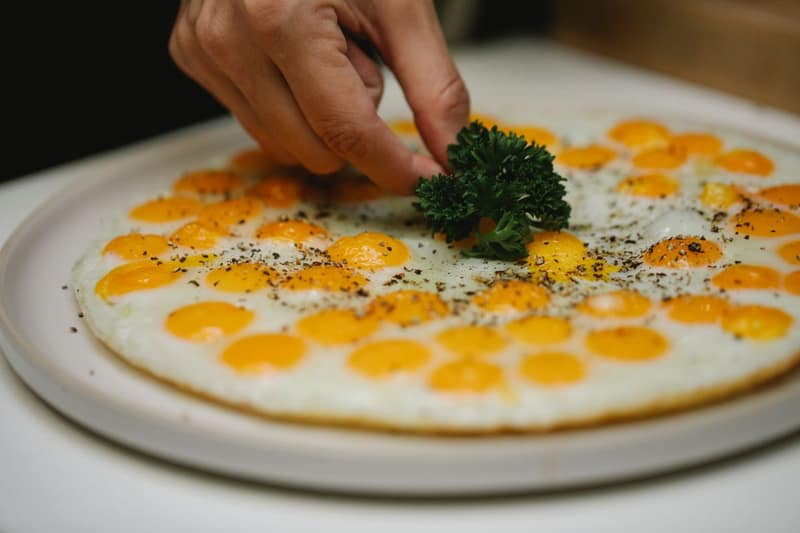
Fry the bacon (opens in a new tab) in a heavy pot over medium heat until crisp. Lift out with a slotted spoon (opens in a new tab), leaving the fat; set aside about a third of the bacon for garnish.
How it looks · Photo: Klaus Nielsen on Pexels Step 3
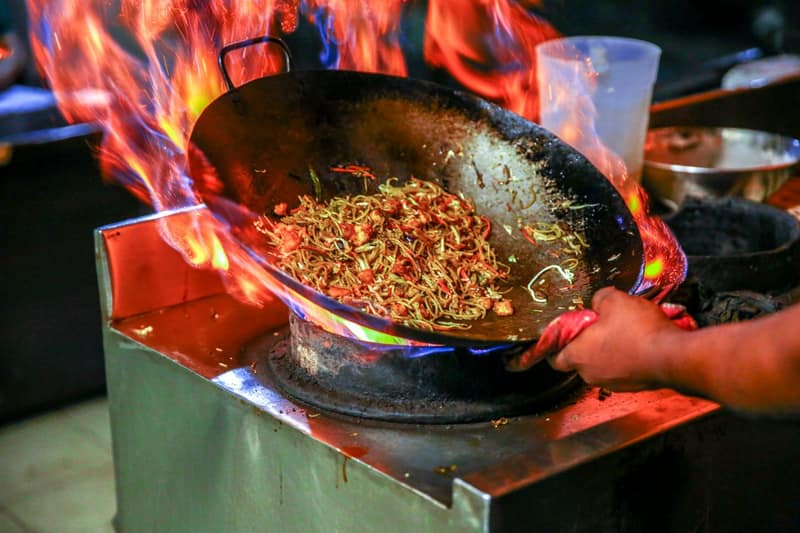
Season the chopped beef with salt and pepper (opens in a new tab) and stir-fry it in the bacon (opens in a new tab) fat over high heat until it loses its pink colour and releases its juices, 4–5 minutes.
- 5 min
- high heat
How it looks · Photo: Aesthos AR. Photography on Pexels Step 4
Pour in the tomatillo (opens in a new tab) purée and the remaining stock, return two-thirds of the bacon (opens in a new tab) and simmer gently for 20 minutes. Taste for salt.
- 20 min
- medium-low heat
Food safety: Whole cuts of beef are safe at 63 °C in the centre followed by a short rest; minced or rolled beef should reach 71 °C.
To serve
5 minStep 5
Warm the beans in their broth. To serve, spoon beans and broth into deep bowls, ladle the meat and green broth over and top with the reserved bacon (opens in a new tab), radish (opens in a new tab), onion (opens in a new tab) and coriander, with lime (opens in a new tab) wedges and tortillas (opens in a new tab) on the side.
At a glance
1 · Green broth in a pot
 Tomatillo
 Green chilli
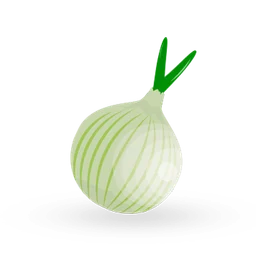 Onion
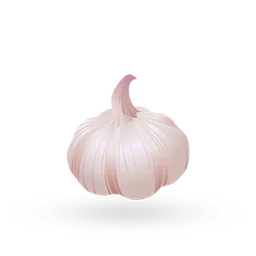 Garlic
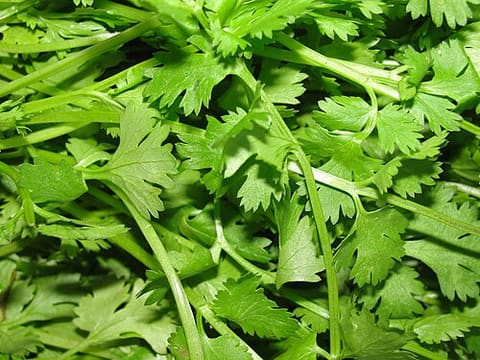 Coriander leaves
 Beef stock
 Cumin
then fry
2 · Meat in a pan
 Beef sirloin steak
 Bacon
 Salt
 Black pepper
then warm
3 · To serve in a pot
 Radish
- Onion
- Coriander leaves
 Lime
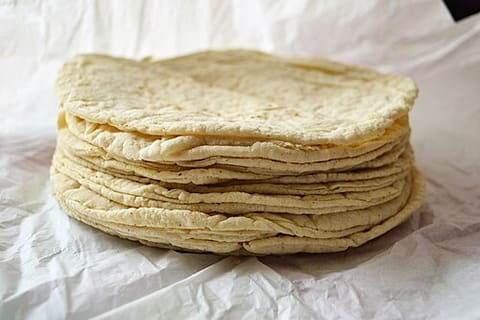 Corn tortilla
About this dish
- Origin
- Guadalajara, Jalisco, Mexico · Commonly attributedUsually credited to the Guadalajara restaurant El Gallo in the 1950s; it is now served across Jalisco, traditionally in clay bowls.More food from Mexico
Mexico - Dish
- Lunch · Dinner · Soups · Stews & braises · Main courses
- Cooking method
- Simmered, Pan-fried, Blended
- Taste
- savoury, tangy, spicy (chilli heat), smoky
- Diet
- No gluten ingredients · Dairy-free · No nut ingredients · High-proteinWorked out from the ingredients. How labels work
All labels
Non-vegetarian · No gluten ingredients · Dairy-free · Egg-free · No nut ingredients · No added sugar · Alcohol-free · High-protein · Calorie-conscious - Good for
- One-pot · Batch cooking
- Cook more with
- Beef sirloin steak · Bacon · Tomatillo · Pinto beans (canned) · Green chilli · Onion
- Techniques
- Pan-frying · Stir-frying · Simmering · Wet grinding · Emulsification
Allergens
- May contain: Celeryfrom beef stock
Based on typical versions of these ingredients and not verified allergen-free. Brands differ and cross-contact happens, so always check labels. For severe allergies, follow your clinician’s advice.
Nutrition
446 kcal per serving
Calculated1 serving ≈ 536 g · recipe makes 6
Where the energy comes from
- Protein 36%
- Carbohydrate 26%
- Fat 38%
| Nutrient | Per serving | Per 100 g* |
|---|---|---|
| Energy | 446 kcal | 83 kcal |
| Protein | 40.7 g | 7.6 g |
| Carbohydrate | 28.9 g | 5.4 g |
| Net carbohydrate | — | — |
| Sugars | — | — |
| Added sugars | 0 g | 0 g |
| Fibre | — | — |
| Fat | 19 g | 3.6 g |
| Saturated fat | — | — |
| Trans fat | — | — |
| Cholesterol | 92 mg | 17 mg |
| Sodium | 1210 mg | 226 mg |
| Salt equivalent | 3 g | 0.6 g |
Vitamins & minerals per serving
- Potassium
- 1298 mg
- Calcium
- 123 mg
- Iron
- 4.3 mg
- Magnesium
- 90 mg
- Vitamin A (RAE)
- —
- Vitamin C
- 25 mg
- Vitamin D
- 0.3 µg
- Vitamin B12
- 1.4 µg
- Folate (DFE)
- 51 µg
How these numbers were made
- Calculated from USDA FoodData Central (SR Legacy) per-100 g values and the listed quantities.
- *Per 100 g of combined raw ingredients; the cooked dish may weigh more or less.
- Optional ingredients are not included: cumin, corn tortilla.
- “—” means the value isn’t known for enough of the ingredients; it is never zero by default.
- Values are estimates for guidance, not for medical dosing. U.S. Department of Agriculture, Agricultural Research Service. FoodData Central, 2019. fdc.nal.usda.gov.
Good to know
Tips
- Partially freezing the steak for 30 minutes makes it much easier to slice paper-thin.
Common mistakes
- Cutting the beef into chunks — it should be small, thin pieces that cook in minutes.
Serve with
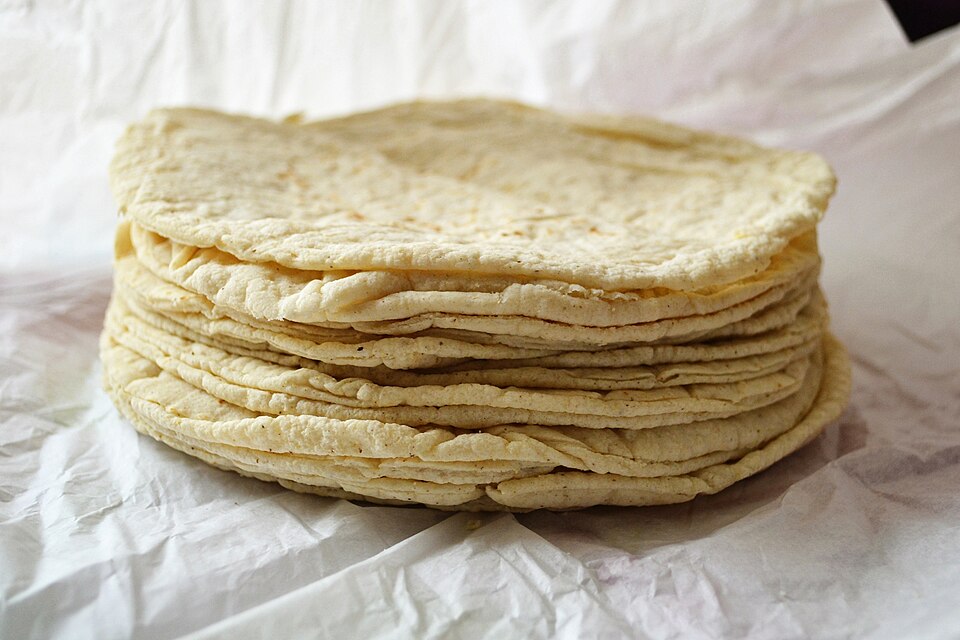
- Serve with warm corn tortillas, grilled spring onions and a chile de árbol salsa.
Food safety
- Whole cuts of beef are safe at 63 °C in the centre followed by a short rest; minced or rolled beef should reach 71 °C.
- Cool leftovers within 2 hours and refrigerate in a covered container.
Storage
- Keeps 3 days in the fridge; store the beans and toppings separately.
Reheating
- Reheat gently until piping hot.
Variations
- With grilled spring onions: Many Guadalajara restaurants serve charred cebollitas alongside.
Original editorial recipe · FriendsPantry editorial · source: TasteAtlas (dish facts) · Not yet independently reviewed · Added
Recipe DNA
How this dish is built
Built from the recipe’s own sections. Each band’s width is its share of the dish by weight. Choose a component to see what it does.
What the dish is built around
For the meat
- Beef sirloin steak, sirloin or flank, sliced very thin and chopped into small pieces700 g
- Bacon, diced200 g
- Salt1 tsp · 6 g
- Black pepper0.5 tsp · 1.2 g
Reviews & corrections
Reviews come from signed-in cooks and appear after a moderator checks them. We never show made-up ratings.
You might also like
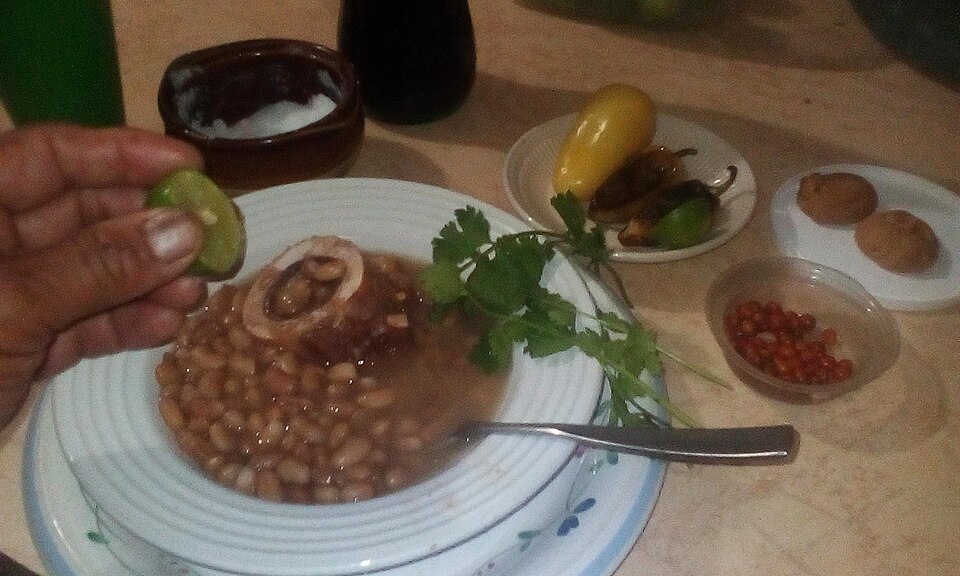
Frijoles de olla
 Mexican · 2 h 40 min · 218 kcal
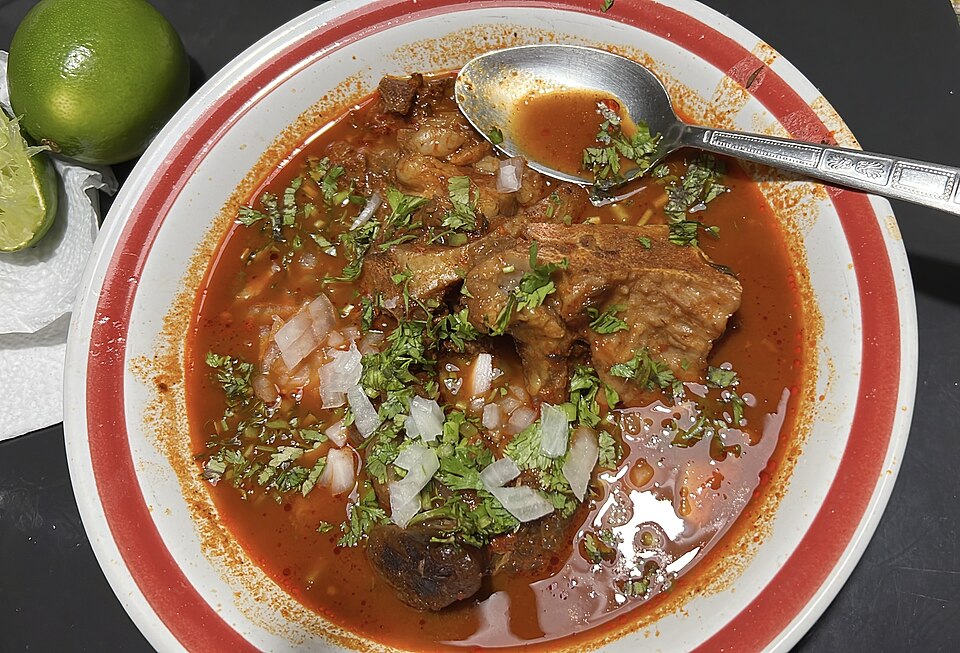
Birria de res
Mexican · 4 h · 563 kcalCaldo de res
Mexican · 2 h 50 min · 315 kcal
Pozole rojo
Mexican · 2 h 55 min · 500 kcal