
Callos a la madrileña (Madrid-style tripe stew)
Non-vegetarian
Callos a la madrileña
Beef tripe and a trotter simmered until meltingly soft, then finished in a sticky, brick-red sauce with chorizo, morcilla, jamón, onion, garlic and pimentón. A winter tapa of Madrid's old taverns that thickens on its own from the gelatine of the trotter and tastes better the day after it is made.
Callos a la madrileña (Madrid-style tripe stew) is a Spanish stew from Spain, ready in about 5 hours 10 minutes and made with beef tripe, chorizo and blood sausage. It serves 6 and is rated advanced to cook.
No licensed photograph of this dish yet.
- Prep
- 40 min
- Cook
- 4 h
- Rest
- 30 min
- Total
- 5 h 10 min
- Serves
- 6
- Level
- Advanced
- Calories
- 1018
Ideally made a day ahead and reheated.
Main ingredients
Ingredients
For cooking the tripe
For the sauce
Method
Cooking the tripe
3 h 40 minStep 1
Scrub the tripe (opens in a new tab) and trotter with salt and the vinegar, leave in cold water with the rest of the vinegar for 30 minutes, then rinse very well.
- 10 min
Food safety: Buy tripe already cleaned and blanched (dressed) from a butcher, rinse it well, and cook it until completely tender; refrigerate leftovers within 2 hours.
Step 2
Put the tripe (opens in a new tab) and trotter in a large pot, cover with cold water and bring to the boil. Boil for 5 minutes, drain and rinse; this removes impurities and strong smells.
- 15 min
- high heat
- Stockpot / large pot (opens in a new tab)
Step 3
Return to the pot with fresh water to cover by 5 cm, the clove (opens in a new tab)-studded onion (opens in a new tab), bay leaves (opens in a new tab), peppercorns (opens in a new tab) and halved garlic (opens in a new tab) head. Simmer, partly covered and skimming now and then, for 3 hours or until the tripe (opens in a new tab) is very tender and the trotter falls apart.
- 180 min
- low heat
- Stockpot / large pot (opens in a new tab)
In a pressure cooker this takes about 50 minutes.
Step 4
Lift out the tripe (opens in a new tab) and trotter and strain the broth, keeping it. Take the meat and skin off the trotter bones and chop it; discard the bones and aromatics.
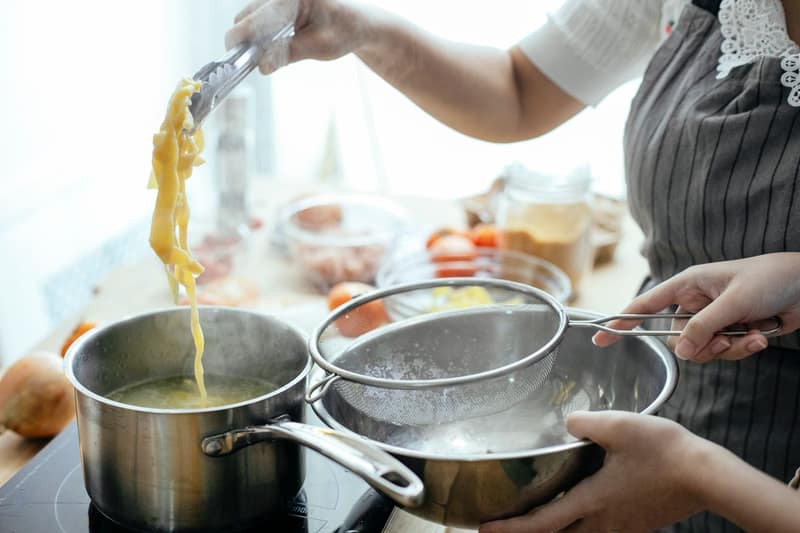
How it looks · Photo: Katerina Holmes on Pexels
Sauce
49 minStep 5
In a wide casserole, fry the chorizo (opens in a new tab) and jamón (opens in a new tab) in the olive oil (opens in a new tab) for 3 minutes. Add the chopped onion (opens in a new tab) and garlic (opens in a new tab) and cook gently until soft, 10 minutes.
- 13 min
- medium-low heat
- Dutch oven / casserole pot (opens in a new tab)
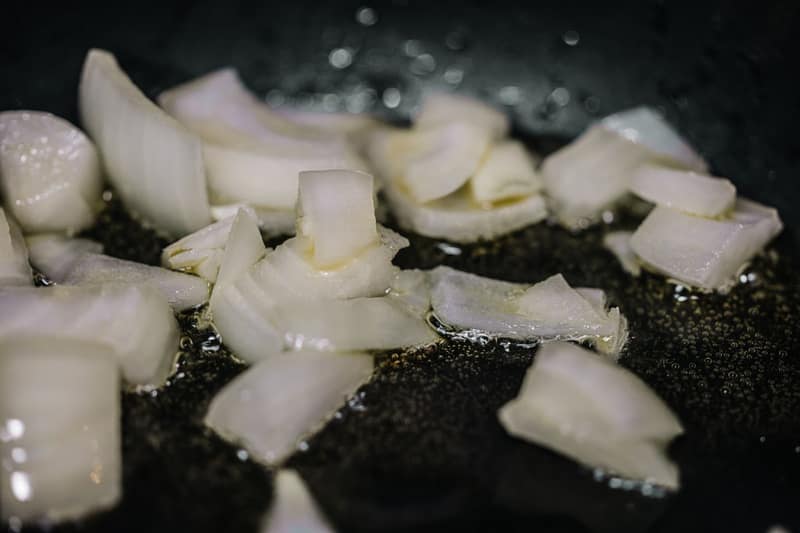
How it looks · Photo: Magda Ehlers on Pexels Step 6
Off the heat stir in both paprikas (opens in a new tab), the guindilla and the flour, then quickly add the passata so the pimentón does not burn. Cook for 5 minutes.
- 6 min
- medium-low heat
Step 7
Add the tripe (opens in a new tab), trotter meat, morcilla (opens in a new tab) and about 500 ml of the cooking broth. Simmer very gently for 30 minutes, stirring carefully so the morcilla stays whole, until the sauce is thick and sticky. Rest for 30 minutes, or refrigerate overnight and reheat.
- 30 min
- low heat
- Dutch oven / casserole pot (opens in a new tab)
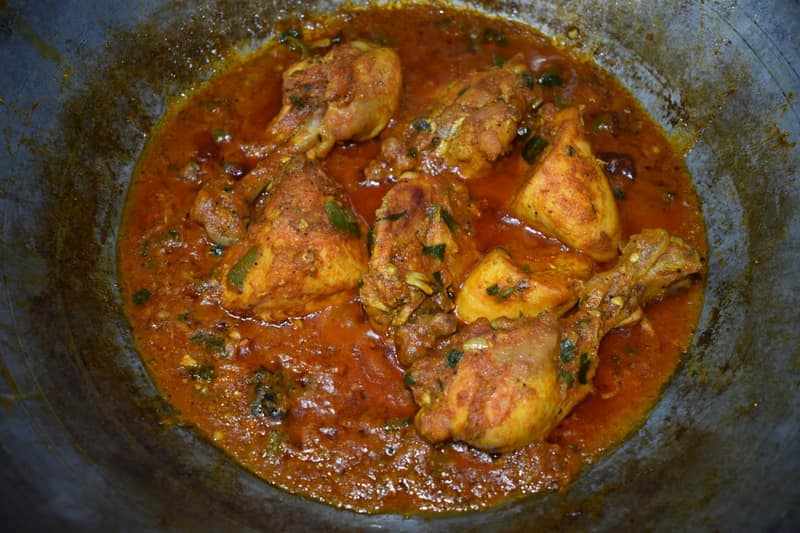
How it looks · Photo: Bachir Mamud on Pexels
At a glance
1 · Cooking the tripe in a pan
 Beef tripe
 Pork knuckle (ham hock, fresh)
 White vinegar
 Salt
 Onion
 Cloves
 Bay leaves
 Black peppercorns
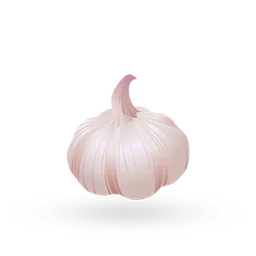 Garlic
then fry
2 · Sauce in a pan
 Olive oil
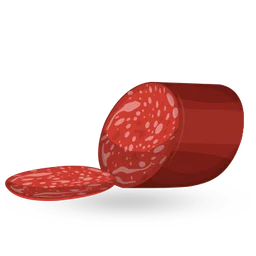 Chorizo
 Blood sausage
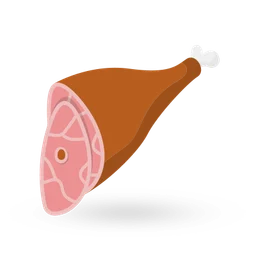 Prosciutto / dry-cured ham
- Onion
- Garlic
 Paprika
- Smoked paprika
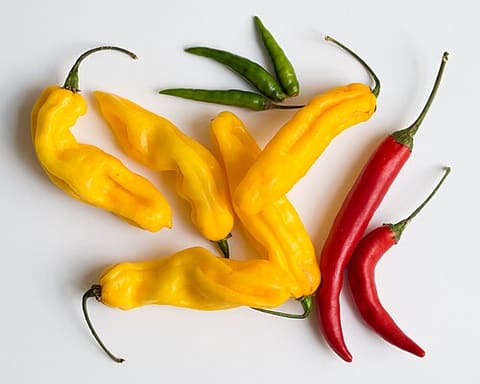 Dried whole chillies
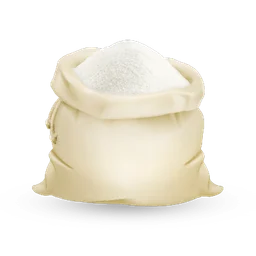 All-purpose flour
 Tomato passata
About this dish
- Origin
- Madrid, Spain · Well documentedDocumented in Madrid taverns since at least the 19th century; Asturias and other regions have their own callos, often with chickpeas.More food from Spain
Spain - Dish
- Lunch · Dinner · Stews & braises · Appetizers & starters · Main courses
- Cooking method
- Boiled, Simmered, Stewed
- Taste
- rich, smoky, spicy (chilli heat), savoury
- Diet
- Dairy-free · No nut ingredients · Low-carb · High-proteinWorked out from the ingredients. How labels work
All labels
Non-vegetarian · Dairy-free · Egg-free · No nut ingredients · No added sugar · Alcohol-free · Low-carb · High-protein - Good for
- Make-ahead · Batch cooking · Freezer-friendly
- Cook more with
- Beef tripe · Chorizo · Blood sausage · Pork knuckle (ham hock, fresh) · White vinegar · Onion
Allergens
- Contains, can be adapted: Wheatfrom blood sausage, all-purpose flour
- Contains, can be adapted: Glutenfrom blood sausage, all-purpose flour
- May contain: Sulphitesfrom chorizo
Based on typical versions of these ingredients and not verified allergen-free. Brands differ and cross-contact happens, so always check labels. For severe allergies, follow your clinician’s advice.
Nutrition
1018 kcal per serving
Estimated1 serving ≈ 533 g · recipe makes 6
Where the energy comes from
- Protein 31%
- Carbohydrate 5%
- Fat 64%
| Nutrient | Per serving | Per 100 g* |
|---|---|---|
| Energy | 1018 kcal | 191 kcal |
| Protein | 76.9 g | 14.4 g |
| Carbohydrate | 12.3 g | 2.3 g |
| Net carbohydrate | 10.2 g | 1.9 g |
| Sugars | 3.7 g | 0.7 g |
| Added sugars | 0 g | 0 g |
| Fibre | 2.1 g | 0.4 g |
| Fat | 72 g | 13.5 g |
| Saturated fat | 23.4 g | 4.4 g |
| Trans fat | — | — |
| Cholesterol | 409 mg | 77 mg |
| Sodium | 1731 mg | 324 mg |
| Salt equivalent | 4.3 g | 0.8 g |
Vitamins & minerals per serving
- Potassium
- 1523 mg
- Calcium
- 88 mg
- Iron
- 12.7 mg
- Magnesium
- 99 mg
- Vitamin A (RAE)
- 50 µg
- Vitamin C
- 20 mg
- Vitamin D
- —
- Vitamin B12
- 16.8 µg
- Folate (DFE)
- 28 µg
How these numbers were made
- Calculated from USDA FoodData Central (SR Legacy) per-100 g values and the listed quantities.
- *Per 100 g of combined raw ingredients; the cooked dish may weigh more or less.
- Optional ingredients are not included: dried whole chillies, all-purpose flour.
- Beef tripe: Raw beef heart (FDC 168625) used as a stand-in; cleaned beef tripe is similar in fat but lower in protein and energy (roughly 85 kcal and 12 g protein per 100 g).
- Pork knuckle (ham hock, fresh): Fresh pork shoulder, lean and fat (FDC 167843) used as a stand-in; a fresh knuckle has more skin, collagen and bone.
- Prosciutto / dry-cured ham: Cured ham, lean and fat, unheated (FDC 167875) used as a stand-in for air-dried prosciutto/jamón; real dry-cured ham is drier and saltier.
- Smoked paprika: Sweet paprika data; smoking does not change the nutrients meaningfully.
- “—” means the value isn’t known for enough of the ingredients; it is never zero by default.
- Values are estimates for guidance, not for medical dosing. U.S. Department of Agriculture, Agricultural Research Service. FoodData Central, 2019. fdc.nal.usda.gov.
Good to know
Tips
- The sauce should be thick enough to cling and slightly sticky on the lips; reduce it more if it is thin, or add broth if it sets too firmly.
Common mistakes
- Burning the pimentón, which turns the whole stew bitter; always add it off the heat.
Serve with
- Serve in small earthenware dishes as a tapa with crusty bread, or as a main course with a robust red wine.
Food safety
- Buy tripe already cleaned and blanched (dressed) from a butcher, rinse it well, and cook it until completely tender; refrigerate leftovers within 2 hours.
- Cook pork until it reaches at least 63 °C in the centre (71 °C for minced pork) and refrigerate leftovers within 2 hours.
Storage
- Keeps 3–4 days refrigerated; freezes well for 3 months.
Reheating
- Reheat slowly with a splash of the reserved broth, stirring gently, until bubbling.
Variations
- Callos con garbanzos: Cooked chickpeas are added at the end to stretch the dish, as in many Andalusian and Asturian versions.
Original editorial recipe · FriendsPantry editorial · source: TasteAtlas (dish facts) · Not yet independently reviewed · Added
Recipe DNA
How this dish is built
Built from the recipe’s own sections. Each band’s width is its share of the dish by weight. Choose a component to see what it does.
The body of the dish
For the sauce
- Olive oil4 tbsp · 54 g
- Chorizo, cooking chorizo, thickly sliced200 g
- Blood sausage, Spanish morcilla, thickly sliced150 g
- Prosciutto / dry-cured ham, jamón serrano, diced100 g
- Onion, finely chopped1 piece · 110 g
- Garlic, finely chopped3 clove · 12 g
- Paprika1 tbsp · 6.8 g
- Smoked paprika1 tsp · 2.3 g
- Dried whole chillies, guindilla, crumbled (optional)1 piece · 2 g
- All-purpose flour (optional)1 tbsp · 7.8 g
- Tomato passata200 g
Reviews & corrections
Reviews come from signed-in cooks and appear after a moderator checks them. We never show made-up ratings.
You might also like
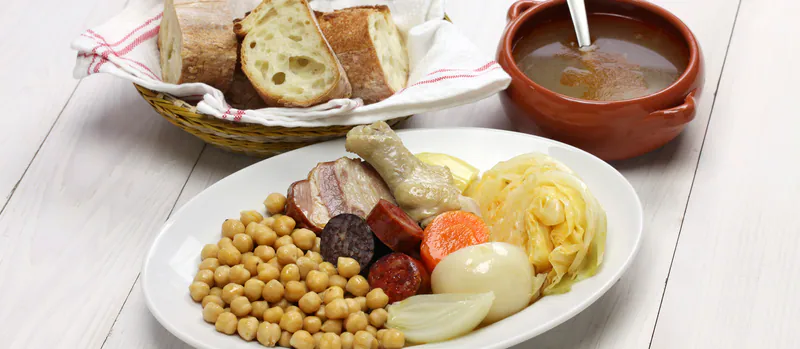
Cocido madrileño (Madrid chickpea and meat stew)
 Spanish · 4 h 30 min · 857 kcal
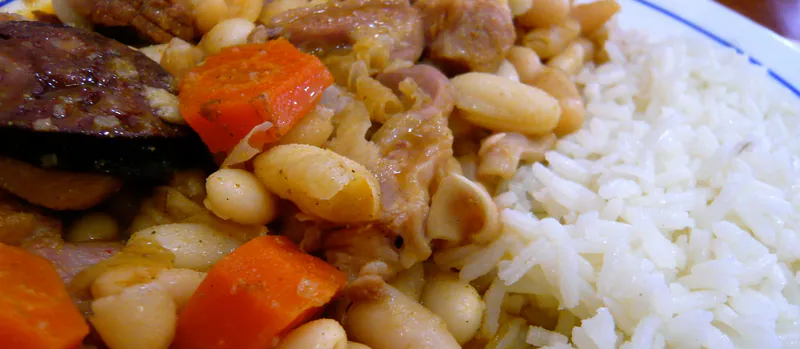
Tripas à moda do Porto (Porto tripe and bean stew)
 Portuguese · 4 h 25 min · 1080 kcal
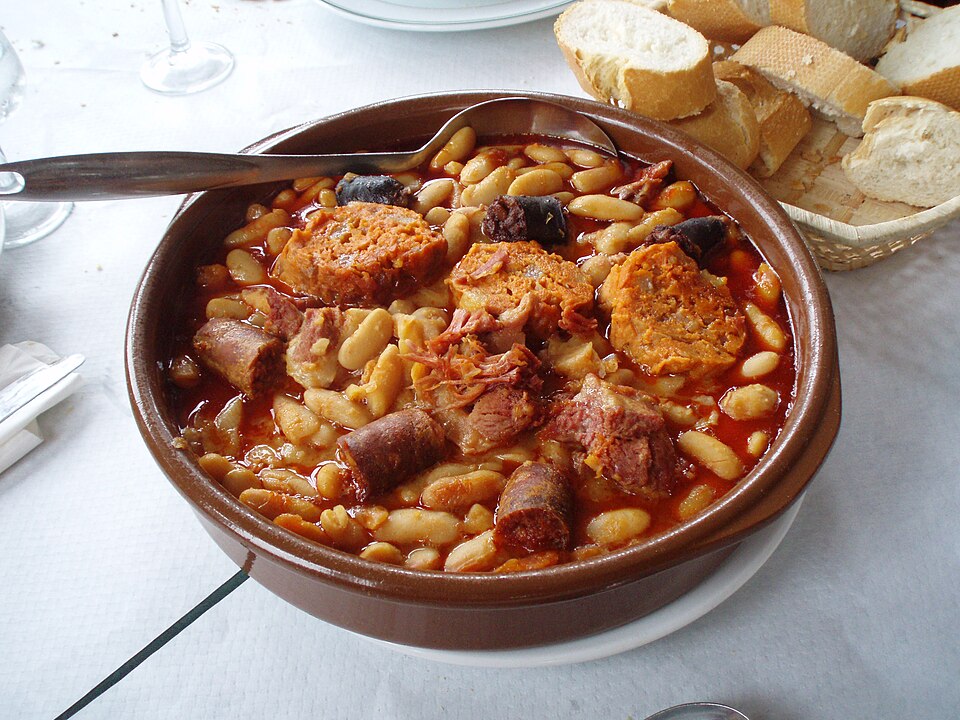
Fabada asturiana
Spanish · 1 h 35 min · 581 kcal
Carrillada (braised pork cheeks in red wine)
Spanish · 3 h 10 min · 1080 kcal