
Indian techniques · intermediate
Dhungar (charcoal smoking)
Also: dhuanaar, dhungaar, smoking with coal
Infusing a finished dish with smoke by placing a live coal in a small bowl inside the covered pot and pouring ghee over it.
What it is
Dhungar is a quick home and restaurant method of giving dishes a smoky, tandoor-like aroma. A small piece of charcoal is heated until red-hot, set in a steel bowl, onion skin or foil cup on top of the food, drizzled with ghee (sometimes with a clove or two), and the pot is covered for a few minutes. It is used for dal makhani, raita, kebab mixtures, butter chicken, baingan bharta and keema.
Why cooks use it: It adds the smoky note of tandoor or charcoal cooking to food made on a stove, in minutes.
The science
Ghee hitting the very hot coal vaporises and partly burns, producing aromatic smoke that settles on and dissolves into the fat and moisture of the food. Sealing the pot traps the smoke so it is absorbed instead of escaping.
Step by step
Finish cooking the dish and transfer it to a pot with a tight lid, leaving space on top.
Hold a piece of natural lump charcoal with tongs directly over a gas flame until it glows red-hot all over (4–8 minutes).
Place a small steel bowl, an onion-skin cup or a foil cup on the surface of the food.
Set the hot coal in the bowl, add 1/2–1 teaspoon of ghee (and 1–2 cloves if you like) and immediately cover the pot tightly as smoke billows.
Leave covered for 2–5 minutes, then lift out the bowl and coal carefully and stir the dish.
Heat and timing
Time: 2–5 minutes of smoking; longer gives a stronger, sometimes bitter, smoke flavour.
How you know it’s right
- Coal glowing red with grey ash
- Thick white smoke when the ghee hits
- Smoky aroma when the lid is lifted
Common mistakes
- Coal not hot enough, so little smoke forms
- Too much ghee, which can flare
- Smoking too long, giving an acrid, bitter taste
- Using briquettes with binders or lighter fluid
Troubleshooting
- Bitter or ashy taste
- Smoke for less time and use only a few drops of ghee; make sure no ash falls into the food.
- Barely smoky
- Heat the coal longer and cover the pot faster and more tightly.
Restaurant DNA
How professionals do it
Restaurant kitchens without a tandoor station often use dhungar on dal makhani and kebab mixtures, smoking whole batches in large covered vessels before service.
At home
Works exactly the same at home; open a window, use lump charcoal and a gas flame or a hot coal from the barbecue.
General professional practice — not any particular restaurant’s recipe.
Food safety
- Burning charcoal releases carbon monoxide: ventilate the kitchen and keep the pot covered during smoking.
- Use natural lump charcoal only, not briquettes with additives or lighter fluid.
- Handle the coal with tongs, set it on a heatproof surface and douse it fully in water afterwards.
- Never leave the coal in the food or near children.
Practise it
Barbecue pigtail (Trinidad-style)
 Trinidadian · 6 h 5 min · 924 kcal
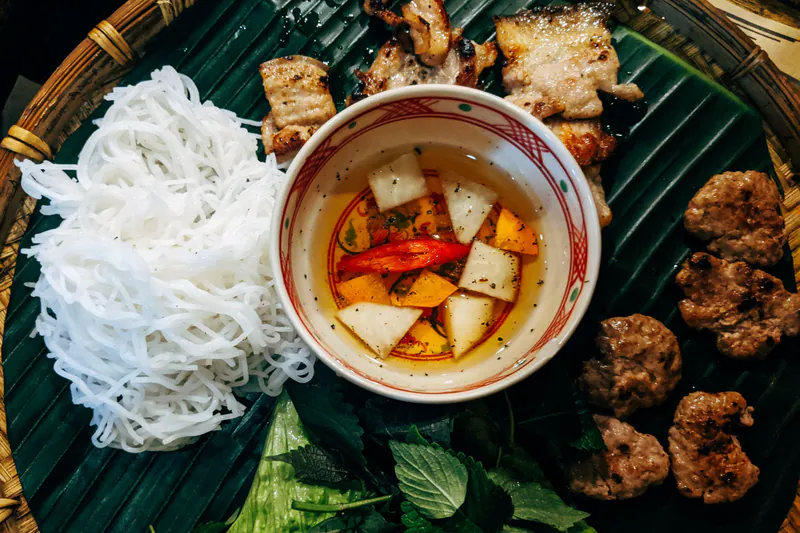
Bún chả
 Vietnamese · 1 h 50 min · 922 kcal
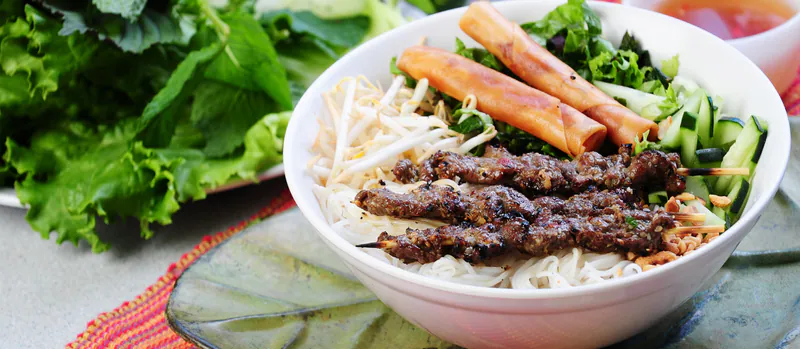
Bún thịt nướng (grilled pork with rice vermicelli)
Vietnamese · 1 h 55 min · 1003 kcal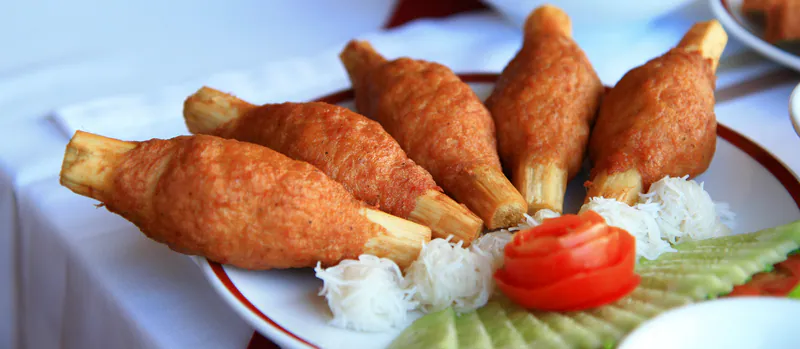
Chạo tôm (shrimp paste grilled on sugarcane)
Vietnamese · 1 h 30 min · 664 kcal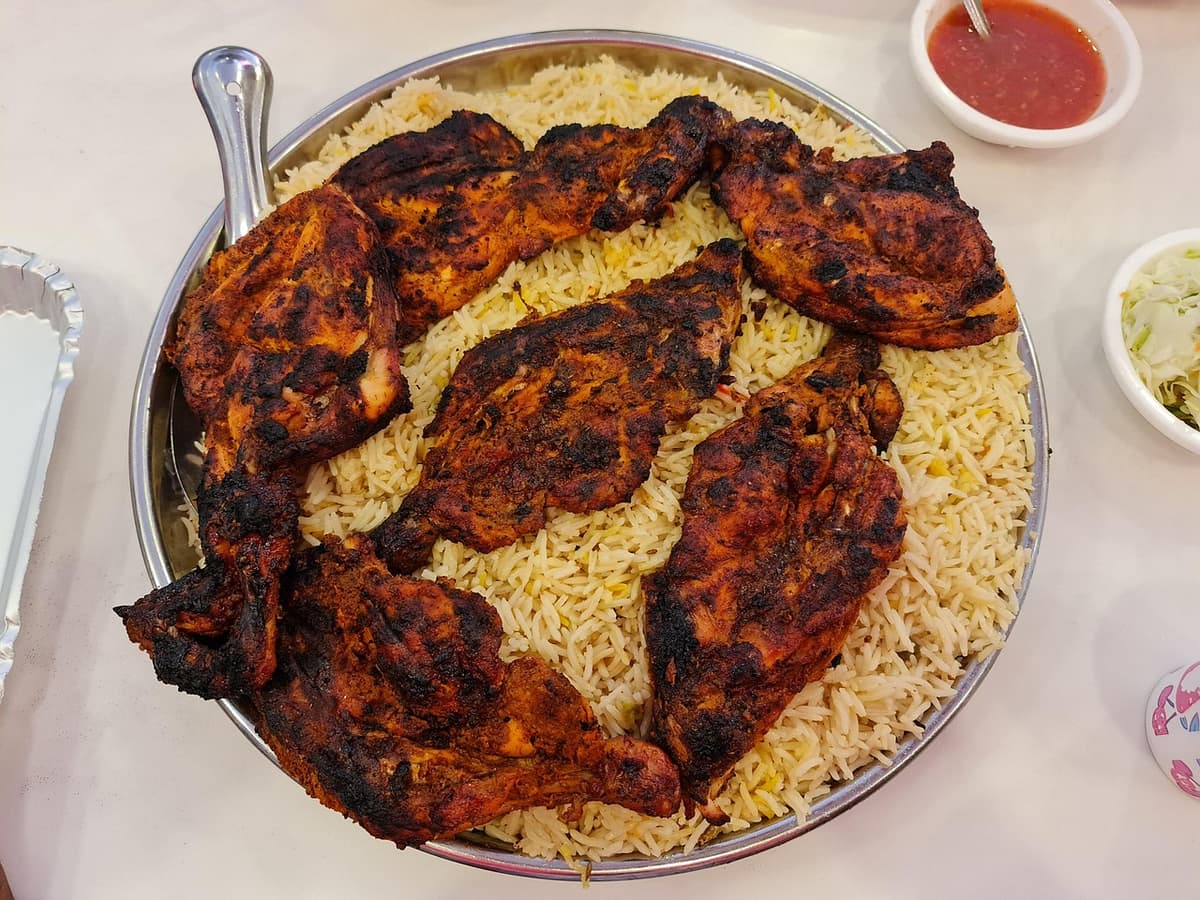
Chicken mandi
 Yemeni · 3 h 45 min · 866 kcal
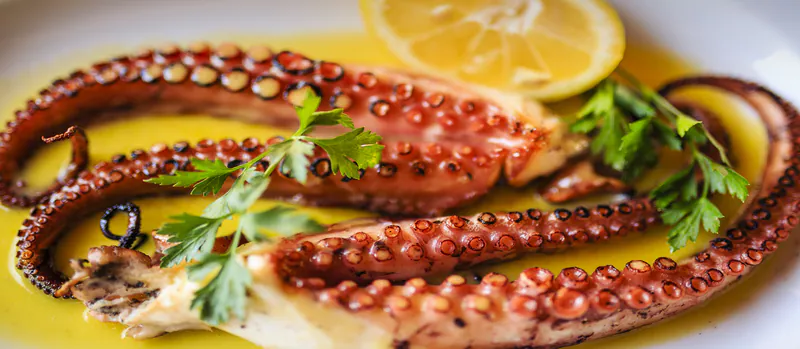
Chtapodi sti schara (Greek grilled octopus)
 Greek · 2 h · 439 kcal
Frygadeli (Lefkada liver wrapped in caul)
Greek · 1 h 12 min · 609 kcal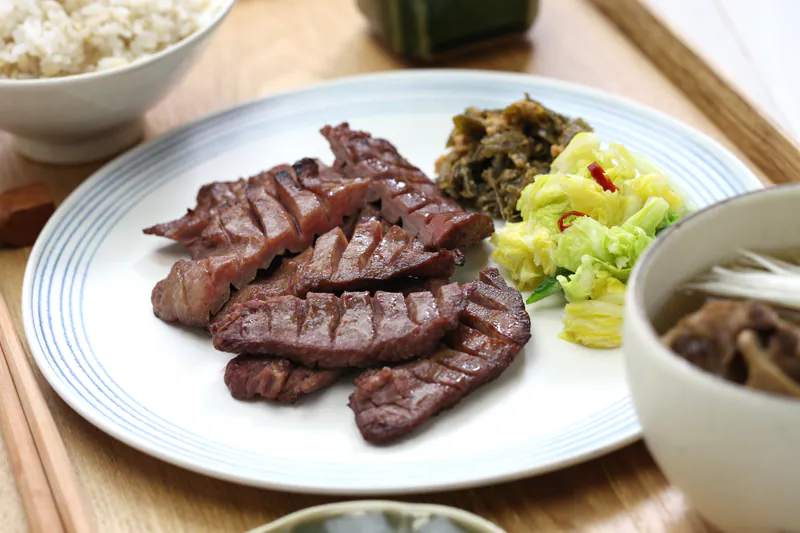
Gyūtan (Sendai salt-grilled beef tongue)
 Japanese · 2 h 5 min · 417 kcal
Isaw (Filipino grilled chicken intestine skewers)
 Filipino · 2 h 15 min · 347 kcal
14 more
- Kuku wa kupaka (Swahili grilled chicken in coconut sauce) · Kenyan
- Mici · Romanian
- Mshikaki · Tanzanian
- Nem lụi (Huế pork on lemongrass skewers) · Vietnamese
- Ping pa (Lao grilled stuffed fish) · Lao
- Sambal stingray (grilled stingray with chilli paste) · Singaporean
- Sate ayam (chicken satay) · Indonesian
- Sate babi (Indonesian pork satay) · Indonesian
- Sate kambing (Indonesian goat satay) · Indonesian
- Sate kere (Solo tempeh and offal satay) · Indonesian
- Sate Madura (Madurese chicken satay) · Indonesian
- Sate Ponorogo (East Javanese chicken satay) · Indonesian
- Seekh kebab · Pakistani
- Uzbek lamb shashlik · Uzbek