
Zhēngjiǎo (Chinese steamed dumplings)
Non-vegetarian
蒸饺 · zhēngjiǎo
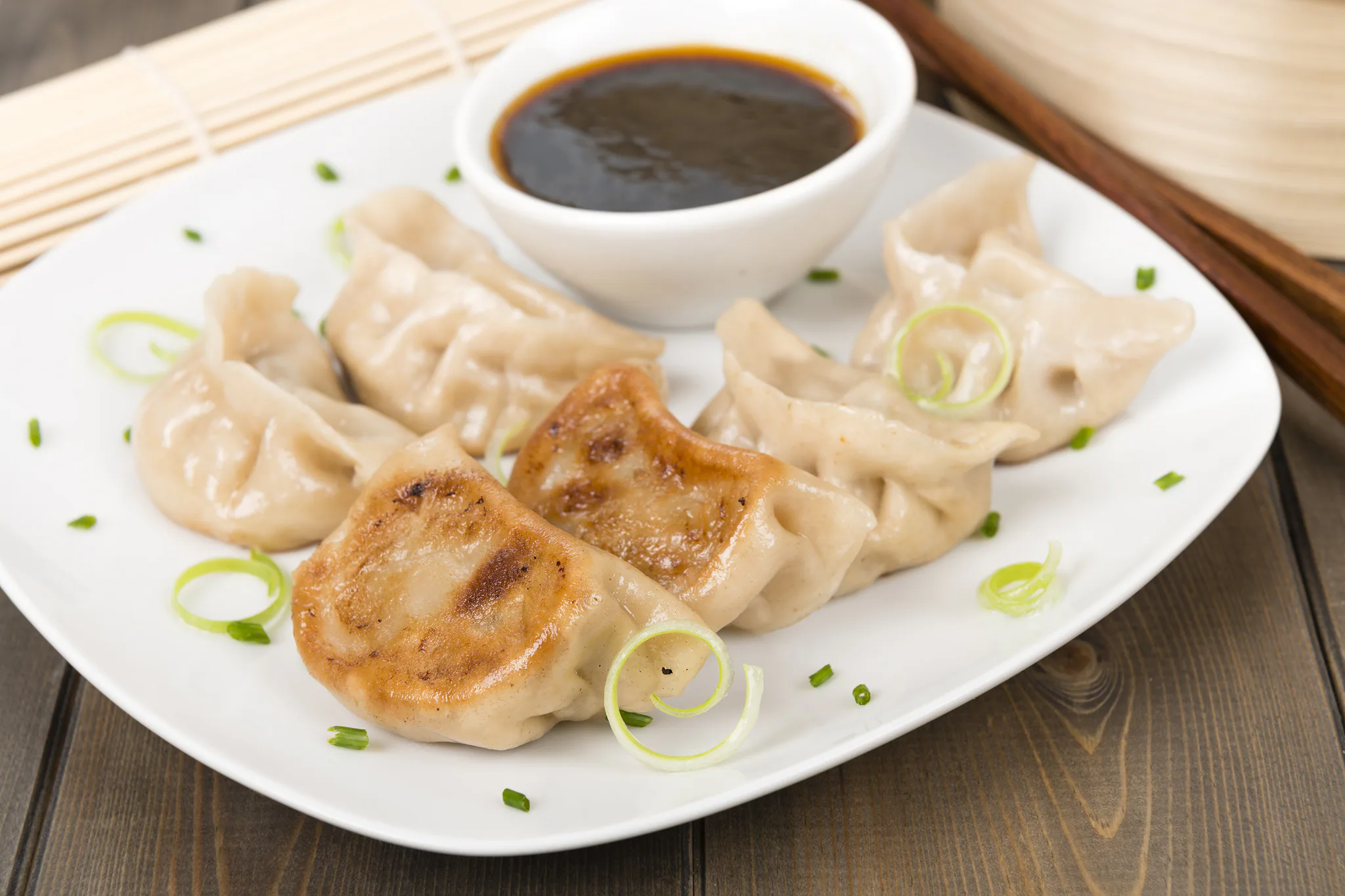
Crescent-shaped dumplings of hot-water dough filled with juicy pork, napa cabbage, ginger and Shaoxing wine, steamed until the wrappers turn tender and slightly translucent. Softer than pan-fried potstickers yet chewier than boiled jiaozi, eaten with black vinegar.
Zhēngjiǎo (Chinese steamed dumplings) is a Chinese dumpling dish from China, ready in about 1 hour 42 minutes and made with all-purpose flour, ground pork and napa cabbage. It serves 4 and is rated intermediate to cook.
- Prep
- 1 h
- Cook
- 12 min
- Rest
- 30 min
- Total
- 1 h 42 min
- Serves
- 4
- Level
- Intermediate
- Calories
- 575
Main ingredients
Ingredients
For the hot-water dough
For the filling
For the dip
Method
Hot-water dough
8 minStep 1
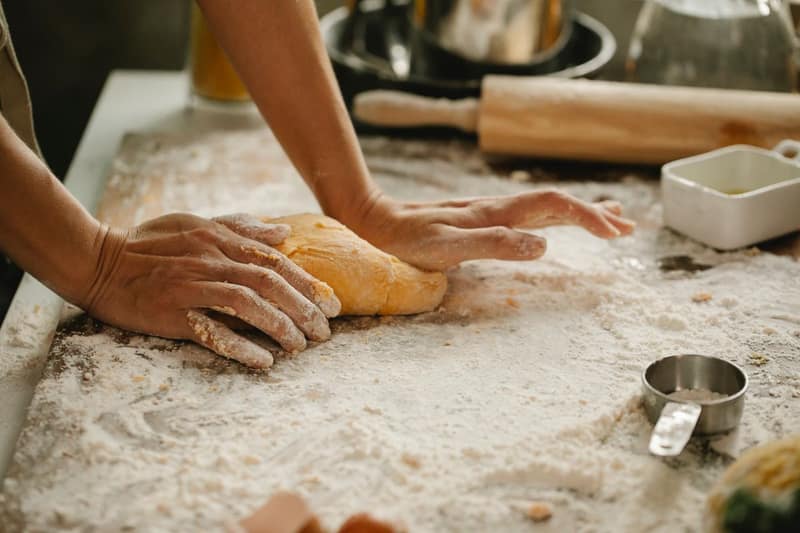
Put the flour and salt in a bowl, pour in the hot water while stirring with chopsticks until shaggy, then add the cold water. Knead for 5 minutes to a smooth, soft dough. Cover and rest for 30 minutes.
Food safety: The dough is very hot at first; mix with chopsticks or a spoon until it cools enough to handle.
How it looks · Photo: Klaus Nielsen on Pexels
Filling
1 h 7 minStep 2
Toss the cabbage with ½ tsp salt and leave for 10 minutes, then squeeze out as much water as you can in a clean cloth.
- 12 min
Step 3
Mix the pork with the soy sauce (opens in a new tab), Shaoxing wine (opens in a new tab), sugar (opens in a new tab), white pepper (opens in a new tab) and grated ginger and garlic (opens in a new tab). Stir hard in one direction, adding the cold water a spoonful at a time, until the meat is sticky and has absorbed it. Fold in the cabbage, spring onion (opens in a new tab) and sesame oil (opens in a new tab).
- 8 min
Food safety: Wash hands, boards and knives after handling raw meat, and keep it apart from salad and other ready-to-eat food.
Step 4
Roll the dough into a log and cut into 24 pieces. Flatten each and roll into an 8–9 cm round, thinner at the edges. Put a heaped teaspoon of filling in the centre, fold over and pleat one side against the other to seal into a crescent.
Step 5
Line a steamer (opens in a new tab) basket with baking paper or cabbage leaves and set the dumplings in it, 2 cm apart. Steam over boiling water for 10–12 minutes, until the wrappers are slightly translucent and the filling is cooked through.
- 12 min
- high heat
- Steamer (opens in a new tab)
Food safety: Cook pork until it reaches at least 63 °C in the centre (71 °C for minced pork) and refrigerate leftovers within 2 hours.
Dip
2 minStep 6
Mix the black vinegar with the shredded ginger and chilli oil (opens in a new tab) and serve with the hot dumplings.
- 2 min
How it looks · Photo: Willians Huerta on Pexels
At a glance
1 · Hot-water dough in a bowl
 All-purpose flour
 Salt
then toss
2 · Filling in a bowl
 Ground pork
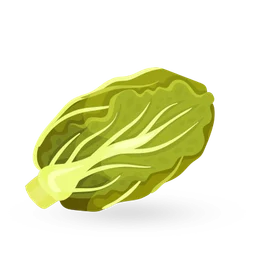 Napa cabbage
- Salt
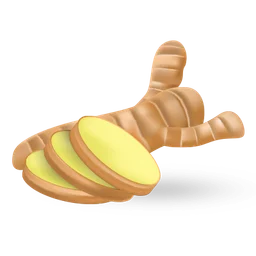 Fresh ginger
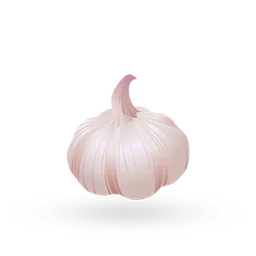 Garlic
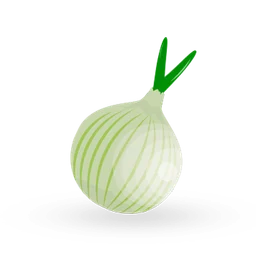 Spring onion
 Soy sauce
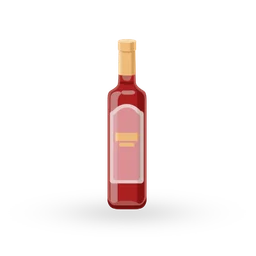 Shaoxing wine
 Toasted sesame oil
 Sugar
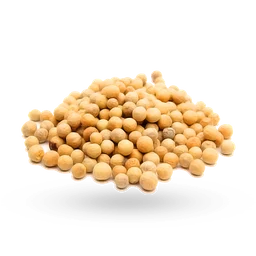 White pepper
then mix
3 · Dip in a bowl
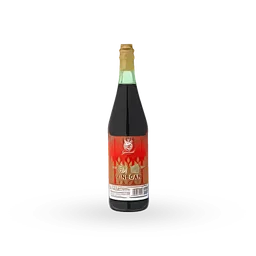 Chinese black vinegar
- Fresh ginger
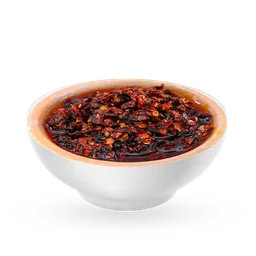 Chilli oil
About this dish
- Origin
- Northern China, China · Commonly attributedSteaming is one of three classic ways to cook jiaozi alongside boiling (shuijiao) and pan-frying (guotie); a hot-water dough is used so the wrappers stay soft after steaming.Also popular in TaiwanMore food from China
China - Dish
- Lunch · Dinner · Snack · Dumplings · Appetizers & starters · Main courses
- Cooking method
- Steamed
- Taste
- savoury, umami, aromatic / warmly spiced, tangy
- Diet
- Dairy-free · High-proteinWithout the optional extras: No nut ingredientsWorked out from the ingredients. How labels work
All labels
Non-vegetarian · Dairy-free · Egg-free · Beef-free · High-protein - Good for
- Freezer-friendly · Make-ahead
- Cook more with
- All-purpose flour · Ground pork · Napa cabbage · Fresh ginger · Garlic · Spring onion
Allergens
- May contain: Peanutsfrom chilli oil
- Contains: Wheatfrom all-purpose flour, soy sauce, shaoxing wine, chinese black vinegar
- Contains: Glutenfrom all-purpose flour, soy sauce, shaoxing wine, chinese black vinegar
- Contains: Soyfrom soy sauce, chilli oil
- Contains: Sesamefrom toasted sesame oil, chilli oil
Based on typical versions of these ingredients and not verified allergen-free. Brands differ and cross-contact happens, so always check labels. For severe allergies, follow your clinician’s advice.
Nutrition
575 kcal per serving
Estimated1 serving ≈ 333 g · recipe makes 4
Where the energy comes from
- Protein 17%
- Carbohydrate 46%
- Fat 37%
| Nutrient | Per serving | Per 100 g* |
|---|---|---|
| Energy | 575 kcal | 173 kcal |
| Protein | 24.3 g | 7.3 g |
| Carbohydrate | 64.8 g | 19.5 g |
| Net carbohydrate | 61.5 g | 18.5 g |
| Sugars | — | — |
| Added sugars | 1 g | 0.3 g |
| Fibre | 3.3 g | 1 g |
| Fat | 22.9 g | 6.9 g |
| Saturated fat | 7.5 g | 2.3 g |
| Trans fat | — | — |
| Cholesterol | 63 mg | 19 mg |
| Sodium | 743 mg | 223 mg |
| Salt equivalent | 1.9 g | 0.6 g |
Vitamins & minerals per serving
- Potassium
- 592 mg
- Calcium
- 101 mg
- Iron
- 4.8 mg
- Magnesium
- 54 mg
- Vitamin A (RAE)
- 18 µg
- Vitamin C
- 23 mg
- Vitamin D
- —
- Vitamin B12
- 0.6 µg
- Folate (DFE)
- 288 µg
How these numbers were made
- Calculated from USDA FoodData Central (SR Legacy) per-100 g values and the listed quantities.
- *Per 100 g of combined raw ingredients; the cooked dish may weigh more or less.
- Optional ingredients are not included: chilli oil.
- Shaoxing wine: Sake (FDC 167723) used as a stand-in for Chinese rice cooking wine.
- Chinese black vinegar: Balsamic vinegar (FDC 172241) used as a stand-in for Chinkiang/Zhenjiang black rice vinegar; both are dark, aged and slightly sweet.
- “—” means the value isn’t known for enough of the ingredients; it is never zero by default.
- Values are estimates for guidance, not for medical dosing. U.S. Department of Agriculture, Agricultural Research Service. FoodData Central, 2019. fdc.nal.usda.gov.
Good to know
Tips
- Keep the dough pieces you are not working on covered so they do not dry out.
- Freeze uncooked dumplings on a floured tray, then bag them; steam from frozen for 15 minutes.
Common mistakes
- Skipping the squeeze — wet cabbage makes a watery filling that tears the wrappers.
Serve with
- Serve with black vinegar and ginger, a plate of smashed cucumber and a bowl of hot soup.
Food safety
- Cook pork until it reaches at least 63 °C in the centre (71 °C for minced pork) and refrigerate leftovers within 2 hours.
Storage
- Cooked dumplings keep 2 days in the fridge; uncooked ones freeze for 2 months.
Reheating
- Steam for 5–6 minutes until piping hot, or pan-fry the bottoms until crisp.
Variations
- Shrimp and chive zhengjiao: Chopped prawns and garlic chives replace part of the pork.
- Egg and chive zhengjiao: A meatless filling of scrambled egg, garlic chives and glass noodles.
Original editorial recipe · FriendsPantry editorial · source: TasteAtlas (dish facts) · Not yet independently reviewed · Added
Recipe DNA
How this dish is built
Built from the recipe’s own sections. Each band’s width is its share of the dish by weight. Choose a component to see what it does.
Structure
For the hot-water dough
- All-purpose flour300 g
- Water150 ml · 150 g
- Water30 ml · 30 g
- Salt1 pinch · 0.4 g
Reviews & corrections
Reviews come from signed-in cooks and appear after a moderator checks them. We never show made-up ratings.
You might also like
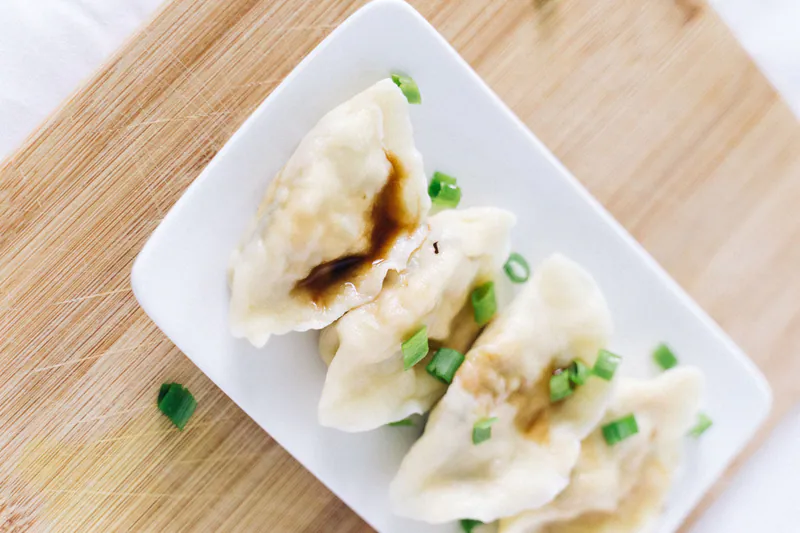
Pork and cabbage jiaozi
 Chinese · 1 h 20 min · 564 kcal
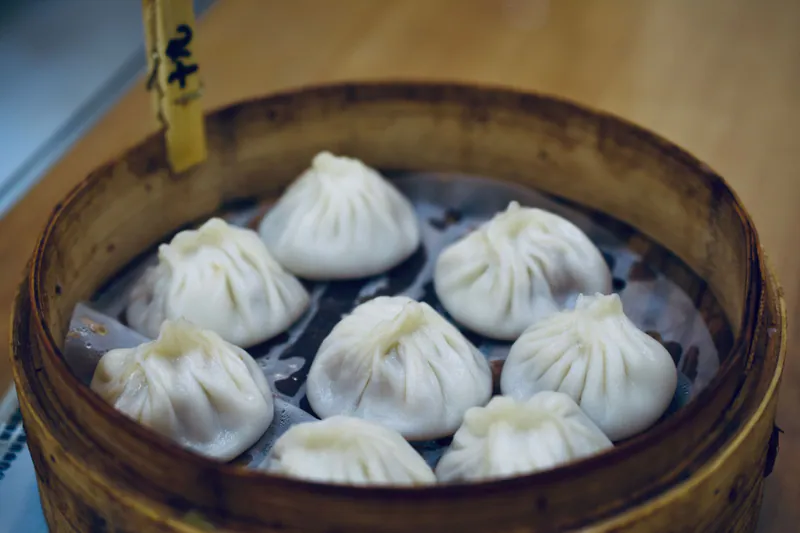
Xiaolongbao (soup dumplings)
Chinese · 3 h 25 min · 482 kcal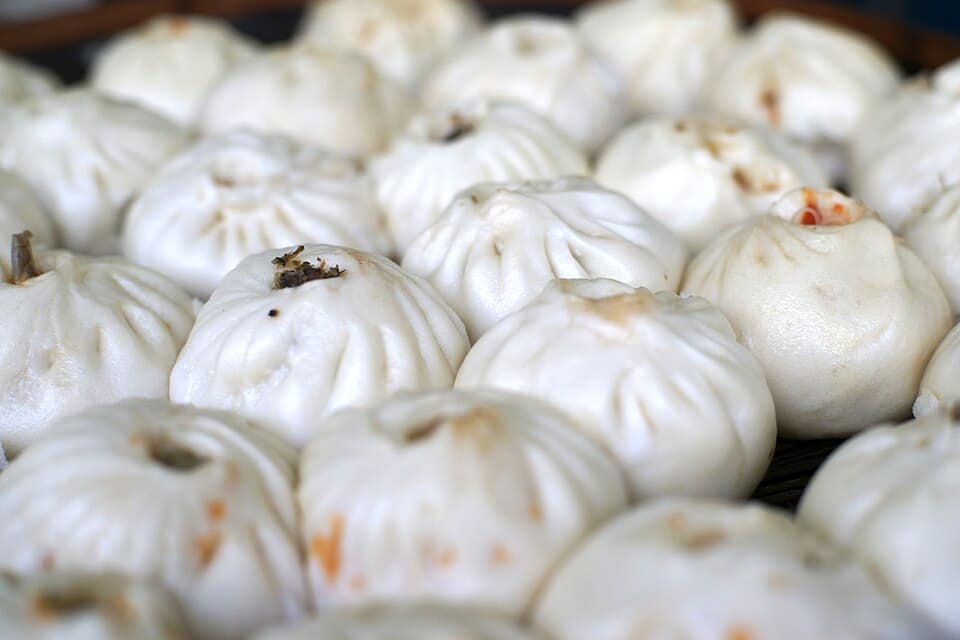
Pork baozi (steamed pork buns)
Chinese · 2 h 25 min · 244 kcal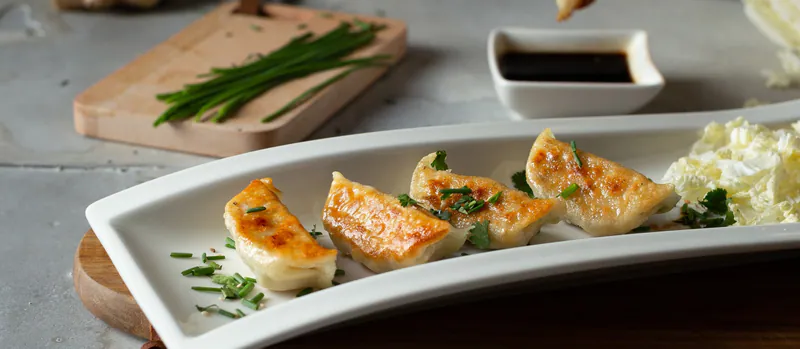
Guotie (Chinese potstickers)
Chinese · 2 h · 669 kcal