
 Dominican · Caribbean · Fried dough & doughnuts
Yaniqueque (Dominican fried bread)
Vegetarian
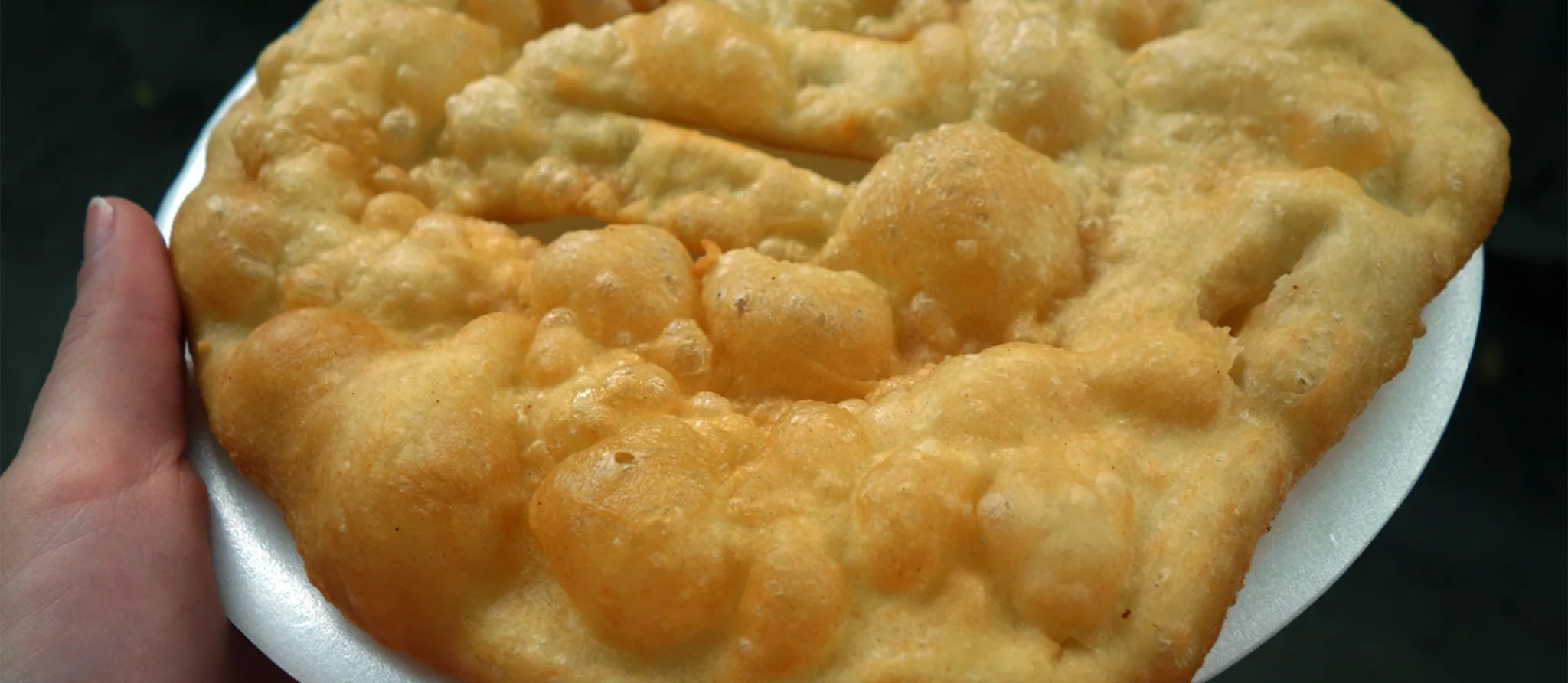
Paper-thin rounds of buttery baking-powder dough with crimped edges, fried until they puff, blister and turn shatteringly crisp. Sold by the stack on Dominican beaches and street corners, usually with a squeeze of ketchup or a dusting of cinnamon sugar.
Yaniqueque (Dominican fried bread) is a Dominican dish from Dominican Republic, ready in about 1 hour 10 minutes and made with all-purpose flour, baking powder and butter. It serves 6 and is rated easy to cook.
- Prep
- 25 min
- Cook
- 25 min
- Rest
- 20 min
- Total
- 1 h 10 min
- Serves
- 6
- Level
- Easy
- Calories
- 319
Main ingredients
Ingredients
For the dough
For frying
To serve
Method
Dough
23 minStep 1
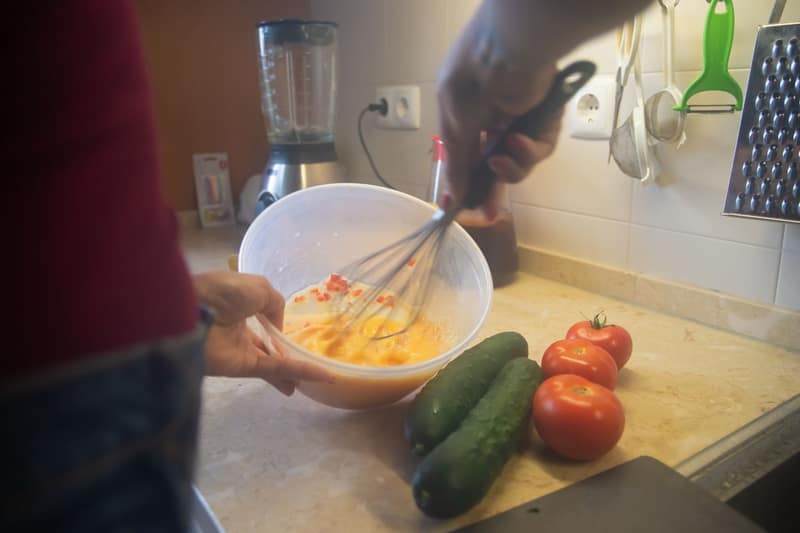
Whisk the flour, baking powder (opens in a new tab), baking soda (opens in a new tab) and salt in a bowl. Pour in the melted butter (opens in a new tab) and rub it through with your fingertips, then add the water little by little and knead for 3–4 minutes to a soft, smooth dough that no longer sticks to your hands.
How it looks · Photo: Kampus Production on Pexels Step 2
Cover the dough and leave it for 20 minutes so the gluten relaxes and it rolls out without shrinking back.
Step 3
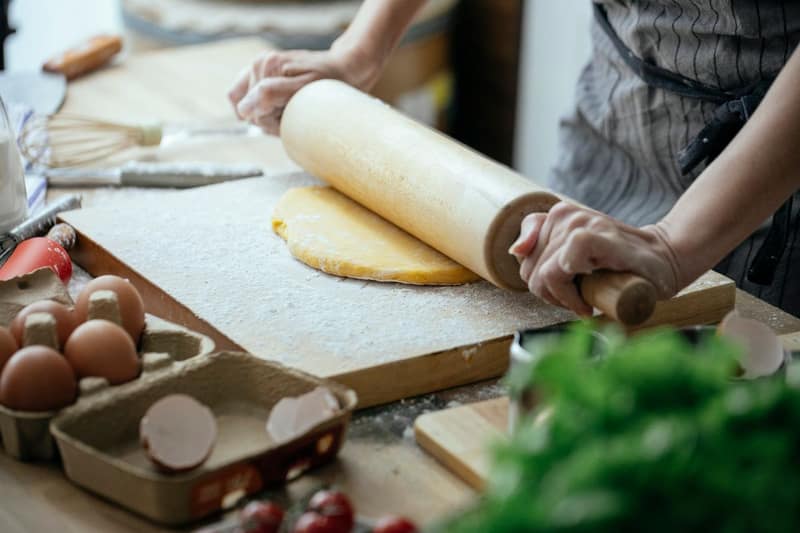
Divide into 12 balls. Roll each out on a lightly floured surface as thinly as you can, about 1–2 mm thick and 15 cm across. Fold and pinch the rim all the way round into a rope-like crimped edge, and prick the centre a few times with a fork.
The thinner the dough, the crisper the yaniqueque; thick ones turn out bready.
How it looks · Photo: Katerina Holmes on Pexels
Frying
22 minStep 4
Heat the oil in a deep pan to 180 °C. Fry the rounds one or two at a time for 1–2 minutes per side until puffed, blistered and deep golden. Lift out and drain upright or on paper towels.
- 22 min
- 180°C
- medium-high heat
- Dutch oven / casserole pot (opens in a new tab)
- Slotted spoon (opens in a new tab)
- Food thermometer (opens in a new tab)
Food safety: Never leave hot oil unattended, keep a lid nearby to smother flames, and never put water on an oil fire.
To serve
2 minStep 5
Sprinkle with a little salt while hot, or toss in cinnamon (opens in a new tab) sugar (opens in a new tab), and serve with ketchup (opens in a new tab) for dipping.
- 2 min
How it looks · Photo: Klaus Nielsen on Pexels
At a glance
1 · Dough in a bowl
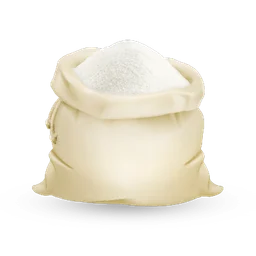 All-purpose flour
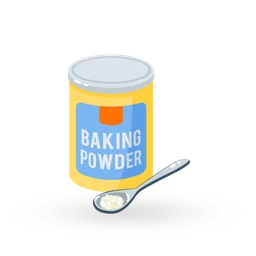 Baking powder
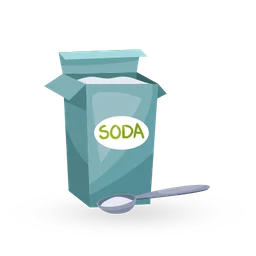 Baking soda
 Salt
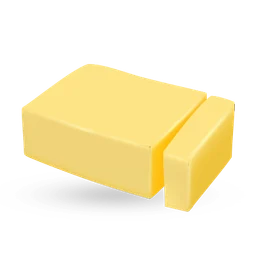 Butter
then heat
2 · Frying in a pan
 Neutral vegetable oil
then sprinkle
3 · To serve in a bowl
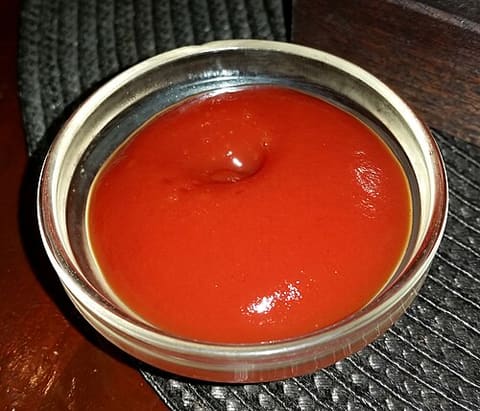 Tomato ketchup
 Sugar
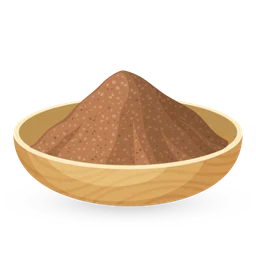 Cinnamon
About this dish
- Origin
- Santo Domingo and the beaches of the south coast, Dominican Republic · Commonly attributedGenerally thought to descend from the johnny cakes brought by English-speaking Afro-Caribbean migrants (cocolos) in the early 1900s; the name is a Dominican rendering of 'johnny cake'.More food from Dominican Republic
Dominican Republic - Dish
- Snack · Fried dough & doughnuts · Street food · Breads & flatbreads
- Cooking method
- Deep-fried
- Taste
- salty, buttery, savoury
- Diet
- Vegetarian (lacto-ovo) · No nut ingredientsWithout the optional extras: No added sugarWith the listed swaps: Vegan, Plant-based, Ovo-vegetarian, Dairy-freeWorked out from the ingredients. How labels work
All labels
Vegetarian (lacto-ovo) · Eggetarian · Lacto-vegetarian · Pescatarian · Flexitarian-friendly · Egg-free · No nut ingredients · Alcohol-free · Pork-free · Beef-free - Good for
- Street food · Budget-friendly · Child-friendly
- Cook more with
- All-purpose flour · Baking powder · Butter · Baking soda
- Techniques
- Deep-frying · Kneading
Allergens
- Contains, can be adapted: Milkfrom butter
- Contains: Wheatfrom all-purpose flour, baking powder
- Contains: Glutenfrom all-purpose flour, baking powder
- May contain: Mustardfrom tomato ketchup
- May contain: Celeryfrom tomato ketchup
Based on typical versions of these ingredients and not verified allergen-free. Brands differ and cross-contact happens, so always check labels. For severe allergies, follow your clinician’s advice.
Nutrition
319 kcal per serving
Calculated1 serving ≈ 96 g · recipe makes 6
Where the energy comes from
- Protein 7%
- Carbohydrate 48%
- Fat 45%
| Nutrient | Per serving | Per 100 g* |
|---|---|---|
| Energy | 319 kcal | 333 kcal |
| Protein | 5.2 g | 5.5 g |
| Carbohydrate | 38.5 g | 40.2 g |
| Net carbohydrate | 37.1 g | 38.8 g |
| Sugars | 0.1 g | 0.1 g |
| Added sugars | 0 g | 0 g |
| Fibre | 1.4 g | 1.4 g |
| Fat | 15.9 g | 16.6 g |
| Saturated fat | 4.2 g | 4.4 g |
| Trans fat | — | — |
| Cholesterol | 14 mg | 15 mg |
| Sodium | 604 mg | 631 mg |
| Salt equivalent | 1.5 g | 1.6 g |
Vitamins & minerals per serving
- Potassium
- 55 mg
- Calcium
- 77 mg
- Iron
- 2.4 mg
- Magnesium
- 12 mg
- Vitamin A (RAE)
- 46 µg
- Vitamin C
- 0 mg
- Vitamin D
- 0 µg
- Vitamin B12
- 0 µg
- Folate (DFE)
- 146 µg
How these numbers were made
- Calculated from USDA FoodData Central (SR Legacy) per-100 g values and the listed quantities.
- *Per 100 g of combined raw ingredients; the cooked dish may weigh more or less.
- Optional ingredients are not included: tomato ketchup, sugar, cinnamon.
- “—” means the value isn’t known for enough of the ingredients; it is never zero by default.
- Values are estimates for guidance, not for medical dosing. U.S. Department of Agriculture, Agricultural Research Service. FoodData Central, 2019. fdc.nal.usda.gov.
Good to know
Tips
- Keep the rolled rounds under a cloth so they do not dry out before frying.
- If the oil is too cool the bread soaks up fat and stays pale; too hot and it browns before it crisps.
Common mistakes
- Skipping the rest — the dough springs back and will not roll thin enough.
Serve with
- Serve on the beach with ketchup and a cold drink, or alongside fried fish.
- Eat the sweet version with coffee.
Food safety
- Never leave hot oil unattended, keep a lid nearby to smother flames, and never put water on an oil fire.
Storage
- Best within a few hours; keep in a paper bag at room temperature for up to 1 day.
Reheating
- Re-crisp for 3–4 minutes in a 200 °C oven.
Variations
- Sweet yaniqueque: Tossed in sugar and cinnamon straight from the oil.
- Yaniqueque con queso: Topped with a slice of fried white cheese, as sold at some beach stalls.
History
Yaniqueques are linked to the English-speaking Caribbean labourers who came to work in Dominican sugar mills in the early twentieth century, bringing their fried johnny cakes with them.
Confidence: Commonly attributed
Original editorial recipe · FriendsPantry editorial · source: TasteAtlas (dish facts) · Not yet independently reviewed · Added
Sauces, chutneys & dips for this dish
Recipe DNA
How this dish is built
Built from the recipe’s own sections. Each band’s width is its share of the dish by weight. Choose a component to see what it does.
Structure
For the dough
- All-purpose flour300 g
- Baking powder1.5 tsp · 6.7 g
- Baking soda0.25 tsp · 1.2 g
- Salt1 tsp · 6 g
- Butter, melted40 g
- Water160 ml · 160 g
Reviews & corrections
Reviews come from signed-in cooks and appear after a moderator checks them. We never show made-up ratings.
You might also like
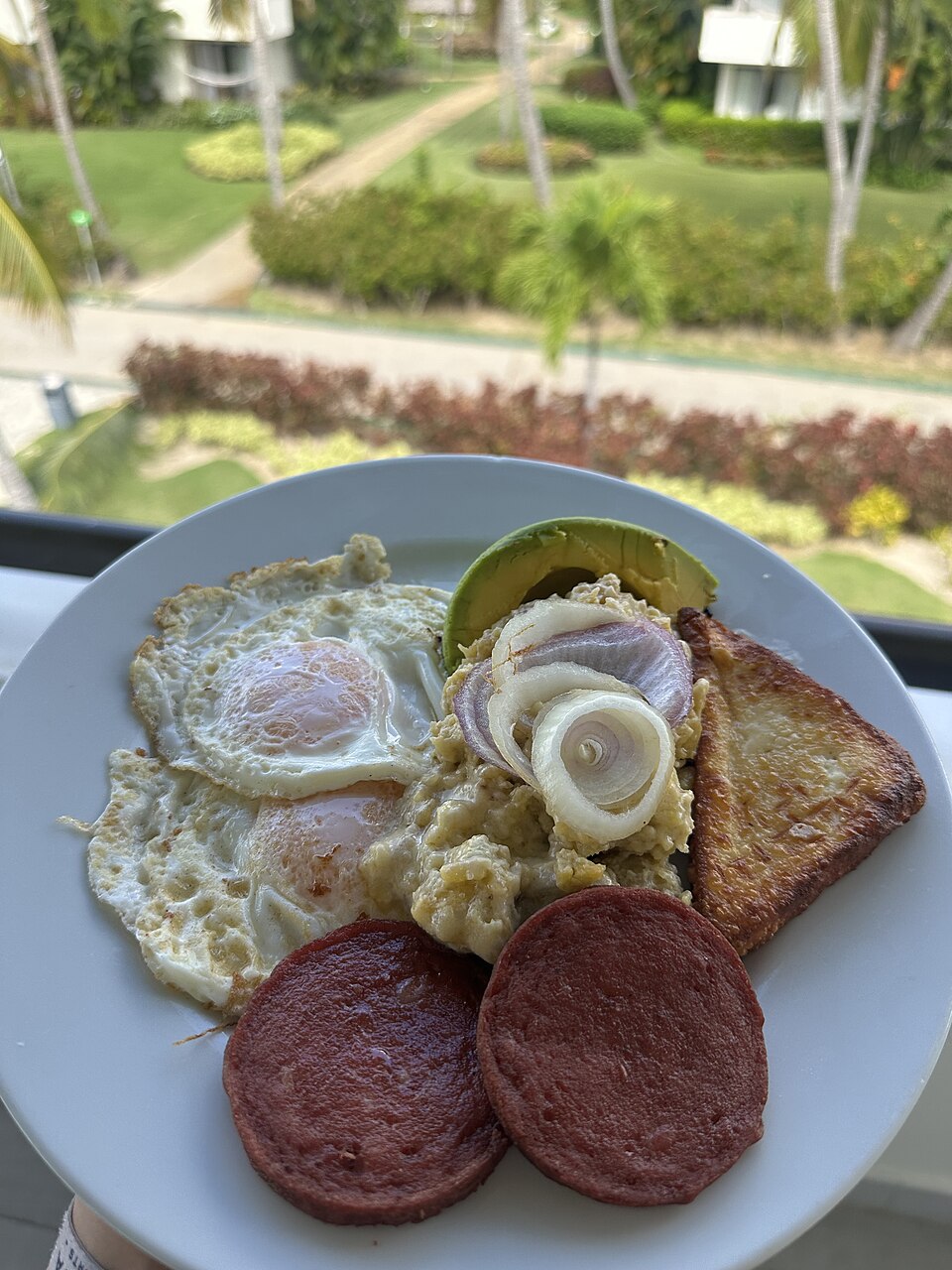
Mangú con los tres golpes
Dominican · 45 min · 715 kcal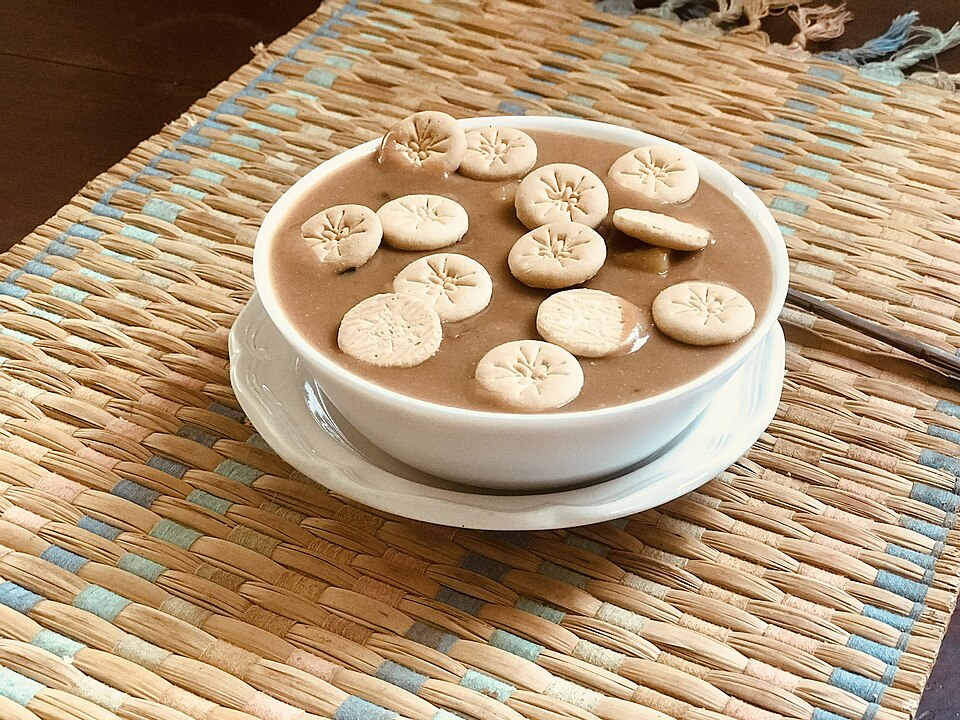
Habichuelas con dulce
Dominican · 1 h 50 min · 388 kcal · Vegetarian
Yaroa (Dominican loaded plantain and fries)
Dominican · 1 h 10 min · 1023 kcal
Pica pollo (Dominican fried chicken)
Dominican · 3 h · 892 kcal