
 Cantonese · Hong Kong · Chinese · Noodles
Wonton noodles (Cantonese wonton noodle soup)
Non-vegetarian
雲吞麵 · wahn tān mihn
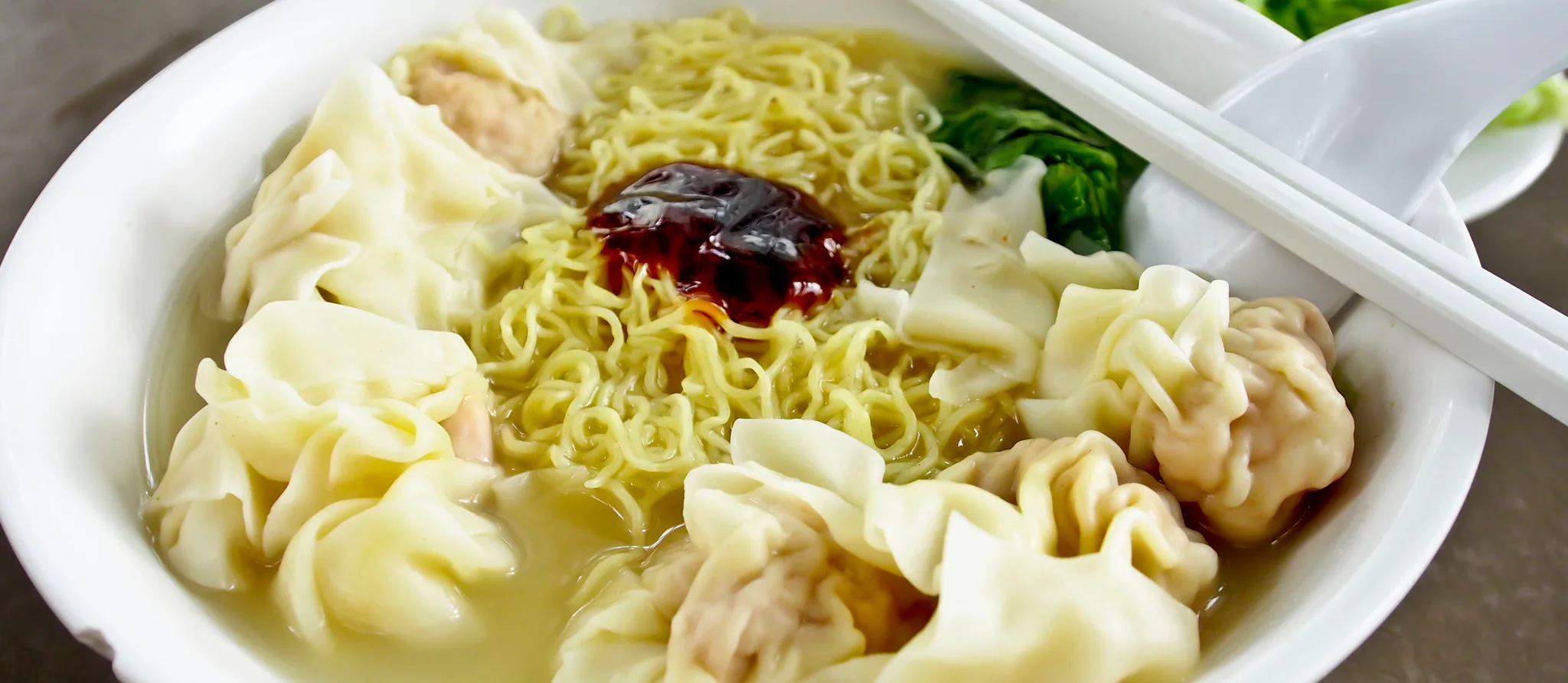
Springy thin egg noodles and plump prawn-and-pork wontons in a clear, savoury broth scented with dried shrimp and ginger, finished with yellow chives. A Hong Kong and Guangzhou noodle-shop classic, with dry 'kon lo' versions across Southeast Asia.
Wonton noodles (Cantonese wonton noodle soup) is a Cantonese noodle dish from China, ready in about 1 hour 20 minutes and made with prawns / shrimp, wonton / dumpling wrappers and egg noodles. It serves 4 and is rated intermediate to cook.
- Prep
- 45 min
- Cook
- 35 min
- Total
- 1 h 20 min
- Serves
- 4
- Level
- Intermediate
- Calories
- 807
Main ingredients
Ingredients
For the wontons
For the broth
For the bowls
Method
Broth
30 minStep 1
Simmer the chicken stock (opens in a new tab) with the toasted dried shrimp (opens in a new tab) and sliced ginger for 30 minutes. Strain, season with the salt and white pepper (opens in a new tab) and keep hot.
Wontons
31 minStep 2
Pat the prawns (opens in a new tab) dry. Mix the pork with the salt, sugar (opens in a new tab), white pepper (opens in a new tab), sesame oil (opens in a new tab), soy sauce (opens in a new tab), Shaoxing wine (opens in a new tab), grated ginger and cornstarch (opens in a new tab), stirring hard in one direction for 2 minutes until sticky. Fold in all the prawns.
Chill the filling for 20 minutes if it is soft; it is easier to wrap.
Step 3
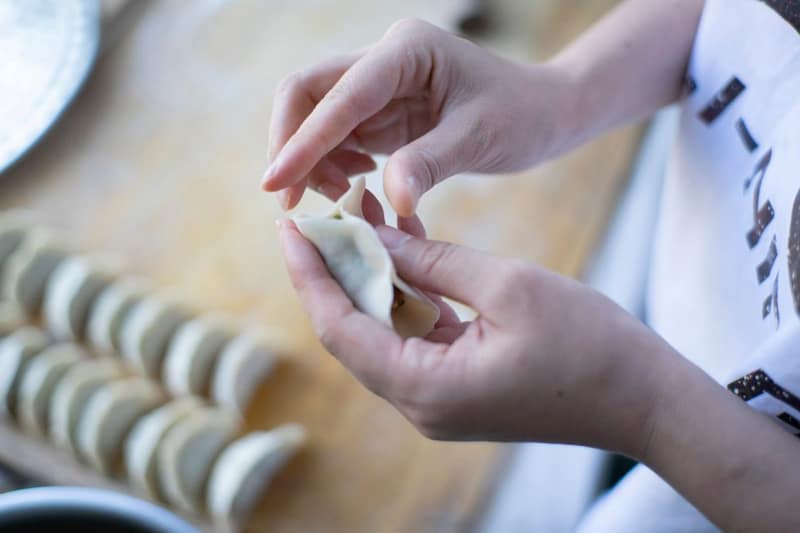
Put a heaped teaspoon of filling (with a whole piece of prawn (opens in a new tab)) in the centre of a wrapper. Wet the edges, fold into a triangle, then gather the corners up around the filling and pinch so the wonton looks like a little purse with a frilly tail.
- 25 min
How it looks · Photo: tom L on Pexels
Bowls
12 minStep 4
Bring a large pot of water to a rolling boil. Blanch the gai lan (opens in a new tab) for 1–2 minutes, lift out and drain. Boil the wontons in batches for 3–4 minutes, until they float and the prawns (opens in a new tab) show pink through the skin; lift into the serving bowls.
Step 5
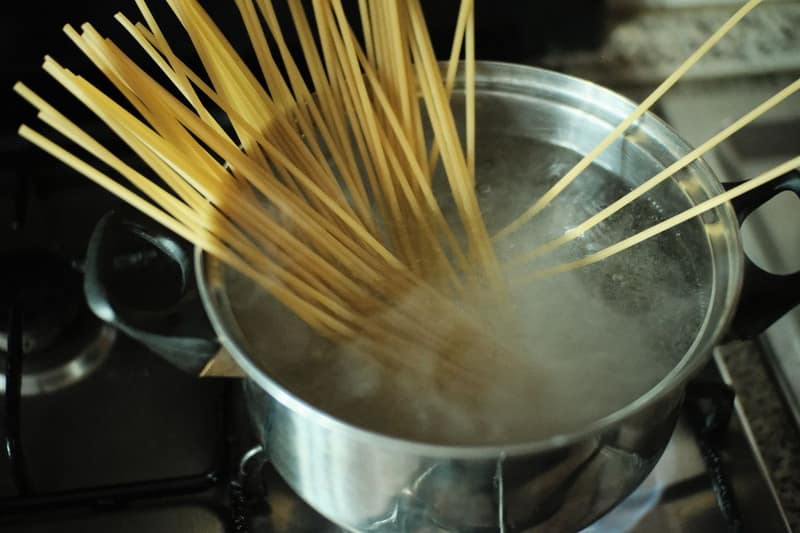
Shake loose the noodles and boil them for 20–30 seconds only, stirring to separate. Drain, rinse briefly under cold water, then dip back into the boiling water for a few seconds so they are hot but springy.
- 2 min
- high heat
Hong Kong noodle shops cook the noodles for just seconds so they stay al dente ('crunchy') in the hot broth.
How it looks · Photo: Gianpiero Ferraro on Pexels Step 6
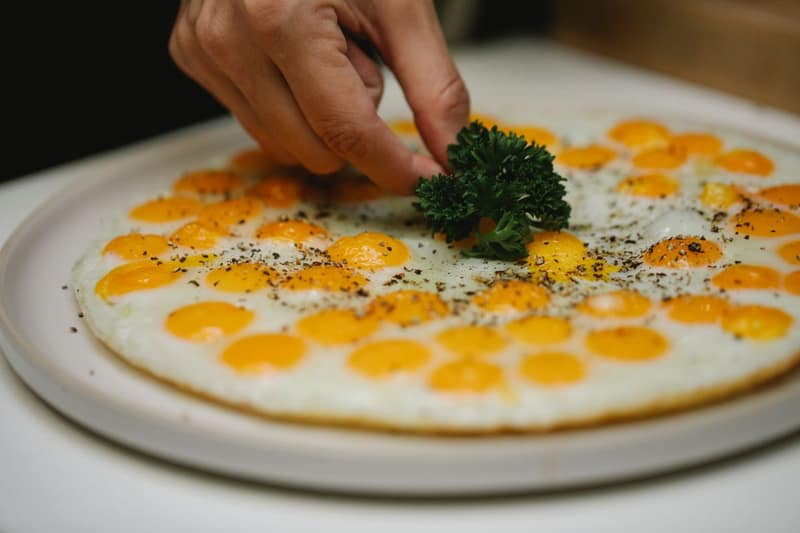
Pile the noodles over the wontons, ladle (opens in a new tab) over the hot broth, add the gai lan (opens in a new tab) and scatter with chives (opens in a new tab) and a few drops of sesame oil (opens in a new tab).
How it looks · Photo: Klaus Nielsen on Pexels
At a glance
1 · Broth in a pot
 Chicken stock
 Dried shrimp
 Fresh ginger
 Salt
 White pepper
then pat
2 · Wontons in a bowl
- Prawns / shrimp
 Ground pork
- Salt
 Sugar
- White pepper
 Toasted sesame oil
 Soy sauce
 Shaoxing wine
- Fresh ginger
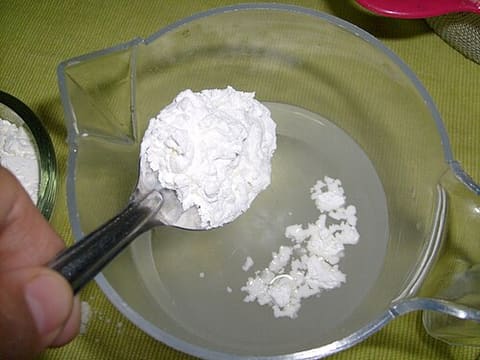 Cornstarch
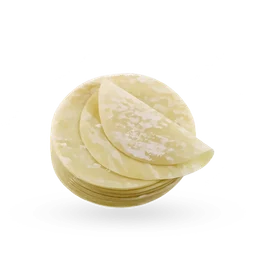 Wonton / dumpling wrappers
then bring
3 · Bowls in a pot
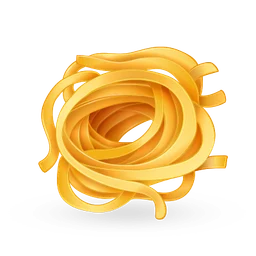 Egg noodles
 Chinese broccoli (gai lan)
 Chives
- Toasted sesame oil
About this dish
- Origin
- Guangdong and Hong Kong, China · Well documentedCantonese wonton noodles are traditionally served in small bowls with the wontons under the noodles so the noodles stay springy. Malaysian and Singaporean wantan mee is usually served dry, tossed in a soy and lard sauce.Also popular in Hong Kong, Malaysia, Singapore, ThailandMore food from China
China - Dish
- Breakfast · Lunch · Dinner · Noodles · Soups · Dumplings · Breakfast dishes · Noodle soups
- Cooking method
- Boiled, Simmered
- Taste
- umami, savoury, fresh
- Diet
- Dairy-free · No nut ingredients · High-proteinWorked out from the ingredients. How labels work
All labels
Non-vegetarian · Dairy-free · No nut ingredients · Beef-free · High-protein · Low-fat - Good for
- Freezer-friendly
- Cook more with
- Prawns / shrimp · Wonton / dumpling wrappers · Egg noodles · Ground pork · Sugar · White pepper
Allergens
- Contains: Eggsfrom wonton / dumpling wrappers, egg noodles
- Contains: Crustaceansfrom prawns / shrimp, dried shrimp
- Contains: Wheatfrom soy sauce, shaoxing wine, wonton / dumpling wrappers, egg noodles
- Contains: Glutenfrom soy sauce, shaoxing wine, wonton / dumpling wrappers, egg noodles
- Contains: Soyfrom soy sauce
- Contains: Sesamefrom toasted sesame oil
- May contain: Celeryfrom chicken stock
Based on typical versions of these ingredients and not verified allergen-free. Brands differ and cross-contact happens, so always check labels. For severe allergies, follow your clinician’s advice.
Nutrition
807 kcal per serving
Estimated1 serving ≈ 708 g · recipe makes 4
Where the energy comes from
- Protein 25%
- Carbohydrate 54%
- Fat 21%
| Nutrient | Per serving | Per 100 g* |
|---|---|---|
| Energy | 807 kcal | 114 kcal |
| Protein | 49.3 g | 7 g |
| Carbohydrate | 107.7 g | 15.2 g |
| Net carbohydrate | — | — |
| Sugars | — | — |
| Added sugars | 0.5 g | 0.1 g |
| Fibre | — | — |
| Fat | 18.9 g | 2.7 g |
| Saturated fat | 5.6 g | 0.8 g |
| Trans fat | — | — |
| Cholesterol | 215 mg | 30 mg |
| Sodium | 2300 mg | 325 mg |
| Salt equivalent | 5.8 g | 0.8 g |
Vitamins & minerals per serving
- Potassium
- 1221 mg
- Calcium
- 204 mg
- Iron
- 7.2 mg
- Magnesium
- 126 mg
- Vitamin A (RAE)
- —
- Vitamin C
- —
- Vitamin D
- —
- Vitamin B12
- —
- Folate (DFE)
- —
How these numbers were made
- Calculated from USDA FoodData Central (SR Legacy) per-100 g values and the listed quantities.
- *Per 100 g of combined raw ingredients; the cooked dish may weigh more or less.
- Optional ingredients are not included: toasted sesame oil.
- Shaoxing wine: Sake (FDC 167723) used as a stand-in for Chinese rice cooking wine.
- Dried shrimp: Dried salted cod (FDC 174190) used as a stand-in: both are dried, very protein-dense seafood; no dried-shrimp entry exists in FDC SR Legacy.
- “—” means the value isn’t known for enough of the ingredients; it is never zero by default.
- Values are estimates for guidance, not for medical dosing. U.S. Department of Agriculture, Agricultural Research Service. FoodData Central, 2019. fdc.nal.usda.gov.
Good to know
Tips
- Freeze extra uncooked wontons on a tray, then bag them; cook from frozen for 5–6 minutes.
Common mistakes
- Overcooking the noodles, which turn soft and soak up the broth.
- Overfilling the wrappers so they burst.
Serve with
- Serve with red vinegar and chilli oil on the side, and a plate of blanched greens with oyster sauce.
Food safety
- Cook the wontons until the filling is cooked through, about 3–4 minutes after they float.
Storage
- Broth keeps 4 days refrigerated; uncooked wontons 3 months frozen.
Reheating
- Bring the broth to the boil and cook wontons and noodles fresh.
Variations
- Kon lo mee / dry wantan mee (Malaysia): Noodles tossed in soy sauce, oyster sauce and lard, topped with char siu, with the wontons and broth in a separate bowl; the Malaysian and Singaporean way.
- Ba mee kiao (Thailand): The Thai version with yellow egg noodles, wontons, roast pork and crab meat.
- Wonton soup: The same wontons served in broth without noodles.
Original editorial recipe · FriendsPantry editorial · source: TasteAtlas (dish facts) · Not yet independently reviewed · Added
Sauces, chutneys & dips for this dish
Recipe DNA
How this dish is built
Built from the recipe’s own sections. Each band’s width is its share of the dish by weight. Choose a component to see what it does.
The liquid foundation
For the broth
- Chicken stock1500 ml · 1500 g
- Dried shrimp, rinsed and toasted in a dry pan20 g
- Fresh ginger, sliced20 g
- Salt1 tsp · 6 g
- White pepper0.25 tsp · 0.6 g
Reviews & corrections
Reviews come from signed-in cooks and appear after a moderator checks them. We never show made-up ratings.
You might also like
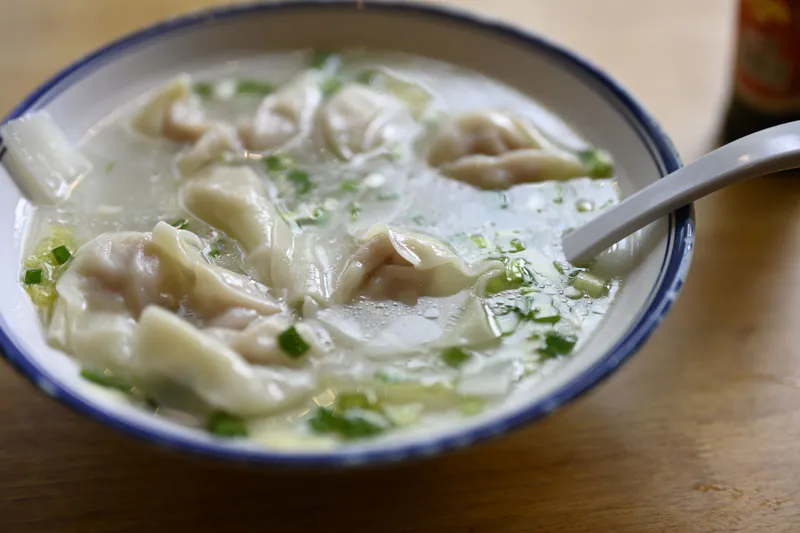
Wonton soup
Cantonese · 55 min · 508 kcal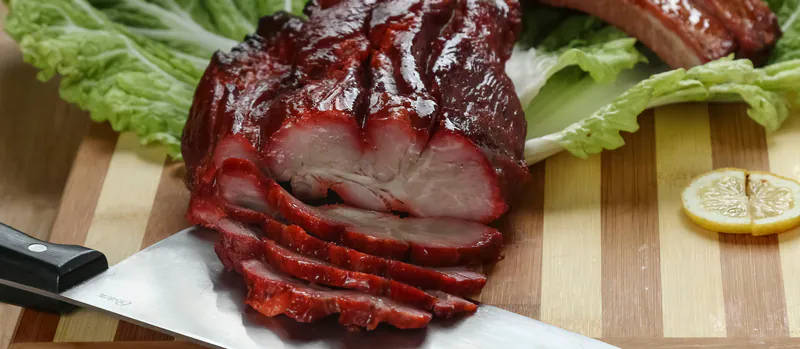
Char siu (Cantonese barbecue pork)
Cantonese · 1 h 10 min · 392 kcal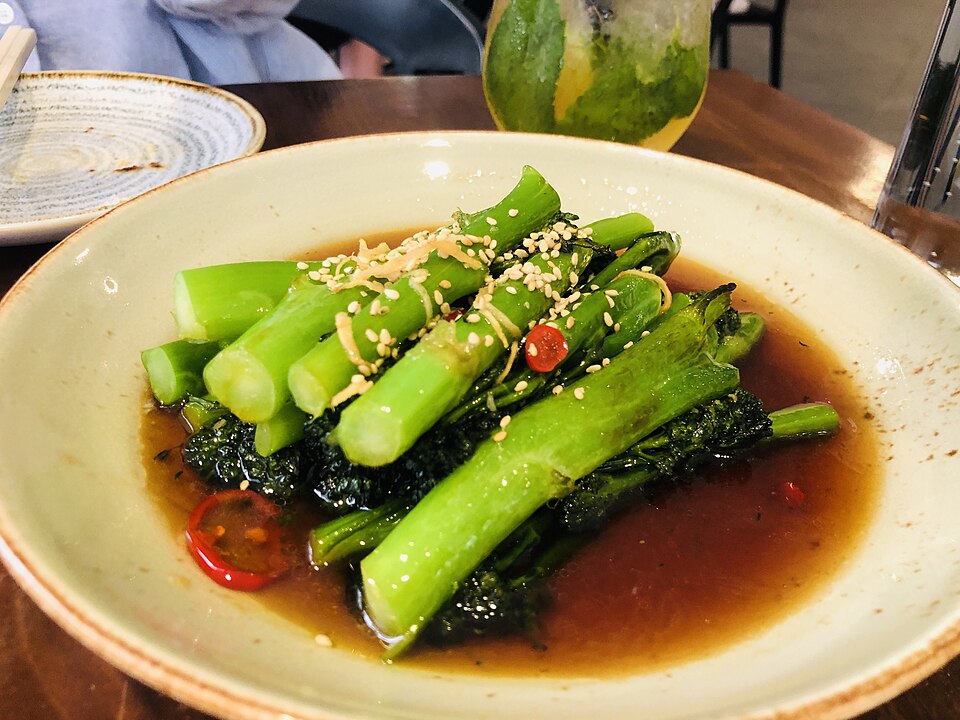
Chinese broccoli with oyster sauce
Cantonese · 13 min · 72 kcalChinese dumpling dipping sauce
Chinese · 15 min · 56 kcal · Vegan