
Suero costeño (Colombian fermented cream)
Vegetarian
Suero costeño
Whole milk left to sour and curdle, then drained and beaten with salt and a squeeze of lime into a thick, tangy, pourable cream. The essential topping of Colombia's Caribbean coast, spooned over arepas, bollos, yuca and patacones.
Suero costeño (Colombian fermented cream) is a Colombian dip, ready in about 30 hours 10 minutes and made with milk, buttermilk and salt. It serves 8 and is rated easy to cook.
No licensed photograph of this dish yet.
- Prep
- 10 min
- Cook
- 0 min
- Rest
- 30 h
- Total
- 30 h 10 min
- Serves
- 8
- Level
- Easy
- Calories
- 82
Mostly unattended souring (24–36 hours) and draining (4–6 hours).
Main ingredients
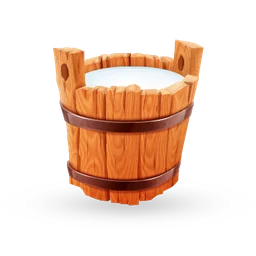




Method
Step 1
Warm the milk (opens in a new tab) to about 40 °C (comfortably warm to the touch), stir in the buttermilk (opens in a new tab) and pour into a clean glass jar. Cover loosely with a cloth.
Food safety: Use pasteurised milk and a live culture such as buttermilk or yoghurt; the culture sours the milk quickly and keeps unwanted bacteria in check.
Step 2
Leave in a warm place (25–30 °C) for 24–36 hours, until the milk (opens in a new tab) has set into a soft, sour curd and some clear whey has separated. It should smell clean and pleasantly sour.
Discard it if it smells unpleasant, shows mould or turns pink or grey.
Step 3
Pour into a sieve lined with muslin over a bowl and leave in the fridge for 4–6 hours to drain off most of the whey, until as thick as you like it. Thicker gives suero atollabuey.
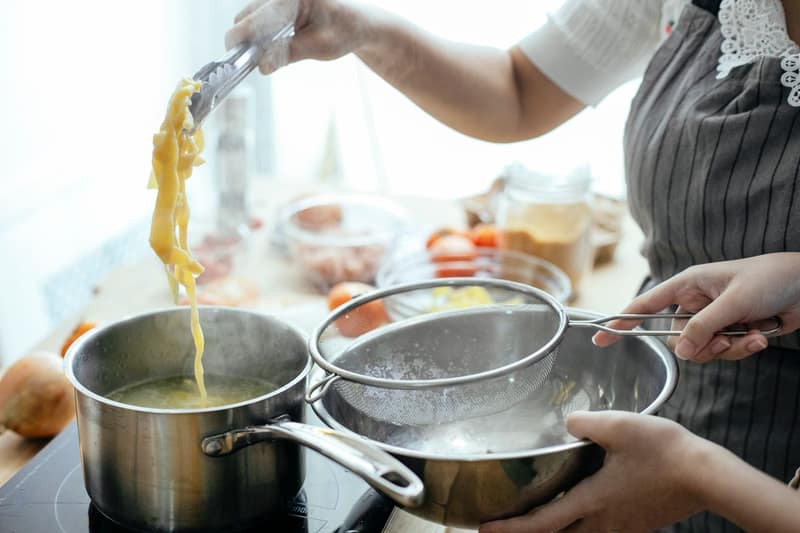
How it looks · Photo: Katerina Holmes on Pexels Step 4
Tip the curd into a bowl and whisk (opens in a new tab) with the salt and lime juice (opens in a new tab) until smooth and creamy, like thick pouring yoghurt. Taste; it should be distinctly salty and tangy. Chill.
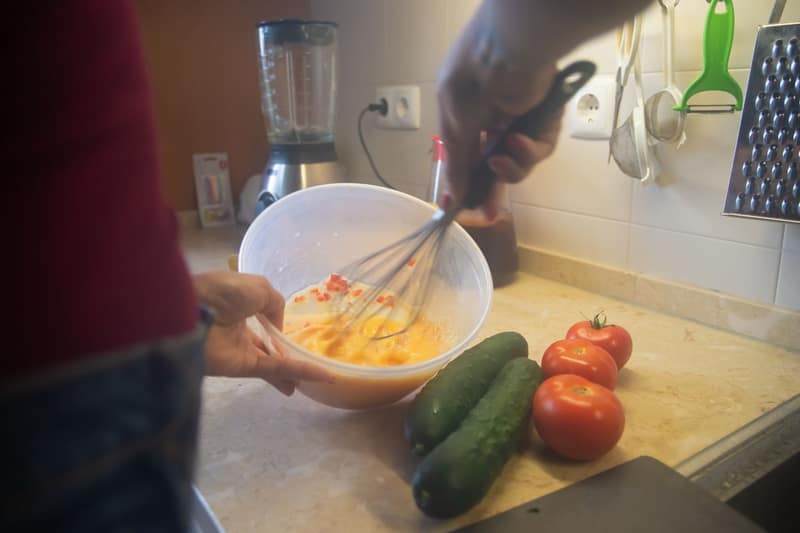
How it looks · Photo: Kampus Production on Pexels
About this dish
- Origin
- Caribbean coast (Córdoba, Sucre, Bolívar, Magdalena), Colombia · Well documentedTraditionally made from raw milk soured in a gourd (totumo) in the coastal heat; suero atollabuey is the thicker version, whose name says it is thick enough to bog down an ox.Also popular in VenezuelaMore food from Colombia
Colombia - Dish
- Breakfast · Lunch · Dips & spreads · Condiments, chutneys & relishes
- Cooking method
- Fermented, No-cook
- Taste
- tangy, salty, creamy
- Diet
- Vegetarian (lacto-ovo) · No gluten ingredients · No nut ingredients · Low-carbWorked out from the ingredients. How labels work
All labels
Vegetarian (lacto-ovo) · Eggetarian · Lacto-vegetarian · Pescatarian · Flexitarian-friendly · Whole-food focused · No gluten ingredients · Egg-free · No nut ingredients · No added sugar · Alcohol-free · Pork-free · Beef-free · Low-carb - Good for
- Make-ahead · Budget-friendly
- Cook more with
- Milk · Buttermilk · Lime juice
- Techniques
- Fermentation
Allergens
- Contains: Milkfrom milk, buttermilk
Based on typical versions of these ingredients and not verified allergen-free. Brands differ and cross-contact happens, so always check labels. For severe allergies, follow your clinician’s advice.
Nutrition
82 kcal per serving
Calculated1 serving ≈ 139 g · recipe makes 8
Where the energy comes from
- Protein 21%
- Carbohydrate 32%
- Fat 47%
| Nutrient | Per serving | Per 100 g* |
|---|---|---|
| Energy | 82 kcal | 59 kcal |
| Protein | 4.3 g | 3.1 g |
| Carbohydrate | 6.7 g | 4.8 g |
| Net carbohydrate | 6.7 g | 4.8 g |
| Sugars | 6.9 g | 5 g |
| Added sugars | 0 g | 0 g |
| Fibre | 0 g | 0 g |
| Fat | 4.3 g | 3.1 g |
| Saturated fat | 2.5 g | 1.8 g |
| Trans fat | — | — |
| Cholesterol | 13 mg | 9 mg |
| Sodium | 358 mg | 257 mg |
| Salt equivalent | 0.9 g | 0.6 g |
Vitamins & minerals per serving
- Potassium
- 184 mg
- Calcium
- 155 mg
- Iron
- 0 mg
- Magnesium
- 14 mg
- Vitamin A (RAE)
- 60 µg
- Vitamin C
- 1 mg
- Vitamin D
- 1.7 µg
- Vitamin B12
- 0.6 µg
- Folate (DFE)
- 7 µg
How these numbers were made
- Calculated from USDA FoodData Central (SR Legacy) per-100 g values and the listed quantities.
- *Per 100 g of combined raw ingredients; the cooked dish may weigh more or less.
- “—” means the value isn’t known for enough of the ingredients; it is never zero by default.
- Values are estimates for guidance, not for medical dosing. U.S. Department of Agriculture, Agricultural Research Service. FoodData Central, 2019. fdc.nal.usda.gov.
Good to know
Tips
- A quicker shortcut: whisk 300 g thick plain yoghurt with 100 ml cream, 1 tsp salt and a squeeze of lime.
- Save the whey for baking bread or for arepa dough.
Common mistakes
- Under-salting; suero is meant to be a salty foil to bland starches.
- Fermenting in a cold room, where the milk spoils before it sours.
Serve with
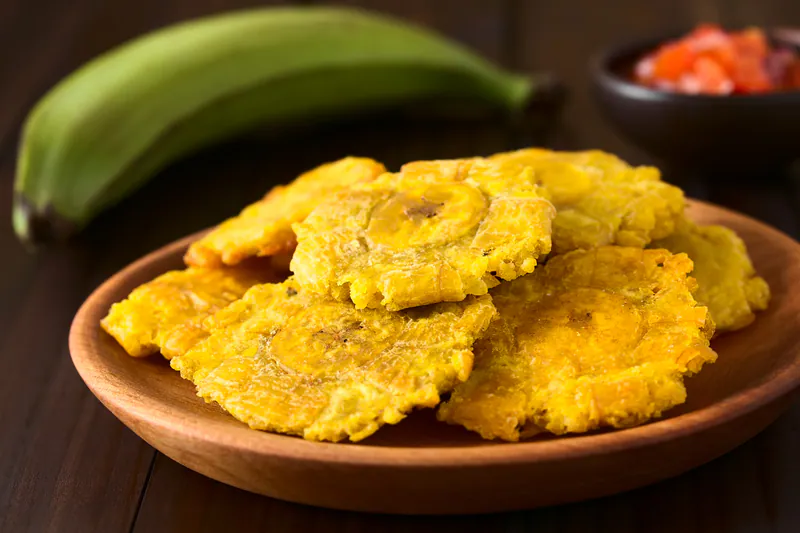
- Spoon over hot arepas, bollos de yuca, boiled yuca, patacones or butifarra sausages.
- Serve with fried white cheese and eggs for a costeño breakfast.
Food safety
- Use pasteurised milk, keep the finished dish refrigerated and eat within the stated time.
Storage
- Keeps 1 week in a covered jar in the fridge.
Variations
- Suero atollabuey: Drained longer for a very thick, spoonable cream.
- Suero picante: Mixed with chopped onion, coriander and hot pepper as a dip.
Original editorial recipe · FriendsPantry editorial · source: TasteAtlas (dish facts) · Not yet independently reviewed · Added
Recipe DNA
How this dish is built
Grouped by each ingredient’s role in the dish. Each band’s width is its share of the dish by weight. Choose a component to see what it does.
Reviews & corrections
Reviews come from signed-in cooks and appear after a moderator checks them. We never show made-up ratings.
You might also like
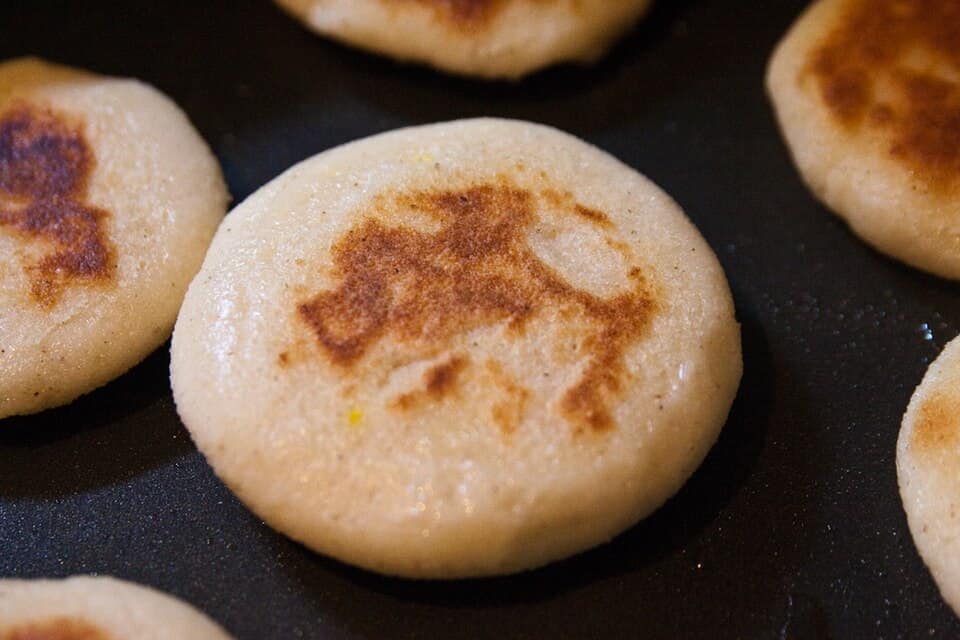
Arepas
 Venezuelan · 40 min · 348 kcal · Vegetarian
Arepa de queso (Colombian cheese arepa)
 Colombian · 40 min · 833 kcal · Vegetarian
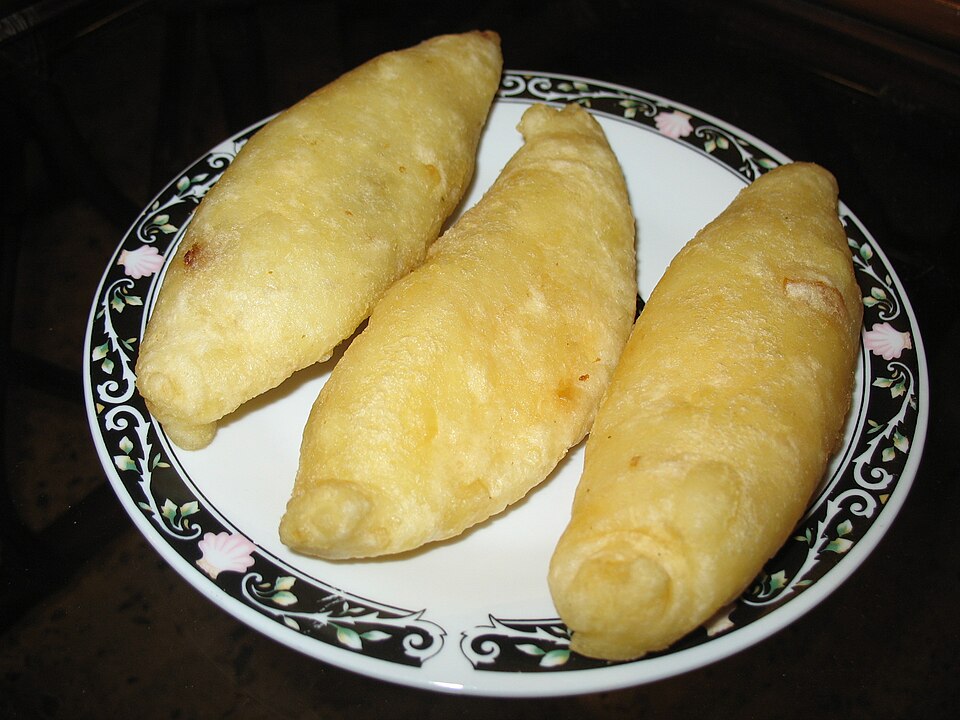
Carimañolas
 Panamanian · 1 h 25 min · 452 kcal
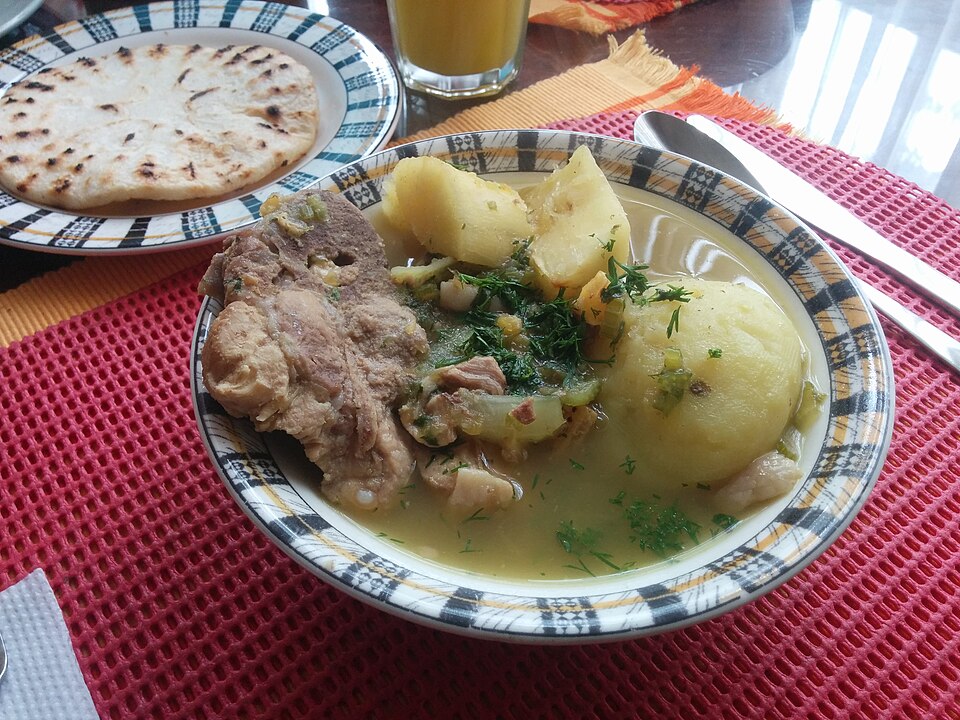
Sancocho
Caribbean · 1 h 45 min · 514 kcal