
 Czech · Sweets & confectionery
Štramberské uši (Štramberk spiced ears)
Contains egg (no meat or fish)
Štramberské uši
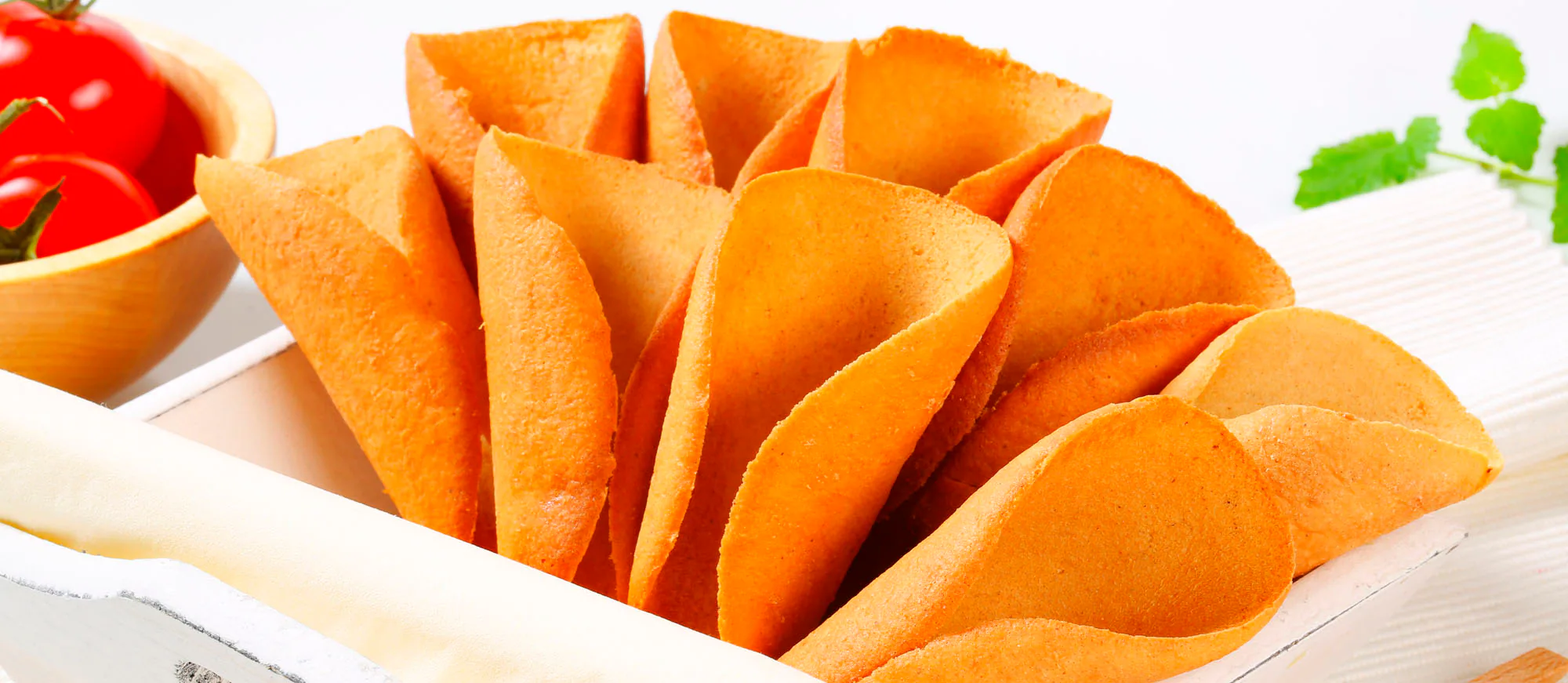
Thin honey-and-spice wafers flavoured with cinnamon, cloves, anise, star anise and fennel, baked briefly and rolled while still hot into small cones shaped like ears. Crisp, gently aromatic and pale brown, they are the protected speciality of the Moravian town of Štramberk.
Štramberské uši (Štramberk spiced ears) is a Czech sweet from Czechia, ready in about 2 hours 10 minutes and made with all-purpose flour, honey and cinnamon. It serves 12 and is rated advanced to cook.
- Prep
- 30 min
- Cook
- 40 min
- Rest
- 1 h
- Total
- 2 h 10 min
- Serves
- 12
- Level
- Advanced
- Calories
- 153
Main ingredients
Method
Step 1
Whisk the eggs (opens in a new tab) with the icing sugar (opens in a new tab) until pale, then stir in the warm honey (opens in a new tab) and lemon zest (opens in a new tab). Mix the flour with the baking powder (opens in a new tab) and all the ground spices and work it into the egg mixture to a smooth, firm dough, adding a few drops of water only if it is too stiff to roll.

How it looks · Photo: Kampus Production on Pexels Step 2
Wrap the dough and leave it to rest for at least 1 hour (or overnight) so the spices bloom and it rolls easily.
Step 3
Heat the oven (opens in a new tab) to 200 °C and grease the trays. Roll the dough very thinly, about 1 mm, and cut it into rounds or ovals about 8 cm across. Bake only 4–6 at a time, so you can roll them before they set.
Step 4
Bake for 3–4 minutes until light golden. Immediately lift each wafer with a spatula (opens in a new tab) and roll it into a small cone, pinching the narrow end, then stand it to cool. If they harden before you finish, return the tray to the oven (opens in a new tab) for 30 seconds.
Food safety: The wafers are very hot; wear thin cotton gloves or work with the spatula to protect your fingers.
Rolling around the handle of a wooden spoon or a cream-horn mould gives an even shape.
At a glance
 All-purpose flour
 Icing sugar
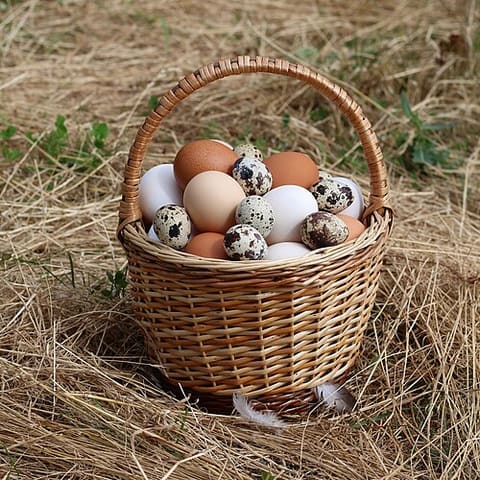 Egg
 Honey
 Baking powder
 Cinnamon
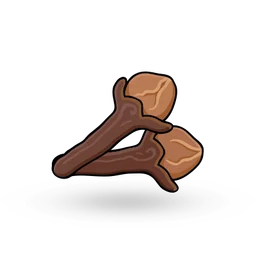 Cloves
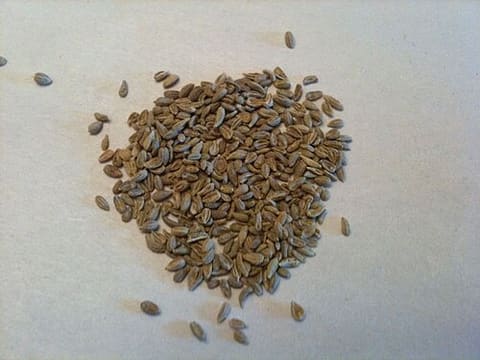 Anise seed
 Star anise / anise
 Fennel seeds
 Lemon zest
 Butter
About this dish
- Origin
- Štramberk, Moravia, Czechia · Well documentedProtected in the EU as a Protected Geographical Indication since 2007. Local legend links the shape to ears cut from Tatar raiders in 1241.More food from Czechia
Czechia - Dish
- Snack · Dessert · Sweets & confectionery · Pastries
- Cooking method
- Oven-baked
- Taste
- sweet, aromatic / warmly spiced
- Diet
- Vegetarian (lacto-ovo) · No nut ingredientsWithout the optional extras: Ovo-vegetarian, Dairy-freeWorked out from the ingredients. How labels work
All labels
Vegetarian (lacto-ovo) · Eggetarian · Pescatarian · Flexitarian-friendly · No nut ingredients · Alcohol-free · Pork-free · Beef-free · Low-fat · Low-sodium · DASH-style - Good for
- Festive & celebration · Make-ahead · Portable / lunchbox
- Cook more with
- All-purpose flour · Honey · Cinnamon · Icing sugar · Egg · Baking powder
- Techniques
- Baking
Allergens
- Contains, can be adapted: Milkfrom butter
- Contains: Eggsfrom egg
- Contains: Wheatfrom all-purpose flour, baking powder
- Contains: Glutenfrom all-purpose flour, baking powder
Based on typical versions of these ingredients and not verified allergen-free. Brands differ and cross-contact happens, so always check labels. For severe allergies, follow your clinician’s advice.
Nutrition
153 kcal per serving
Estimated1 serving ≈ 50 g · recipe makes 12
Where the energy comes from
- Protein 9%
- Carbohydrate 86%
- Fat 6%
| Nutrient | Per serving | Per 100 g* |
|---|---|---|
| Energy | 153 kcal | 307 kcal |
| Protein | 3.3 g | 6.5 g |
| Carbohydrate | 32.9 g | 65.9 g |
| Net carbohydrate | 32.2 g | 64.4 g |
| Sugars | 16.4 g | 32.9 g |
| Added sugars | 16.3 g | 32.8 g |
| Fibre | 0.8 g | 1.5 g |
| Fat | 1 g | 2.1 g |
| Saturated fat | 0.3 g | 0.6 g |
| Trans fat | — | — |
| Cholesterol | 31 mg | 62 mg |
| Sodium | 33 mg | 65 mg |
| Salt equivalent | 0.1 g | 0.2 g |
Vitamins & minerals per serving
- Potassium
- 41 mg
- Calcium
- 23 mg
- Iron
- 1.2 mg
- Magnesium
- 6 mg
- Vitamin A (RAE)
- 13 µg
- Vitamin C
- 0 mg
- Vitamin D
- 0.2 µg
- Vitamin B12
- 0.1 µg
- Folate (DFE)
- 65 µg
How these numbers were made
- Calculated from USDA FoodData Central (SR Legacy) per-100 g values and the listed quantities.
- *Per 100 g of combined raw ingredients; the cooked dish may weigh more or less.
- Optional ingredients are not included: butter.
- Star anise / anise: Anise seed (FDC 171316) used as a stand-in for star anise.
- “—” means the value isn’t known for enough of the ingredients; it is never zero by default.
- Values are estimates for guidance, not for medical dosing. U.S. Department of Agriculture, Agricultural Research Service. FoodData Central, 2019. fdc.nal.usda.gov.
Good to know
Tips
- They soften in humid air: store airtight as soon as they are cool.
- Uši are traditionally eaten plain; in Štramberk they are sometimes filled with whipped cream just before serving.
Common mistakes
- Baking a whole tray at once — the last wafers set flat before you can roll them.
Serve with
- Serve with coffee or tea, or fill with whipped cream as a dessert.
Storage
- Keeps 3–4 weeks in an airtight tin.
Variations
- Filled uši: Piped with whipped cream or chestnut cream just before serving.
History
According to Štramberk legend, the townspeople defeated a Tatar army in 1241 and found sacks of ears cut from slain Christians; the spiced 'ears' commemorate the event. They received EU protected geographical indication status in 2007.
Confidence: Commonly attributed
Original editorial recipe · FriendsPantry editorial · source: TasteAtlas (dish facts) · Not yet independently reviewed · Added
Recipe DNA
How this dish is built
Grouped by each ingredient’s role in the dish. Each band’s width is its share of the dish by weight. Choose a component to see what it does.
What the dish is built around
Main ingredient
- All-purpose flour250 g
- Egg2 piece · 100 g
- Lemon zest, finely grated1 tsp · 2 g
Reviews & corrections
Reviews come from signed-in cooks and appear after a moderator checks them. We never show made-up ratings.
You might also like
Pardubický perník (Pardubice gingerbread)
Czech · 2 h · 328 kcal · Contains egg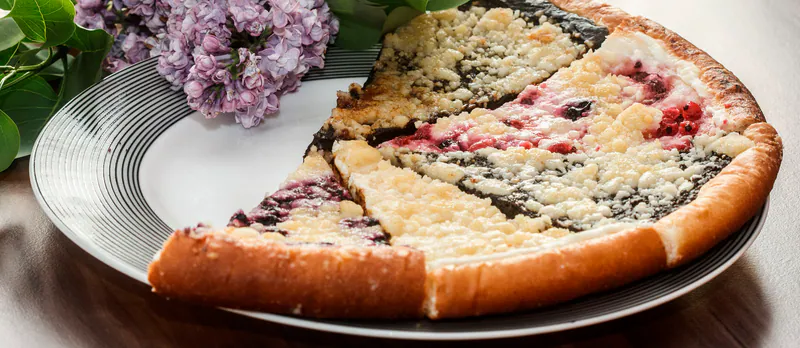
Valašský frgál (Wallachian topped yeast cake)
Czech · 3 h 5 min · 471 kcal · Contains egg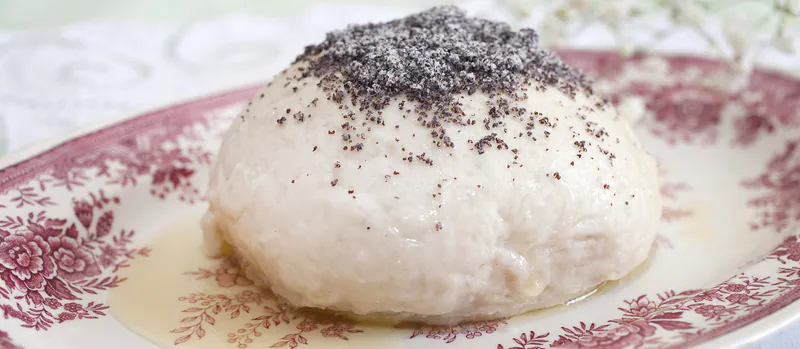
Germknödel (Austrian steamed plum-jam dumpling)
 Austrian · 2 h 15 min · 754 kcal · Contains egg
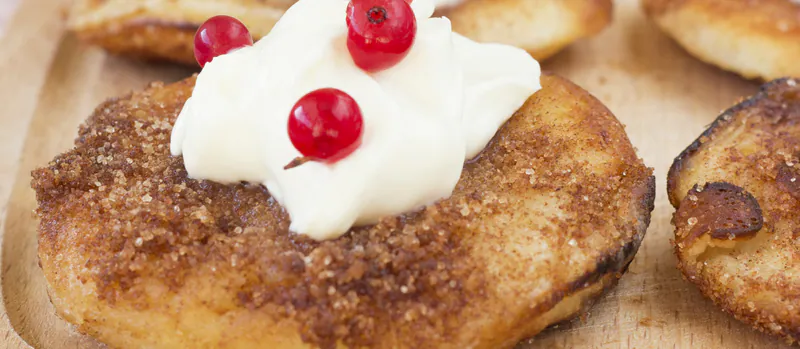
Lívance (Czech yeast pancakes)
Czech · 1 h 20 min · 543 kcal · Contains egg