
Sernik krakowski (Polish cheesecake)
Contains egg (no meat or fish)
Sernik krakowski
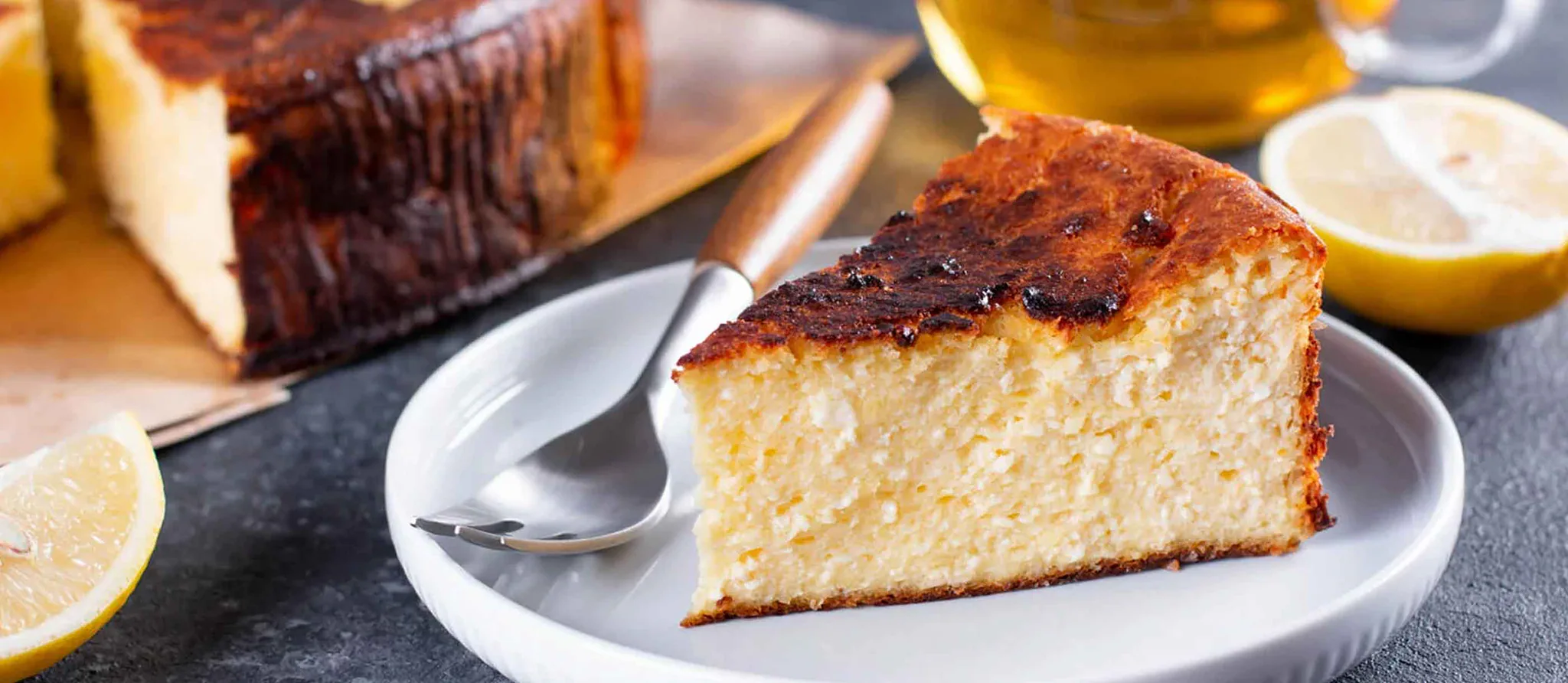
A tall, dense yet tender baked cheesecake of twaróg curd cheese, butter, eggs and vanilla on a short pastry base, with a pastry lattice on top and a few raisins and candied peel inside. The cake that appears on every Polish table at Easter and Christmas.
Sernik krakowski (Polish cheesecake) is a Polish cake from Poland, ready in about 6 hours 55 minutes and made with twaróg (polish curd cheese), butter and egg. It serves 12 and is rated intermediate to cook.
- Prep
- 40 min
- Cook
- 1 h 15 min
- Rest
- 5 h
- Total
- 6 h 55 min
- Serves
- 12
- Level
- Intermediate
- Calories
- 472
Main ingredients
Ingredients
For the pastry
For the filling
To finish
Method
Pastry
23 minStep 1
For the pastry, pulse the flour, cold butter (opens in a new tab), icing sugar (opens in a new tab) and baking powder (opens in a new tab) to crumbs, add the yolks and sour cream (opens in a new tab) and pulse just until it clumps. Press into a ball, take off a third, wrap both pieces and chill for 30 minutes (freeze the smaller piece).
Step 2
Heat the oven (opens in a new tab) to 180 °C. Roll or press the larger piece of pastry over the base of a 24 cm springform tin, prick with a fork and bake for 12–15 minutes until pale golden. Lower the oven to 170 °C.
Filling
1 h 19 minStep 3
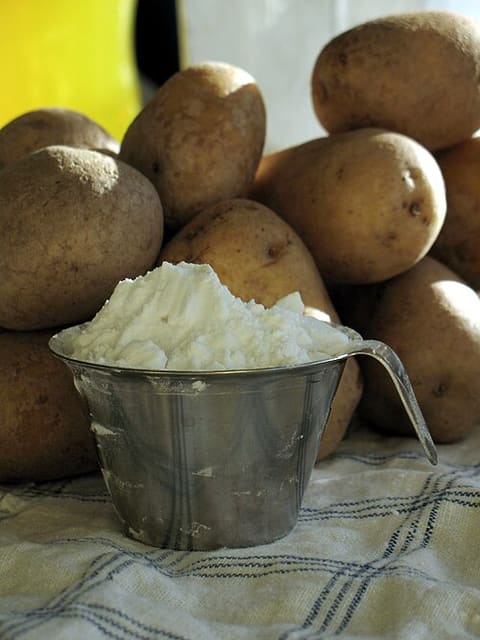
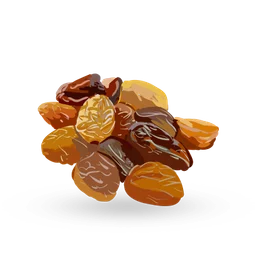
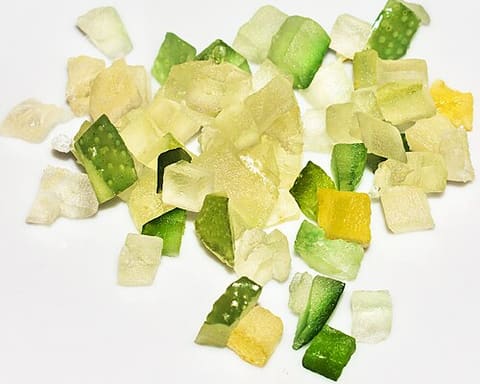
Beat the soft butter (opens in a new tab) with half the sugar (opens in a new tab) until pale. Add the egg yolks (opens in a new tab) one at a time, then the twaróg (opens in a new tab) in spoonfuls, the vanilla (opens in a new tab), lemon zest (opens in a new tab), potato starch (opens in a new tab) and cream, beating only until smooth. Fold in the raisins (opens in a new tab) and candied peel.
If you have no mincer, push the cheese through a fine sieve; it must be completely smooth.
Step 4
Whisk the egg (opens in a new tab) whites with a pinch of salt to soft peaks, then gradually add the remaining sugar (opens in a new tab) and whisk until glossy and firm. Fold into the cheese mixture in three additions, keeping it light.

How it looks · Photo: Kampus Production on Pexels Step 5
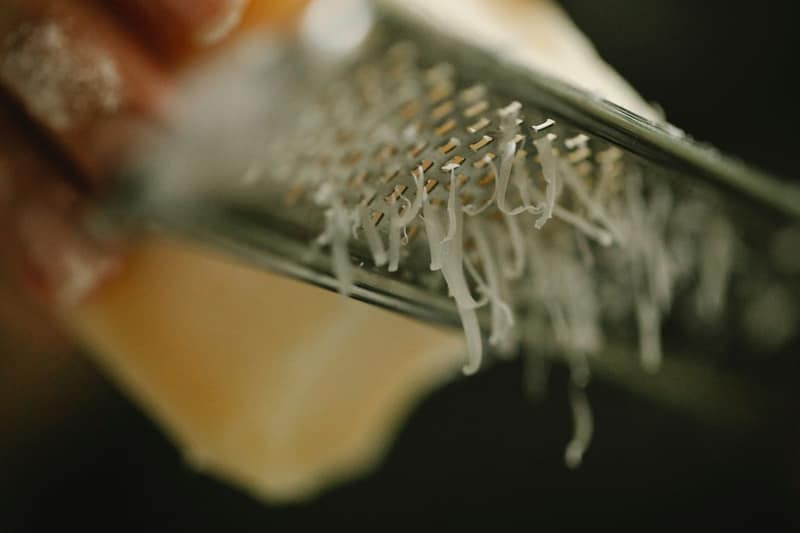
Pour the filling over the pastry base and smooth the top. Coarsely grate the frozen pastry over the surface, or roll it thinly and cut strips to lay on top in a lattice.
How it looks · Photo: Klaus Nielsen on Pexels Step 6
Bake at 170 °C for 60–70 minutes until risen and golden, with a slight wobble in the centre. Turn off the oven (opens in a new tab), prop the door ajar and leave the cheesecake inside for 1 hour to cool slowly.
- 60 min
- 170°C
- Oven (opens in a new tab)
Slow cooling stops the top cracking and sinking.
To finish
Step 7
Cool completely, then chill for at least 4 hours or overnight. Dust with icing sugar (opens in a new tab) before slicing.
At a glance
1 · Pastry in a bowl
 All-purpose flour
 Butter
 Icing sugar
 Egg yolk
 Sour cream
 Baking powder
then beat
2 · Filling in a bowl
 Twaróg (Polish curd cheese)
- Butter
 Sugar
 Egg
 Vanilla extract
 Potato starch
 Heavy cream
 Lemon zest
 Raisins
 Candied mixed peel
 Salt
then cool
3 · To finish in a bowl
- Icing sugar
About this dish
- Origin
- Kraków, Lesser Poland, Poland · Commonly attributedCurd-cheese bakes have a long history in Polish, Jewish and wider Central European kitchens. Legend links sernik to King Jan III Sobieski's return from Vienna in 1683. The Kraków style with a pastry lattice is the best known; the Viennese style (sernik wiedeński) has no crust.More food from Poland
Poland - Dish
- Dessert · Snack · Cakes · Desserts
- Cooking method
- Oven-baked, Whipped
- Taste
- creamy, sweet, tangy, buttery
- Diet
- Vegetarian (lacto-ovo) · No nut ingredientsWorked out from the ingredients. How labels work
All labels
Vegetarian (lacto-ovo) · Eggetarian · Pescatarian · Flexitarian-friendly · No nut ingredients · Pork-free · Beef-free · Calorie-conscious - Good for
- Festive & celebration · Make-ahead
- Cook more with
- Twaróg (Polish curd cheese) · Butter · Egg · All-purpose flour · Icing sugar · Egg yolk
- Techniques
- Baking · Emulsification · Fermentation
Allergens
- Contains: Milkfrom butter, sour cream, twaróg (polish curd cheese), heavy cream
- Contains: Eggsfrom egg yolk, egg
- Contains: Wheatfrom all-purpose flour, baking powder
- Contains: Glutenfrom all-purpose flour, baking powder
- May contain: Sulphitesfrom raisins, candied mixed peel
Based on typical versions of these ingredients and not verified allergen-free. Brands differ and cross-contact happens, so always check labels. For severe allergies, follow your clinician’s advice.
Nutrition
472 kcal per serving
Estimated1 serving ≈ 184 g · recipe makes 12
Where the energy comes from
- Protein 13%
- Carbohydrate 36%
- Fat 51%
| Nutrient | Per serving | Per 100 g* |
|---|---|---|
| Energy | 472 kcal | 257 kcal |
| Protein | 15.1 g | 8.2 g |
| Carbohydrate | 43.2 g | 23.5 g |
| Net carbohydrate | 42.4 g | 23.1 g |
| Sugars | 24.4 g | 13.3 g |
| Added sugars | 21.6 g | 11.8 g |
| Fibre | 0.7 g | 0.4 g |
| Fat | 26.7 g | 14.5 g |
| Saturated fat | 15.1 g | 8.2 g |
| Trans fat | — | — |
| Cholesterol | 177 mg | 97 mg |
| Sodium | 465 mg | 253 mg |
| Salt equivalent | 1.2 g | 0.6 g |
Vitamins & minerals per serving
- Potassium
- 182 mg
- Calcium
- 112 mg
- Iron
- 1.5 mg
- Magnesium
- 17 mg
- Vitamin A (RAE)
- 253 µg
- Vitamin C
- 0 mg
- Vitamin D
- 0.8 µg
- Vitamin B12
- 0.7 µg
- Folate (DFE)
- 86 µg
How these numbers were made
- Calculated from USDA FoodData Central (SR Legacy) per-100 g values and the listed quantities.
- *Per 100 g of combined raw ingredients; the cooked dish may weigh more or less.
- Optional ingredients are not included: raisins, candied mixed peel, icing sugar.
- Twaróg (Polish curd cheese): Creamed cottage cheese used as a stand-in; twaróg is a dry, crumbly fresh curd cheese similar to quark or farmer's cheese, usually a little lower in moisture.
- Potato starch: Potato flour (FDC 168446) used as a stand-in; pure potato starch has slightly more carbohydrate and almost no protein or fibre.
- “—” means the value isn’t known for enough of the ingredients; it is never zero by default.
- Values are estimates for guidance, not for medical dosing. U.S. Department of Agriculture, Agricultural Research Service. FoodData Central, 2019. fdc.nal.usda.gov.
Good to know
Tips
- Twaróg sold in Polish shops as 'ser sernikowy' is already minced and ready to use.
- Have every ingredient at room temperature so the filling stays smooth.
Common mistakes
- Using wet curd cheese without pressing it, which makes a soggy, weeping cake.
- Over-beating after adding the cheese, which works in air that collapses in the oven.
Serve with
- Serve with coffee or tea; it is often eaten slightly chilled.
Storage
- Keeps 5 days covered in the fridge; freezes well for 2 months.
Variations
- Sernik wiedeński: Viennese-style cheesecake without a pastry base, often topped with a chocolate glaze.
- Sernik na zimno: An unbaked cheesecake set with gelatine, often topped with fruit jelly.
- Sernik z brzoskwiniami: Baked with canned peach halves pressed into the filling.
Original editorial recipe · FriendsPantry editorial · source: TasteAtlas (dish facts) · Not yet independently reviewed · Added
Recipe DNA
How this dish is built
Built from the recipe’s own sections. Each band’s width is its share of the dish by weight. Choose a component to see what it does.
Structure
For the pastry
- All-purpose flour250 g
- Butter, cold, diced125 g
- Icing sugar60 g
- Egg yolk2 piece · 34 g
- Sour cream1 tbsp · 15 g
- Baking powder0.5 tsp · 2.2 g
Reviews & corrections
Reviews come from signed-in cooks and appear after a moderator checks them. We never show made-up ratings.
You might also like
New York cheesecake
 American · 7 h 45 min · 527 kcal · Contains egg
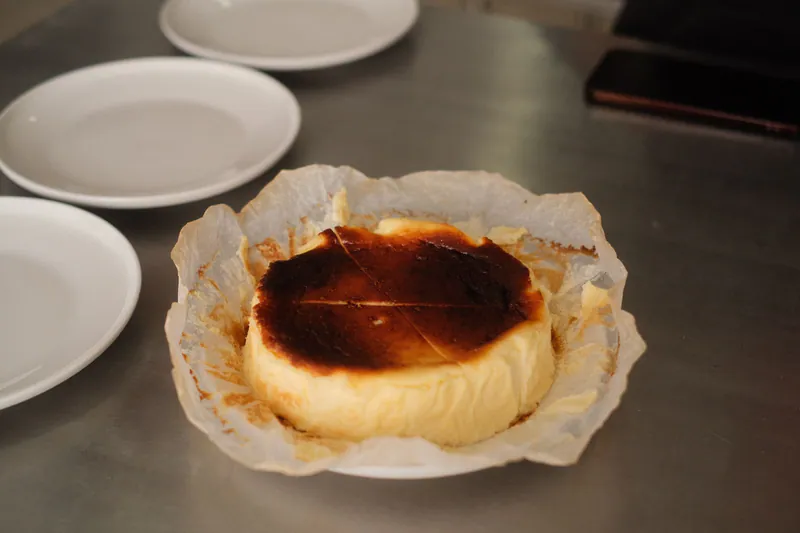
Basque burnt cheesecake
 Spanish · 4 h 10 min · 494 kcal · Contains egg
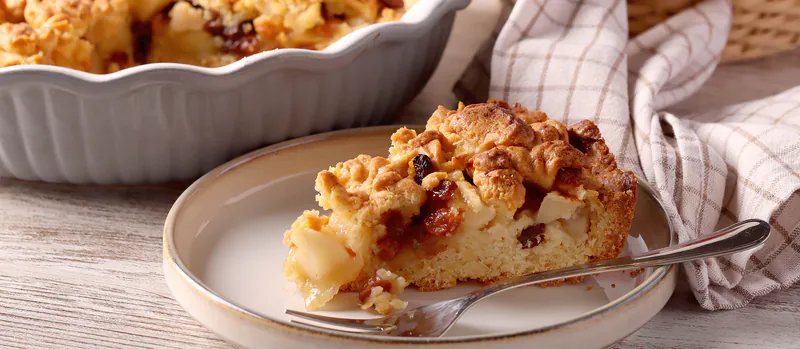
Szarlotka (Polish apple cake)
 Polish · 2 h 45 min · 451 kcal · Contains egg
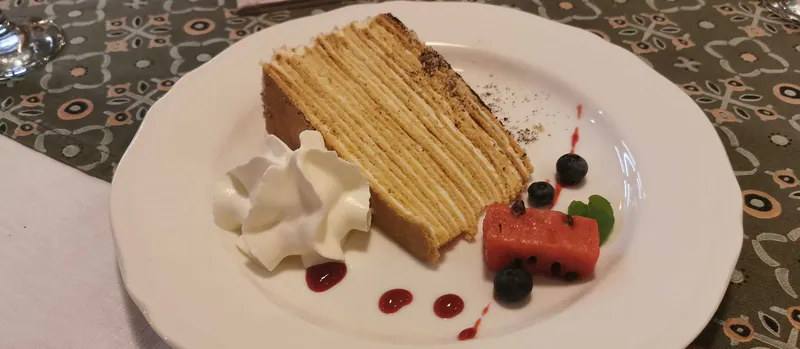
Marcinek (Podlasie layered sour cream cake)
Polish · 14 h 30 min · 467 kcal