
 South Indian · Indian · Curries
Sambar
Vegetarian
சாம்பார்
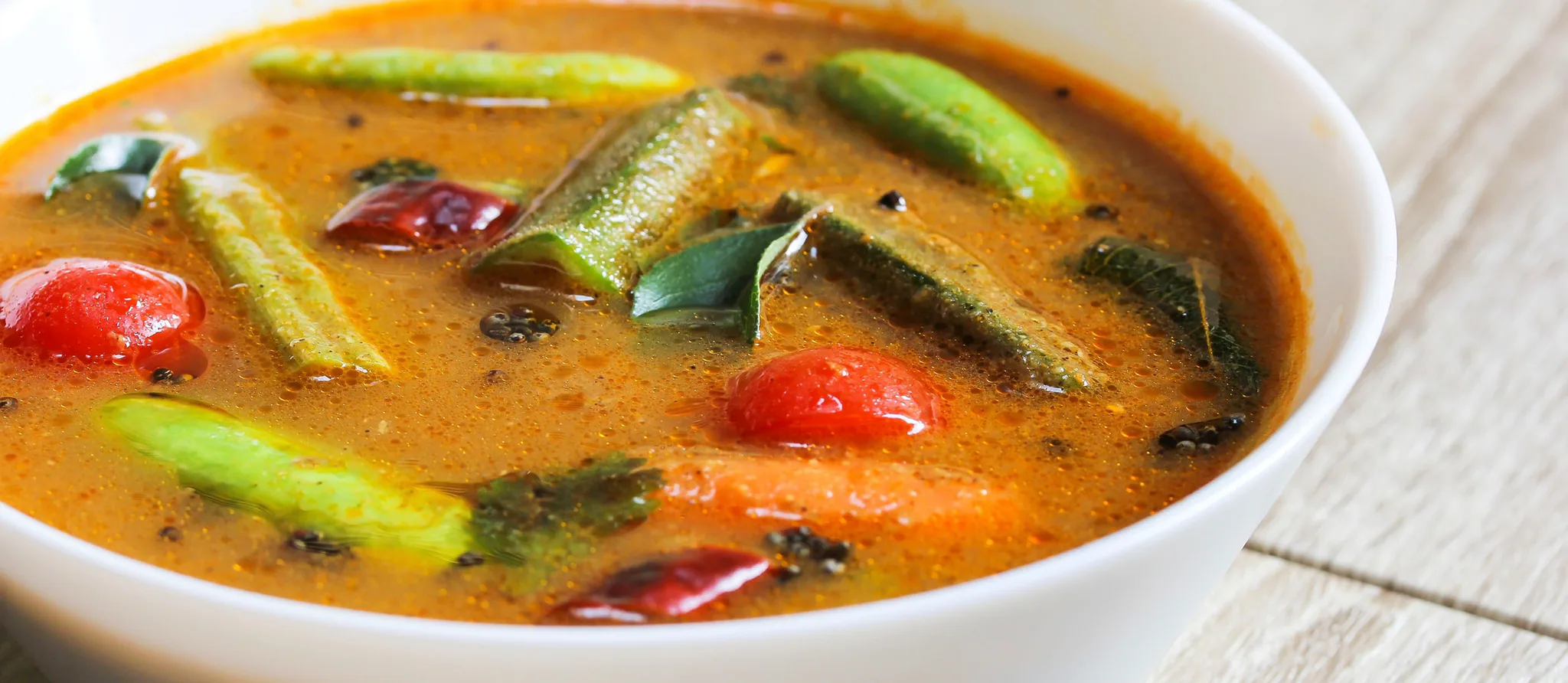
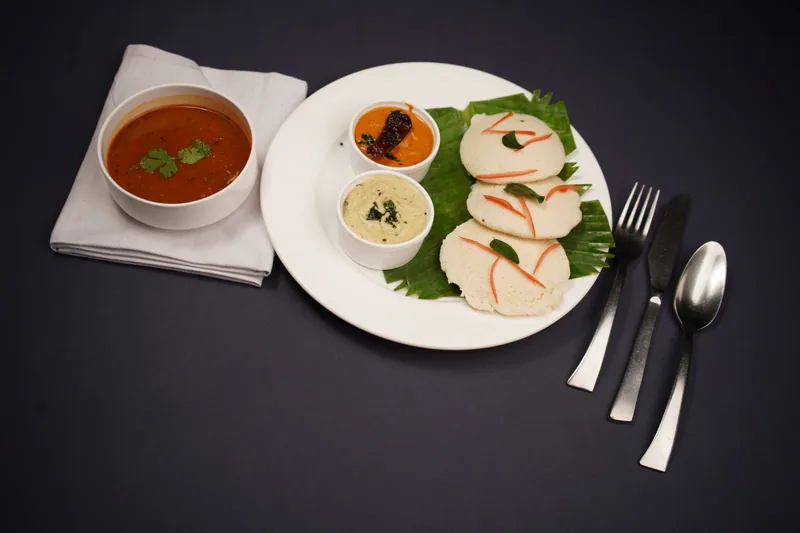
South India's everyday lentil and vegetable stew: toor dal simmered with tamarind, mixed vegetables and a roasted sambar spice blend, finished with a mustard-seed and curry-leaf tempering.
Sambar is a South Indian curry, ready in about 1 hour and made with toor dal (split pigeon peas) and tamarind paste. It serves 6 and is rated easy to cook.
- Prep
- 15 min
- Cook
- 45 min
- Total
- 1 h
- Serves
- 6
- Level
- Easy
- Calories
- 192
Main ingredients





Ingredients
Sambar powder
For the tadka
Method
Sambar powder
50 minStep 1
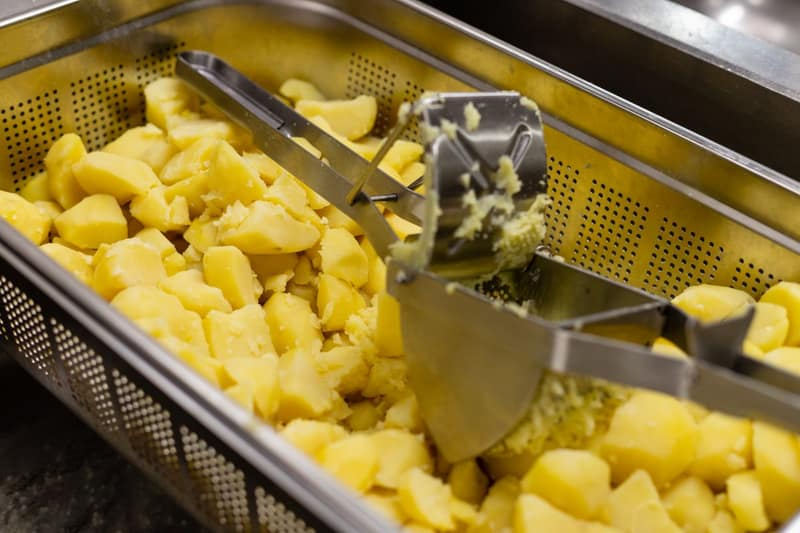
Cook the dal with 450 ml of the water and the turmeric (opens in a new tab) until completely soft (3–4 whistles in a pressure cooker (opens in a new tab), or 35–40 minutes in a pot). Mash smooth.
- 25 min
- medium heat
- Pressure cooker (opens in a new tab)
How it looks · Photo: Mateusz Feliksik on Pexels Step 2
For the sambar powder, dry-roast the coriander, chillies, fenugreek (opens in a new tab), cumin (opens in a new tab) and pepper (opens in a new tab) until fragrant and a shade darker. Cool and grind finely.
- 5 min
- medium-low heat
- Frying pan / skillet (opens in a new tab)
Step 3
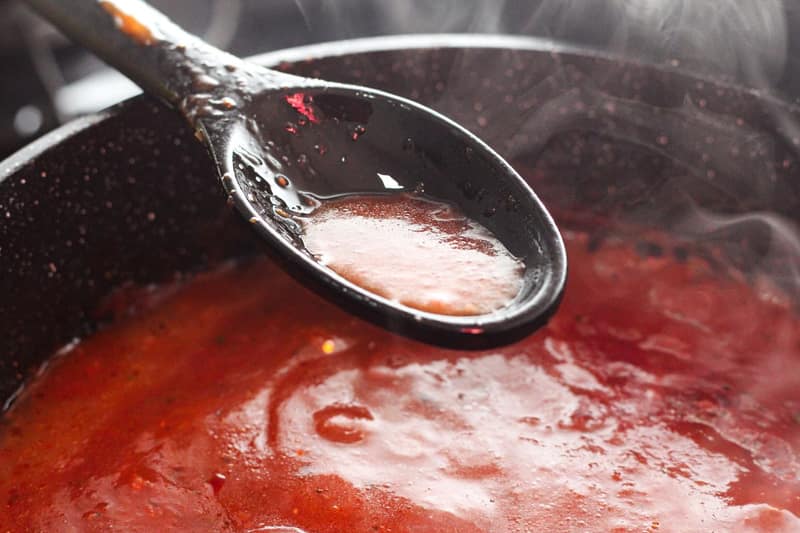
Simmer the shallots (opens in a new tab), tomato (opens in a new tab), aubergine (opens in a new tab), carrot (opens in a new tab), pumpkin (opens in a new tab) and green chillies in the remaining water with the tamarind and salt until the vegetables are just tender.
- 12 min
- medium heat
- Saucepan (opens in a new tab)
How it looks · Photo: Nanda Mends on Pexels Step 4
Stir in the sambar powder and the mashed dal (and jaggery if using) and simmer until it thickens to a pourable stew.
- 8 min
- medium-low heat
Tadka
1 minStep 5
Heat the oil, pop the mustard seeds (opens in a new tab), then add the dried chillies, curry leaves (opens in a new tab) and asafoetida (opens in a new tab). Pour over the sambar and scatter with coriander.
- 1 min
- medium heat

How it looks · Photo: Klaus Nielsen on Pexels
At a glance
1 · Sambar powder in a pan
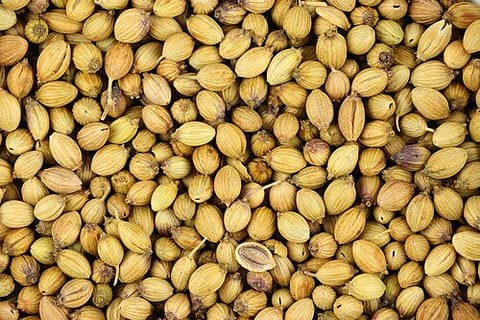 Ground coriander
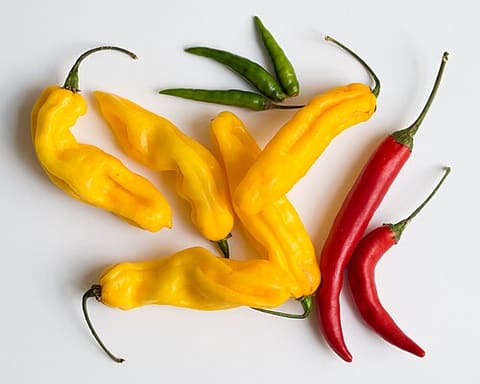 Dried whole chillies
 Fenugreek
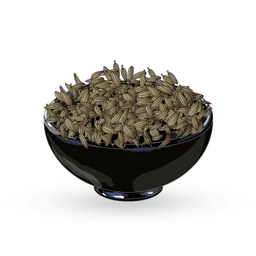 Cumin
 Black pepper
then heat
2 · Tadka in a pan
 Neutral vegetable oil
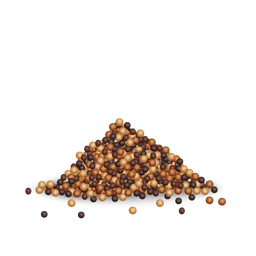 Mustard seeds
- Dried whole chillies
 Curry leaves
 Asafoetida
About this dish
- Origin
- Tamil Nadu, India · Commonly attributedEaten throughout South India with many regional styles; it is most often associated with Tamil Nadu. Stories crediting the Thanjavur Maratha court are popular but not well documented.Also popular in Sri Lanka, Singapore, MalaysiaMore food from India
India - Dish
- Breakfast · Lunch · Dinner · Curries · Side dishes
- Cooking method
- Pressure-cooked, Simmered
- Taste
- tangy, savoury, spicy (chilli heat), aromatic / warmly spiced
- Diet
- Vegan · Dairy-free · No nut ingredients · High-fibreWithout the optional extras: No added sugarWorked out from the ingredients. How labels work
All labels
Vegan · Plant-based · Vegetarian (lacto-ovo) · Eggetarian · Lacto-vegetarian · Ovo-vegetarian · Pescatarian · Flexitarian-friendly · Dairy-free · Egg-free · No nut ingredients · Alcohol-free · Pork-free · Beef-free · High-fibre · Low-fat · Carb-conscious - Good for
- Everyday · Budget-friendly · Make-ahead · Batch cooking
- Cook more with
- Toor dal (split pigeon peas) · Tamarind paste · Turmeric · Shallot · Tomato · Eggplant
- Techniques
- Simmering · Pressure cooking · Spice roasting (dry-roasting)
Allergens
- May contain: Wheatfrom asafoetida
- May contain: Glutenfrom asafoetida
- Contains: Mustardfrom mustard seeds
Based on typical versions of these ingredients and not verified allergen-free. Brands differ and cross-contact happens, so always check labels. For severe allergies, follow your clinician’s advice.
Nutrition
192 kcal per serving
Estimated1 serving ≈ 345 g · recipe makes 6
Where the energy comes from
- Protein 16%
- Carbohydrate 64%
- Fat 21%
| Nutrient | Per serving | Per 100 g* |
|---|---|---|
| Energy | 192 kcal | 56 kcal |
| Protein | 8 g | 2.3 g |
| Carbohydrate | 32.7 g | 9.5 g |
| Net carbohydrate | 24.8 g | 7.2 g |
| Sugars | — | — |
| Added sugars | 0 g | 0 g |
| Fibre | 8 g | 2.3 g |
| Fat | 4.7 g | 1.4 g |
| Saturated fat | 0.4 g | 0.1 g |
| Trans fat | 0 g | 0 g |
| Cholesterol | 0 mg | 0 mg |
| Sodium | 607 mg | 176 mg |
| Salt equivalent | 1.5 g | 0.4 g |
Vitamins & minerals per serving
- Potassium
- 827 mg
- Calcium
- 98 mg
- Iron
- 3.1 mg
- Magnesium
- 83 mg
- Vitamin A (RAE)
- 224 µg
- Vitamin C
- 15 mg
- Vitamin D
- 0 µg
- Vitamin B12
- 0 µg
- Folate (DFE)
- 146 µg
How these numbers were made
- Calculated from USDA FoodData Central (SR Legacy) per-100 g values and the listed quantities.
- *Per 100 g of combined raw ingredients; the cooked dish may weigh more or less.
- Optional ingredients are not included: jaggery / palm sugar, coriander leaves.
- Not counted (tiny amounts or “to taste”): curry leaves, asafoetida.
- Tamarind paste: Raw tamarind pulp (FDC 167763). Commercial concentrates vary in water content.
- “—” means the value isn’t known for enough of the ingredients; it is never zero by default.
- Values are estimates for guidance, not for medical dosing. U.S. Department of Agriculture, Agricultural Research Service. FoodData Central, 2019. fdc.nal.usda.gov.
Good to know
Tips
- Shop-bought sambar powder works fine: use about 2 tbsp in place of the roasted spices.
Common mistakes
- Adding tamarind to the dal before the vegetables cook — acid slows down softening.
Storage
- Keeps 3 days refrigerated; freezes well.
Reheating
- Thin with water and bring to a simmer.
Original editorial recipe · FriendsPantry editorial · Not yet independently reviewed · Added
Recipe DNA
How this dish is built
Built from the recipe’s own sections. Each band’s width is its share of the dish by weight. Choose a component to see what it does.
Masalas in this recipe
Make the masala first, then come back to finish the dish.
Dry spice blend
Sambar powder
This recipe roasts and grinds it from whole spices (25 g for 6 servings). The full masala recipe explains each step in detail.
Reviews & corrections
Reviews come from signed-in cooks and appear after a moderator checks them. We never show made-up ratings.
You might also like
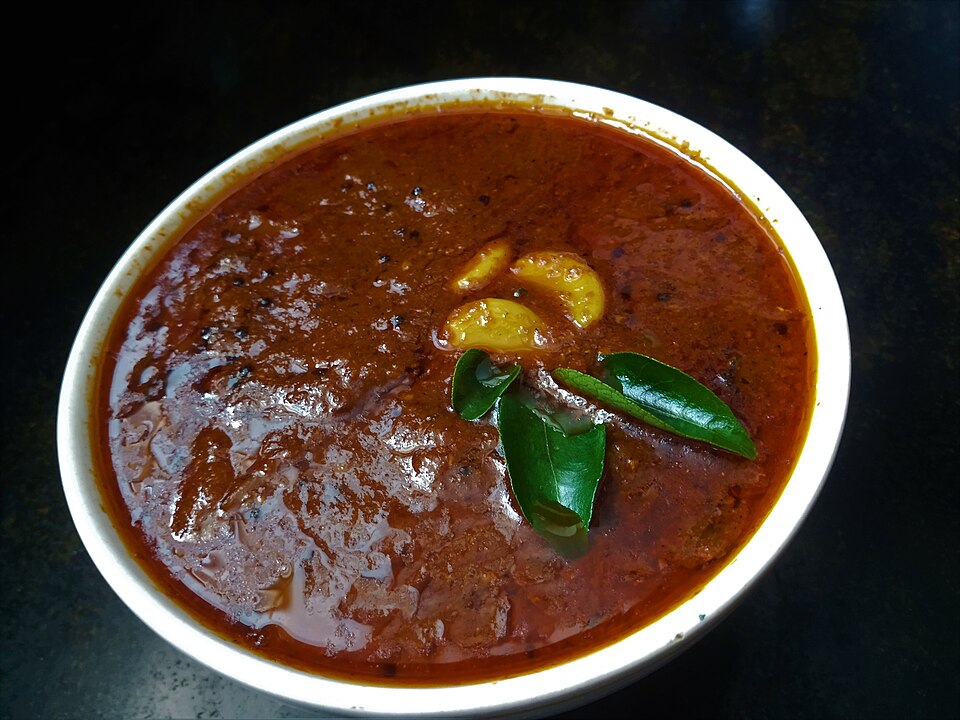
Kara kuzhambu
South Indian · 45 min · 186 kcal · Vegan
Tomato rasam
South Indian · 55 min · 87 kcal · Vegetarian
Pineapple rasam
South Indian · 45 min · 105 kcal · Vegetarian
Bassaru
South Indian · 55 min · 177 kcal · Vegan