
 Indian · Gujarati · Street food
Ragda pattice (white pea curry with potato patties)
Vegetarian
रगड़ा पेटिस · ragḍā peṭis
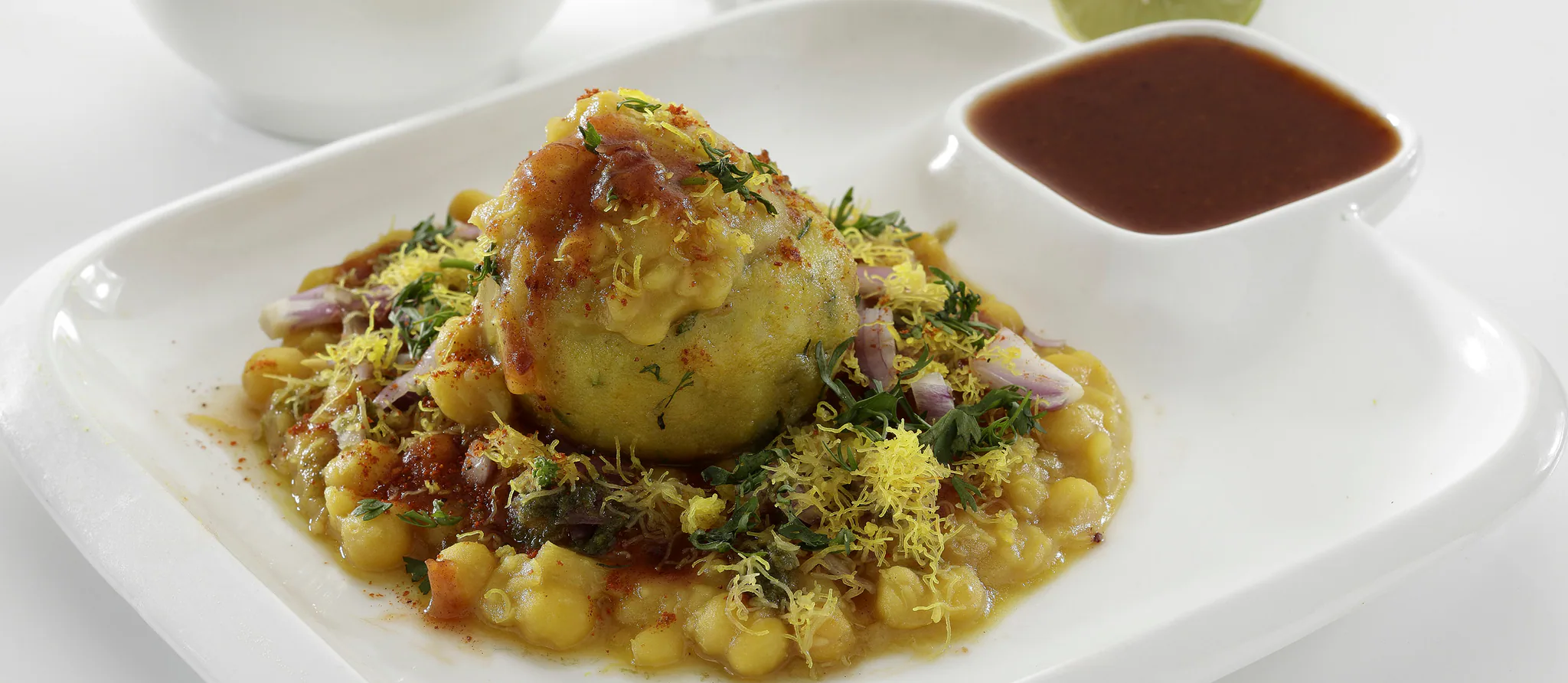
Crisp, golden potato patties sitting in a pool of spiced dried white pea stew, piled with sweet tamarind chutney, green chutney, raw onion, coriander and crunchy sev. A filling Mumbai street-food chaat.
Ragda pattice (white pea curry with potato patties) is an Indian street food, ready in about 1 hour 30 minutes and made with dried white peas (safed matar), potato and sev (fine gram-flour noodles). It serves 4 and is rated intermediate to cook.
- Prep
- 40 min
- Cook
- 50 min
- Total
- 1 h 30 min
- Serves
- 4
- Level
- Intermediate
- Calories
- 686
Plus overnight soaking of the white peas.
Main ingredients

Ingredients
For the ragda
For the pattice
For the sweet chutney
For the green chutney
To serve
Method
Ragda
32 minStep 1
Drain the peas and pressure-cook them with the water, turmeric (opens in a new tab) and ½ tsp of the salt for 4–5 whistles (about 15 minutes), or simmer in a covered pot for about 1 hour, until soft enough to crush between your fingers but still holding their shape.
- 20 min
- medium-high heat
- Pressure cooker (opens in a new tab)
Step 2
Heat 2 tbsp oil in a saucepan (opens in a new tab), add the cumin seeds (opens in a new tab) and let them sizzle, then the asafoetida (opens in a new tab), ginger and green chillies. Stir in the chilli powder, ground coriander (opens in a new tab) and garam masala (opens in a new tab), then tip in the cooked peas with their liquid. Lightly mash some of the peas, add the tamarind (opens in a new tab) and remaining salt, and simmer for 10 minutes into a thick, pourable stew.
- 12 min
- medium-low heat
- Saucepan (opens in a new tab)
How it looks · Photo: Mateusz Feliksik on Pexels
Sweet chutney
12 minStep 3
For the sweet chutney, simmer the strained tamarind (opens in a new tab) with the jaggery, cumin (opens in a new tab), chilli powder and salt for 8–10 minutes until syrupy. For the green chutney, blend the coriander, mint (opens in a new tab), chillies, lemon juice (opens in a new tab) and salt with 2 tbsp water until smooth.
Pattice
22 minStep 4
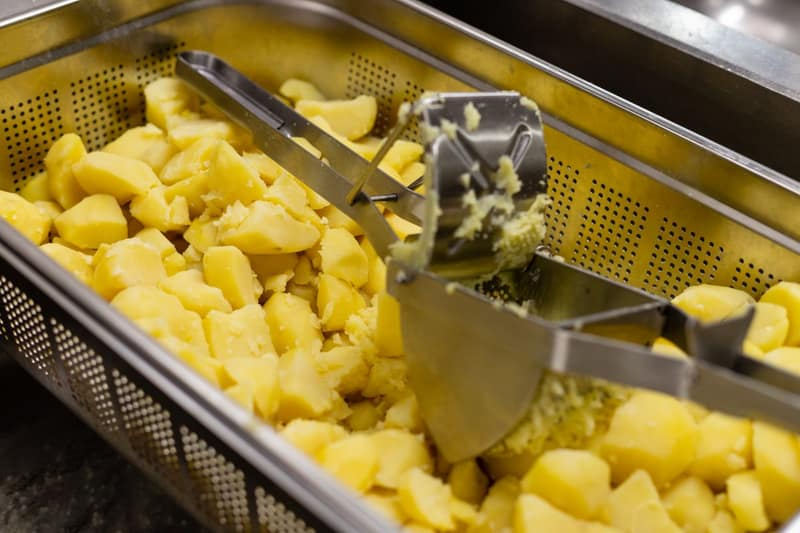
Mix the mashed potatoes (opens in a new tab) with the chopped chilli, ginger, coriander, cornflour (opens in a new tab) and salt. Divide into 8 balls and flatten into 1.5 cm thick patties. Dust each with rice flour (opens in a new tab).
Step 5
Heat the oil in a frying pan over medium heat and shallow-fry the patties for 4–5 minutes a side until deep golden and crisp. Drain on paper.
Food safety: Never leave hot oil unattended; keep the pan's handle turned inwards and lower food in gently, away from you.
To serve
4 minStep 6
To serve, put 2 patties on each plate and ladle hot ragda around and over them. Drizzle with both chutneys, then scatter with onion (opens in a new tab), sev (opens in a new tab), coriander and a pinch of chaat masala (opens in a new tab). Eat at once.
- 4 min
How it looks · Photo: Klaus Nielsen on Pexels
At a glance
1 · Ragda in a pan
 Dried white peas (safed matar)
 Turmeric
 Neutral vegetable oil
 Cumin seeds
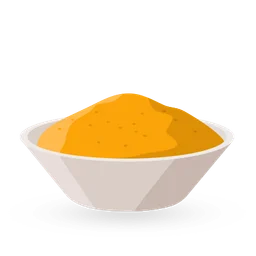 Asafoetida
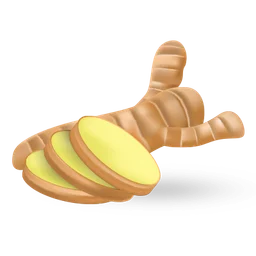 Fresh ginger
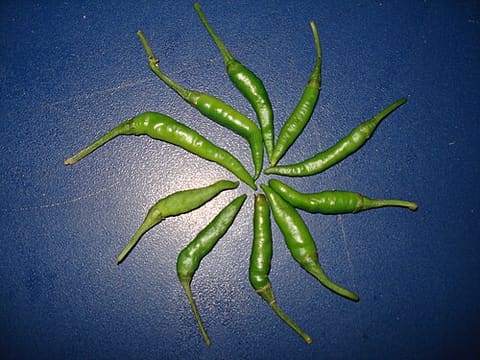 Green chilli
- Cayenne / chilli powder
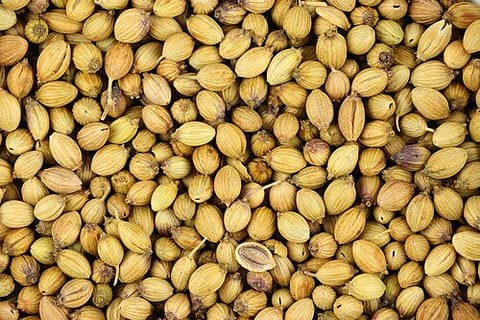 Ground coriander
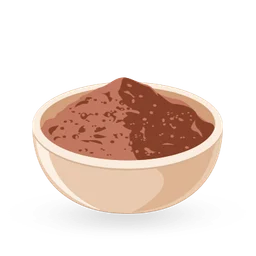 Garam masala
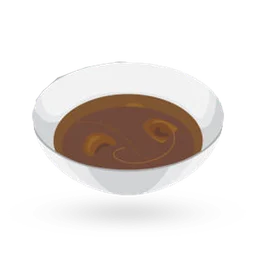 Tamarind paste
 Salt
then simmer
2 · Sweet chutney in a pan
 Tamarind
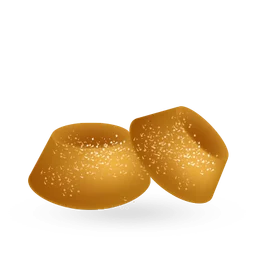 Jaggery / palm sugar
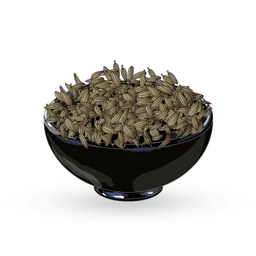 Cumin
- Cayenne / chilli powder
- Salt
then mix
3 · Pattice in a pan
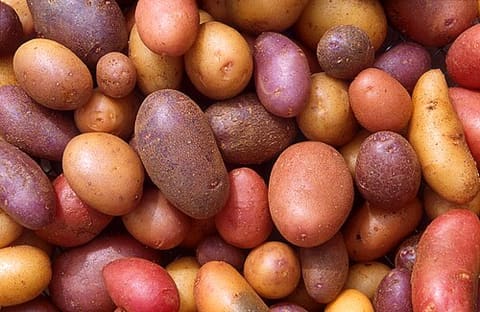 Potato
- Green chilli
- Fresh ginger
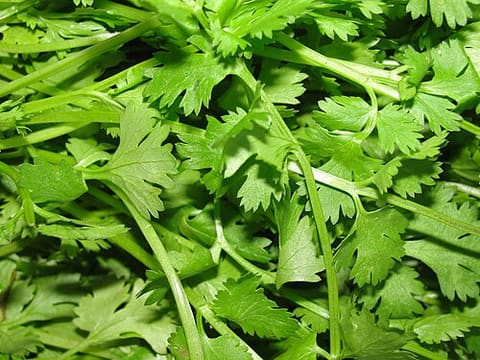 Coriander leaves
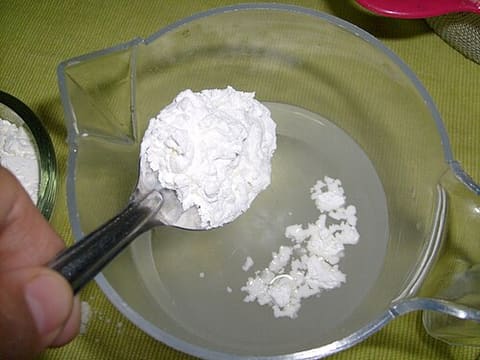 Cornstarch
- Salt
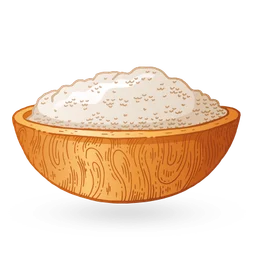 Rice flour
- Neutral vegetable oil
then put
4 · To serve in a pot
 Onion
 Sev (fine gram-flour noodles)
- Coriander leaves
 Chaat masala
About this dish
- Origin
- Mumbai (Maharashtra), Maharashtra, India · Well documentedA fixture of Mumbai beach and station stalls since the mid 20th century; Gujarati vendors popularised it, and it is equally loved in Gujarat.More food from India
India - Dish
- Snack · Dinner · Street food · Main courses
- Cooking method
- Pressure-cooked, Shallow-fried, Simmered, Blended
- Taste
- sweet & sour, spicy (chilli heat), tangy, savoury
- Diet
- Vegan · Dairy-free · No nut ingredients · High-proteinWorked out from the ingredients. How labels work
All labels
Vegan · Plant-based · Vegetarian (lacto-ovo) · Eggetarian · Lacto-vegetarian · Ovo-vegetarian · Pescatarian · Flexitarian-friendly · Dairy-free · Egg-free · No nut ingredients · Alcohol-free · Pork-free · Beef-free · High-protein - Good for
- Street food · Budget-friendly · Make-ahead
- Cook more with
- Dried white peas (safed matar) · Potato · Sev (fine gram-flour noodles) · Turmeric · Cumin seeds · Asafoetida
- Techniques
- Shallow-frying · Simmering · Pressure cooking · Wet grinding · Reduction
Allergens
- May contain: Wheatfrom asafoetida, chaat masala
- May contain: Glutenfrom asafoetida, chaat masala
Based on typical versions of these ingredients and not verified allergen-free. Brands differ and cross-contact happens, so always check labels. For severe allergies, follow your clinician’s advice.
Nutrition
686 kcal per serving
Estimated1 serving ≈ 595 g · recipe makes 4
Where the energy comes from
- Protein 12%
- Carbohydrate 65%
- Fat 23%
| Nutrient | Per serving | Per 100 g* |
|---|---|---|
| Energy | 686 kcal | 115 kcal |
| Protein | 20.9 g | 3.5 g |
| Carbohydrate | 114.6 g | 19.3 g |
| Net carbohydrate | 94.7 g | 15.9 g |
| Sugars | 31 g | 5.2 g |
| Added sugars | 19.4 g | 3.3 g |
| Fibre | 19.9 g | 3.3 g |
| Fat | 18.4 g | 3.1 g |
| Saturated fat | 1.6 g | 0.3 g |
| Trans fat | — | — |
| Cholesterol | 0 mg | 0 mg |
| Sodium | 1652 mg | 278 mg |
| Salt equivalent | 4.1 g | 0.7 g |
Vitamins & minerals per serving
- Potassium
- 1655 mg
- Calcium
- 147 mg
- Iron
- 7.1 mg
- Magnesium
- 141 mg
- Vitamin A (RAE)
- 80 µg
- Vitamin C
- 67 mg
- Vitamin D
- 0 µg
- Vitamin B12
- 0 µg
- Folate (DFE)
- 125 µg
How these numbers were made
- Calculated from USDA FoodData Central (SR Legacy) per-100 g values and the listed quantities.
- *Per 100 g of combined raw ingredients; the cooked dish may weigh more or less.
- Optional ingredients are not included: tamarind paste.
- Not counted (tiny amounts or “to taste”): asafoetida.
- Dried white peas (safed matar): Dried green split peas used as a stand-in; whole dried white (yellow) peas have essentially the same composition.
- Garam masala: Curry powder (FDC 170924) used as a stand-in; both are ground blends of similar dried spices used in teaspoon amounts.
- Jaggery / palm sugar: Brown sugar (FDC 168833) used as a stand-in for unrefined cane jaggery and palm sugar.
- Sev (fine gram-flour noodles): Chickpea flour (FDC 174288) used as a stand-in for the dough; sev is deep-fried, so fat and energy are substantially understated.
- Chaat masala: Curry powder (FDC 170924) used as a stand-in for the tangy blend of amchur, black salt, cumin and pepper; real chaat masala also carries a lot of salt, so sodium is understated.
- “—” means the value isn’t known for enough of the ingredients; it is never zero by default.
- Values are estimates for guidance, not for medical dosing. U.S. Department of Agriculture, Agricultural Research Service. FoodData Central, 2019. fdc.nal.usda.gov.
Good to know
Tips
- Mash the potatoes while warm and let them cool before shaping; cold mash holds together far better.
- Street vendors keep the patties warm on the edge of a big flat tawa; a low oven does the same job.
Common mistakes
- Undercooking the peas, which stay chalky; they should be creamy inside.
- Adding the sev too early — it goes soggy within minutes.
Serve with
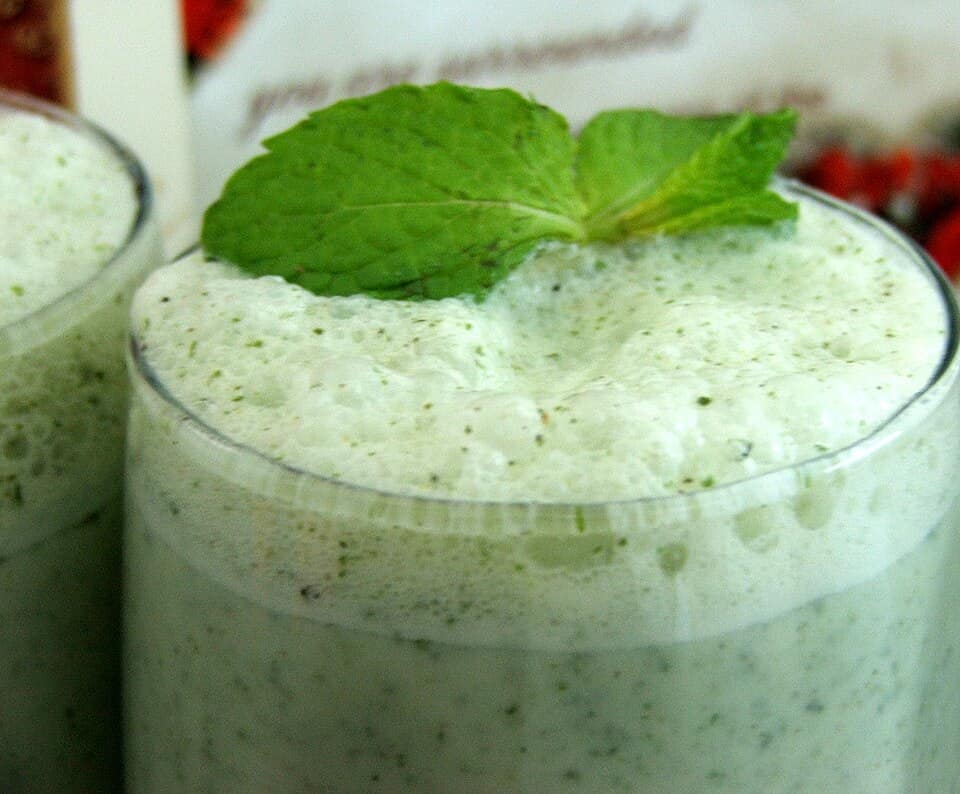
- Serve with extra chutneys and lemon wedges; follow with a glass of masala chaas.
Food safety
- Cool the ragda quickly and refrigerate within 2 hours; reheat until piping hot throughout.
- Never leave hot oil unattended; keep the pan's handle turned inwards and lower food in gently, away from you.
Storage
- Ragda, patties and chutneys keep separately for 3 days refrigerated; the green chutney is best within 2 days.
Reheating
- Reheat the ragda with a splash of water until bubbling; crisp the patties again in a hot pan.
Variations
- Ragda pav: The ragda served with buttered, toasted pav buns instead of patties.
- Ragda samosa: Broken samosas take the place of the patties under the ragda and chutneys.
Original editorial recipe · FriendsPantry editorial · source: TasteAtlas (dish facts) · Not yet independently reviewed · Added
Recipe DNA
How this dish is built
Built from the recipe’s own sections. Each band’s width is its share of the dish by weight. Choose a component to see what it does.
Accompaniments
To serve
- Onion, finely chopped1 piece · 110 g
- Sev (fine gram-flour noodles)60 g
- Coriander leaves, chopped10 g
- Chaat masala1 tsp · 2.5 g
Masalas in this recipe
Make the masala first, then come back to finish the dish.
Dry spice blend
Chaat masala
This recipe uses 1 tsp (2.5 g for 4 servings).
Dry spice blend
Punjabi garam masala
This recipe uses 1 tsp (2.1 g for 4 servings).
Also: Bengali garam masala, Kerala (Malabar) garam masala, Mughlai (shahi) garam masala
Reviews & corrections
Reviews come from signed-in cooks and appear after a moderator checks them. We never show made-up ratings.
You might also like
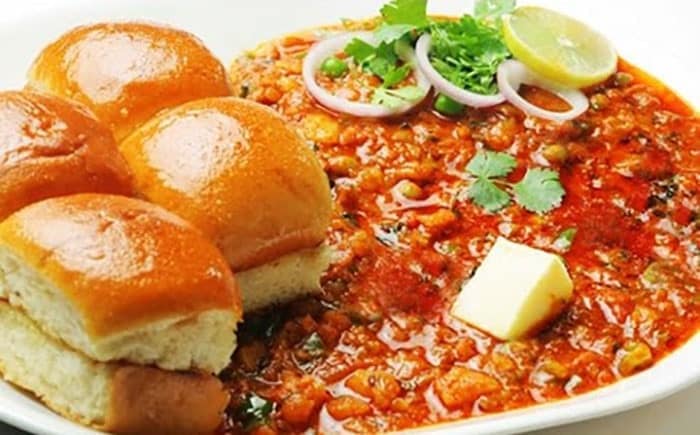
Pav bhaji
Indian · 1 h · 541 kcal · Vegetarian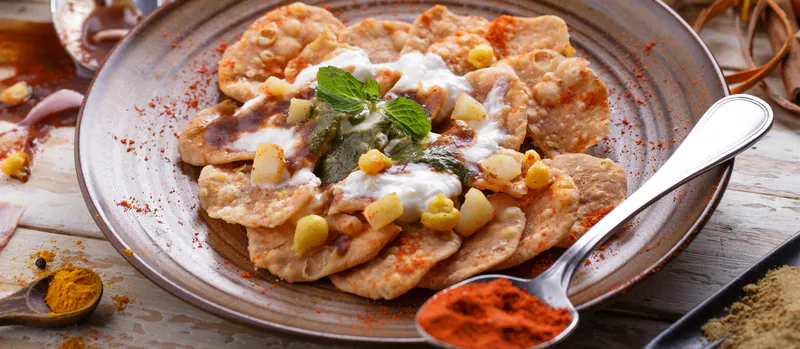
Papri chaat (Delhi wafer chaat)
Indian · 1 h 45 min · 602 kcal · Vegetarian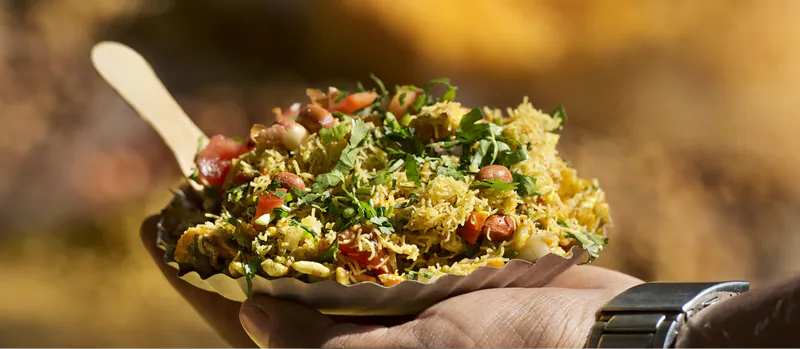
Bhel puri
Indian · 45 min · 445 kcal · Vegan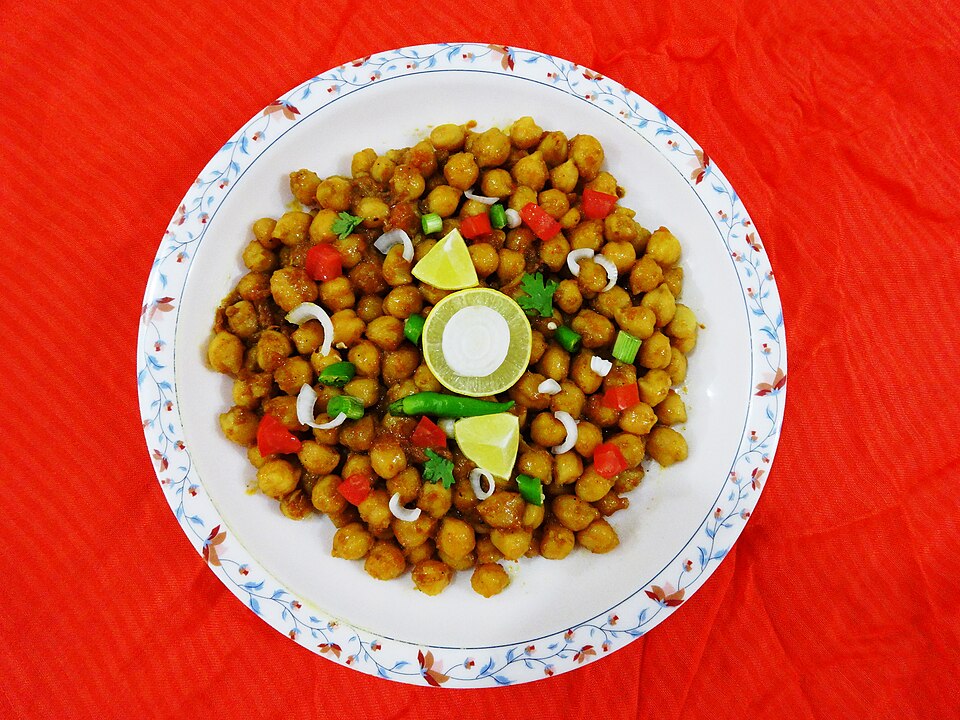
Chana chaat
Indian · 15 min · 215 kcal · Vegan