
 Peruvian · Sweets & confectionery
Picarones (Peruvian squash and sweet potato doughnuts)
Vegetarian
Picarones
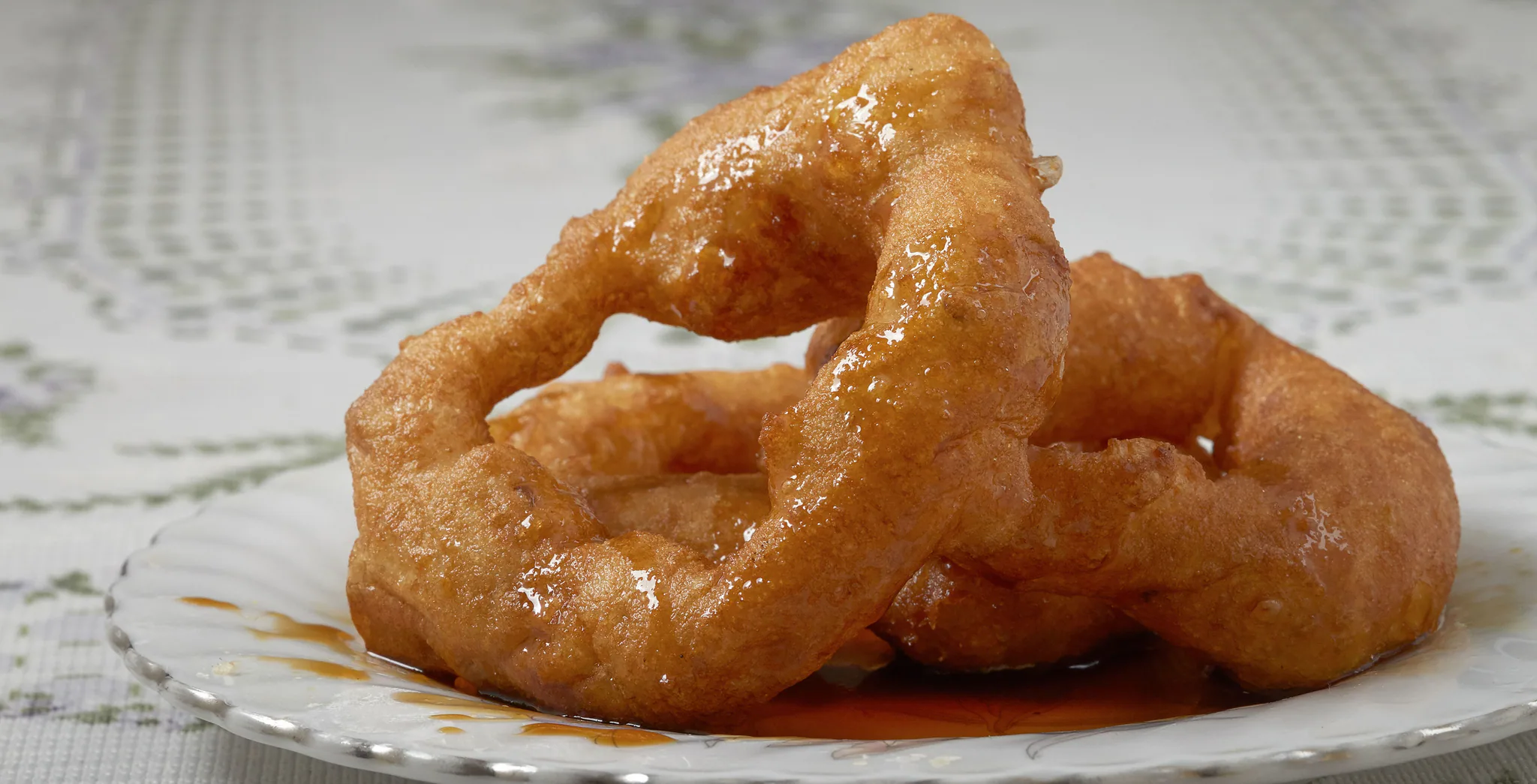
Light, chewy rings of yeasted dough made with puréed squash and sweet potato and the spiced water they were boiled in, deep-fried and drenched in a dark syrup of chancaca, orange and spices. A beloved Lima street sweet, shaped by hand straight into the oil.
Picarones (Peruvian squash and sweet potato doughnuts) is a Peruvian sweet, ready in about 3 hours and made with butternut squash, sweet potato and brown sugar. It serves 6 and is rated advanced to cook.
- Prep
- 30 min
- Cook
- 1 h
- Rest
- 1 h 30 min
- Total
- 3 h
- Serves
- 6
- Level
- Advanced
- Calories
- 719
Main ingredients

Ingredients
For the dough
For frying
For the syrup
Method
Dough
47 minStep 1
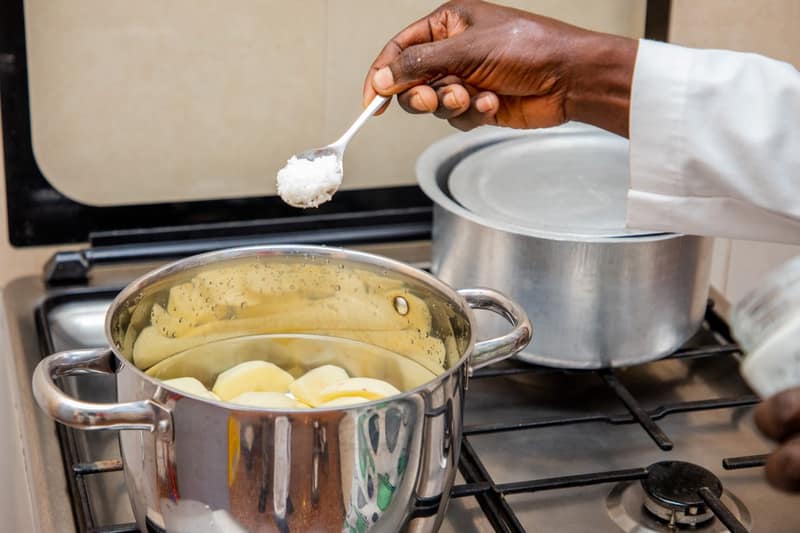
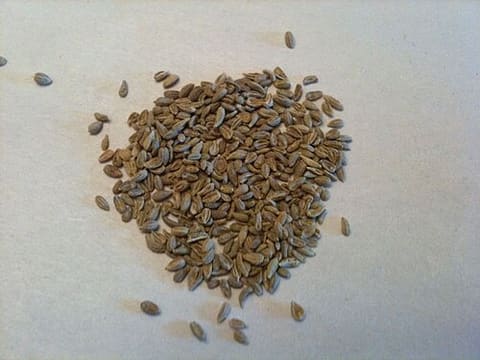
Boil the water with the anise, cinnamon and cloves (opens in a new tab) for 5 minutes. Add the squash and sweet potato (opens in a new tab) and simmer until very soft, 15–20 minutes. Lift out the vegetables, then strain and keep the spiced cooking water; let it cool until lukewarm.
- 25 min
- medium heat
- Saucepan (opens in a new tab)
How it looks · Photo: Lionel Ntasano on Pexels Step 2
Purée the squash and sweet potato (opens in a new tab) until completely smooth. Mix 120 ml of the lukewarm spiced water with the yeast and sugar (opens in a new tab) and leave until foamy, about 10 minutes.
Step 3
In a large bowl combine the purée, yeast mixture, salt and flour. Beat with your hand or a wooden spoon for 8–10 minutes, adding spoonfuls of spiced water, until you have a very soft, elastic, sticky dough that stretches in long strands.
Beating develops the gluten that gives picarones their chew; the dough should be softer than bread dough, almost a batter.
Step 4
Cover and leave in a warm place until doubled and full of bubbles, 1½–2 hours.
Syrup
20 minStep 5
Meanwhile make the syrup: simmer the chancaca, sugar (opens in a new tab), water, orange (opens in a new tab) peel and juice, cinnamon, cloves (opens in a new tab) and anise, stirring until the sugar dissolves, then for 15–20 minutes until it thickens to a pourable syrup like runny honey. Strain and keep warm.
- 20 min
- medium-low heat
- Saucepan (opens in a new tab)
Food safety: Boiling sugar burns badly; keep children away and do not touch or taste it.
Frying
27 minStep 6
Heat the oil in a deep heavy pot to 180 °C. Keep a bowl of salted water nearby. Wet your hands, pull off a golf-ball piece of dough, poke your thumb through it to make a ring and stretch it quickly as you drop it into the oil. Fry 3–4 at a time, turning with a skewer or slotted spoon (opens in a new tab), until deep golden, about 2 minutes per side. Drain on paper.
- 25 min
- 180°C
- medium-high heat
- Dutch oven / casserole pot (opens in a new tab)
- Food thermometer (opens in a new tab)
- Slotted spoon (opens in a new tab)
Food safety: Never leave hot oil unattended; keep the pan's handle turned inwards and lower food in gently, away from you.
The irregular shape is part of the charm; it gets neater with practice.
Step 7
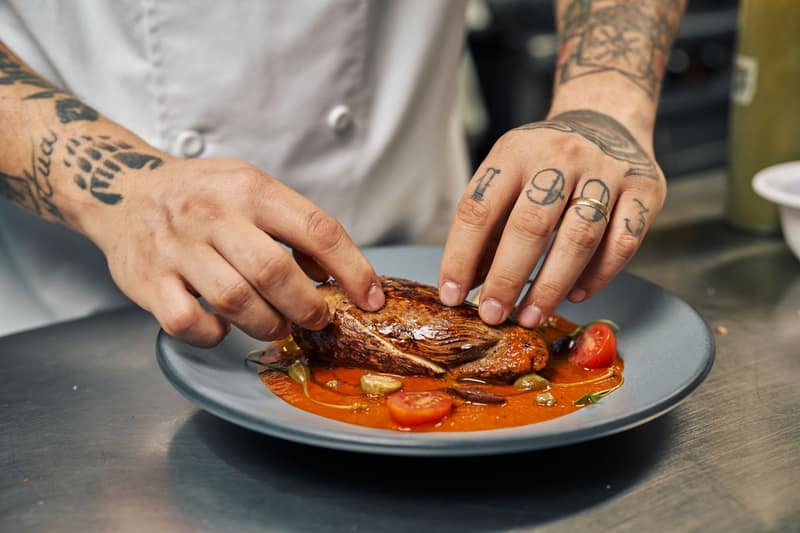
Serve hot, three or four per plate, generously drizzled with the warm syrup.
- 2 min
How it looks · Photo: Willians Huerta on Pexels
At a glance
1 · Dough in a bowl
 Anise seed
 Cinnamon stick
 Cloves
 Butternut squash
 Sweet potato
 Instant yeast
 Sugar
 All-purpose flour
 Salt
then make
2 · Syrup in a pot
 Brown sugar
- Sugar
 Orange
- Cinnamon stick
- Cloves
- Anise seed
then heat
3 · Frying in a pan
 Neutral vegetable oil
About this dish
- Origin
- Lima, Peru · Commonly attributedBelieved to date from the colonial viceroyalty, when cooks adapted Spanish buñuelos using local squash and sweet potato instead of wheat-heavy dough.Also popular in ChileMore food from Peru
Peru - Dish
- Snack · Dessert · Sweets & confectionery · Street food · Desserts · Fried dough & doughnuts
- Cooking method
- Boiled, Deep-fried
- Taste
- sweet, aromatic / warmly spiced, citrusy
- Diet
- Vegan · Dairy-free · No nut ingredientsWorked out from the ingredients. How labels work
All labels
Vegan · Plant-based · Vegetarian (lacto-ovo) · Eggetarian · Lacto-vegetarian · Ovo-vegetarian · Pescatarian · Flexitarian-friendly · Dairy-free · Egg-free · No nut ingredients · Alcohol-free · Pork-free · Beef-free · Low-sodium · DASH-style - Good for
- Street food · Festive & celebration
- Cook more with
- Butternut squash · Sweet potato · Brown sugar · Anise seed · Cinnamon stick · Cloves
- Techniques
- Deep-frying · Boiling · Simmering · Fermentation
Allergens
- Contains: Wheatfrom all-purpose flour
- Contains: Glutenfrom all-purpose flour
Based on typical versions of these ingredients and not verified allergen-free. Brands differ and cross-contact happens, so always check labels. For severe allergies, follow your clinician’s advice.
Nutrition
719 kcal per serving
Calculated1 serving ≈ 486 g · recipe makes 6
Where the energy comes from
- Protein 5%
- Carbohydrate 75%
- Fat 20%
| Nutrient | Per serving | Per 100 g* |
|---|---|---|
| Energy | 719 kcal | 148 kcal |
| Protein | 9.8 g | 2 g |
| Carbohydrate | 136.5 g | 28.1 g |
| Net carbohydrate | 130.8 g | 26.9 g |
| Sugars | 65.9 g | 13.6 g |
| Added sugars | 61 g | 12.5 g |
| Fibre | 5.7 g | 1.2 g |
| Fat | 16.1 g | 3.3 g |
| Saturated fat | 1.3 g | 0.3 g |
| Trans fat | — | — |
| Cholesterol | 0 mg | 0 mg |
| Sodium | 240 mg | 49 mg |
| Salt equivalent | 0.6 g | 0.1 g |
Vitamins & minerals per serving
- Potassium
- 506 mg
- Calcium
- 135 mg
- Iron
- 4.9 mg
- Magnesium
- 56 mg
- Vitamin A (RAE)
- 520 µg
- Vitamin C
- 22 mg
- Vitamin D
- 0 µg
- Vitamin B12
- 0 µg
- Folate (DFE)
- 269 µg
How these numbers were made
- Calculated from USDA FoodData Central (SR Legacy) per-100 g values and the listed quantities.
- *Per 100 g of combined raw ingredients; the cooked dish may weigh more or less.
- Optional ingredients are not included: anise seed.
- “—” means the value isn’t known for enough of the ingredients; it is never zero by default.
- Values are estimates for guidance, not for medical dosing. U.S. Department of Agriculture, Agricultural Research Service. FoodData Central, 2019. fdc.nal.usda.gov.
Good to know
Tips
- Dip your hands in salted water before each picarón; it stops the dough sticking and seasons it lightly.
- If the rings are too hard to shape, use two spoons dipped in water to drop rough fritters instead.
Common mistakes
- Making the dough too stiff with extra flour, which gives heavy, bready picarones.
- Frying in oil that is not hot enough, so they soak up oil.
Serve with
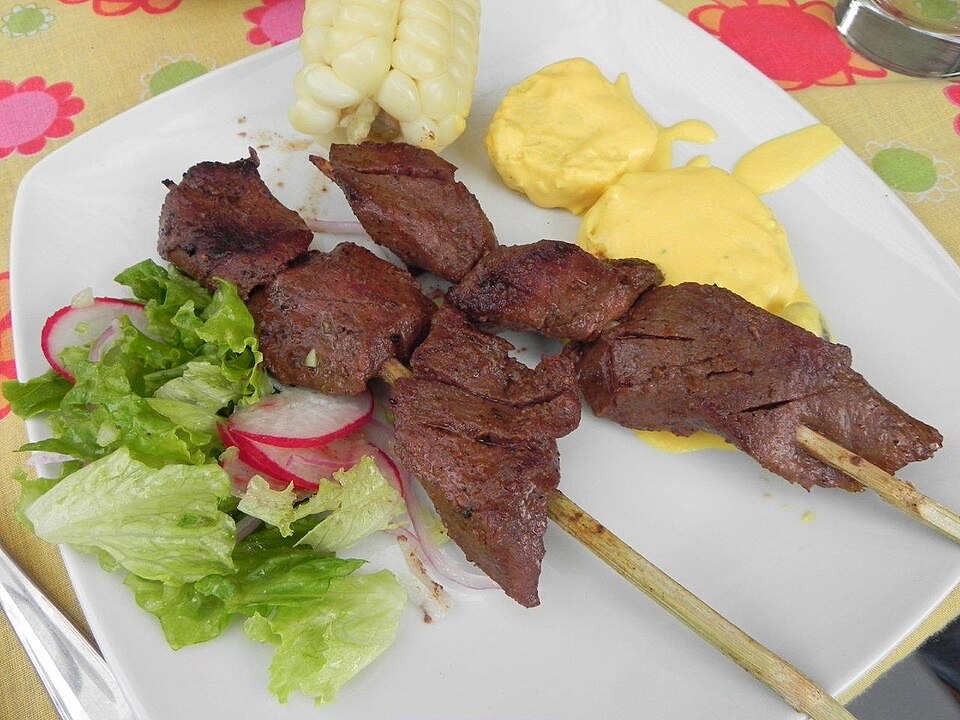
- Eat hot with plenty of syrup, perhaps after anticuchos at a Lima street stall.
Food safety
- Never leave hot oil unattended; keep the pan's handle turned inwards and lower food in gently, away from you.
Storage
- Best eaten freshly fried. The syrup keeps 1 month refrigerated.
Reheating
- Re-crisp in a 200 °C oven for 5 minutes; they are never quite as good as fresh.
Variations
- Picarones de camote: Made with sweet potato only.
- Picarones chilenos (Chile): In Chile, similar squash fritters are called sopaipillas pasadas when soaked in chancaca syrup.
History
Picarones were sold by Afro-Peruvian street vendors in colonial Lima, and the October procession of the Señor de los Milagros is still the busiest season for picaroneras.
Confidence: Commonly attributed
Original editorial recipe · FriendsPantry editorial · source: TasteAtlas (dish facts) · Not yet independently reviewed · Added
Recipe DNA
How this dish is built
Built from the recipe’s own sections. Each band’s width is its share of the dish by weight. Choose a component to see what it does.
The body of the dish
For the syrup
- Brown sugar300 g
- Sugar50 g
- Water350 ml · 350 g
- Orange, peel in wide strips, plus the juice of half1 piece · 130 g
- Cinnamon stick1 piece · 3 g
- Cloves4 piece · 0.4 g
- Anise seed (optional)0.5 tsp · 1.1 g
Reviews & corrections
Reviews come from signed-in cooks and appear after a moderator checks them. We never show made-up ratings.
You might also like
Churros con chocolate
 Spanish · 55 min · 683 kcal · Vegetarian
Lomo saltado
Peruvian · 50 min · 447 kcal
Turrón de Doña Pepa
Peruvian · 5 h 50 min · 376 kcal · Contains egg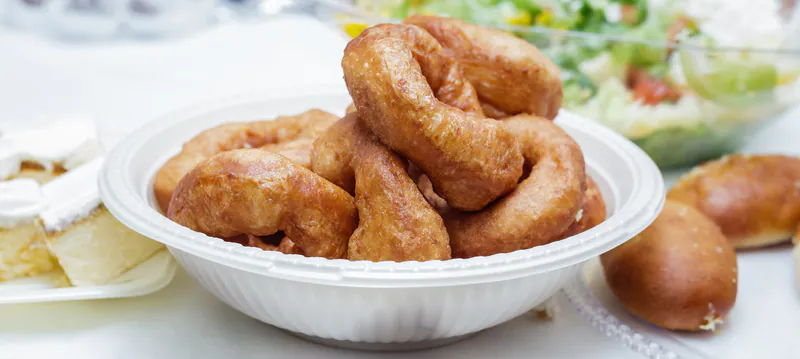
Khfaf (Algerian sfenj doughnut rings)
 Algerian · 2 h 45 min · 428 kcal · Vegetarian