
Pastissada de caval (Veronese horse meat stew)
Non-vegetarian
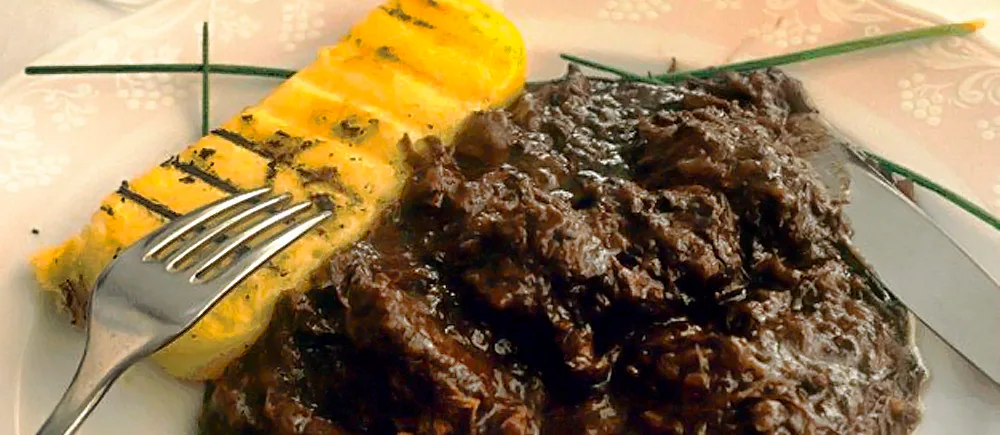
Pastissada de caval
Horse meat marinated for a day or two in Valpolicella red wine with vegetables and warm spices, then braised slowly until it falls apart into a dark, glossy sauce. A centuries-old Veronese feast dish served on soft polenta.
Pastissada de caval (Veronese horse meat stew) is an Italian stew from Italy, ready in about 28 hours 30 minutes and made with horse meat, dry red wine and cornmeal. It serves 6 and is rated intermediate to cook.
- Prep
- 30 min
- Cook
- 4 h
- Rest
- 24 h
- Total
- 28 h 30 min
- Serves
- 6
- Level
- Intermediate
- Calories
- 704
Main ingredients
Ingredients
For the marinade
For the braise
For the polenta
Method
Marinade
20 minStep 1
Put the meat in a non-metallic bowl with the wine, onions (opens in a new tab), carrots (opens in a new tab), celery (opens in a new tab), garlic (opens in a new tab), bay, cloves (opens in a new tab), cinnamon, peppercorns (opens in a new tab), nutmeg (opens in a new tab) and rosemary (opens in a new tab). Cover and marinate in the fridge for 24–48 hours, turning once or twice.
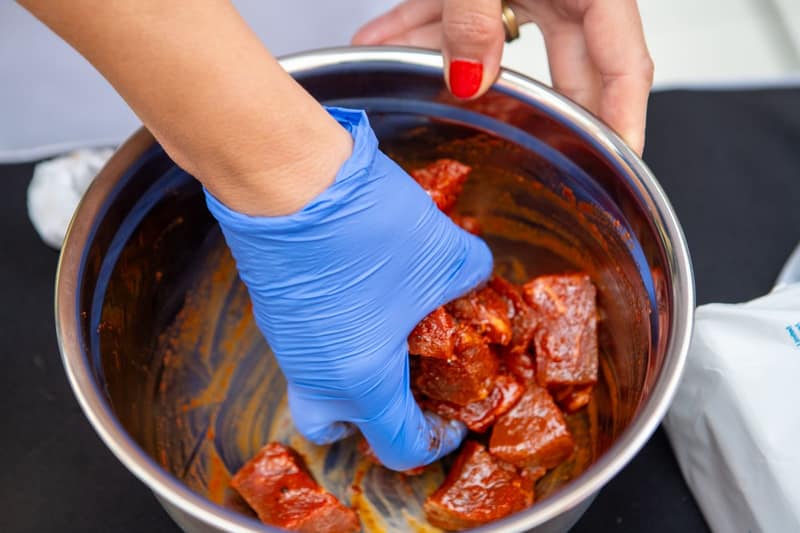
How it looks · Photo: Ip Photographer on Pexels Step 2
Lift out the meat and pat dry. Strain the marinade, keeping the wine and the vegetables separately (discard the whole spices if you can find them).
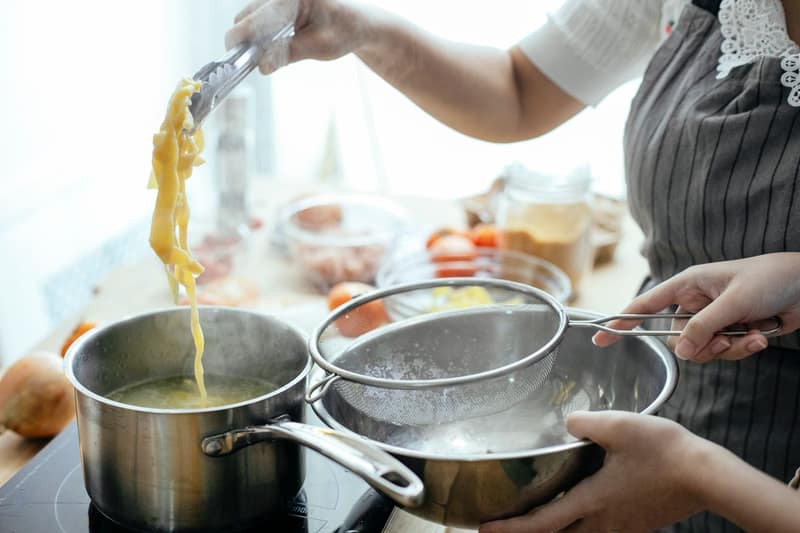
How it looks · Photo: Katerina Holmes on Pexels
Braise
3 h 45 minStep 3
Heat the butter (opens in a new tab) and oil in a heavy casserole and brown the meat well in batches. Add the marinated vegetables and cook for 10 minutes until soft. Sprinkle over the flour and salt and stir for 1 minute.
- 25 min
- medium-high heat
- Dutch oven / casserole pot (opens in a new tab)
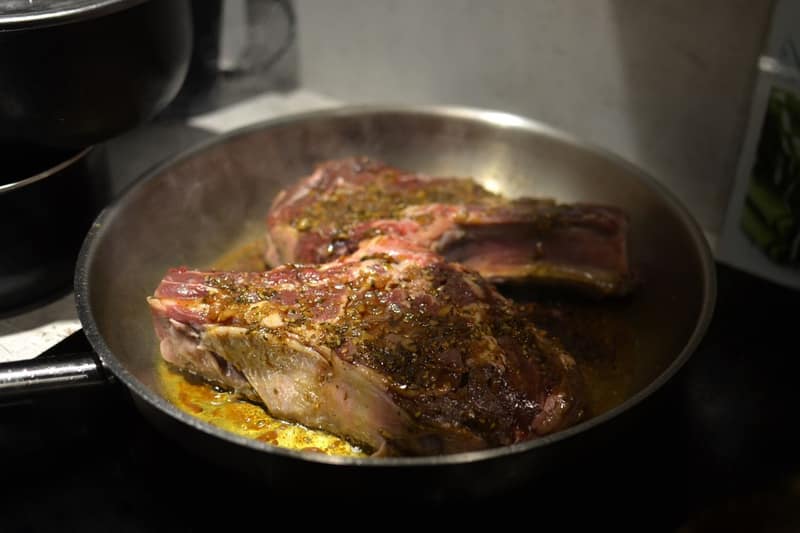
How it looks · Photo: Skylar Kang on Pexels Step 4
Pour in the wine, bring to the boil, then cover and simmer on the lowest heat for 3–3½ hours, stirring occasionally and adding a splash of water if it gets dry, until the meat is very tender and the sauce thick and dark.
- 200 min
- low heat
Traditionally it simmers even longer; the sauce should coat the meat like jam.
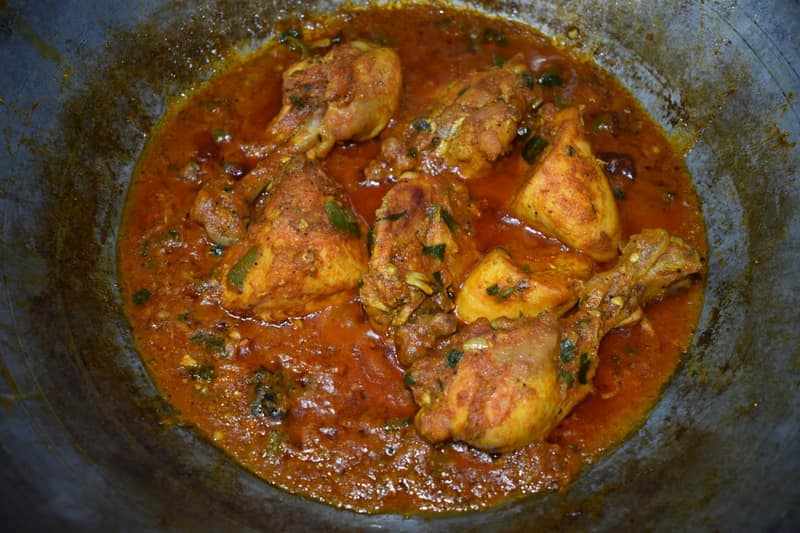
How it looks · Photo: Bachir Mamud on Pexels
Polenta
42 minStep 5
About 45 minutes before serving, bring the salted water to the boil, rain in the cornmeal (opens in a new tab) while whisking and cook, stirring often, for 40 minutes until thick and creamy.
Step 6
Serve the pastissada on mounds of soft polenta (opens in a new tab) with plenty of sauce.
- 2 min
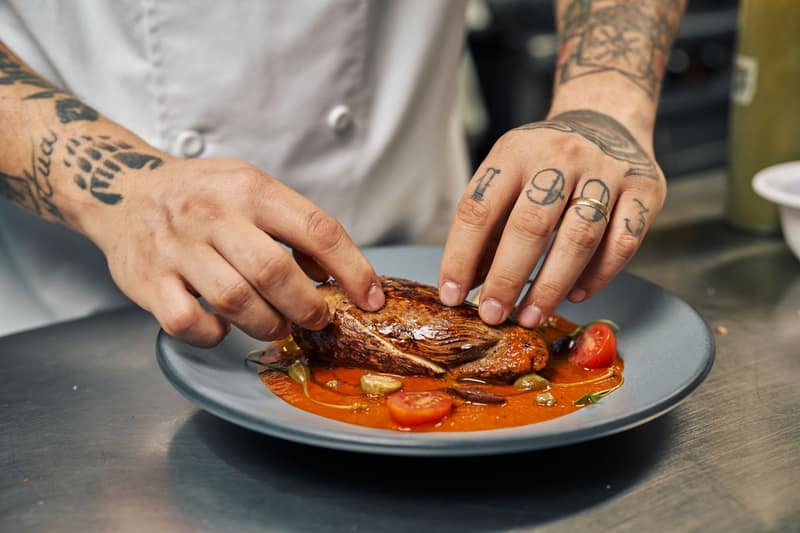
How it looks · Photo: Willians Huerta on Pexels
At a glance
1 · Marinade in a bowl
- Horse meat
 Dry red wine
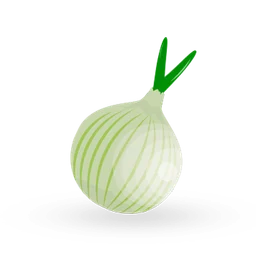 Onion
 Carrot
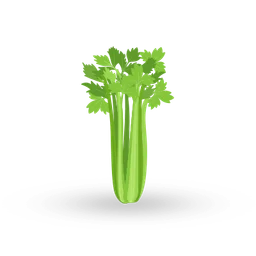 Celery
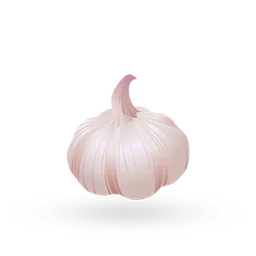 Garlic
 Bay leaves
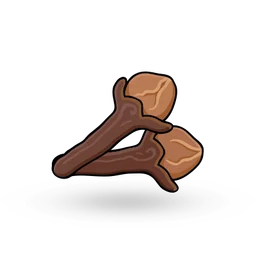 Cloves
 Cinnamon stick
 Black peppercorns
 Nutmeg
 Rosemary (fresh)
then heat
2 · Braise in a pan
 Butter
 Olive oil
 All-purpose flour
 Salt
then about
3 · Polenta in a pot
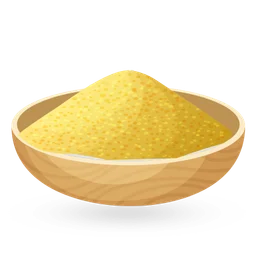 Cornmeal
- Salt
About this dish
- Origin
- Province of Verona, Veneto, Italy · Well documentedLegend links it to the battle between Theodoric and Odoacer in 489, when the people of Verona are said to have cooked the fallen horses; the story is folklore, but the dish is old and distinctively Veronese.More food from Italy
Italy - Dish
- Lunch · Dinner · Stews & braises · Main courses
- Cooking method
- Marinated / cured, Braised, Slow-cooked
- Taste
- rich, aromatic / warmly spiced, savoury, fruity
- Diet
- No nut ingredients · High-proteinWorked out from the ingredients. How labels work
All labels
Non-vegetarian · Egg-free · No nut ingredients · No added sugar · Pork-free · Beef-free · High-protein · Low-fat - Good for
- Festive & celebration · Make-ahead · Freezer-friendly
- Cook more with
- Horse meat · Dry red wine · Cornmeal · Onion · Carrot · Celery
- Techniques
- Boiling · Simmering · Braising · Marinating · Curing
Allergens
- Contains: Milkfrom butter
- Contains: Wheatfrom all-purpose flour
- Contains: Glutenfrom all-purpose flour
- Contains: Celeryfrom celery
- Contains: Sulphitesfrom dry red wine
Based on typical versions of these ingredients and not verified allergen-free. Brands differ and cross-contact happens, so always check labels. For severe allergies, follow your clinician’s advice.
Nutrition
704 kcal per serving
Estimated1 serving ≈ 738 g · recipe makes 6
Where the energy comes from
- Protein 33%
- Carbohydrate 35%
- Fat 32%
| Nutrient | Per serving | Per 100 g* |
|---|---|---|
| Energy | 704 kcal | 95 kcal |
| Protein | 48.9 g | 6.6 g |
| Carbohydrate | 52.1 g | 7.1 g |
| Net carbohydrate | 46.5 g | 6.3 g |
| Sugars | 4.1 g | 0.6 g |
| Added sugars | 0 g | 0 g |
| Fibre | 5.6 g | 0.8 g |
| Fat | 20.9 g | 2.8 g |
| Saturated fat | 8.1 g | 1.1 g |
| Trans fat | — | — |
| Cholesterol | 142 mg | 19 mg |
| Sodium | 1618 mg | 219 mg |
| Salt equivalent | 4 g | 0.5 g |
Vitamins & minerals per serving
- Potassium
- 1260 mg
- Calcium
- 100 mg
- Iron
- 7.2 mg
- Magnesium
- 140 mg
- Vitamin A (RAE)
- 226 µg
- Vitamin C
- 5 mg
- Vitamin D
- 0.2 µg
- Vitamin B12
- 4.6 µg
- Folate (DFE)
- 44 µg
How these numbers were made
- Calculated from USDA FoodData Central (SR Legacy) per-100 g values and the listed quantities.
- *Per 100 g of combined raw ingredients; the cooked dish may weigh more or less.
- Optional ingredients are not included: rosemary (fresh).
- Horse meat: Beef chuck for stew (FDC 171206) used as a stand-in; horse meat is a dark red meat, a little leaner and sweeter than beef. FDC SR Legacy has no horse entry in this import.
- “—” means the value isn’t known for enough of the ingredients; it is never zero by default.
- Values are estimates for guidance, not for medical dosing. U.S. Department of Agriculture, Agricultural Research Service. FoodData Central, 2019. fdc.nal.usda.gov.
Good to know
Tips
- Like most braises it is even better the next day.
- Horse meat is lean; browning in butter and a little lard or pancetta fat keeps it succulent.
Serve with
- Serve with soft polenta and a glass of Valpolicella Ripasso or Amarone.
Storage
- Keeps 4 days refrigerated or 3 months frozen.
Reheating
- Reheat gently in a covered pot until bubbling hot.
Variations
- Pastissada de manzo: Made with beef cheek or chuck instead of horse.
History
Recorded in Veronese cooking for centuries and tied by legend to the Ostrogothic king Theodoric, pastissada is today served in the city's trattorie, particularly for festivals such as the Venerdì Gnocolar during Carnival.
Confidence: Commonly attributed
Original editorial recipe · FriendsPantry editorial · source: TasteAtlas (dish facts) · Not yet independently reviewed · Added
Recipe DNA
How this dish is built
Built from the recipe’s own sections. Each band’s width is its share of the dish by weight. Choose a component to see what it does.
Seasons and tenderises before cooking
For the marinade
- Horse meat, shoulder or rump, cut into 4 cm pieces1.2 kg · 1200 g
- Dry red wine1 l · 990 g
- Onion, sliced2 piece · 220 g
- Carrot, sliced2 piece · 120 g
- Celery, sliced2 stalk · 80 g
- Garlic, crushed2 clove · 8 g
- Bay leaves3 leaf · 0.6 g
- Cloves5 piece · 0.5 g
- Cinnamon stick1 piece · 3 g
- Black peppercorns1 tsp · 3 g
- Nutmeg, freshly grated0.25 tsp · 0.6 g
- Rosemary (fresh) (optional)1 sprig · 1 g
Reviews & corrections
Reviews come from signed-in cooks and appear after a moderator checks them. We never show made-up ratings.
You might also like
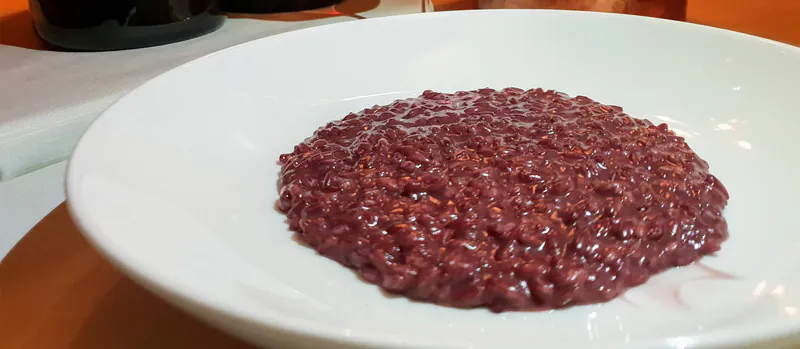
Risotto all'Amarone (Veronese red-wine risotto)
 Italian · 37 min · 607 kcal
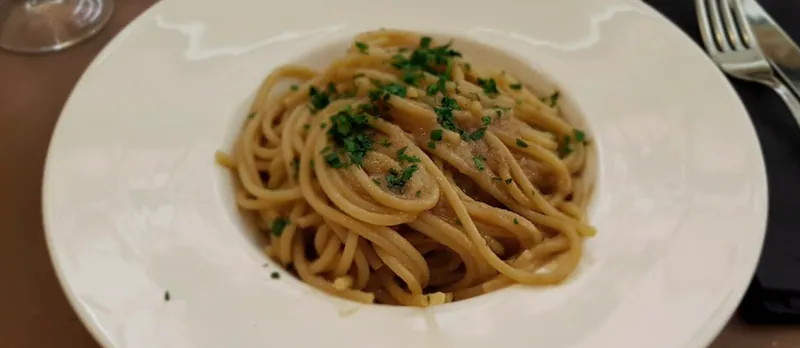
Bigoli in salsa (Venetian thick pasta with onion and anchovy sauce)
Italian · 1 h 5 min · 665 kcal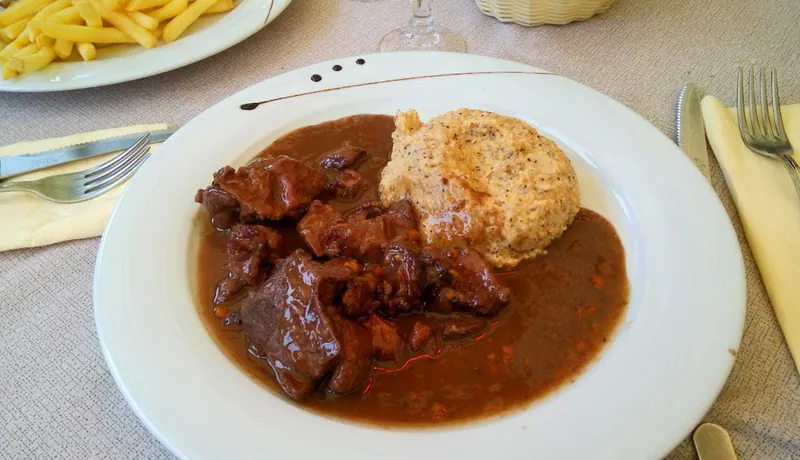
Salmì di cervo (Valtellina venison in red wine)
Italian · 3 h 15 min · 526 kcal
Ravioli alla genovese (Genoese ravioli with tocco meat sauce)
Italian · 5 h 20 min · 752 kcal