
 Dominican · Caribbean · Rice dishes
Moro de habichuelas (Dominican rice and beans)
Non-vegetarian
Rice cooked together with red or pinto beans in a sofrito of onion, peppers, garlic, tomato, oregano and coriander until every grain is tinted and flavoured. One of the most commonly cooked dishes in the Dominican Republic, prized for the crunchy concón that forms at the bottom of the pot.
Moro de habichuelas (Dominican rice and beans) is a Dominican rice dish from Dominican Republic, ready in about 1 hour and made with kidney beans (canned) and long-grain white rice. It serves 6 and is rated easy to cook.
No licensed photograph of this dish yet.
- Prep
- 15 min
- Cook
- 40 min
- Rest
- 5 min
- Total
- 1 h
- Serves
- 6
- Level
- Easy
- Calories
- 472
Main ingredients

Ingredients
Method
Step 1
Heat the oil in a heavy pot (a Dominican caldero is ideal). Fry the onion and pepper (opens in a new tab) for 5 minutes, then add the garlic (opens in a new tab), tomato (opens in a new tab), tomato paste (opens in a new tab), oregano (opens in a new tab) and half the coriander and cook to a thick sofrito, 3–4 minutes.
- 9 min
- medium heat
- Dutch oven / casserole pot (opens in a new tab)
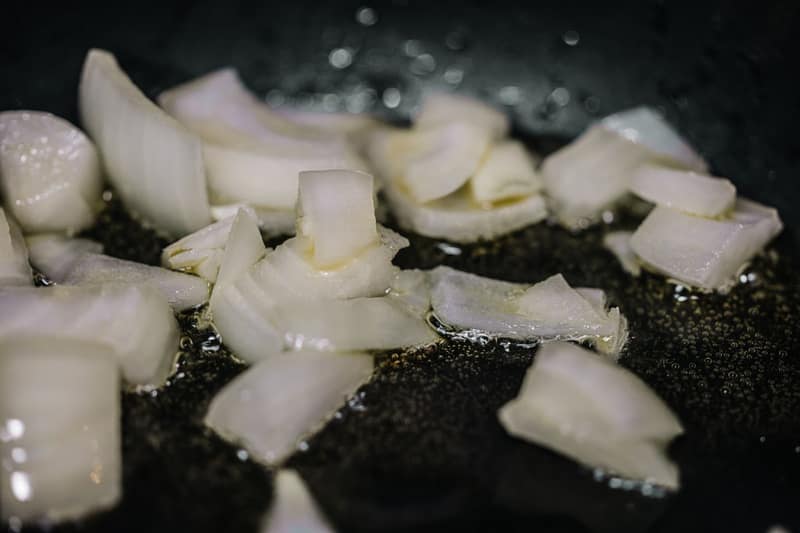
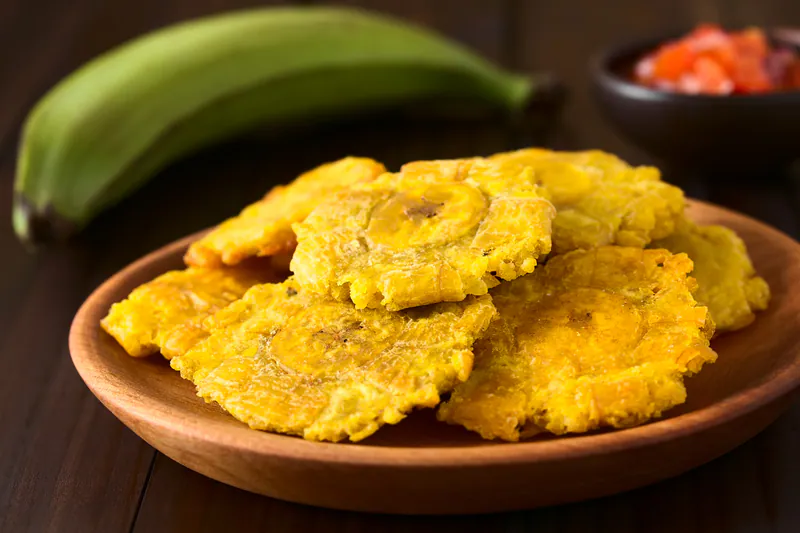
How it looks · Photo: Magda Ehlers on Pexels Step 2
Add the beans and stir for 2 minutes so they absorb the sofrito. Pour in the stock, add salt and pepper (opens in a new tab) and bring to the boil. Taste: the liquid should be slightly saltier than you want the rice.
- 5 min
- high heat
Step 3
Stir in the rice and boil uncovered, stirring occasionally, until the liquid has dropped to the level of the rice and small craters appear, about 8 minutes.
- 8 min
- medium-high heat
Step 4
Stir once, turning the rice from the bottom, then cover tightly and cook over very low heat for 20 minutes without opening. Rest 5 minutes, fluff, and scatter with the rest of the coriander.
- 20 min
- low heat
Food safety: Cooked rice can carry Bacillus cereus spores that survive cooking; cool leftover rice quickly and refrigerate it within an hour.
For concón, leave it on the heat 5–10 minutes longer until the bottom layer crisps, then scrape it up to serve.
At a glance
 Neutral vegetable oil
 Red onion
 Green bell pepper
 Garlic
 Tomato
 Tomato paste
 Dried oregano
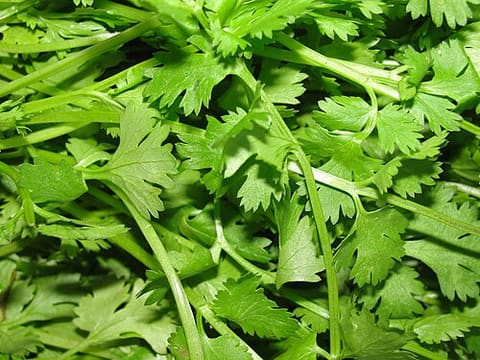 Coriander leaves
 Kidney beans (canned)
 Long-grain white rice
 Chicken stock
 Salt
 Black pepper
About this dish
- Origin
- Dominican Republic · Well documented'Moro' is the Dominican name for rice cooked with beans in one pot; versions are made with pigeon peas (moro de guandules), black beans or white beans.More food from Dominican Republic
Dominican Republic - Dish
- Lunch · Dinner · Rice dishes · Side dishes
- Cooking method
- Sautéed, Simmered, Steamed
- Taste
- savoury, herby, earthy
- Diet
- No gluten ingredients · Dairy-free · No nut ingredientsWorked out from the ingredients. How labels work
All labels
Non-vegetarian · Flexitarian-friendly · No gluten ingredients · Dairy-free · Egg-free · No nut ingredients · No added sugar · Alcohol-free · Pork-free · Beef-free · Low-fat · Calorie-conscious - Good for
- Everyday · One-pot · Budget-friendly · Uses leftovers
- Cook more with
- Kidney beans (canned) · Long-grain white rice · Red onion · Green bell pepper · Garlic · Tomato
Allergens
- May contain: Celeryfrom chicken stock
Based on typical versions of these ingredients and not verified allergen-free. Brands differ and cross-contact happens, so always check labels. For severe allergies, follow your clinician’s advice.
Nutrition
472 kcal per serving
Calculated1 serving ≈ 354 g · recipe makes 6
Where the energy comes from
- Protein 13%
- Carbohydrate 68%
- Fat 19%
| Nutrient | Per serving | Per 100 g* |
|---|---|---|
| Energy | 472 kcal | 133 kcal |
| Protein | 15.4 g | 4.3 g |
| Carbohydrate | 80 g | 22.6 g |
| Net carbohydrate | 73.6 g | 20.8 g |
| Sugars | 7.5 g | 2.1 g |
| Added sugars | 0 g | 0 g |
| Fibre | 6.4 g | 1.8 g |
| Fat | 9.8 g | 2.8 g |
| Saturated fat | — | — |
| Trans fat | — | — |
| Cholesterol | 4 mg | 1 mg |
| Sodium | 774 mg | 218 mg |
| Salt equivalent | 1.9 g | 0.5 g |
Vitamins & minerals per serving
- Potassium
- 599 mg
- Calcium
- 87 mg
- Iron
- 4.8 mg
- Magnesium
- 55 mg
- Vitamin A (RAE)
- —
- Vitamin C
- 22 mg
- Vitamin D
- 0 µg
- Vitamin B12
- —
- Folate (DFE)
- —
How these numbers were made
- Calculated from USDA FoodData Central (SR Legacy) per-100 g values and the listed quantities.
- *Per 100 g of combined raw ingredients; the cooked dish may weigh more or less.
- “—” means the value isn’t known for enough of the ingredients; it is never zero by default.
- Values are estimates for guidance, not for medical dosing. U.S. Department of Agriculture, Agricultural Research Service. FoodData Central, 2019. fdc.nal.usda.gov.
Good to know
Common mistakes
- Stirring the rice after covering — it turns gummy.
Food safety
- Cooked rice can carry Bacillus cereus spores that survive cooking; cool leftover rice quickly and refrigerate it within an hour.
Storage
- Keeps 3 days refrigerated.
Reheating
- Reheat with a splash of water, covered, until steaming hot.
Variations
- Moro de guandules: Made with pigeon peas and often coconut milk; a Christmas favourite.
- Moro de habichuelas negras: With black beans, close to Cuban moros y cristianos.
Original editorial recipe · FriendsPantry editorial · source: TasteAtlas (dish facts) · Not yet independently reviewed · Added
Recipe DNA
How this dish is built
Grouped by each ingredient’s role in the dish. Each band’s width is its share of the dish by weight. Choose a component to see what it does.
What the dish is built around
Main ingredient
- Tomato, chopped1 piece · 120 g
- Tomato paste1 tbsp · 16 g
- Kidney beans (canned), red beans, drained (about 480 g drained)2 can · 480 g
- Long-grain white rice, long-grain, rinsed400 g
Reviews & corrections
Reviews come from signed-in cooks and appear after a moderator checks them. We never show made-up ratings.
You might also like
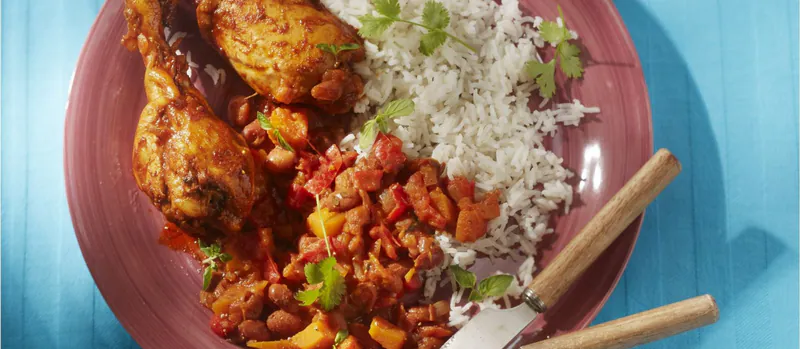
La bandera dominicana
Dominican · 1 h 55 min · 836 kcalMoros y cristianos (Cuban black beans and rice)
 Cuban · 1 h 50 min · 465 kcal
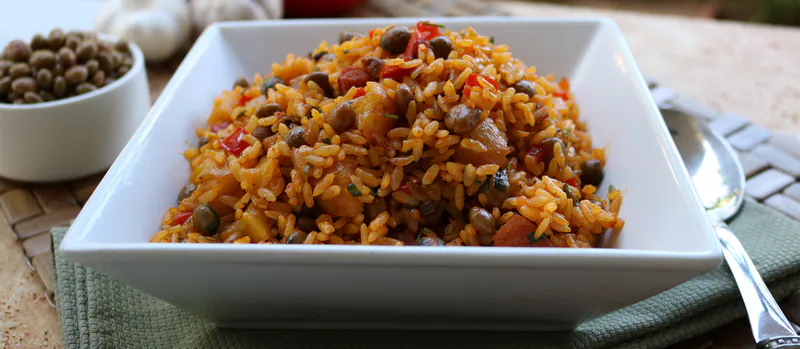
Arroz junto (Puerto Rican one-pot rice and beans)
 Puerto Rican · 1 h 10 min · 466 kcal
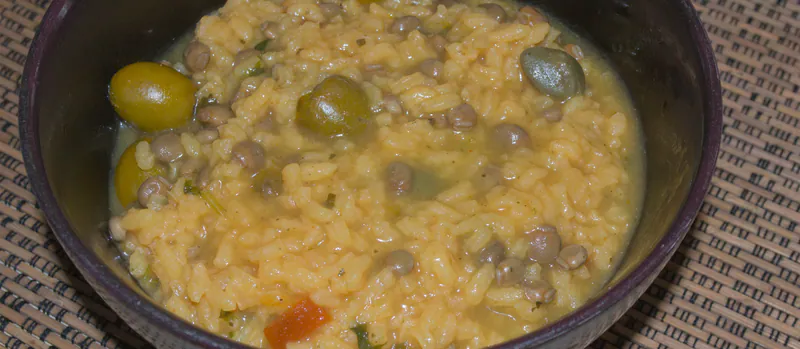
Asopao de pollo (Dominican soupy chicken and rice)
Dominican · 1 h 55 min · 563 kcal