
Ukadiche modak (steamed rice dumplings with coconut and jaggery)
Vegetarian
उकडीचे मोदक · ukaḍīce modak
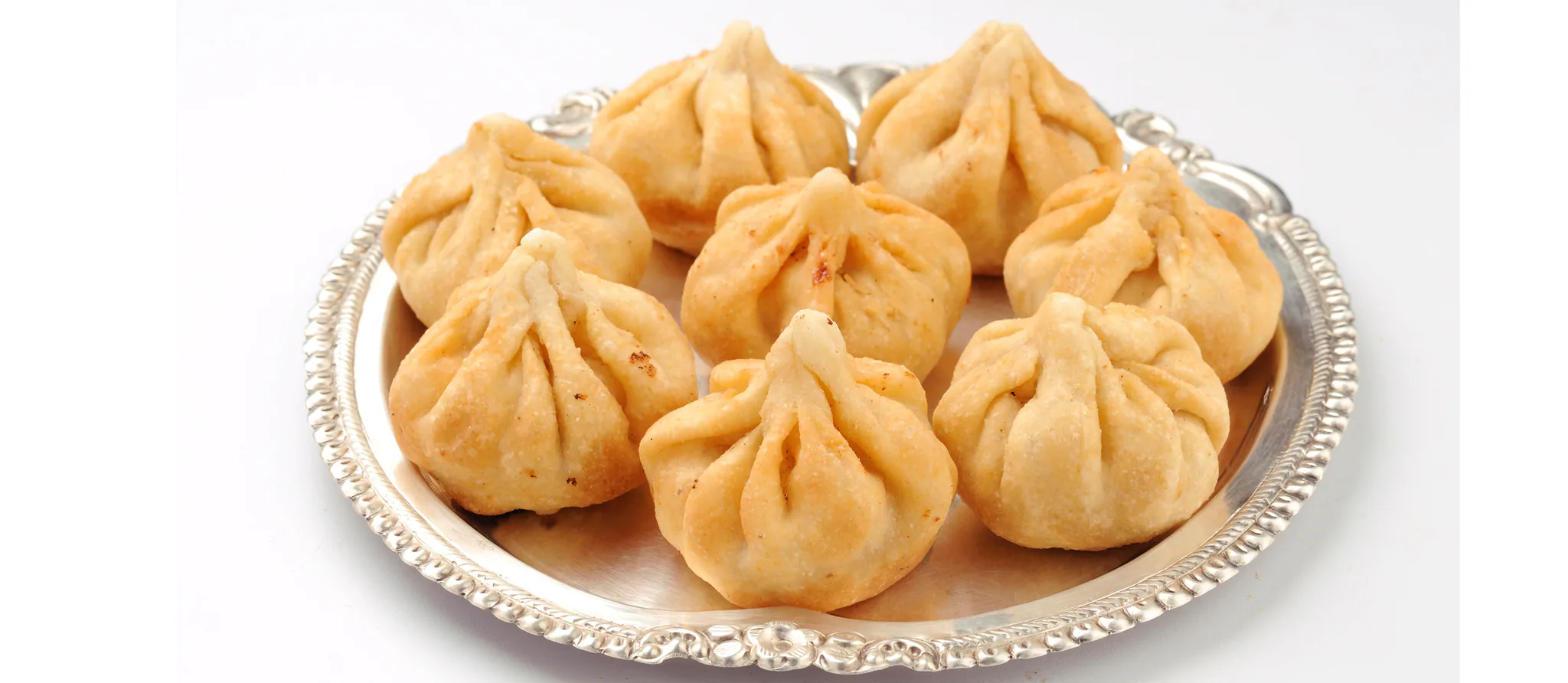
Delicate pleated dumplings of soft steamed rice-flour dough filled with fresh coconut cooked down with jaggery, cardamom and nutmeg, served warm with a spoon of ghee. Made in large numbers for Ganesh Chaturthi, as modak is said to be Lord Ganesha's favourite sweet.
Ukadiche modak (steamed rice dumplings with coconut and jaggery) is an Indian dumpling dish, ready in about 1 hour 30 minutes and made with coconut, jaggery / palm sugar and rice flour. It serves 5 and is rated advanced to cook.
- Prep
- 45 min
- Cook
- 35 min
- Rest
- 10 min
- Total
- 1 h 30 min
- Serves
- 5
- Level
- Advanced
- Calories
- 524
Main ingredients
Ingredients
For the filling (saran)
For the dough (ukad)
To serve
Method
Filling (saran)
10 minStep 1
For the filling, warm the ghee (opens in a new tab) in a pan, add the coconut (opens in a new tab) and jaggery and cook over medium-low heat, stirring, until the jaggery melts and the mixture thickens and turns glossy but stays moist, 8–10 minutes. Stir in the poppy seeds (opens in a new tab), cardamom (opens in a new tab) and nutmeg (opens in a new tab), and leave to cool.
- 10 min
- medium-low heat
- Frying pan / skillet (opens in a new tab)
Overcooked filling turns hard and chewy; take it off as soon as it holds together.
Dough (ukad)
53 minStep 2
For the dough, bring the water, ghee (opens in a new tab), salt and milk (opens in a new tab) (if using) to a rolling boil. Lower the heat, tip in the rice flour (opens in a new tab) all at once and stir quickly until no dry flour remains. Cover and leave on the lowest heat for 2 minutes, then off the heat for 5 minutes.
Step 3
While the dough is still warm, turn it into a bowl and knead with hands dipped in water and a little ghee (opens in a new tab) until completely smooth and pliable, 3–5 minutes. Keep it covered with a damp cloth.
Food safety: The dough is hot; knead with damp hands or the heel of a bowl until cool enough to handle.
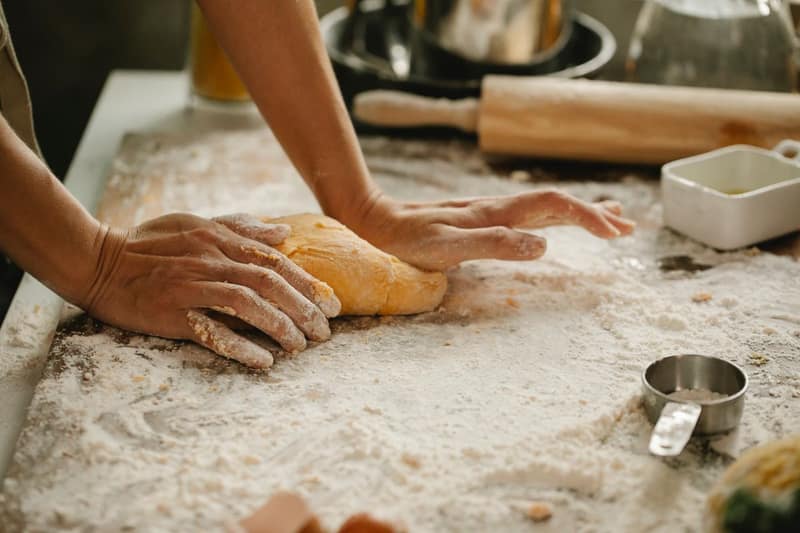
How it looks · Photo: Klaus Nielsen on Pexels Step 4
Take a lime-sized ball of dough, flatten it with your fingers into a thin cup about 8 cm across with a slightly thicker centre. Pinch the edge into 10–12 evenly spaced pleats.
- 15 min
If you are new to pleating, a modak mould gives perfect shapes: grease it, line with dough, fill and unmould.
Step 5
Put a heaped teaspoon of filling in the cup, then bring the pleats together and pinch them into a point at the top, sealing well. Repeat with the rest.
- 10 min
Step 6
Line a steamer (opens in a new tab) with a greased banana leaf or baking paper. Dip each modak's base in cold water, arrange with space between them and steam over boiling water for 12–15 minutes, until the dough looks glossy and slightly translucent.
- 14 min
- high heat
- Steamer (opens in a new tab)
Step 7
Rest for 5–10 minutes, then serve warm with a spoon of melted ghee (opens in a new tab) poured over each.
- 1 min
How it looks · Photo: Willians Huerta on Pexels
At a glance
1 · Filling (saran) in a bowl
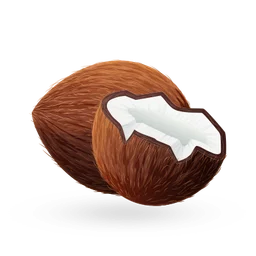 Coconut
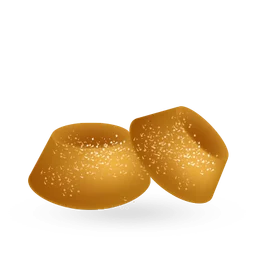 Jaggery / palm sugar
 Ghee
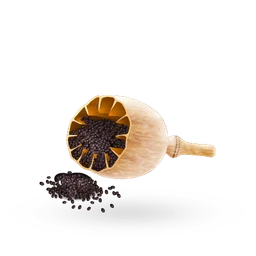 Poppy seeds
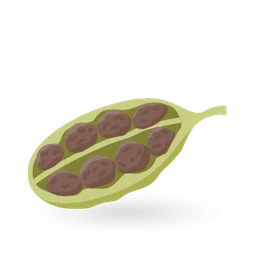 Cardamom
 Nutmeg
then bring
2 · Dough (ukad) in a bowl
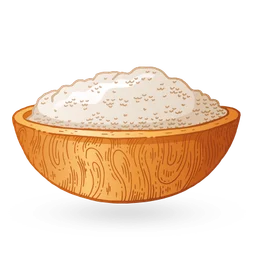 Rice flour
- Ghee
 Salt
 Milk
About this dish
- Origin
- Maharashtra and the Konkan coast, Maharashtra, India · Commonly attributedSweet rice dumplings are made across India under many names: mothagam or kozhukattai in Tamil Nadu, kozhukatta in Kerala, modhaka or kadubu in Karnataka, and kudumu in Andhra Pradesh and Telangana.More food from India
India - Dish
- Snack · Dessert · Dumplings · Desserts
- Cooking method
- Steamed, Sautéed
- Taste
- sweet, aromatic / warmly spiced, buttery
- Diet
- Vegetarian (lacto-ovo) · No gluten ingredients · No nut ingredientsWorked out from the ingredients. How labels work
All labels
Vegetarian (lacto-ovo) · Eggetarian · Lacto-vegetarian · Pescatarian · Flexitarian-friendly · No gluten ingredients · Egg-free · No nut ingredients · Alcohol-free · Pork-free · Beef-free · Low-sodium - Good for
- Festive & celebration
- Cook more with
- Coconut · Jaggery / palm sugar · Rice flour · Ghee · Cardamom · Nutmeg
Allergens
- Contains: Milkfrom ghee, milk
Based on typical versions of these ingredients and not verified allergen-free. Brands differ and cross-contact happens, so always check labels. For severe allergies, follow your clinician’s advice.
Nutrition
524 kcal per serving
Estimated1 serving ≈ 174 g · recipe makes 5
Where the energy comes from
- Protein 3%
- Carbohydrate 51%
- Fat 47%
| Nutrient | Per serving | Per 100 g* |
|---|---|---|
| Energy | 524 kcal | 301 kcal |
| Protein | 3.8 g | 2.2 g |
| Carbohydrate | 67.7 g | 38.9 g |
| Net carbohydrate | 63.1 g | 36.2 g |
| Sugars | 31.6 g | 18.2 g |
| Added sugars | 29.1 g | 16.7 g |
| Fibre | 4.6 g | 2.7 g |
| Fat | 27.7 g | 15.9 g |
| Saturated fat | 20.6 g | 11.8 g |
| Trans fat | — | — |
| Cholesterol | 35 mg | 20 mg |
| Sodium | 49 mg | 28 mg |
| Salt equivalent | 0.1 g | 0.1 g |
Vitamins & minerals per serving
- Potassium
- 216 mg
- Calcium
- 41 mg
- Iron
- 1.4 mg
- Magnesium
- 31 mg
- Vitamin A (RAE)
- 116 µg
- Vitamin C
- 1 mg
- Vitamin D
- 0 µg
- Vitamin B12
- 0 µg
- Folate (DFE)
- 12 µg
How these numbers were made
- Calculated from USDA FoodData Central (SR Legacy) per-100 g values and the listed quantities.
- *Per 100 g of combined raw ingredients; the cooked dish may weigh more or less.
- Optional ingredients are not included: poppy seeds, milk.
- Jaggery / palm sugar: Brown sugar (FDC 168833) used as a stand-in for unrefined cane jaggery and palm sugar.
- “—” means the value isn’t known for enough of the ingredients; it is never zero by default.
- Values are estimates for guidance, not for medical dosing. U.S. Department of Agriculture, Agricultural Research Service. FoodData Central, 2019. fdc.nal.usda.gov.
Good to know
Tips
- Fresh, fine rice flour gives the softest, most crack-free dough; old or coarse flour cracks when pleated.
Common mistakes
- Letting the dough cool before kneading — it becomes crumbly and splits at the pleats.
Serve with
- Offer to Ganesha first, then serve warm with plenty of ghee.
Storage
- Keeps 1 day at room temperature or 2 days refrigerated.
Reheating
- Re-steam for 3–4 minutes until soft and hot.
Variations
- Talniche modak: Fried modak with a wheat flour shell and the same coconut filling.
- Kozhukattai (Tamil Nadu): Made for Vinayaka Chaturthi; the sweet version is filled with coconut and jaggery, while savoury ones use spiced urad dal.
- Kadubu (Karnataka) and kudumu (Andhra Pradesh): Regional names for similar steamed dumplings, sometimes shaped as half-moons and filled with chana dal and jaggery.
Original editorial recipe · FriendsPantry editorial · source: TasteAtlas (dish facts) · Not yet independently reviewed · Added
Recipe DNA
How this dish is built
Reviews & corrections
Reviews come from signed-in cooks and appear after a moderator checks them. We never show made-up ratings.
You might also like
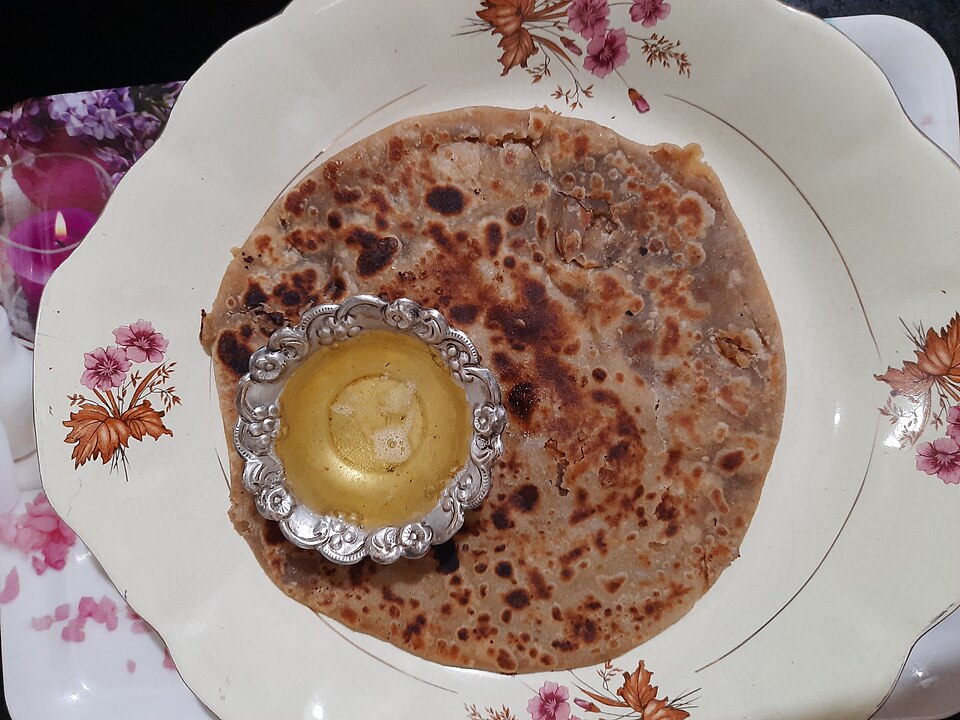
Puran poli
 Indian · 3 h 55 min · 308 kcal · Vegetarian
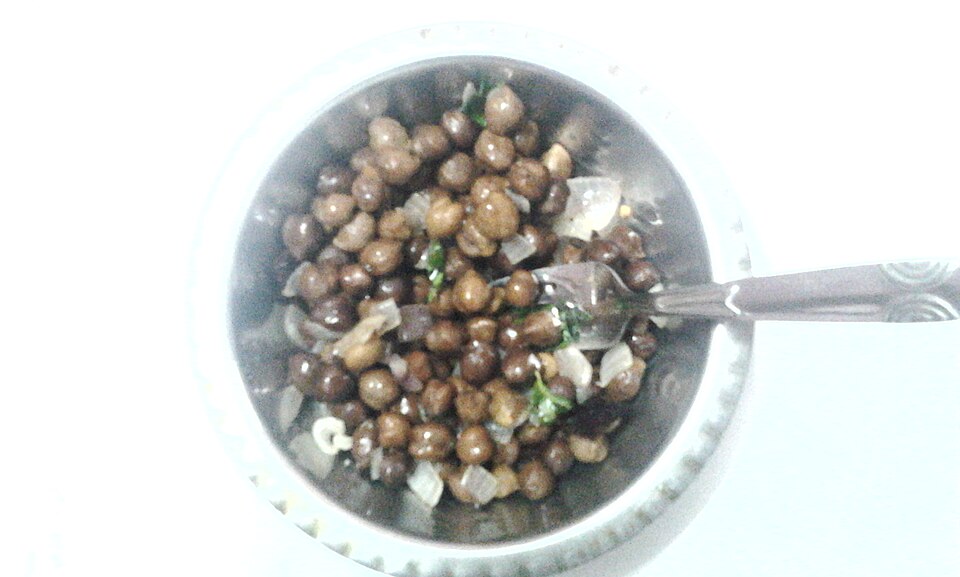
Kondakadalai sundal
South Indian · 35 min · 216 kcal · Vegan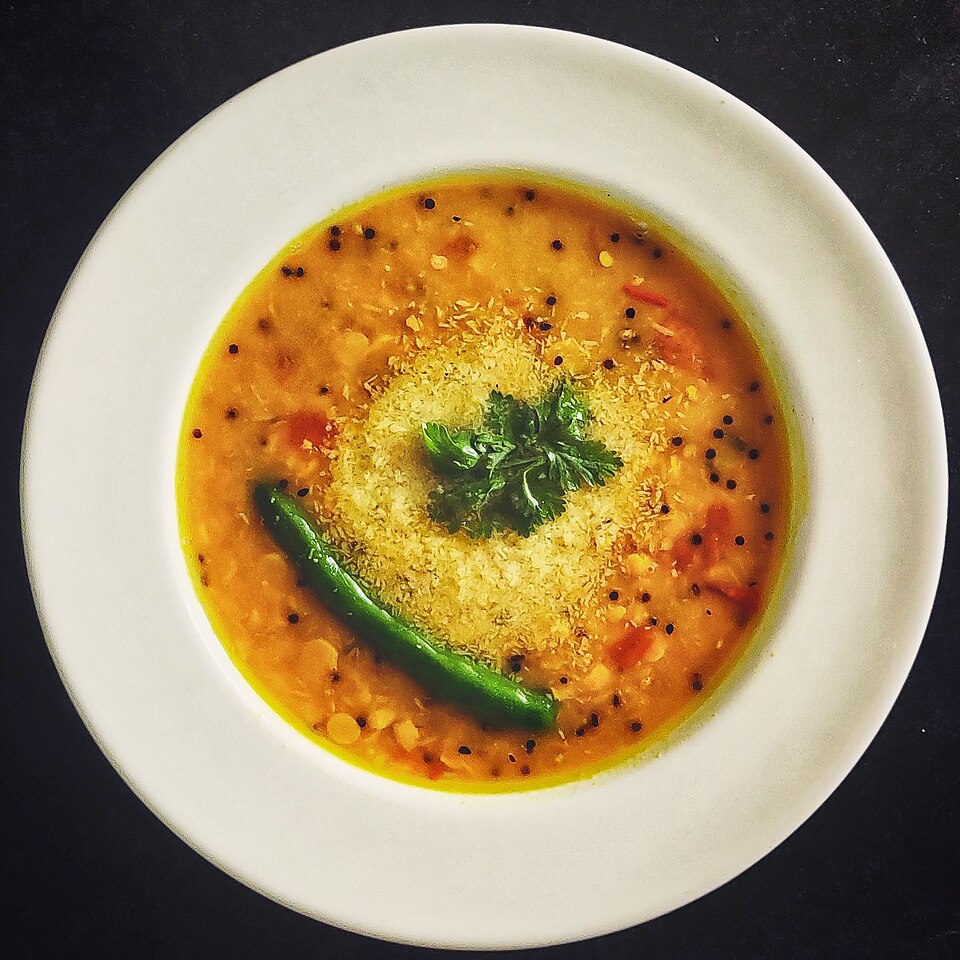
Cholar dal
Bengali · 50 min · 319 kcal · Vegetarian
Tomato saar
Indian · 35 min · 76 kcal · Vegetarian