
 Mexican · American · Wraps & rolls
Mission burrito (San Francisco)
Non-vegetarian
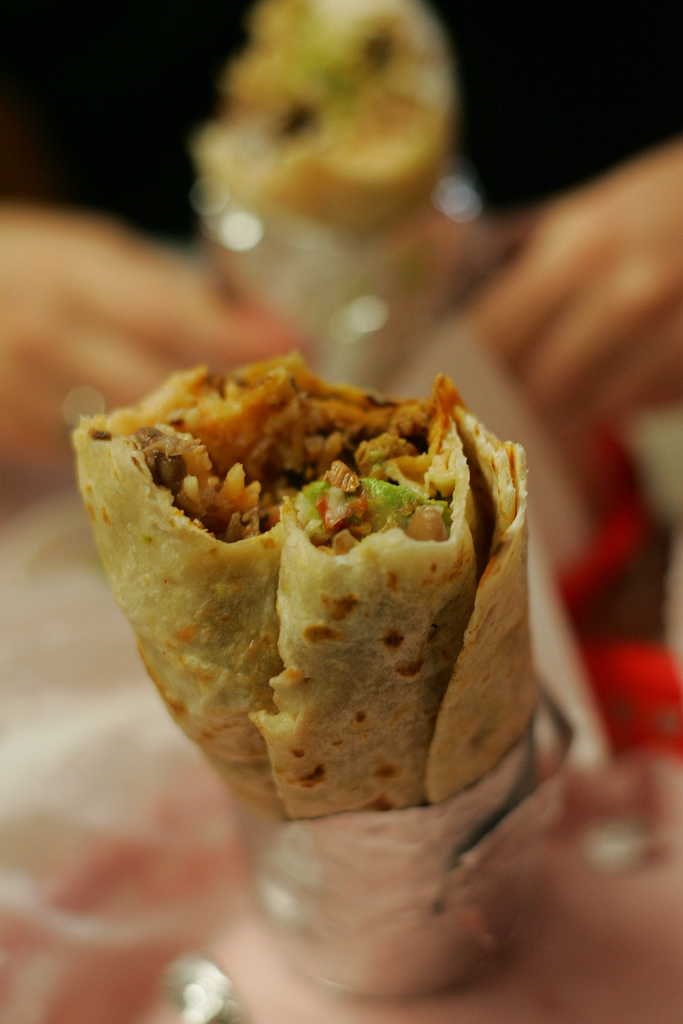
A giant steamed flour tortilla wrapped tight around carne asada, Mexican rice, beans, cheese, salsa, guacamole and sour cream, then rolled in foil so it can be eaten on the go. Born in the taquerías of San Francisco's Mission District in the 1960s.
Mission burrito (San Francisco) is a Mexican wrap from United States, ready in about 1 hour 35 minutes and made with beef flank steak, long-grain white rice and pinto beans (canned). It serves 4 and is rated intermediate to cook.
- Prep
- 30 min
- Cook
- 35 min
- Rest
- 30 min
- Total
- 1 h 35 min
- Serves
- 4
- Level
- Intermediate
- Calories
- 1260
Main ingredients
Ingredients
For the carne asada
For the rice
For the beans
For the pico de gallo
For the guacamole
To assemble
Method
Carne asada
3 minStep 1
Mix the lime juice (opens in a new tab), garlic (opens in a new tab), cumin (opens in a new tab), oil and salt, rub it over the steak and leave to marinate for 30 minutes (or up to 4 hours in the fridge).
- 3 min
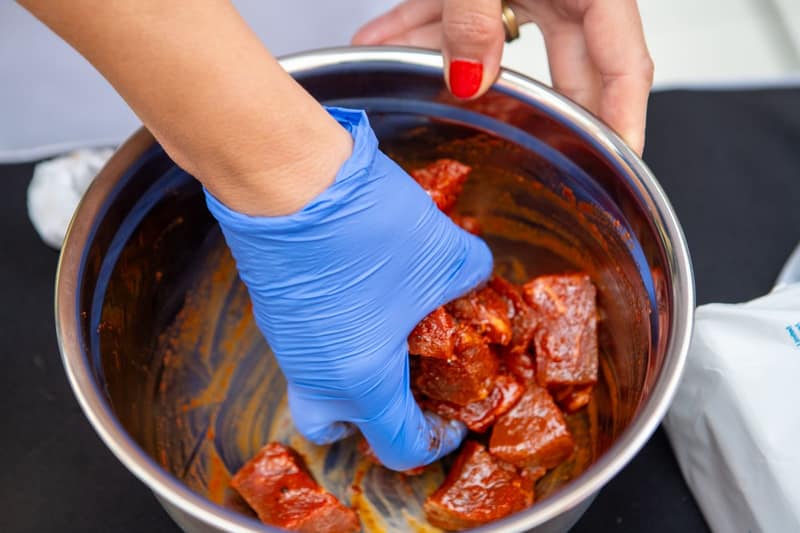
How it looks · Photo: Ip Photographer on Pexels
Rice
25 minStep 2
For the rice, heat the oil in a saucepan (opens in a new tab) and fry the rice and onion (opens in a new tab) for 3–4 minutes until the grains turn opaque. Stir in the tomato paste (opens in a new tab), add the stock, bring to the boil, then cover and cook on the lowest heat for 18 minutes. Rest 5 minutes and fluff.
- 25 min
- low heat
- Saucepan (opens in a new tab)
Food safety: Cooked rice can carry Bacillus cereus spores that survive cooking; cool leftover rice quickly and refrigerate it within an hour.
Beans
10 minStep 3
Simmer the pinto beans (opens in a new tab) with their liquid and the garlic (opens in a new tab) for 10 minutes, roughly mashing about a third of them so the beans are thick but still spoonable.
- 10 min
- medium-low heat
- Saucepan (opens in a new tab)
Pico de gallo
20 minStep 4
Make the pico de gallo by mixing the tomato (opens in a new tab), onion (opens in a new tab), jalapeño (opens in a new tab), coriander and lime juice (opens in a new tab) with a pinch of salt. Mash the avocados (opens in a new tab) with lime juice and salt for a chunky guacamole.
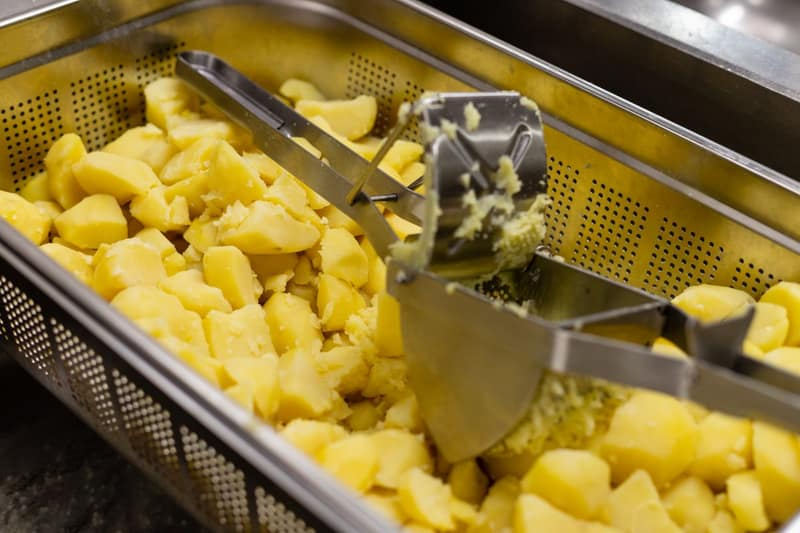
How it looks · Photo: Mateusz Feliksik on Pexels Step 5
Grill the steak in a very hot grill pan (opens in a new tab) for 3–4 minutes a side, until charred outside and medium inside. Rest for 5 minutes, then chop into small pieces.
Food safety: Whole beef steaks are safe served pink once the outside is well seared (at least 63 °C at the centre for medium-rare followed by a rest); minced or chopped beef must reach 71 °C.
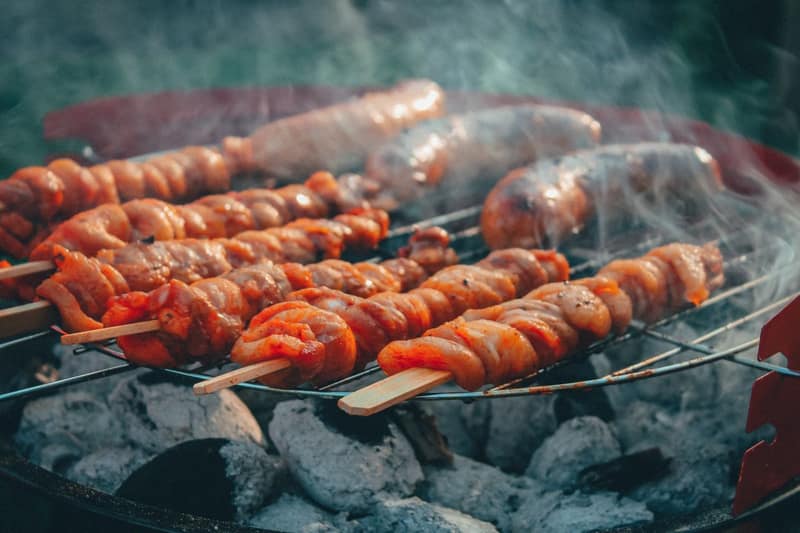
How it looks · Photo: Malte Luk on Pexels
To assemble
9 minStep 6
Steam each tortilla for 20–30 seconds (in a steamer (opens in a new tab) basket or wrapped in a damp towel in the microwave) until soft and stretchy. Scatter cheese down the centre so it melts, then add rice, a spoon of drained beans, meat, pico de gallo, guacamole, sour cream (opens in a new tab) and lettuce.
Keep the filling in a compact log in the lower third of the tortilla; overfilling is the main reason burritos burst.
Step 7
Fold the bottom edge over the filling, tuck in the sides and roll up tightly. Wrap (opens in a new tab) each burrito snugly in foil and leave 1 minute so it holds its shape. Peel the foil back as you eat.
- 3 min
At a glance
1 · Carne asada in a bowl
 Beef flank steak
 Lime juice
 Garlic
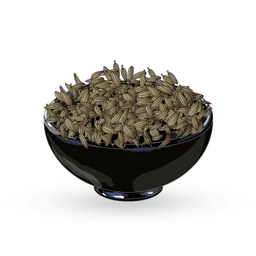 Cumin
 Neutral vegetable oil
 Salt
then heat
2 · Rice in a pot
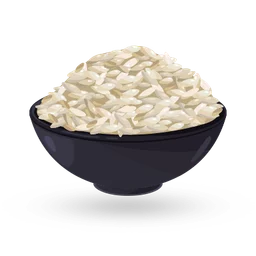 Long-grain white rice
- Neutral vegetable oil
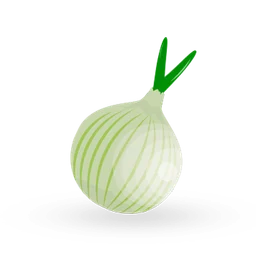 Onion
 Tomato paste
 Chicken stock
then simmer
3 · Beans in a pot
 Pinto beans (canned)
- Garlic
then make
4 · Pico de gallo in a pan
 Tomato
- Onion
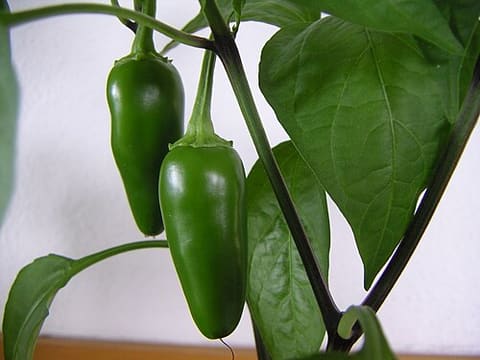 Jalapeño
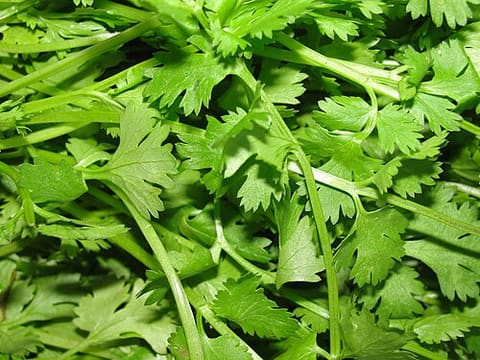 Coriander leaves
- Lime juice
then steam
5 · To assemble in a bowl
 Flour tortilla
 Monterey Jack
 Sour cream
 Iceberg lettuce
About this dish
- Origin
- Mission District, San Francisco, California, United States · Commonly attributedEl Faro (1961) and La Cumbre (1969) both claim the first Mission burrito. Unlike most Mexican burritos it includes rice and uses a very large, steamed tortilla.More food from United States
United States - Dish
- Lunch · Dinner · Wraps & rolls · Main courses · Street food
- Cooking method
- Grilled, Simmered, Steamed
- Taste
- savoury, fresh, spicy (chilli heat), creamy
- Diet
- No nut ingredients · High-proteinWorked out from the ingredients. How labels work
All labels
Non-vegetarian · Egg-free · No nut ingredients · No added sugar · Alcohol-free · Pork-free · High-protein - Good for
- Portable / lunchbox · Street food
- Cook more with
- Beef flank steak · Long-grain white rice · Pinto beans (canned) · Flour tortilla · Lime juice · Garlic
- Techniques
- Grilling · Charcoal grilling · Boiling · Simmering · Steaming
Allergens
- Contains: Milkfrom monterey jack, sour cream
- Contains: Wheatfrom flour tortilla
- Contains: Glutenfrom flour tortilla
- May contain: Celeryfrom chicken stock
Based on typical versions of these ingredients and not verified allergen-free. Brands differ and cross-contact happens, so always check labels. For severe allergies, follow your clinician’s advice.
Nutrition
1260 kcal per serving
Estimated1 serving ≈ 797 g · recipe makes 4
Where the energy comes from
- Protein 20%
- Carbohydrate 38%
- Fat 42%
| Nutrient | Per serving | Per 100 g* |
|---|---|---|
| Energy | 1260 kcal | 158 kcal |
| Protein | 63.9 g | 8 g |
| Carbohydrate | 120.5 g | 15.1 g |
| Net carbohydrate | — | — |
| Sugars | — | — |
| Added sugars | 0 g | 0 g |
| Fibre | — | — |
| Fat | 58.9 g | 7.4 g |
| Saturated fat | — | — |
| Trans fat | — | — |
| Cholesterol | 160 mg | 20 mg |
| Sodium | 1976 mg | 248 mg |
| Salt equivalent | 4.9 g | 0.6 g |
Vitamins & minerals per serving
- Potassium
- 1823 mg
- Calcium
- 545 mg
- Iron
- 9.8 mg
- Magnesium
- 154 mg
- Vitamin A (RAE)
- —
- Vitamin C
- 36 mg
- Vitamin D
- 0.4 µg
- Vitamin B12
- 2.2 µg
- Folate (DFE)
- 455 µg
How these numbers were made
- Calculated from USDA FoodData Central (SR Legacy) per-100 g values and the listed quantities.
- *Per 100 g of combined raw ingredients; the cooked dish may weigh more or less.
- Optional ingredients are not included: iceberg lettuce.
- Monterey Jack: Cheddar used as a stand-in; Monterey Jack is a mild, semi-hard Californian cow's-milk cheese with similar fat and protein but a softer, more meltable texture.
- “—” means the value isn’t known for enough of the ingredients; it is never zero by default.
- Values are estimates for guidance, not for medical dosing. U.S. Department of Agriculture, Agricultural Research Service. FoodData Central, 2019. fdc.nal.usda.gov.
Good to know
Tips
- Steaming is what makes a big tortilla pliable enough to roll without cracking.
- Drain the beans with a slotted spoon so the burrito stays tight and dry.
Common mistakes
- Rolling with a cold tortilla, which splits along the fold.
Serve with
- Serve with tortilla chips and a hot red or green salsa on the side.
Food safety
- Cooked rice can carry Bacillus cereus spores that survive cooking; cool leftover rice quickly and refrigerate it within an hour.
- Whole beef steaks are safe served pink once the outside is well seared (at least 63 °C at the centre for medium-rare followed by a rest); minced or chopped beef must reach 71 °C.
Storage
- Fillings keep 3 days refrigerated in separate containers; roll burritos fresh.
Reheating
- Reheat fillings separately until piping hot; wrapped burritos can be warmed in foil in a 180 °C oven for 15–20 minutes.
Variations
- Super burrito: The full version with sour cream, guacamole and cheese; a plain burrito leaves them out.
- Al pastor or carnitas burrito: Spit-roasted pork or slow-cooked pork shoulder replaces the carne asada.
- Vegetarian Mission burrito: Grilled vegetables or extra beans and cheese in place of meat.
History
Taquerías in San Francisco's Mission District began wrapping rice, beans, meat and salsa in oversized steamed tortillas in the 1960s, creating a filling meal for local workers. The style spread across California and later inspired national burrito chains.
Confidence: Commonly attributed
Original editorial recipe · FriendsPantry editorial · source: TasteAtlas (dish facts) · Not yet independently reviewed · Added
Sauces, chutneys & dips for this dish
Recipe DNA
How this dish is built
Built from the recipe’s own sections. Each band’s width is its share of the dish by weight. Choose a component to see what it does.
The staple
For the rice
- Long-grain white rice, long-grain, rinsed250 g
- Neutral vegetable oil1 tbsp · 14 g
- Onion, finely chopped0.5 piece · 55 g
- Tomato paste1 tbsp · 16 g
- Chicken stock450 ml · 450 g
Reviews & corrections
Reviews come from signed-in cooks and appear after a moderator checks them. We never show made-up ratings.
You might also like
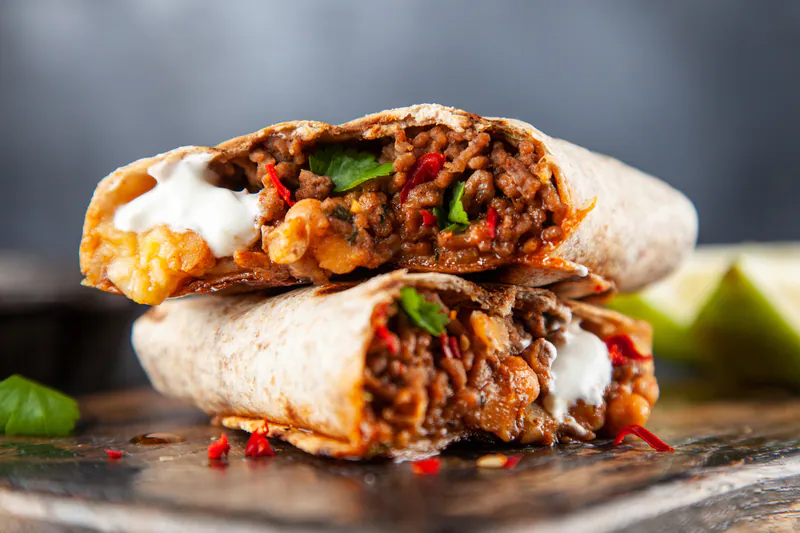
Beef and bean burrito
Mexican · 50 min · 907 kcal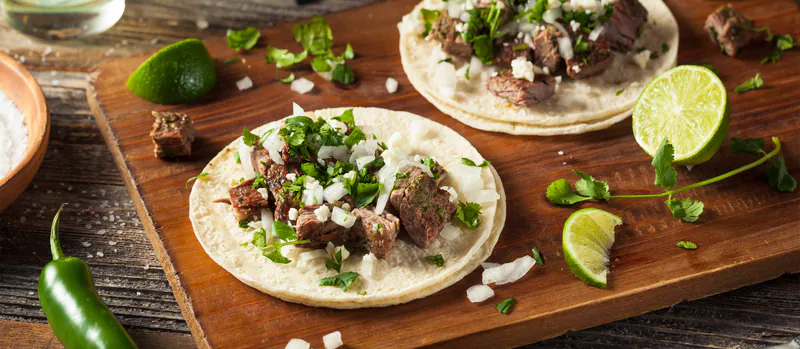
Carne asada tacos
Mexican · 3 h 5 min · 899 kcal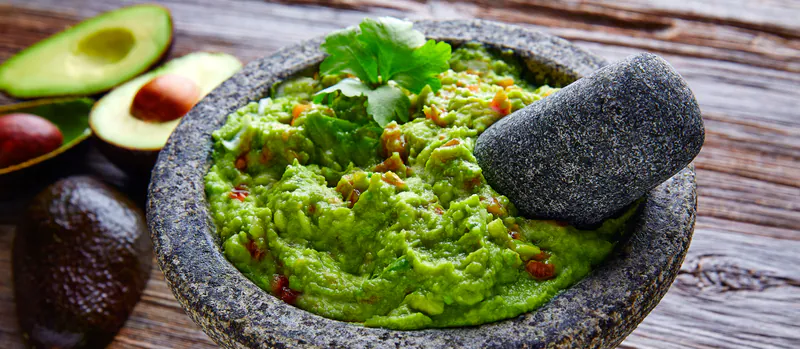
Guacamole
Mexican · 10 min · 186 kcal · Vegan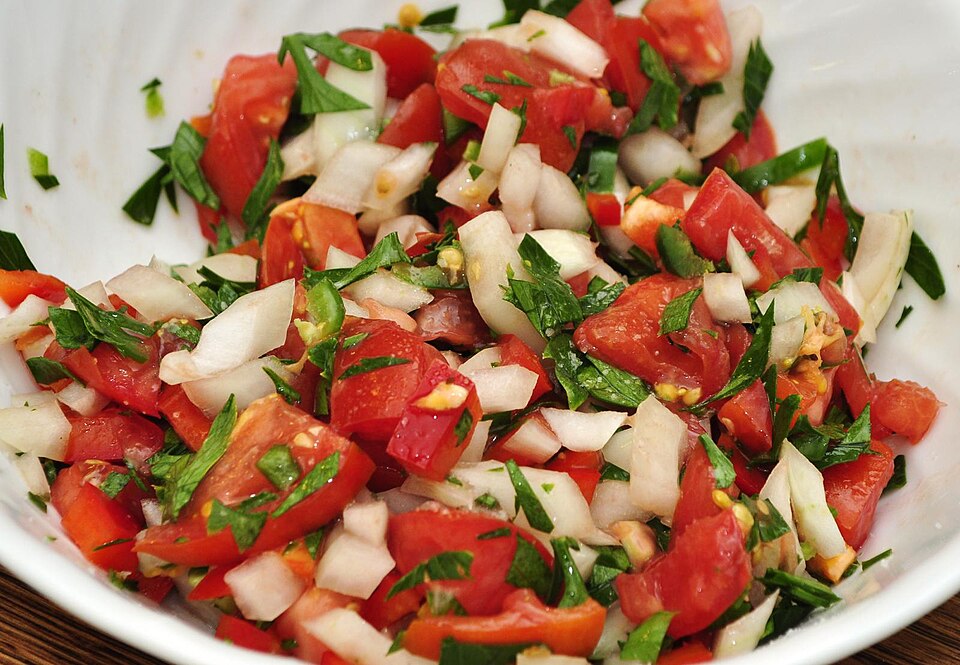
Pico de gallo
Mexican · 25 min · 21 kcal · Vegan