
 Spanish · Mediterranean · Desserts
Mel i mató (Catalan fresh cheese with honey)
Vegetarian
Mel i mató
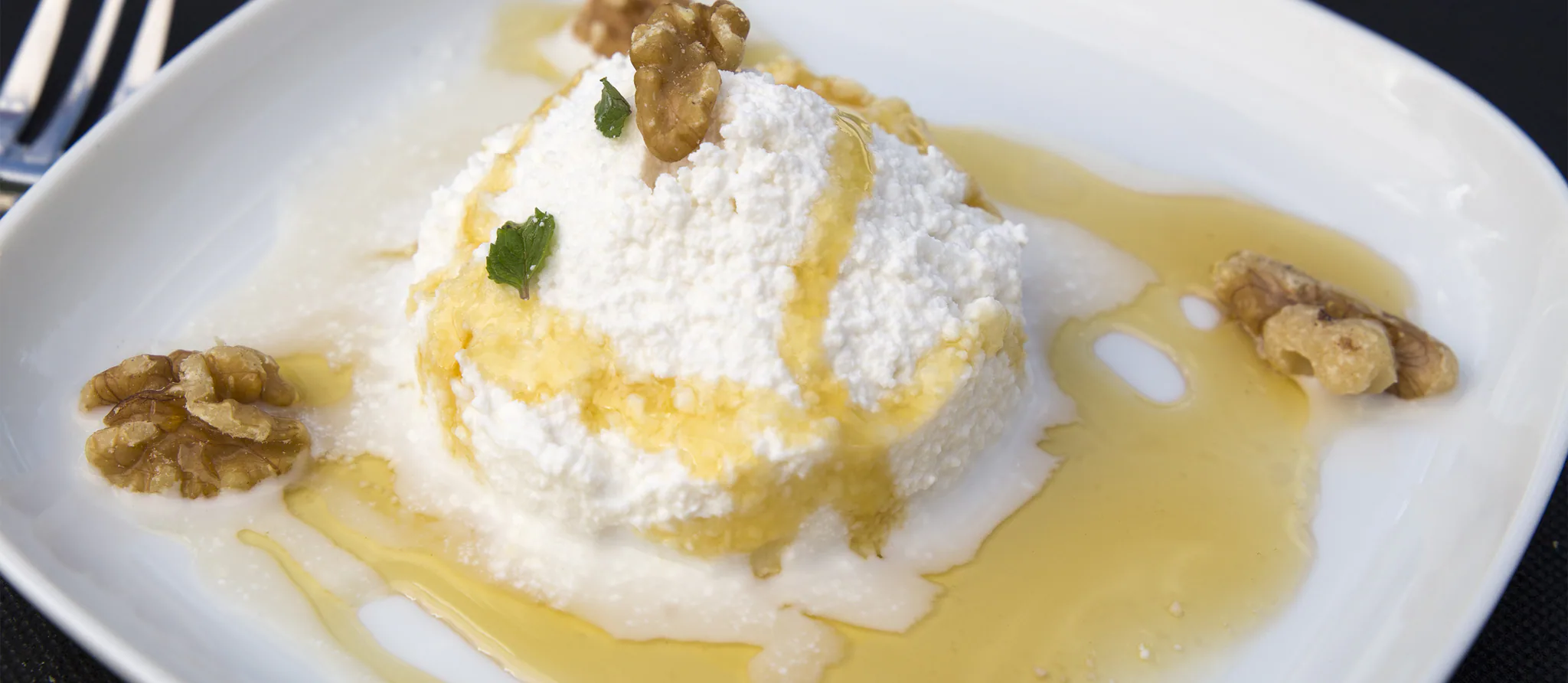
Soft, mild, freshly made mató curd cheese served in thick spoonfuls with a generous pour of honey, often with walnuts. Catalonia's simplest and best-loved dessert, both at home and in restaurants.
Mel i mató (Catalan fresh cheese with honey) is a Spanish dessert from Spain, ready in about 1 hour 55 minutes and made with milk and honey. It serves 4 and is rated easy to cook.
- Prep
- 10 min
- Cook
- 15 min
- Rest
- 1 h 30 min
- Total
- 1 h 55 min
- Serves
- 4
- Level
- Easy
- Calories
- 334
Main ingredients
Ingredients
For the mató
To serve
Method
Mató
18 minStep 1
Heat the milk (opens in a new tab) with the salt in a heavy pan over medium heat, stirring now and then, to 85–90 °C, when small bubbles appear at the edge. Do not let it boil.
- 12 min
- medium heat
- Saucepan (opens in a new tab)
- Food thermometer (opens in a new tab)
Step 2
Take off the heat, stir in the lemon juice (opens in a new tab) gently in one or two strokes and leave undisturbed for 10 minutes while soft white curds separate from the yellowish whey.
- 1 min
Step 3
Line a sieve with a damp, fine cloth. Lift the curds into it with a slotted spoon (opens in a new tab) and leave to drain for 30–60 minutes, until soft and spoonable. Pack into small moulds or a bowl and chill for at least 30 minutes.
Drain for less time for a creamier mató, longer for a firmer one that can be turned out.
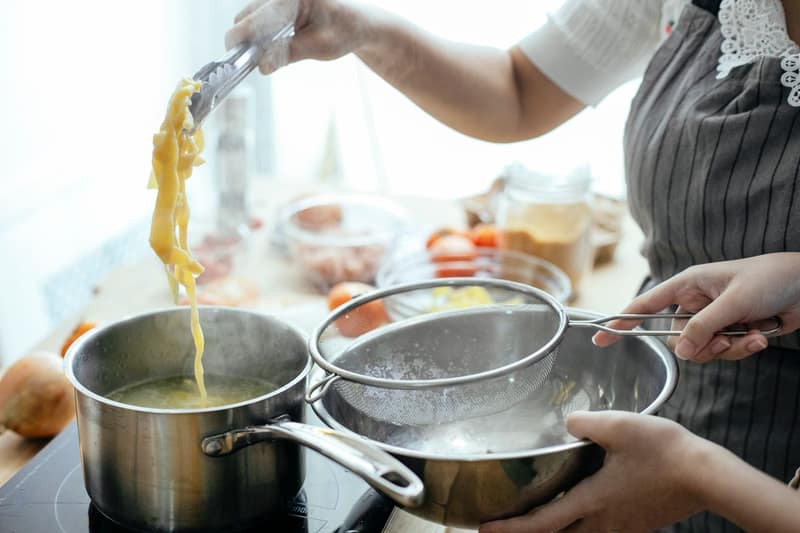
How it looks · Photo: Katerina Holmes on Pexels
To serve
2 minStep 4
Turn out or spoon the mató onto plates, pour over the honey (opens in a new tab) and scatter with walnuts (opens in a new tab).
- 2 min
How it looks · Photo: Klaus Nielsen on Pexels
At a glance
1 · Mató in a pan
 Milk
 Lemon juice
 Salt
then turn
2 · To serve in a bowl
 Honey
 Walnuts
About this dish
- Origin
- Catalonia, Spain · Well documentedMató is an unsalted fresh cheese of goat's, sheep's or cow's milk, traditionally from Montserrat; similar fresh cheeses are called brossat or brull.More food from Spain
Spain - Dish
- Dessert · Snack · Desserts
- Cooking method
- Simmered
- Taste
- sweet, creamy, mild
- Diet
- Vegetarian (lacto-ovo) · No gluten ingredientsWithout the optional extras: No nut ingredientsWorked out from the ingredients. How labels work
All labels
Vegetarian (lacto-ovo) · Eggetarian · Lacto-vegetarian · Pescatarian · Flexitarian-friendly · Whole-food focused · No gluten ingredients · Egg-free · Alcohol-free · Pork-free · Beef-free · Low-fat · Low-sodium - Good for
- Make-ahead
- Cook more with
- Milk · Honey · Lemon juice
- Techniques
- Simmering
Allergens
- Contains: Milkfrom milk
- Contains, can be adapted: Tree nutsfrom walnuts
Based on typical versions of these ingredients and not verified allergen-free. Brands differ and cross-contact happens, so always check labels. For severe allergies, follow your clinician’s advice.
Nutrition
334 kcal per serving
Calculated1 serving ≈ 429 g · recipe makes 4
Where the energy comes from
- Protein 14%
- Carbohydrate 53%
- Fat 33%
| Nutrient | Per serving | Per 100 g* |
|---|---|---|
| Energy | 334 kcal | 78 kcal |
| Protein | 12.3 g | 2.9 g |
| Carbohydrate | 45.3 g | 10.5 g |
| Net carbohydrate | 45.2 g | 10.5 g |
| Sugars | 45.7 g | 10.6 g |
| Added sugars | 25.8 g | 6 g |
| Fibre | 0.1 g | 0 g |
| Fat | 12.6 g | 2.9 g |
| Saturated fat | 7.2 g | 1.7 g |
| Trans fat | — | — |
| Cholesterol | 39 mg | 9 mg |
| Sodium | 206 mg | 48 mg |
| Salt equivalent | 0.5 g | 0.1 g |
Vitamins & minerals per serving
- Potassium
- 538 mg
- Calcium
- 439 mg
- Iron
- 0.3 mg
- Magnesium
- 40 mg
- Vitamin A (RAE)
- 178 µg
- Vitamin C
- 5 mg
- Vitamin D
- 5 µg
- Vitamin B12
- 1.7 µg
- Folate (DFE)
- 22 µg
How these numbers were made
- Calculated from USDA FoodData Central (SR Legacy) per-100 g values and the listed quantities.
- *Per 100 g of combined raw ingredients; the cooked dish may weigh more or less.
- Optional ingredients are not included: walnuts.
- “—” means the value isn’t known for enough of the ingredients; it is never zero by default.
- Values are estimates for guidance, not for medical dosing. U.S. Department of Agriculture, Agricultural Research Service. FoodData Central, 2019. fdc.nal.usda.gov.
Good to know
Tips
- Shop-bought ricotta or requesón stands in well when you have no time to make mató.
- Use the leftover whey in bread dough or soups.
Common mistakes
- Boiling the milk or stirring after adding the lemon, which makes small, rubbery curds.
Serve with
- Add a few fresh figs or a spoon of quince paste in autumn.
- Serve with a glass of sweet moscatel.
Food safety
- Home-made fresh cheese is perishable: keep it chilled and eat within 3 days.
Storage
- Fresh mató keeps 3 days, covered, in the fridge.
Variations
- Mató with nuts and dried fruit: Topped with toasted almonds, hazelnuts, raisins or figs as well as honey.
- Mató with sugar and cinnamon: A simple variant with sugar or jam instead of honey.
Original editorial recipe · FriendsPantry editorial · source: TasteAtlas (dish facts) · Not yet independently reviewed · Added
Recipe DNA
How this dish is built
Reviews & corrections
Reviews come from signed-in cooks and appear after a moderator checks them. We never show made-up ratings.
You might also like
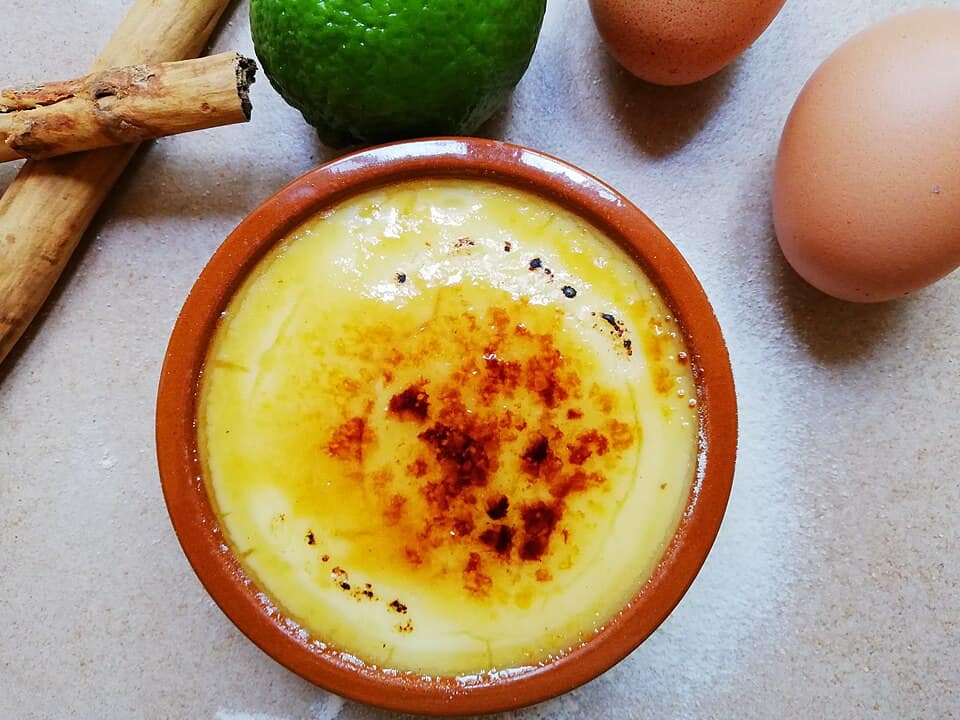
Crema catalana
Spanish · 3 h 30 min · 288 kcal · Contains egg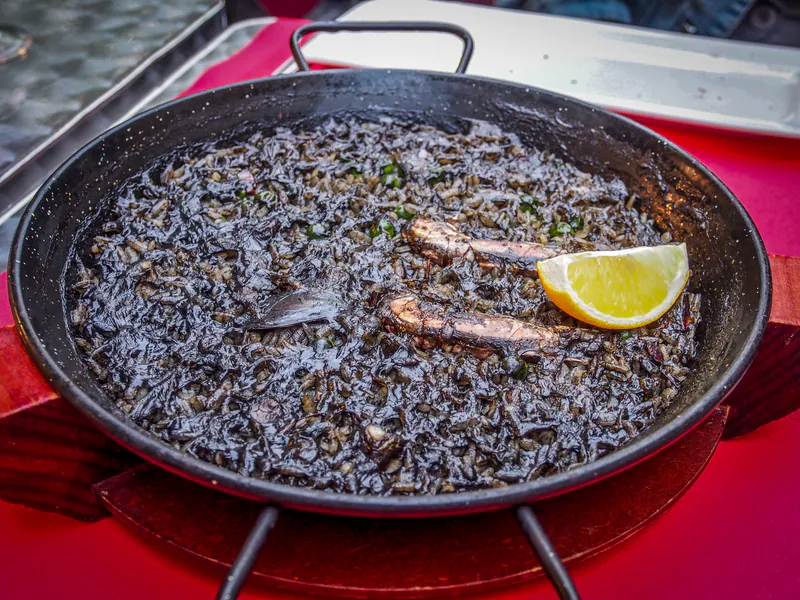
Arròs negre (black rice with cuttlefish)
Spanish · 1 h 20 min · 950 kcal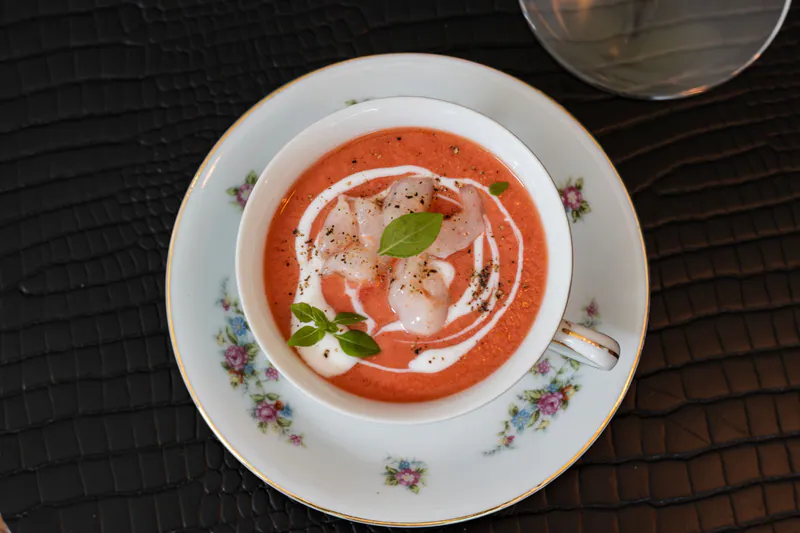
Gazpacho
Spanish · 2 h 15 min · 220 kcal · Vegan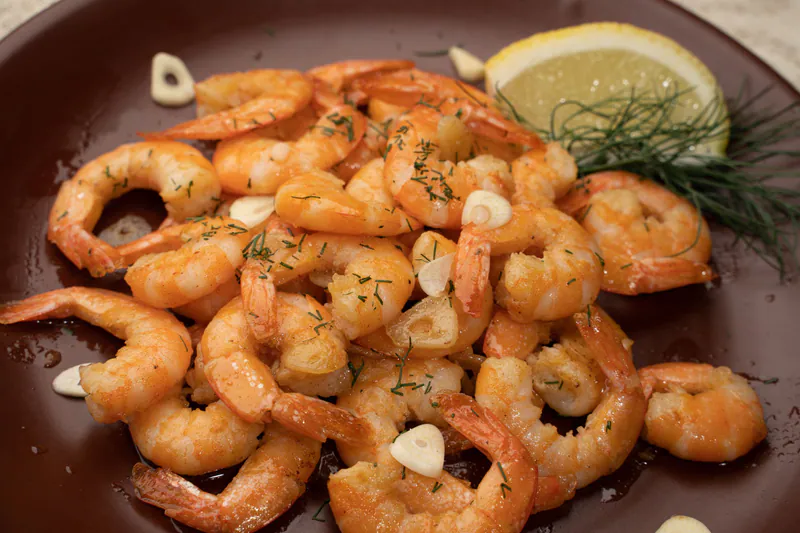
Gambas al ajillo
Spanish · 16 min · 299 kcal