
Lobster fra diavolo
Non-vegetarian
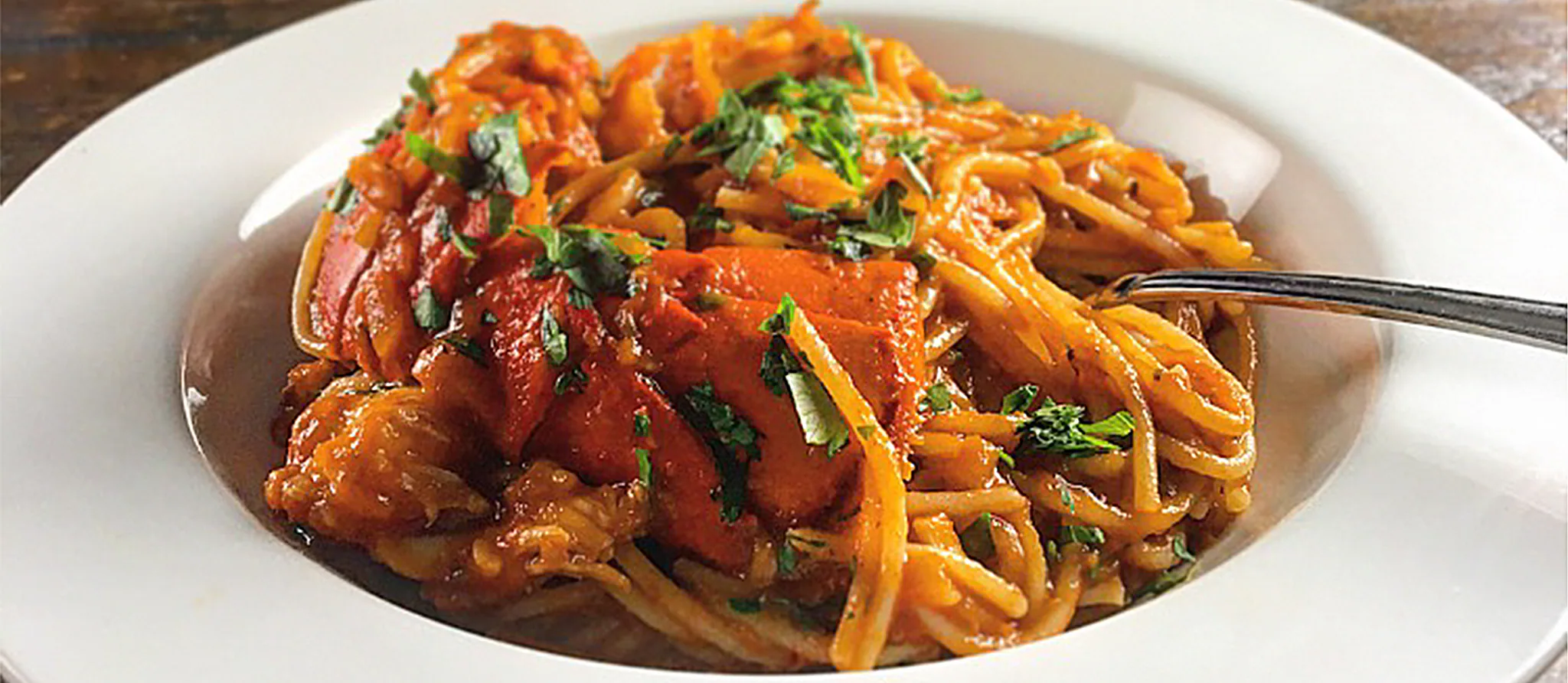
Halved lobsters seared in olive oil and simmered in a fiery tomato sauce with garlic, chilli flakes and white wine, then tossed with linguine. An Italian-American red-sauce classic from New York, named for its 'devilish' heat.
Lobster fra diavolo is an American pasta dish, ready in about 55 minutes and made with lobster, garlic and red chilli flakes. It serves 4 and is rated intermediate to cook.
- Prep
- 20 min
- Cook
- 35 min
- Total
- 55 min
- Serves
- 4
- Level
- Intermediate
- Calories
- 673
Main ingredients
Ingredients
For the lobster
For the sauce
For the pasta
To finish
Method
Lobster
19 minStep 1
Chill the lobsters (opens in a new tab) in the freezer until sluggish, then kill each one with a firm cut through the head and split it lengthways. Remove the stomach sac and intestinal vein, twist off the claws and crack them. Season the cut sides with salt.
Food safety: To kill live crabs or lobsters quickly, chill them in the freezer for 20–30 minutes until sluggish, then split or spike them swiftly with a heavy knife through the head.
Step 2
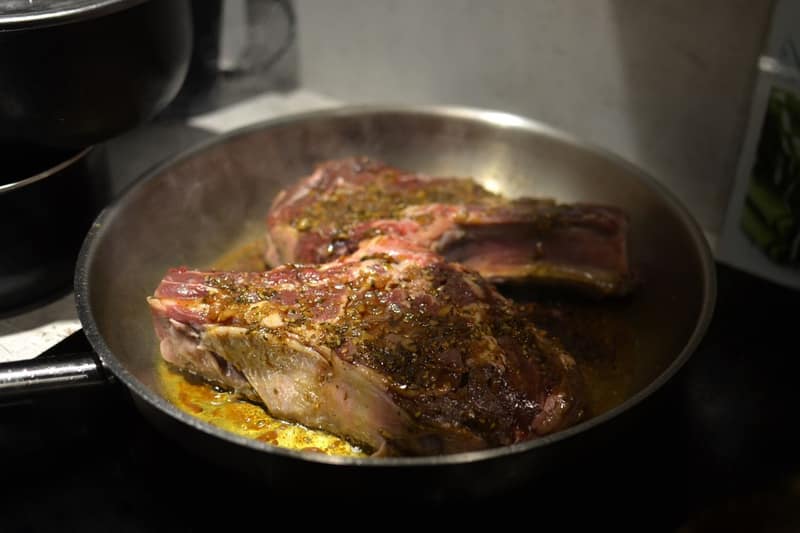
Heat 4 tbsp olive oil (opens in a new tab) in a wide, deep pan over high heat. Sear the lobster (opens in a new tab) halves cut-side down with the claws for 2–3 minutes until the shells turn red. Lift out onto a plate.
How it looks · Photo: Skylar Kang on Pexels
Sauce
18 minStep 3
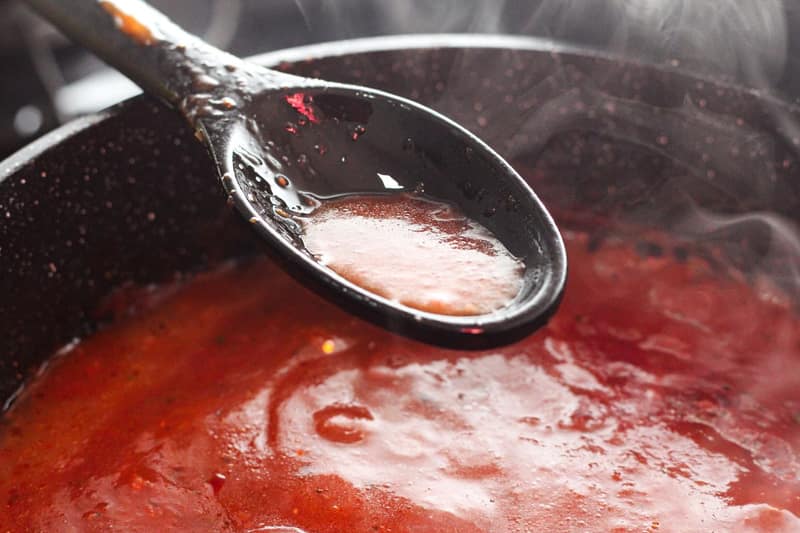
Lower the heat to medium, add the garlic (opens in a new tab) and chilli flakes (opens in a new tab) and cook for 1 minute until the garlic is pale gold. Pour in the wine and let it bubble for 2 minutes, then add the tomatoes, oregano (opens in a new tab), salt and pepper (opens in a new tab). Simmer for 15 minutes until slightly thickened.
- 18 min
- medium heat
- Dutch oven / casserole pot (opens in a new tab)
How it looks · Photo: Nanda Mends on Pexels
Pasta
16 minStep 4
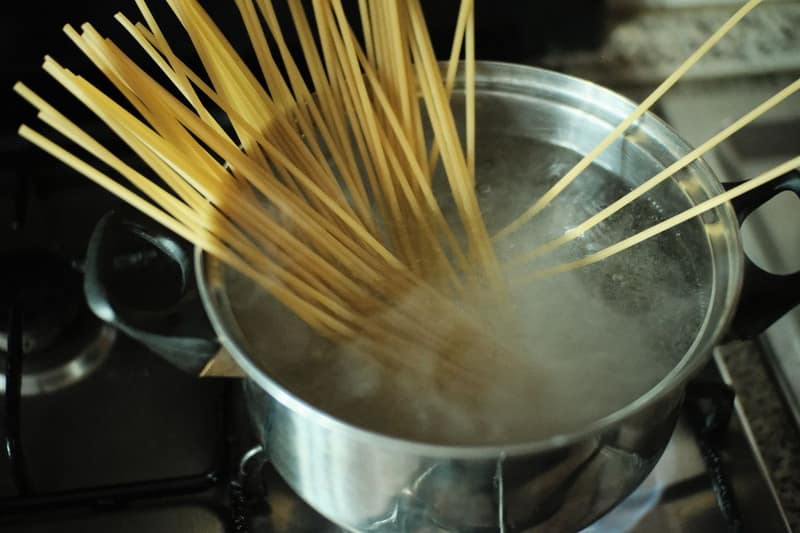
Meanwhile, bring the water to the boil with 2 tbsp salt and cook the linguine (opens in a new tab) until 2 minutes short of al dente. Keep a mug of pasta water, then drain.
How it looks · Photo: Gianpiero Ferraro on Pexels Step 5
Return the lobster (opens in a new tab) to the sauce, cover and simmer for 5–6 minutes until the meat is white and opaque. Lift the lobster out again onto a warm platter.
- 6 min
- medium heat
Food safety: Cook lobster the day you buy it, until the shell is bright red and the meat is white and opaque; refrigerate leftovers within 2 hours.
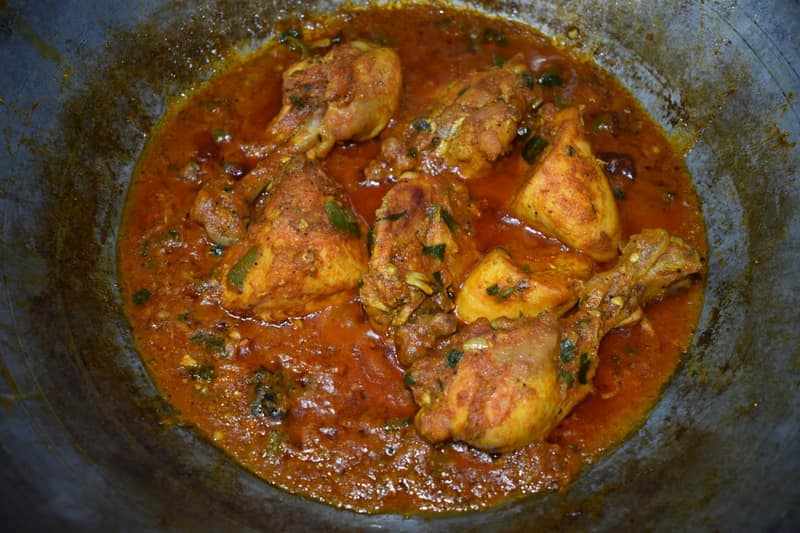
How it looks · Photo: Bachir Mamud on Pexels
To finish
3 minStep 6
Add the linguine (opens in a new tab) to the sauce and toss over the heat for 2 minutes with a splash of pasta water until glossy. Pile onto plates, arrange the lobster (opens in a new tab) on top, scatter with parsley (opens in a new tab) and drizzle with olive oil (opens in a new tab).
- 3 min
- medium heat
- Tongs (opens in a new tab)
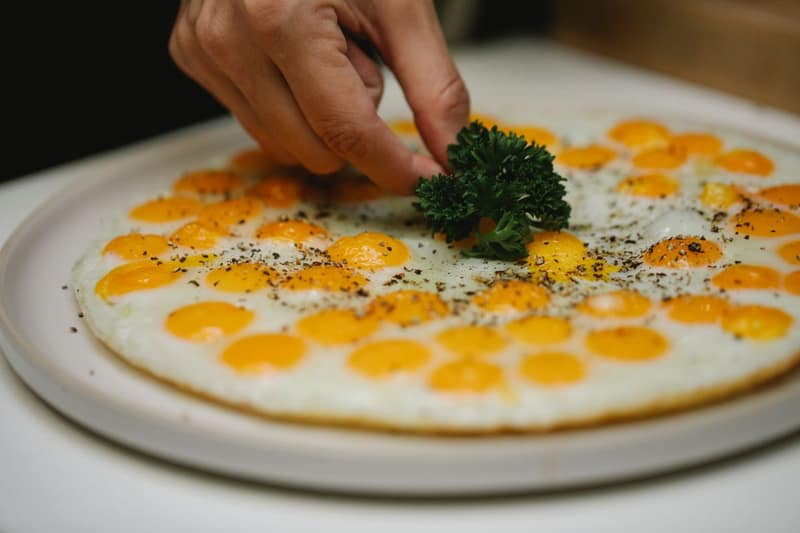
How it looks · Photo: Klaus Nielsen on Pexels
At a glance
1 · Lobster in a pan
 Lobster
 Olive oil
 Salt
then lower
2 · Sauce in a pan
 Garlic
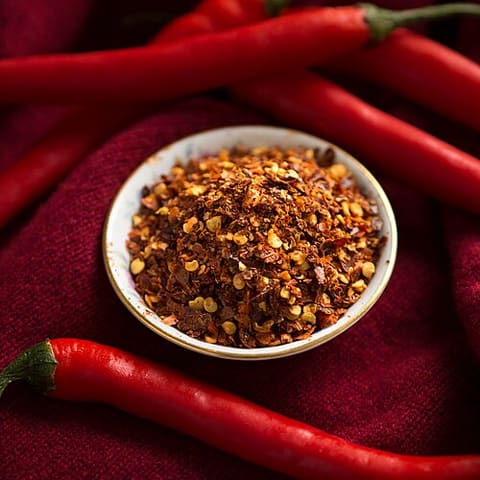 Red chilli flakes
 Dry white wine
 Canned tomatoes
 Dried oregano
- Salt
 Black pepper
then bring
3 · Pasta in a pot
 Dried pasta
- Salt
then add
4 · To finish in a bowl
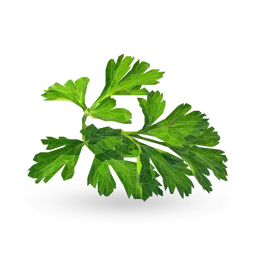 Parsley
- Olive oil
About this dish
- Origin
- New York City, United States · Origin disputedUsually credited to Italian-American restaurants in New York in the early 20th century; some trace the spicy tomato treatment back to southern Italy, where it is little known by this name.More food from United States
United States - Dish
- Dinner · Pasta · Main courses
- Cooking method
- Sautéed, Simmered, Boiled
- Taste
- spicy (chilli heat), garlicky, tangy, rich
- Diet
- Pescatarian · Dairy-free · No nut ingredients · High-proteinWorked out from the ingredients. How labels work
All labels
Pescatarian · Non-vegetarian · Dairy-free · Egg-free · No nut ingredients · No added sugar · Pork-free · Beef-free · High-protein - Good for
- Festive & celebration
- Cook more with
- Lobster · Garlic · Red chilli flakes · Canned tomatoes · Dry white wine · Dried oregano
Allergens
- May contain: Eggsfrom dried pasta
- Contains: Crustaceansfrom lobster
- Contains: Wheatfrom dried pasta
- Contains: Glutenfrom dried pasta
- Contains: Sulphitesfrom dry white wine
Based on typical versions of these ingredients and not verified allergen-free. Brands differ and cross-contact happens, so always check labels. For severe allergies, follow your clinician’s advice.
Nutrition
673 kcal per serving
Estimated1 serving ≈ 468 g · recipe makes 4
Where the energy comes from
- Protein 20%
- Carbohydrate 53%
- Fat 28%
| Nutrient | Per serving | Per 100 g* |
|---|---|---|
| Energy | 673 kcal | 144 kcal |
| Protein | 31.8 g | 6.8 g |
| Carbohydrate | 85.6 g | 18.3 g |
| Net carbohydrate | 77.9 g | 16.6 g |
| Sugars | 8.3 g | 1.8 g |
| Added sugars | 0 g | 0 g |
| Fibre | 7.6 g | 1.6 g |
| Fat | 19.8 g | 4.2 g |
| Saturated fat | 2.9 g | 0.6 g |
| Trans fat | 0 g | 0 g |
| Cholesterol | 127 mg | 27 mg |
| Sodium | 1926 mg | 411 mg |
| Salt equivalent | 4.8 g | 1 g |
Vitamins & minerals per serving
- Potassium
- 898 mg
- Calcium
- 198 mg
- Iron
- 5.4 mg
- Magnesium
- 120 mg
- Vitamin A (RAE)
- 72 µg
- Vitamin C
- 33 mg
- Vitamin D
- 0 µg
- Vitamin B12
- 1.3 µg
- Folate (DFE)
- 425 µg
How these numbers were made
- Calculated from USDA FoodData Central (SR Legacy) per-100 g values and the listed quantities.
- *Per 100 g of combined raw ingredients; the cooked dish may weigh more or less.
- Red chilli flakes: Ground cayenne (FDC 170932) used as a stand-in for dried chilli flakes such as pul biber or Aleppo pepper.
- “—” means the value isn’t known for enough of the ingredients; it is never zero by default.
- Values are estimates for guidance, not for medical dosing. U.S. Department of Agriculture, Agricultural Research Service. FoodData Central, 2019. fdc.nal.usda.gov.
Good to know
Tips
- Cooking the lobster in its shell in the sauce flavours it deeply; for easier eating, pick the meat out and stir it back in at the end.
Common mistakes
- Simmering the lobster in the sauce for too long, which makes it rubbery.
- Burning the garlic before the tomatoes go in — it turns the whole sauce bitter.
Serve with
- Serve with crusty Italian bread, a green salad and a crisp white wine.
- Put out bowls for shells and crackers for the claws.
Food safety
- Cook lobster the day you buy it, until the shell is bright red and the meat is white and opaque; refrigerate leftovers within 2 hours.
- To kill live crabs or lobsters quickly, chill them in the freezer for 20–30 minutes until sluggish, then split or spike them swiftly with a heavy knife through the head.
Storage
- Best eaten fresh; leftover sauce with picked lobster meat keeps 1 day refrigerated.
Reheating
- Warm gently in a pan just until hot to avoid toughening the lobster.
Variations
- Shrimp fra diavolo: Large prawns replace lobster for a quicker, cheaper weeknight version.
- Seafood fra diavolo: Lobster, clams, mussels and calamari together in the spicy sauce.
Original editorial recipe · FriendsPantry editorial · source: TasteAtlas (dish facts) · Not yet independently reviewed · Added
Recipe DNA
How this dish is built
Built from the recipe’s own sections. Each band’s width is its share of the dish by weight. Choose a component to see what it does.
The body of the dish
For the sauce
- Garlic, thinly sliced6 clove · 24 g
- Red chilli flakes1.5 tsp · 2.8 g
- Dry white wine, dry150 ml · 149 g
- Canned tomatoes, whole plum tomatoes, crushed by hand800 g
- Dried oregano, dried1 tsp · 1 g
- Salt1 tsp · 6 g
- Black pepper0.5 tsp · 1.2 g
Reviews & corrections
Reviews come from signed-in cooks and appear after a moderator checks them. We never show made-up ratings.
You might also like
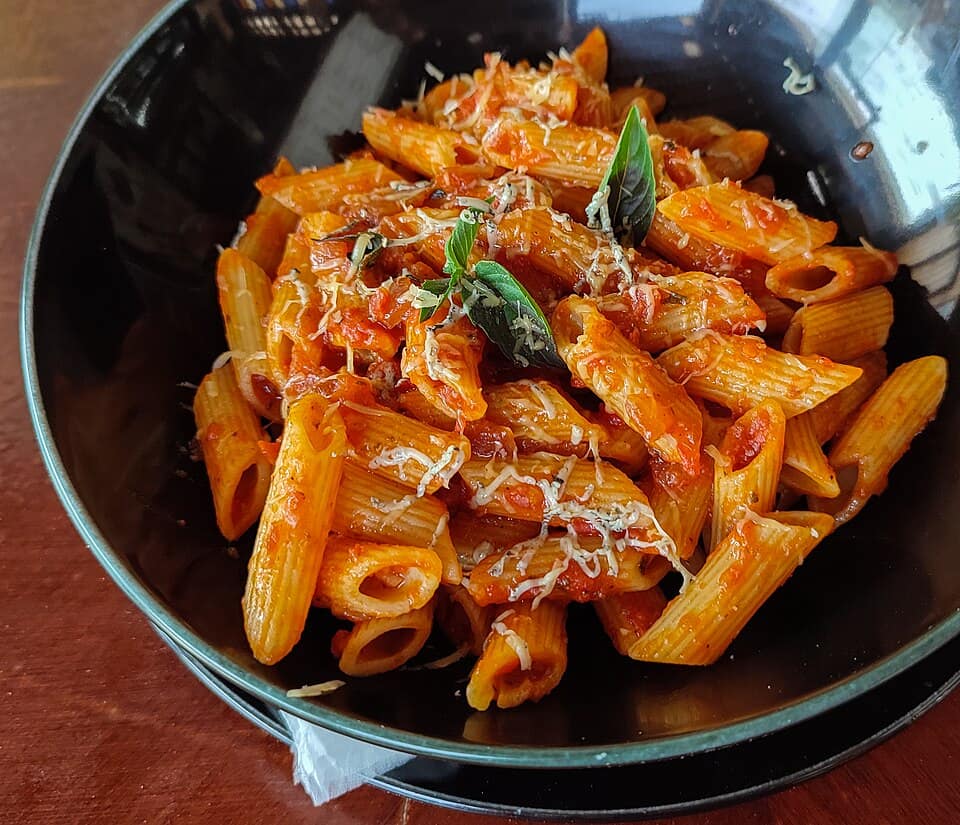
Penne all'arrabbiata
 Italian · 25 min · 408 kcal · Vegetarian
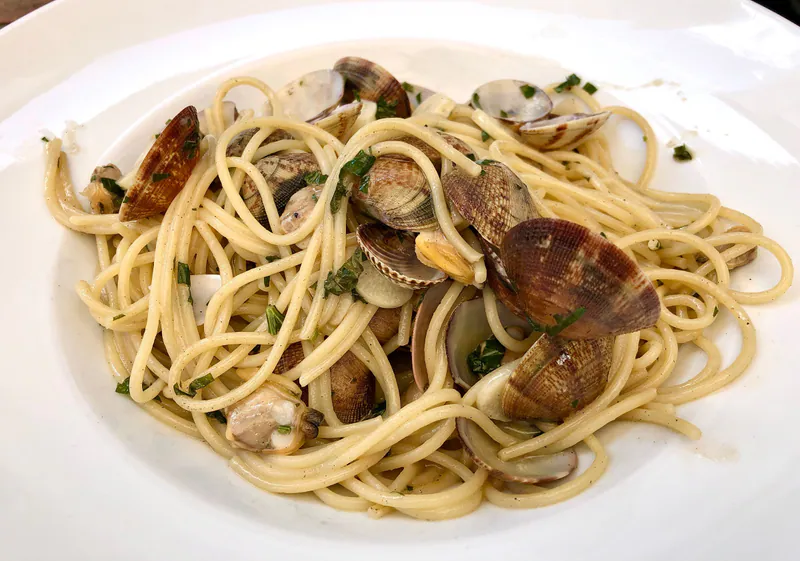
Spaghetti alle vongole
Italian · 1 h · 496 kcal
Boiled Maine lobster with drawn butter
 American · 1 h 13 min · 346 kcal
Cioppino (San Francisco seafood stew)
American · 1 h 30 min · 604 kcal