
 Uruguayan · Argentine · Salads
Lengua a la vinagreta (beef tongue in vinaigrette)
Non-vegetarian
Lengua a la vinagreta
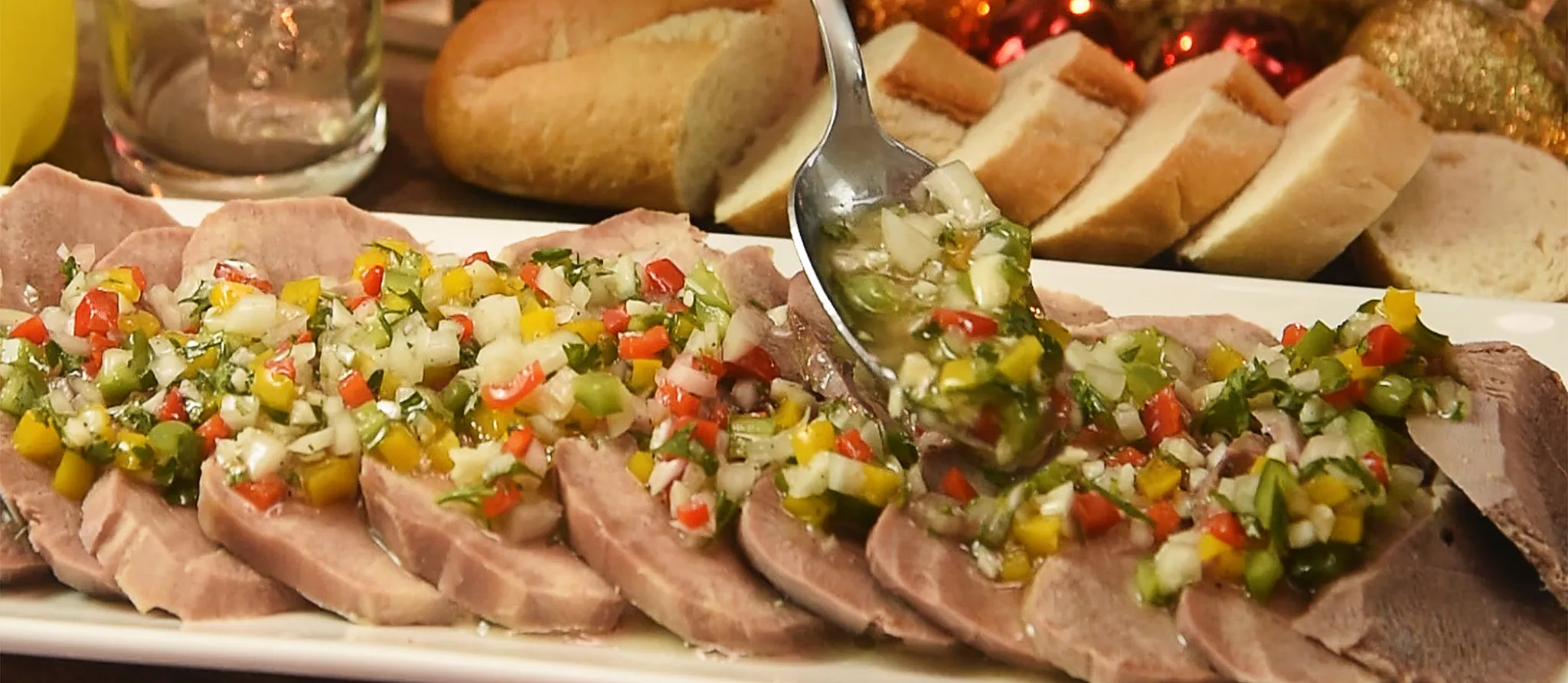
Slowly simmered beef tongue, peeled, thinly sliced and marinated in a sharp vinaigrette of white wine vinegar, olive oil, garlic, parsley and diced peppers, served cold. A classic starter of Uruguayan and Argentine family gatherings and Christmas tables.
Lengua a la vinagreta (beef tongue in vinaigrette) is an Uruguayan starter, ready in about 7 hours 25 minutes and made with beef tongue, olive oil and wine vinegar. It serves 8 and is rated easy to cook.
- Prep
- 25 min
- Cook
- 3 h
- Rest
- 4 h
- Total
- 7 h 25 min
- Serves
- 8
- Level
- Easy
- Calories
- 338
Mostly unattended simmering and marinating; a pressure cooker cuts the cooking to about 1 hour.
Main ingredients
Ingredients
For the tongue
For the vinaigrette
To garnish
Method
Tongue
3 h 15 minStep 1
Put the tongue in a large pot with the onion (opens in a new tab), carrot (opens in a new tab), celery (opens in a new tab), bay leaves (opens in a new tab), peppercorns (opens in a new tab) and salt, cover with cold water and bring to the boil. Skim, then simmer gently for 2½–3 hours (about 1 hour in a pressure cooker (opens in a new tab)) until a skewer slides easily into the thickest part.
Step 2
While still warm, peel off the thick outer skin (it comes away easily when hot) and trim the gristle at the root end. Leave to cool, then slice thinly across.
Plunge the tongue into cold water for a minute so you can handle it, but peel it while warm.
Vinaigrette
5 minStep 3
Whisk the olive oil (opens in a new tab), vinegar, garlic (opens in a new tab), parsley (opens in a new tab), peppers (opens in a new tab), onion (opens in a new tab), salt and pepper.
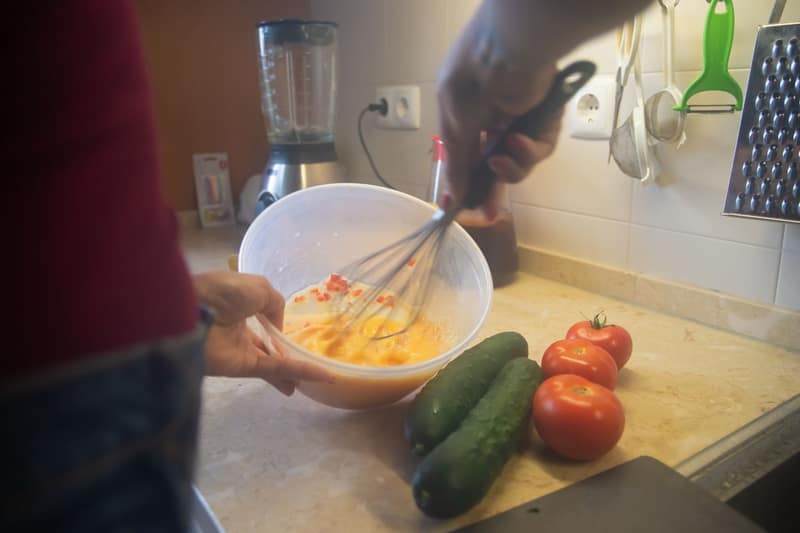
How it looks · Photo: Kampus Production on Pexels
To garnish
5 minStep 4
Layer the tongue slices in a shallow dish, spooning vinaigrette over each layer. Cover and marinate in the fridge for at least 4 hours or overnight. Garnish with chopped egg (opens in a new tab) and capers (opens in a new tab) before serving.
- 5 min
At a glance
1 · Tongue in a pot
 Beef tongue
 Onion
 Carrot
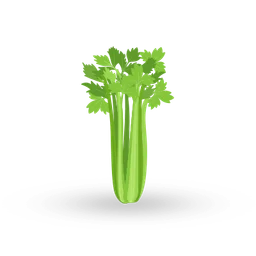 Celery
 Bay leaves
 Black peppercorns
 Salt
then whisk
2 · Vinaigrette in a bowl
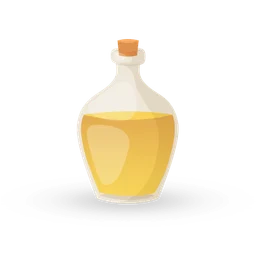 Olive oil
 Wine vinegar
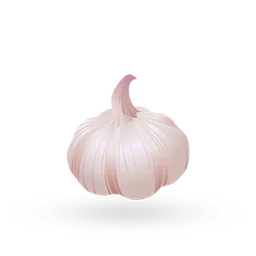 Garlic
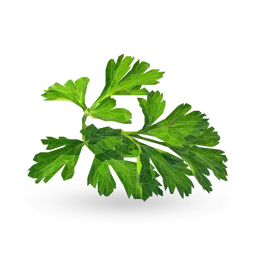 Parsley
 Red bell pepper
- Green bell pepper
- Onion
- Salt
- Black pepper
then layer
3 · To garnish in a bowl
 Egg
 Capers
About this dish
- Origin
- Uruguay · Commonly attributedEaten on both sides of the Río de la Plata, especially at Christmas and New Year as a cold starter (fiambre); the dish reflects Spanish and Italian immigrant cooking.Also popular in ArgentinaMore food from Uruguay
Uruguay - Dish
- Lunch · Dinner · Appetizers & starters · Salads
- Cooking method
- Simmered, Marinated / cured
- Taste
- tangy, garlicky, herby, savoury
- Diet
- No gluten ingredients · Dairy-free · No nut ingredients · Keto-style · Low-carb · High-proteinWithout the optional extras: Egg-freeWorked out from the ingredients. How labels work
All labels
Non-vegetarian · Whole-food focused · Paleo-style · No gluten ingredients · Dairy-free · No nut ingredients · No added sugar · Alcohol-free · Pork-free · Keto-style · Low-carb · High-protein · Calorie-conscious - Good for
- Make-ahead · Festive & celebration
- Cook more with
- Beef tongue · Wine vinegar · Parsley · Onion · Carrot · Celery
- Techniques
- Boiling · Simmering · Pressure cooking · Marinating · Curing
Allergens
- Contains, can be adapted: Eggsfrom egg
- Contains: Celeryfrom celery
- May contain: Sulphitesfrom wine vinegar
Based on typical versions of these ingredients and not verified allergen-free. Brands differ and cross-contact happens, so always check labels. For severe allergies, follow your clinician’s advice.
Nutrition
338 kcal per serving
Estimated1 serving ≈ 227 g · recipe makes 8
Where the energy comes from
- Protein 33%
- Carbohydrate 5%
- Fat 62%
| Nutrient | Per serving | Per 100 g* |
|---|---|---|
| Energy | 338 kcal | 149 kcal |
| Protein | 27.2 g | 12 g |
| Carbohydrate | 4.3 g | 1.9 g |
| Net carbohydrate | 3.2 g | 1.4 g |
| Sugars | 1.6 g | 0.7 g |
| Added sugars | 0 g | 0 g |
| Fibre | 1.1 g | 0.5 g |
| Fat | 23.1 g | 10.2 g |
| Saturated fat | 4.5 g | 2 g |
| Trans fat | — | — |
| Cholesterol | 186 mg | 82 mg |
| Sodium | 1326 mg | 585 mg |
| Salt equivalent | 3.3 g | 1.5 g |
Vitamins & minerals per serving
- Potassium
- 555 mg
- Calcium
- 31 mg
- Iron
- 7.1 mg
- Magnesium
- 40 mg
- Vitamin A (RAE)
- 93 µg
- Vitamin C
- 26 mg
- Vitamin D
- —
- Vitamin B12
- 12.8 µg
- Folate (DFE)
- 20 µg
How these numbers were made
- Calculated from USDA FoodData Central (SR Legacy) per-100 g values and the listed quantities.
- *Per 100 g of combined raw ingredients; the cooked dish may weigh more or less.
- Optional ingredients are not included: onion, egg, capers.
- Beef tongue: Raw beef heart (FDC 168625) used as a stand-in; both are lean-to-moderately fatty beef variety meats, though tongue is somewhat higher in fat.
- “—” means the value isn’t known for enough of the ingredients; it is never zero by default.
- Values are estimates for guidance, not for medical dosing. U.S. Department of Agriculture, Agricultural Research Service. FoodData Central, 2019. fdc.nal.usda.gov.
Good to know
Tips
- Keep the cooking broth: it makes an excellent base for soup or puchero.
Common mistakes
- Letting the tongue cool fully before peeling, which makes the skin stick.
Serve with
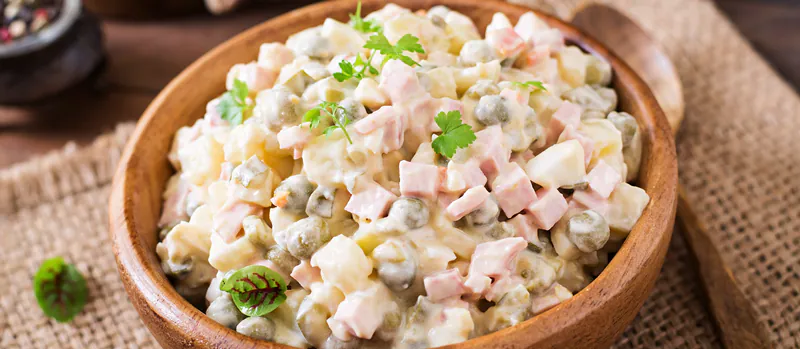
- Serve cold as part of a Christmas picada with vitel toné, Russian salad and crusty bread.
Food safety
- Cool the cooked tongue and refrigerate it within 2 hours; keep the marinated dish cold until serving.
Storage
- Keeps 4 days covered in the fridge in its vinaigrette.
Variations
- Lengua a la vinagreta con huevo: Plenty of chopped hard-boiled egg folded into the vinaigrette.
- Lengua en salsa de escabeche: Marinated with carrots and onions in a warm vinegar escabeche.
Original editorial recipe · FriendsPantry editorial · source: TasteAtlas (dish facts) · Not yet independently reviewed · Added
Sauces, chutneys & dips for this dish
Recipe DNA
How this dish is built
Built from the recipe’s own sections. Each band’s width is its share of the dish by weight. Choose a component to see what it does.
Binds and brightens
For the vinaigrette
- Olive oil150 ml · 137 g
- Wine vinegar, white wine vinegar75 ml · 75 g
- Garlic, very finely chopped3 clove · 12 g
- Parsley, finely chopped30 g
- Red bell pepper, finely diced0.5 piece · 60 g
- Green bell pepper, finely diced0.5 piece · 60 g
- Onion, very finely chopped (optional)0.5 piece · 55 g
- Salt1 tsp · 6 g
- Black pepper0.5 tsp · 1.2 g
Reviews & corrections
Reviews come from signed-in cooks and appear after a moderator checks them. We never show made-up ratings.
You might also like
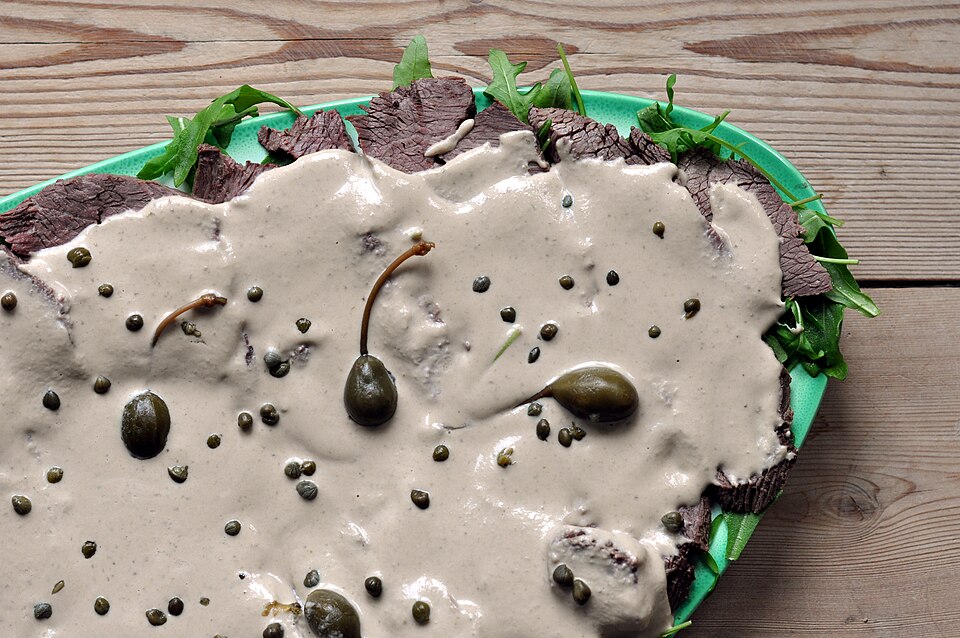
Vitello tonnato
 Italian · 4 h 20 min · 352 kcal
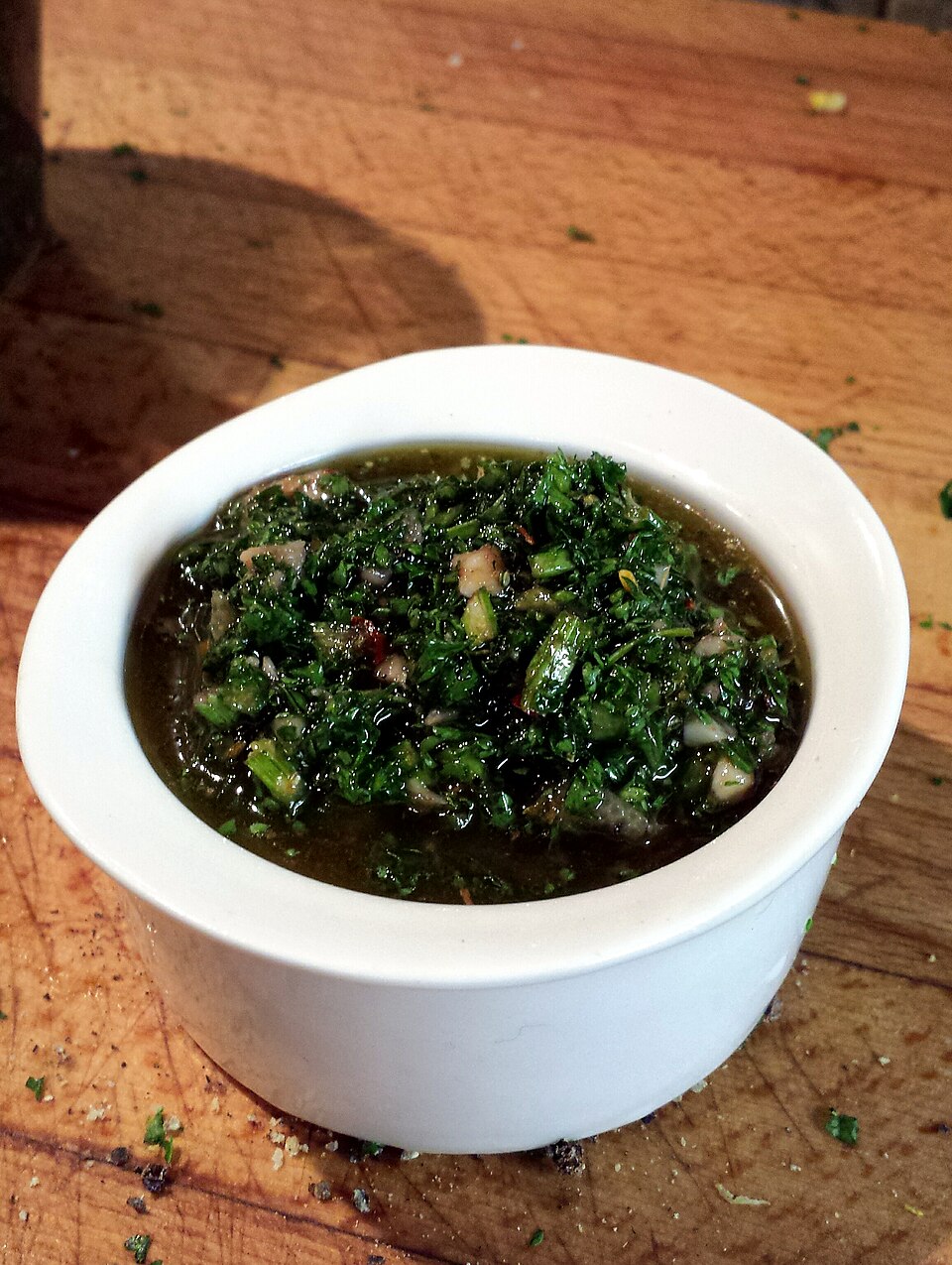
Chimichurri
 Argentine · 45 min · 104 kcal · Vegan
Chivito
Uruguayan · 35 min · 745 kcal
Provoleta (grilled provolone)
Argentine · 43 min · 294 kcal · Vegetarian