
 Sri Lankan · Sweets & confectionery
Kokis (Sri Lankan rosette cookies)
Contains egg (no meat or fish)
කොකිස් · kokis
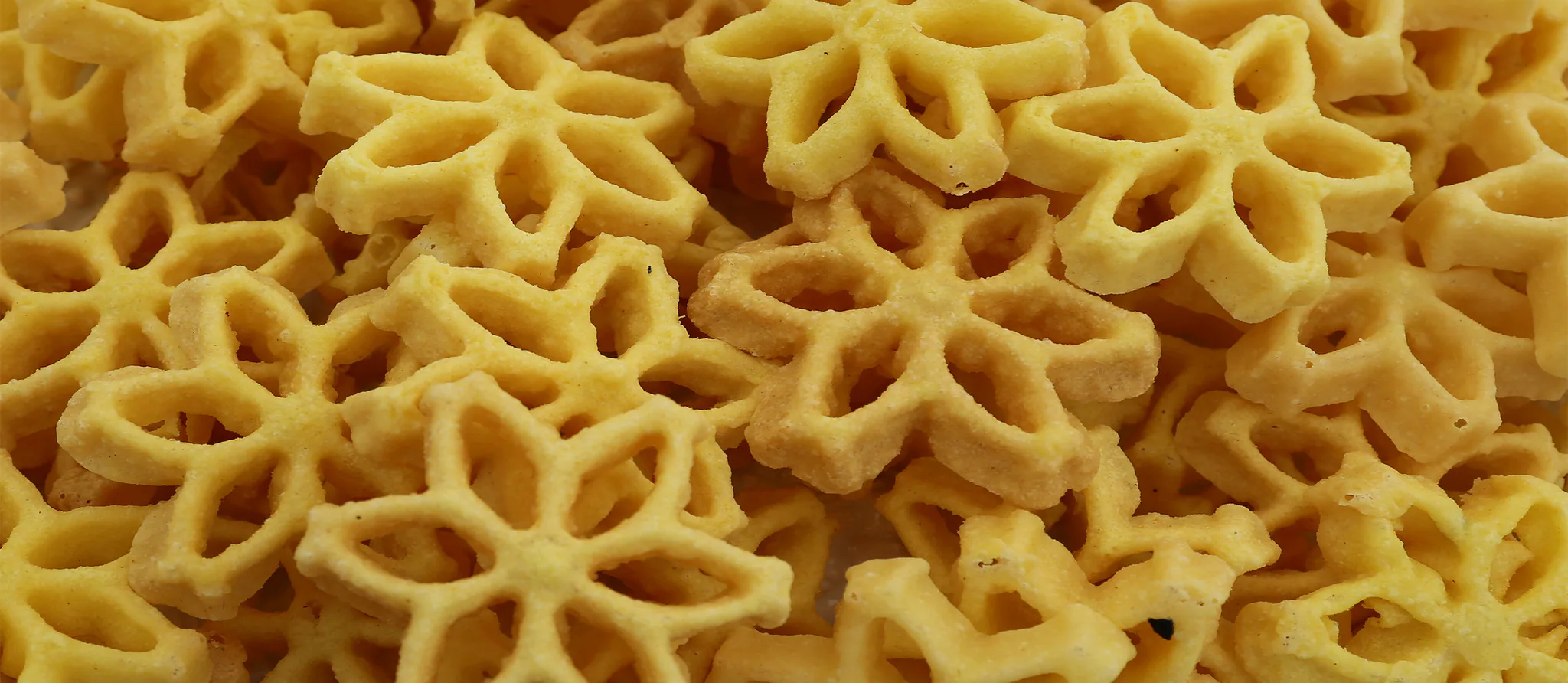
Shatteringly crisp, lacy flowers made by dipping a hot brass mould into a thin batter of rice flour, thick coconut milk and egg, then frying it in coconut oil until the shape slips free. An essential sweet of the Sinhala and Tamil New Year table.
Kokis (Sri Lankan rosette cookies) is a Sri Lankan sweet, ready in about 1 hour 30 minutes and made with rice flour, coconut milk and coconut oil. It serves 10 and is rated advanced to cook.
- Prep
- 15 min
- Cook
- 45 min
- Rest
- 30 min
- Total
- 1 h 30 min
- Serves
- 10
- Level
- Advanced
- Calories
- 210
Main ingredients
Method
Step 1
Whisk (opens in a new tab) the egg (opens in a new tab) with the salt, sugar (opens in a new tab) and turmeric (opens in a new tab). Add the rice flour (opens in a new tab) and coconut milk (opens in a new tab) alternately, whisking to a smooth batter the consistency of thin pancake batter that coats a finger. Add water only if needed. Rest for 30 minutes.
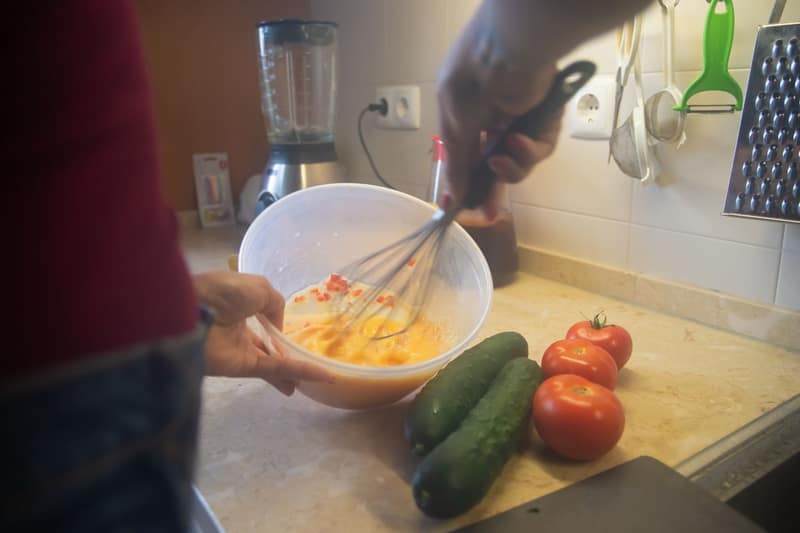
How it looks · Photo: Kampus Production on Pexels Step 2
Heat the coconut oil (opens in a new tab) in a deep saucepan (opens in a new tab) to 180 °C. Lower the kokis mould into the oil and leave it for 2 minutes to get thoroughly hot.
Food safety: Never leave hot oil unattended; keep the pan's handle turned inwards and lower food in gently, away from you.
Step 3
Lift the mould out, let excess oil drip off and dip it into the batter so it comes three-quarters of the way up the sides — never over the top. Lower it straight into the oil. After 10–20 seconds, shake the mould gently (or nudge with a skewer) so the kokis drops off.
- 30 min
If the batter will not stick, the mould is not hot enough; if it will not release, it was dipped too deep or is too hot.
Step 4
Fry each kokis for 1–2 minutes, turning once, until pale golden and crisp. Drain upside down on paper, re-heat the mould in the oil, and repeat. Cool completely before storing.
At a glance
 Rice flour
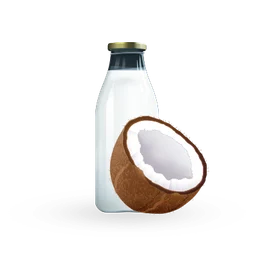 Coconut milk
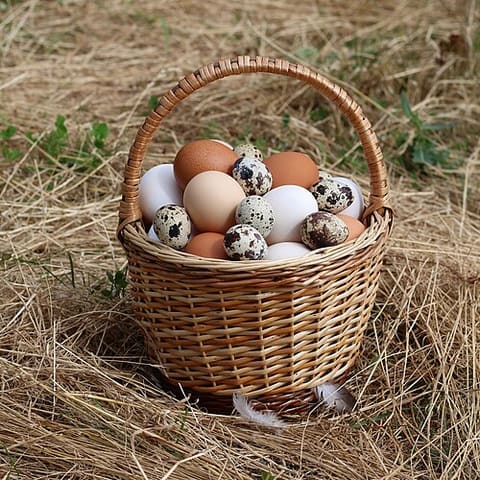 Egg
 Salt
 Sugar
 Turmeric
 Coconut oil
About this dish
- Origin
- Sri Lanka · Well documentedThought to have Dutch or Portuguese roots (similar to rosette cookies); the long-handled kokis mould comes in flower, star and butterfly shapes. Tamil households make the similar achu murukku.Also popular in IndiaMore food from Sri Lanka
Sri Lanka - Dish
- Snack · Sweets & confectionery · Finger food · Fried dough & doughnuts · Cookies & biscuits
- Cooking method
- Deep-fried
- Taste
- nutty, salty, mild
- Diet
- Vegetarian (lacto-ovo) · No gluten ingredients · Dairy-free · No nut ingredientsWithout the optional extras: No added sugarWorked out from the ingredients. How labels work
All labels
Vegetarian (lacto-ovo) · Eggetarian · Ovo-vegetarian · Pescatarian · Flexitarian-friendly · No gluten ingredients · Dairy-free · No nut ingredients · Alcohol-free · Pork-free · Beef-free - Good for
- Festive & celebration · Make-ahead
- Cook more with
- Rice flour · Coconut milk · Coconut oil · Egg
- Techniques
- Deep-frying
Allergens
- Contains: Eggsfrom egg
Based on typical versions of these ingredients and not verified allergen-free. Brands differ and cross-contact happens, so always check labels. For severe allergies, follow your clinician’s advice.
Nutrition
210 kcal per serving
Calculated1 serving ≈ 72 g · recipe makes 10
Where the energy comes from
- Protein 5%
- Carbohydrate 40%
- Fat 55%
| Nutrient | Per serving | Per 100 g* |
|---|---|---|
| Energy | 210 kcal | 293 kcal |
| Protein | 2.7 g | 3.8 g |
| Carbohydrate | 20.9 g | 29.1 g |
| Net carbohydrate | — | — |
| Sugars | — | — |
| Added sugars | 0 g | 0 g |
| Fibre | — | — |
| Fat | 13 g | 18.2 g |
| Saturated fat | 10.8 g | 15 g |
| Trans fat | — | — |
| Cholesterol | 19 mg | 26 mg |
| Sodium | 128 mg | 178 mg |
| Salt equivalent | 0.3 g | 0.4 g |
Vitamins & minerals per serving
- Potassium
- 91 mg
- Calcium
- 11 mg
- Iron
- 1.1 mg
- Magnesium
- 23 mg
- Vitamin A (RAE)
- 8 µg
- Vitamin C
- 0 mg
- Vitamin D
- 0.1 µg
- Vitamin B12
- 0 µg
- Folate (DFE)
- 7 µg
How these numbers were made
- Calculated from USDA FoodData Central (SR Legacy) per-100 g values and the listed quantities.
- *Per 100 g of combined raw ingredients; the cooked dish may weigh more or less.
- Optional ingredients are not included: sugar, turmeric.
- “—” means the value isn’t known for enough of the ingredients; it is never zero by default.
- Values are estimates for guidance, not for medical dosing. U.S. Department of Agriculture, Agricultural Research Service. FoodData Central, 2019. fdc.nal.usda.gov.
Good to know
Tips
- Stir the batter now and then, as rice flour settles to the bottom.
- Season a new mould by leaving it in hot oil for a few minutes before the first try.
Common mistakes
- Covering the top of the mould with batter, which traps the kokis so it cannot fall off.
Serve with
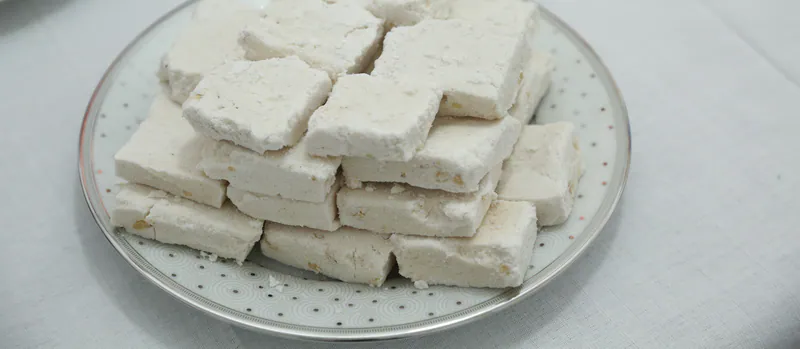
- Serve on the New Year table with kiribath, kavum, aluwa and plain tea.
Food safety
- Never leave hot oil unattended; keep the pan's handle turned inwards and lower food in gently, away from you.
Storage
- Keeps 2 weeks in an airtight tin.
Variations
- Achu murukku (India): The Tamil version, often sweeter and flavoured with sesame or cumin seeds.
Original editorial recipe · FriendsPantry editorial · source: TasteAtlas (dish facts) · Not yet independently reviewed · Added
Recipe DNA
How this dish is built
Grouped by each ingredient’s role in the dish. Each band’s width is its share of the dish by weight. Choose a component to see what it does.
What the dish is built around
Main ingredient
- Rice flour, fine white rice flour, sifted250 g
- Egg1 piece · 50 g
Reviews & corrections
Reviews come from signed-in cooks and appear after a moderator checks them. We never show made-up ratings.
You might also like
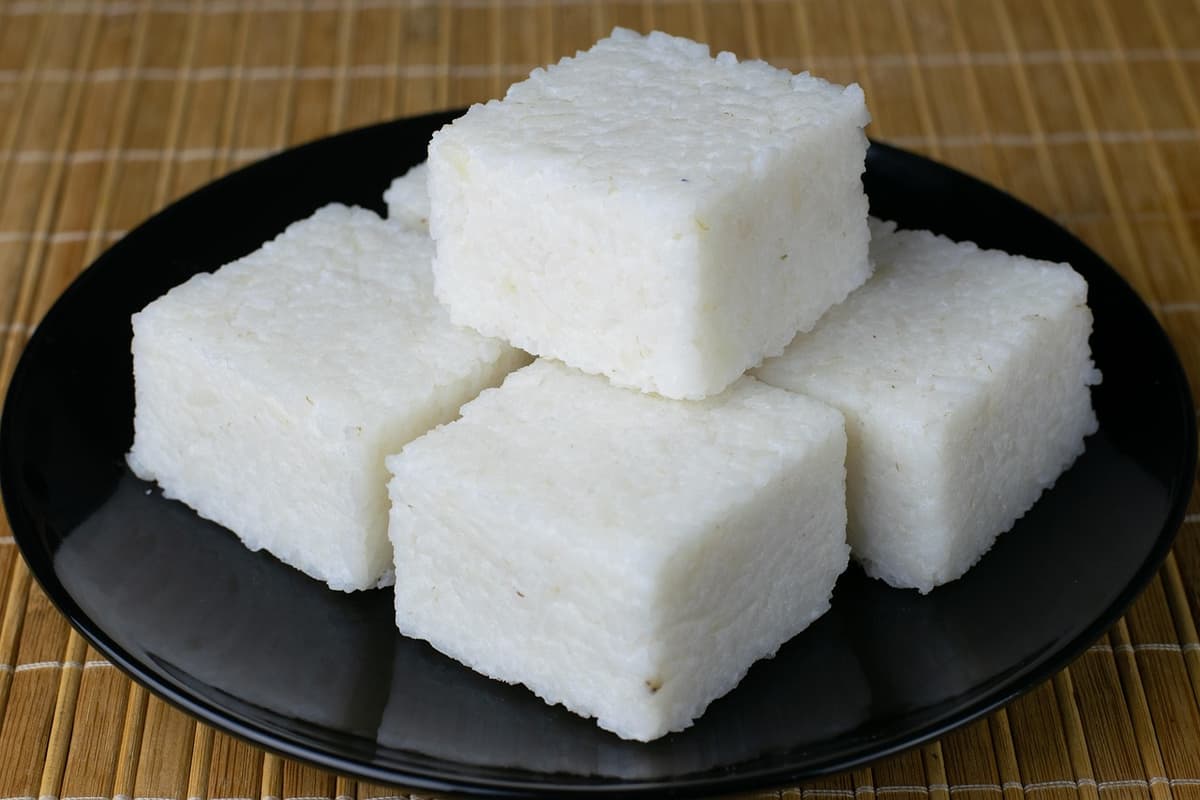
Kiribath
Sri Lankan · 55 min · 367 kcal · Vegan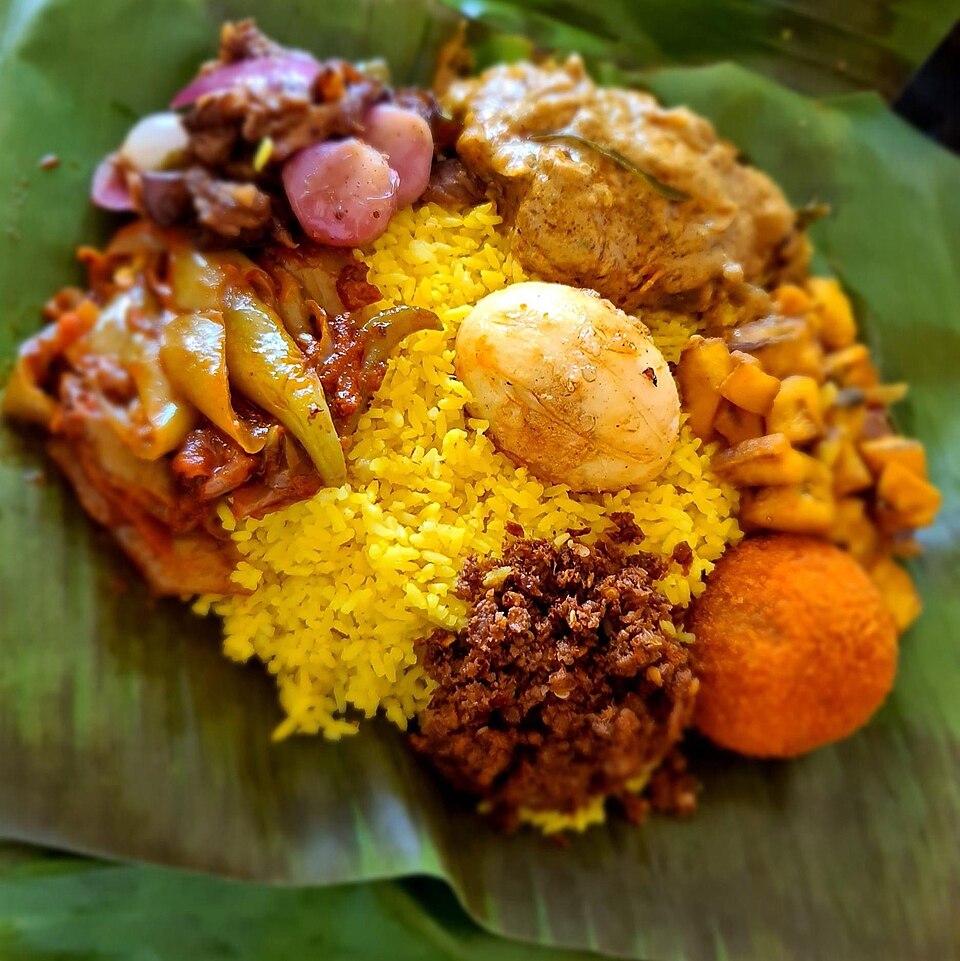
Lamprais
Sri Lankan · 2 h 35 min · 948 kcal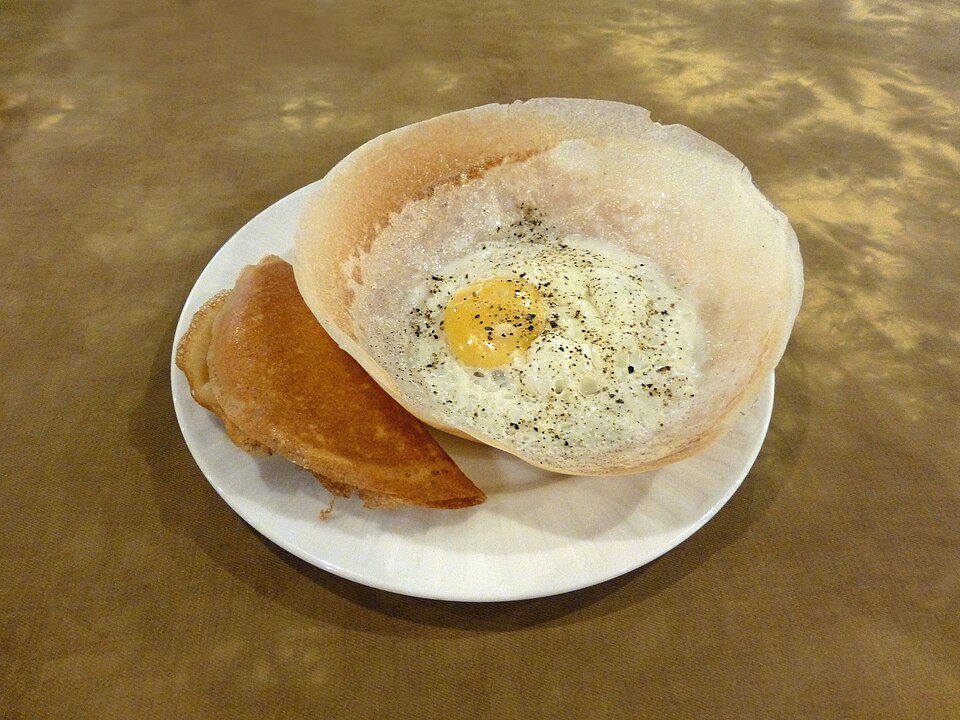
Egg hoppers
Sri Lankan · 8 h 55 min · 382 kcal · Contains egg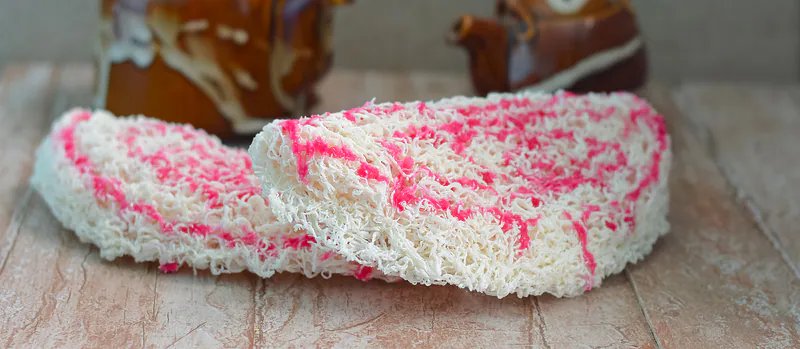
Aasmi (Sri Lankan lacy rice-flour sweet)
Sri Lankan · 2 h 20 min · 238 kcal · Vegan