
Karedok (Sundanese raw vegetable salad with peanut sauce)
Non-vegetarian
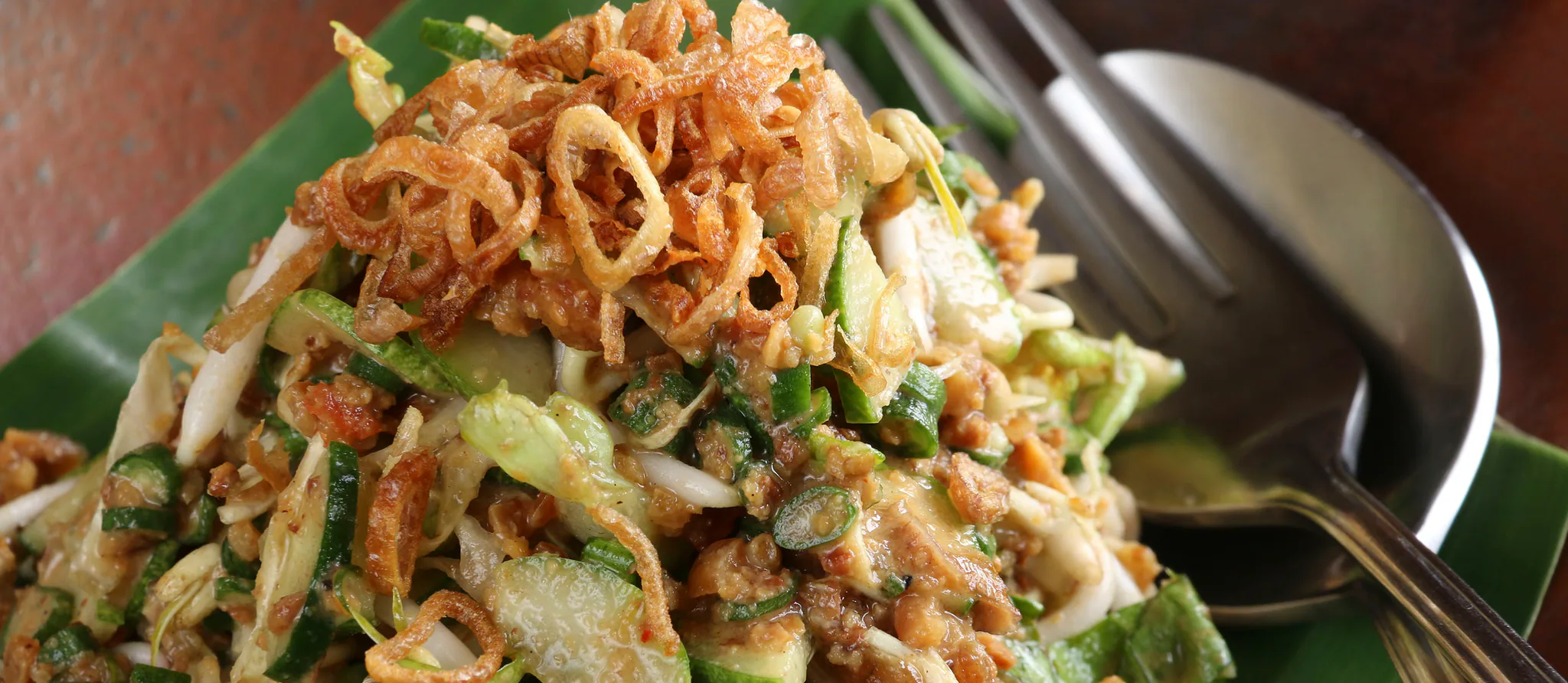
Karedok
Crunchy raw vegetables — long beans, cucumber, cabbage, bean sprouts, small round eggplant and lemon basil — tossed in a coarse peanut sauce pounded with kencur, chilli, garlic, palm sugar and toasted shrimp paste. The Sundanese answer to gado-gado, served without cooking the vegetables.
Karedok (Sundanese raw vegetable salad with peanut sauce) is an Indonesian salad, ready in about 27 minutes and made with green beans, roasted peanuts and kencur (aromatic ginger). It serves 4 and is rated easy to cook.
- Prep
- 25 min
- Cook
- 2 min
- Total
- 27 min
- Serves
- 4
- Level
- Easy
- Calories
- 302
Main ingredients
Ingredients
For the vegetables
For the peanut sauce
Method
Vegetables
12 minStep 1
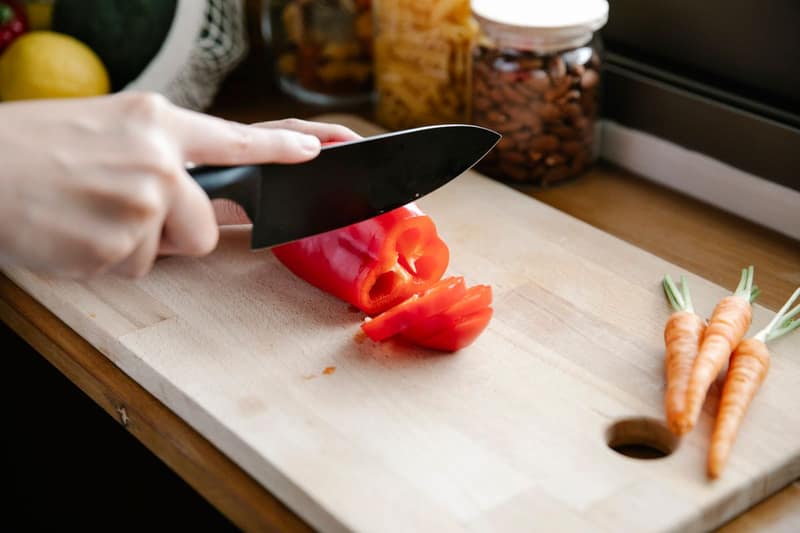
Wash all the vegetables well. Cut the long beans, cucumber (opens in a new tab) and cabbage (opens in a new tab) and drain the eggplant (opens in a new tab). Keep everything cold while you make the sauce.
How it looks · Photo: Sarah Chai on Pexels
Peanut sauce
12 minStep 2
Toast the shrimp paste (opens in a new tab) in a small dry pan for about 1 minute until it smells strongly and dries out.
- 2 min
- medium heat
- Frying pan / skillet (opens in a new tab)
Step 3
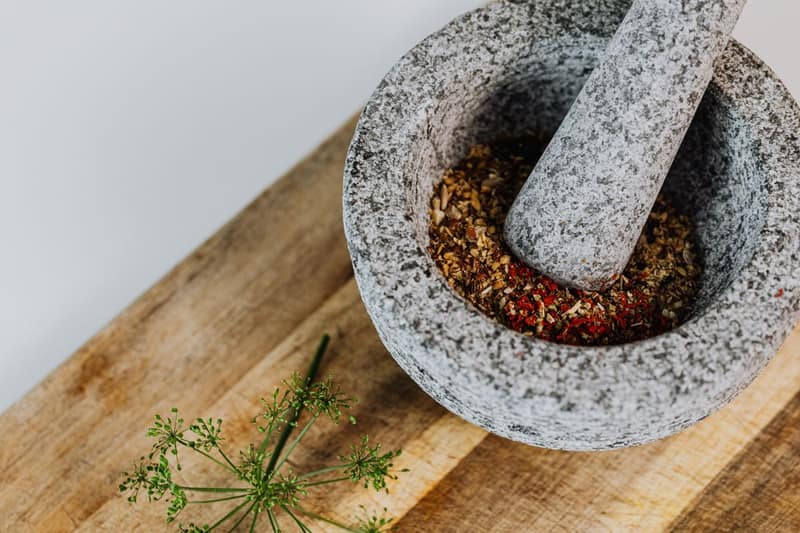
In a mortar, pound the kencur (opens in a new tab), garlic (opens in a new tab), chillies, toasted shrimp paste (opens in a new tab), palm sugar (opens in a new tab) and salt to a paste. Add the peanuts and pound to a coarse, slightly chunky paste. Loosen with the warm water and lime juice (opens in a new tab) to a thick, spoonable sauce.
A food processor works, but pulse the peanuts briefly so the sauce stays coarse.
How it looks · Photo: https://kaboompics.com/ on Pexels Step 4
Just before serving, add the vegetables and basil (opens in a new tab) to the sauce (in a big mortar or a bowl) and toss until everything is coated.
At a glance
1 · Vegetables in a pan
 Green beans
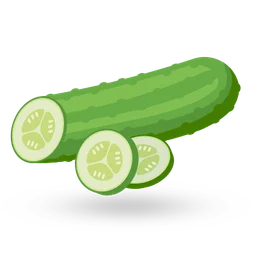 Cucumber
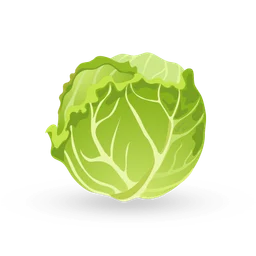 Cabbage
 Bean sprouts
 Eggplant
 Basil
then toast
2 · Peanut sauce in a pan
 Roasted peanuts
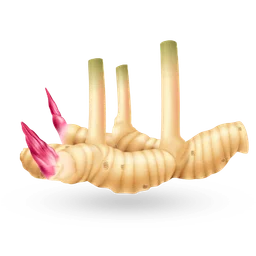
- Kencur (aromatic ginger)
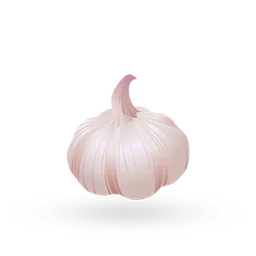 Garlic
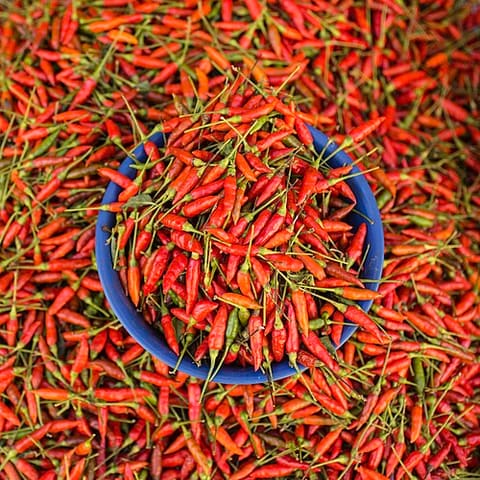 Fresh red chilli
 Shrimp paste
 Jaggery / palm sugar
 Salt
 Lime juice
About this dish
- Origin
- West Java (Sunda), Indonesia · Well documentedKencur (aromatic ginger) and kemangi (lemon basil) give karedok its distinctive Sundanese taste.More food from Indonesia
Indonesia - Dish
- Lunch · Snack · Salads · Side dishes
- Cooking method
- Raw, No-cook
- Taste
- nutty, fresh, spicy (chilli heat), sweet & savoury
- Diet
- Pescatarian · No gluten ingredients · Dairy-freeWorked out from the ingredients. How labels work
All labels
Pescatarian · Non-vegetarian · Flexitarian-friendly · No gluten ingredients · Dairy-free · Egg-free · Alcohol-free · Pork-free · Beef-free · DASH-style · Carb-conscious - Good for
- Everyday · Budget-friendly · Street food
- Cook more with
- Green beans · Roasted peanuts · Kencur (aromatic ginger) · Cucumber · Cabbage · Bean sprouts
Allergens
- Contains: Crustaceansfrom shrimp paste
- Contains: Peanutsfrom roasted peanuts
Based on typical versions of these ingredients and not verified allergen-free. Brands differ and cross-contact happens, so always check labels. For severe allergies, follow your clinician’s advice.
Nutrition
302 kcal per serving
Estimated1 serving ≈ 286 g · recipe makes 4
Where the energy comes from
- Protein 15%
- Carbohydrate 33%
- Fat 52%
| Nutrient | Per serving | Per 100 g* |
|---|---|---|
| Energy | 302 kcal | 105 kcal |
| Protein | 12.2 g | 4.2 g |
| Carbohydrate | 27.3 g | 9.5 g |
| Net carbohydrate | 20.6 g | 7.2 g |
| Sugars | 14.9 g | 5.2 g |
| Added sugars | 7.3 g | 2.5 g |
| Fibre | 6.7 g | 2.3 g |
| Fat | 19 g | 6.6 g |
| Saturated fat | 3 g | 1 g |
| Trans fat | 0 g | 0 g |
| Cholesterol | 0 mg | 0 mg |
| Sodium | 484 mg | 169 mg |
| Salt equivalent | 1.2 g | 0.4 g |
Vitamins & minerals per serving
- Potassium
- 634 mg
- Calcium
- 88 mg
- Iron
- 1.9 mg
- Magnesium
- 108 mg
- Vitamin A (RAE)
- 29 µg
- Vitamin C
- 32 mg
- Vitamin D
- 0 µg
- Vitamin B12
- 0 µg
- Folate (DFE)
- 94 µg
How these numbers were made
- Calculated from USDA FoodData Central (SR Legacy) per-100 g values and the listed quantities.
- *Per 100 g of combined raw ingredients; the cooked dish may weigh more or less.
- Kencur (aromatic ginger): Fresh ginger root used as a stand-in; kencur (Kaempferia galanga) is a small, camphor-scented rhizome used in similar small amounts.
- Shrimp paste: Fish sauce (FDC 174531) at 1.5× as a stand-in salted fermented seafood condiment; protein is understated.
- Jaggery / palm sugar: Brown sugar (FDC 168833) used as a stand-in for unrefined cane jaggery and palm sugar.
- “—” means the value isn’t known for enough of the ingredients; it is never zero by default.
- Values are estimates for guidance, not for medical dosing. U.S. Department of Agriculture, Agricultural Research Service. FoodData Central, 2019. fdc.nal.usda.gov.
Good to know
Tips
- Toss only when you are ready to eat; the sauce draws water from the cucumber and cabbage.
Common mistakes
- Grinding the peanuts smooth — karedok sauce should be coarse and nubbly.
Serve with
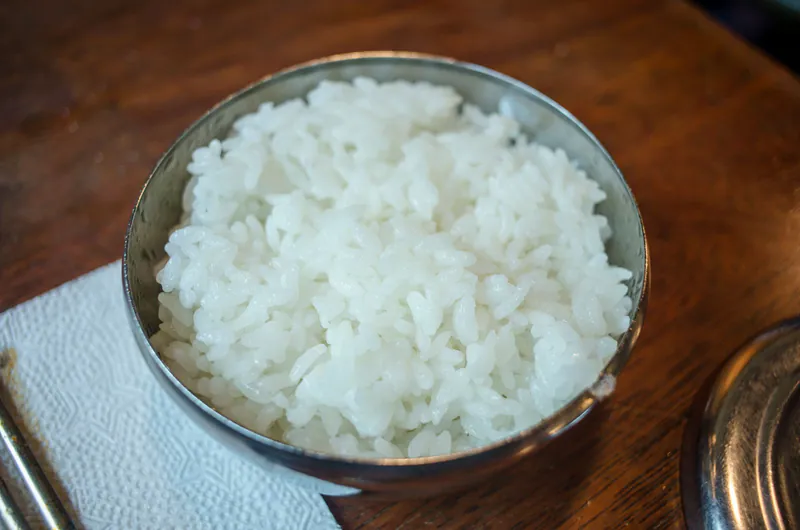
- Serve with steamed rice or lontong (compressed rice cakes), fried tempeh or tofu and krupuk crackers.
Food safety
- Wash raw vegetables and bean sprouts thoroughly; people at higher risk should briefly blanch the bean sprouts, which are a known source of foodborne illness when raw.
Storage
- Eat immediately. The sauce paste (without water) keeps 3 days in the fridge.
Variations
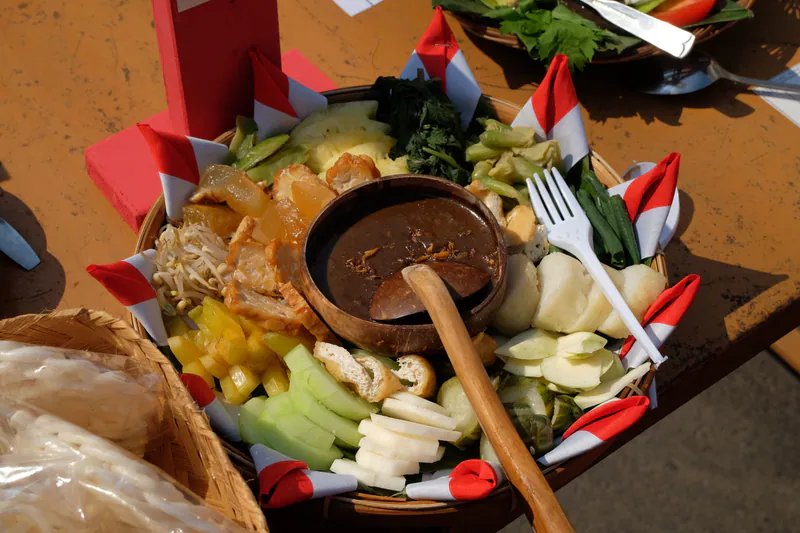
- Gado-gado: The Jakarta cousin, with blanched vegetables, potato, egg and tofu in a smoother peanut sauce.
- Lotek: Another Sundanese salad with the same kind of sauce but lightly boiled vegetables.
Original editorial recipe · FriendsPantry editorial · source: TasteAtlas (dish facts) · Not yet independently reviewed · Added
Recipe DNA
How this dish is built
Built from the recipe’s own sections. Each band’s width is its share of the dish by weight. Choose a component to see what it does.
What the dish is built around
For the vegetables
- Green beans, long beans (kacang panjang), cut into 1 cm pieces120 g
- Cucumber, diced1 piece · 300 g
- Cabbage, finely shredded150 g
- Bean sprouts, tails trimmed100 g
- Eggplant, small round Thai eggplants (terong bulat), diced and kept in salted water100 g
- Basil, leaves picked15 g
Reviews & corrections
Reviews come from signed-in cooks and appear after a moderator checks them. We never show made-up ratings.
You might also like
Gado-gado
 Indonesian · 55 min · 682 kcal · Contains egg
Pecel (Javanese vegetables with spicy peanut sauce)
Indonesian · 45 min · 511 kcal
Nasi uduk (Betawi coconut rice)
Indonesian · 1 h 5 min · Vegan
Rujak cingur (Surabaya salad with beef snout and petis dressing)
Indonesian · 3 h 10 min · 680 kcal