
 Estonian · Finnish · Porridge & cereals
Kama (Estonian roasted grain flour with kefir)
Vegetarian
Kama
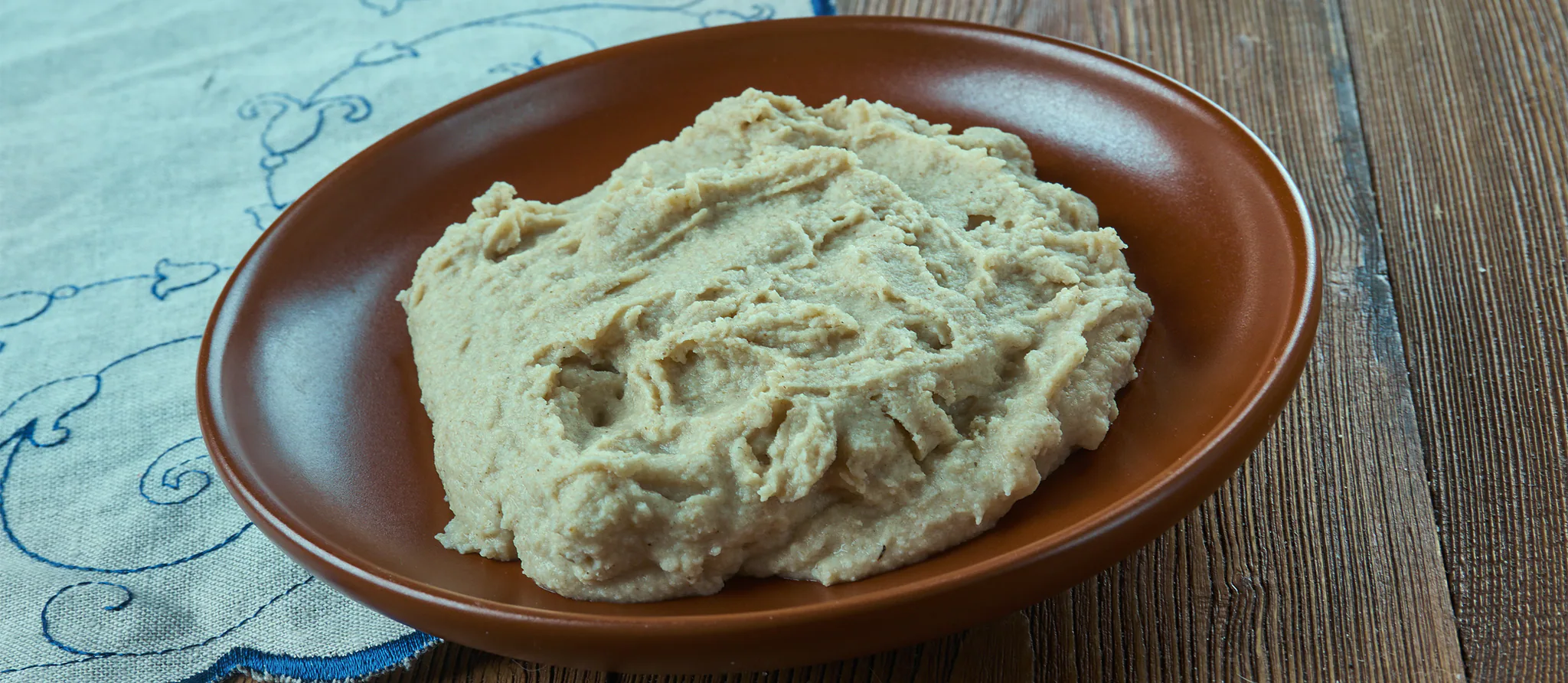
A thick, nutty porridge made by stirring kama, a flour of roasted barley, rye, oats and peas, into cold kefir or buttermilk, then sweetening it with honey and topping it with berries. No cooking needed; in Estonia it is breakfast, snack and dessert, and in Finland the same flour is called talkkuna.
Kama (Estonian roasted grain flour with kefir) is an Estonian porridge, ready in about 15 minutes and made with kefir and kama flour. It serves 2 and is rated beginner to cook.
- Prep
- 5 min
- Cook
- 0 min
- Rest
- 10 min
- Total
- 15 min
- Serves
- 2
- Level
- Beginner
- Calories
- 355
Main ingredients

Method
Step 1
Pour the cold kefir (opens in a new tab) into a bowl and whisk (opens in a new tab) in the kama flour (opens in a new tab) a spoonful at a time until there are no lumps.
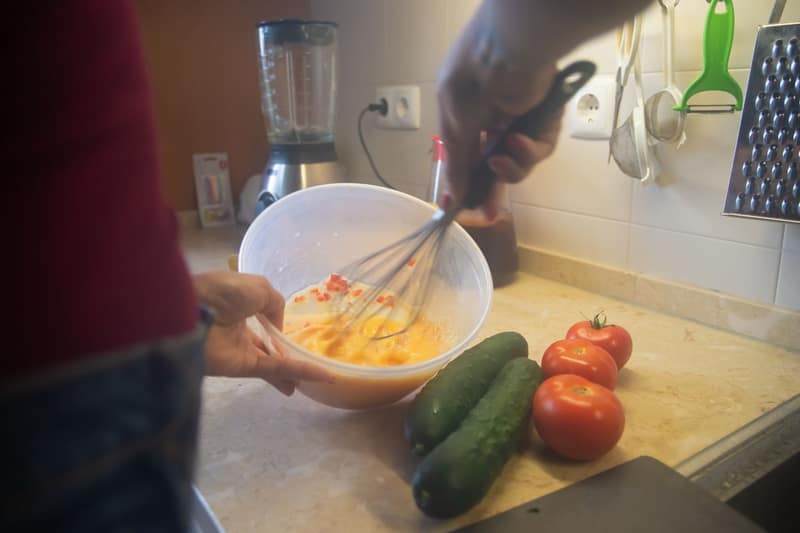
How it looks · Photo: Kampus Production on Pexels Step 2
Sweeten with honey (opens in a new tab) to taste and leave for 10 minutes; the roasted flour swells and the mixture thickens to a soft porridge.
- 1 min
Step 3
Spoon into bowls and top with the berries.
- 1 min
About this dish
- Origin
- Estonia · Well documentedAn old peasant food of Estonia that needed no cooking, so it was taken to the fields. Finland's talkkuna (mutti in some dialects) is the same roasted flour mix, often eaten with soured milk (piimä).Also popular in FinlandMore food from Estonia
Estonia - Dish
- Breakfast · Snack · Dessert · Porridge & cereals · Breakfast dishes
- Cooking method
- No-cook
- Taste
- nutty, tangy, sweet, creamy
- Diet
- Vegetarian (lacto-ovo) · No nut ingredientsWorked out from the ingredients. How labels work
All labels
Vegetarian (lacto-ovo) · Eggetarian · Lacto-vegetarian · Pescatarian · Flexitarian-friendly · Whole-food focused · Egg-free · No nut ingredients · Alcohol-free · Pork-free · Beef-free · Low-fat · Low-sodium · DASH-style - Good for
- Everyday · Budget-friendly · Child-friendly
- Cook more with
- Kefir · Honey · Blueberries
Allergens
- Contains: Milkfrom kefir
- Contains: Glutenfrom kama flour
Based on typical versions of these ingredients and not verified allergen-free. Brands differ and cross-contact happens, so always check labels. For severe allergies, follow your clinician’s advice.
Nutrition
355 kcal per serving
Estimated1 serving ≈ 393 g · recipe makes 2
Where the energy comes from
- Protein 16%
- Carbohydrate 76%
- Fat 8%
| Nutrient | Per serving | Per 100 g* |
|---|---|---|
| Energy | 355 kcal | 90 kcal |
| Protein | 14.6 g | 3.7 g |
| Carbohydrate | 70.3 g | 17.9 g |
| Net carbohydrate | 64.4 g | 16.4 g |
| Sugars | 36.9 g | 9.4 g |
| Added sugars | 17.2 g | 4.4 g |
| Fibre | 5.9 g | 1.5 g |
| Fat | 3.5 g | 0.9 g |
| Saturated fat | 1.8 g | 0.5 g |
| Trans fat | — | — |
| Cholesterol | 13 mg | 3 mg |
| Sodium | 106 mg | 27 mg |
| Salt equivalent | 0.3 g | 0.1 g |
Vitamins & minerals per serving
- Potassium
- 615 mg
- Calcium
- 353 mg
- Iron
- 1.5 mg
- Magnesium
- 74 mg
- Vitamin A (RAE)
- 443 µg
- Vitamin C
- 8 mg
- Vitamin D
- 2.6 µg
- Vitamin B12
- 0.7 µg
- Folate (DFE)
- 42 µg
How these numbers were made
- Calculated from USDA FoodData Central (SR Legacy) per-100 g values and the listed quantities.
- *Per 100 g of combined raw ingredients; the cooked dish may weigh more or less.
- Kama flour: Barley flour used as a stand-in; kama (talkkuna) is a mix of roasted barley, rye, oat and pea flours.
- “—” means the value isn’t known for enough of the ingredients; it is never zero by default.
- Values are estimates for guidance, not for medical dosing. U.S. Department of Agriculture, Agricultural Research Service. FoodData Central, 2019. fdc.nal.usda.gov.
Good to know
Tips
- For a drink (kamajook), use half the amount of kama.
- Kama flour is sold in Baltic and Nordic shops; once opened, keep it airtight as it can turn stale.
Serve with
- Eat for breakfast with berries, or with a slice of rye bread for a light lunch.
Storage
- Best made fresh; covered, it keeps until the next day in the fridge but becomes thicker.
Variations
- Kamavaht (kama mousse): Kama folded into sweetened whipped cream with berries; a classic Estonian dessert.
- Talkkuna (Finland) (Finland): The Finnish roasted flour, traditionally eaten with piimä (soured milk) or made into a dough-like snack with water and salt.
- Homemade kama: Toast barley, rye and oat flours and a little pea or chickpea flour separately in a dry pan until golden and nutty, cool and mix in equal parts.
Original editorial recipe · FriendsPantry editorial · source: TasteAtlas (dish facts) · Not yet independently reviewed · Added
Recipe DNA
How this dish is built
Built from the recipe’s own sections. Each band’s width is its share of the dish by weight. Choose a component to see what it does.
Reviews & corrections
Reviews come from signed-in cooks and appear after a moderator checks them. We never show made-up ratings.
You might also like
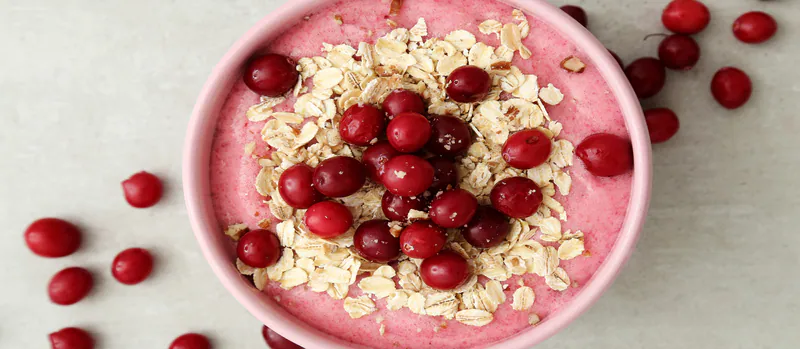
Mannavaht (whipped berry semolina)
Estonian · 55 min · 316 kcal · Vegetarian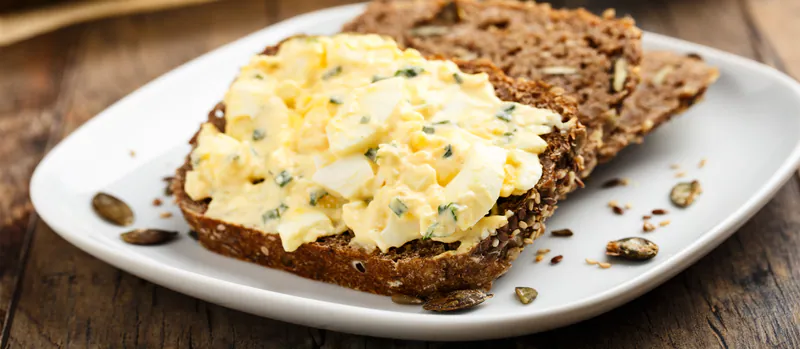
Munavoi (Finnish egg butter)
 Finnish · 30 min · 167 kcal · Contains egg
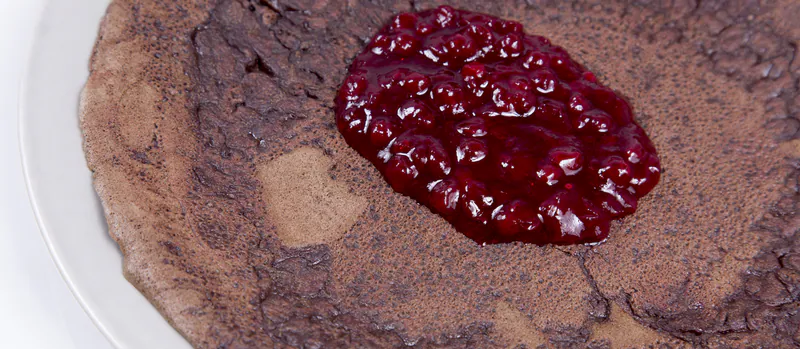
Blood pancakes (veriletut, verikäkk)
Finnish · 1 h 15 min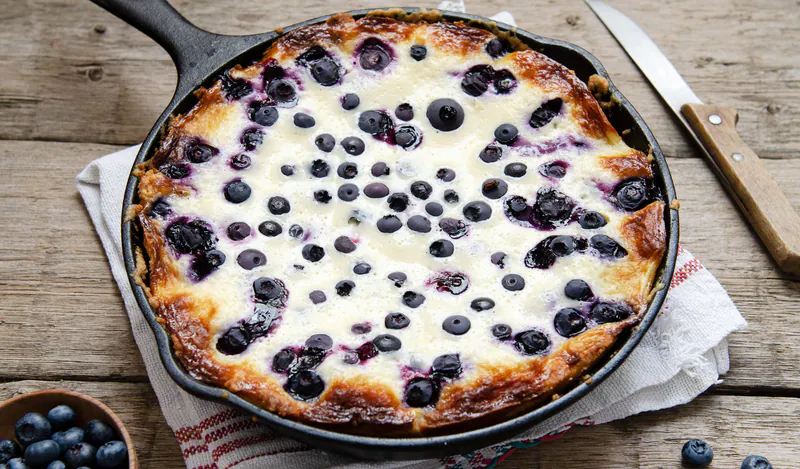
Mustikkapiirakka (Finnish blueberry pie)
Finnish · 1 h 15 min · 332 kcal · Contains egg