
Kahvaltı (Turkish breakfast spread)
Non-vegetarian
Kahvaltı
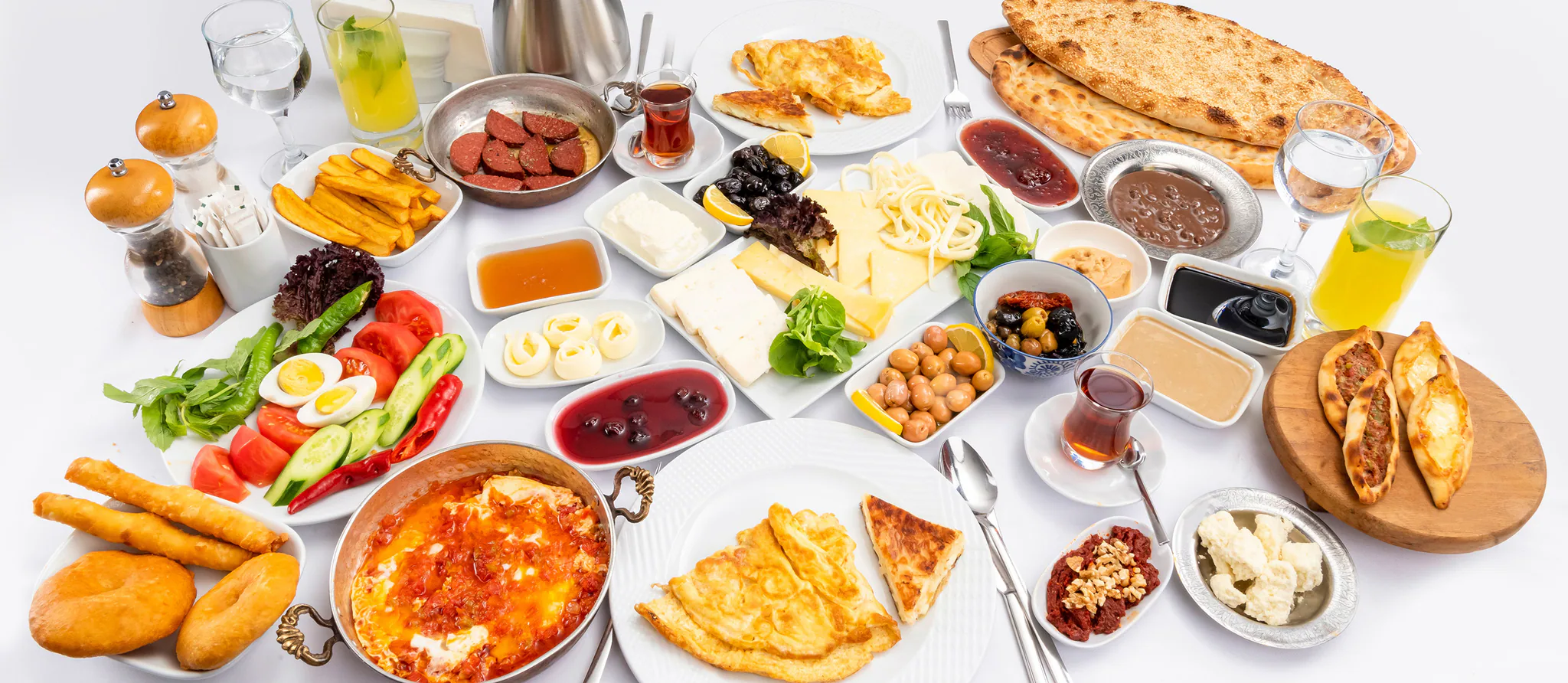
A generous Turkish breakfast table of white cheese, kaşar, olives, tomatoes, cucumbers and peppers, kaymak with honey, jam, a sizzling pan of eggs with sucuk and plenty of bread, all washed down with glass after glass of black tea. The name means 'before coffee', the drink traditionally taken only after the meal.
Kahvaltı (Turkish breakfast spread) is a Turkish egg dish from Türkiye, ready in about 40 minutes and made with feta, black olives and kajmak. It serves 4 and is rated easy to cook.
- Prep
- 25 min
- Cook
- 15 min
- Total
- 40 min
- Serves
- 4
- Level
- Easy
- Calories
- 1147
Main ingredients
Ingredients
For the cold plates
For the sweet plates
For the eggs
To serve
For the tea
Method
Tea
15 minStep 1
Start the tea first. Bring the water to the boil in the lower kettle (opens in a new tab) of a Turkish double teapot (opens in a new tab) (çaydanlık). Put the tea leaves in the upper pot, pour over a splash of boiling water, then fill it about halfway, set it on top of the kettle and let it brew over the lowest heat for 15 minutes.
- 15 min
- low heat
- Kettle (opens in a new tab)
- Teapot (opens in a new tab)
No çaydanlık? Brew the leaves strongly in a small teapot set over a saucepan of simmering water.
Cold plates
12 minStep 2
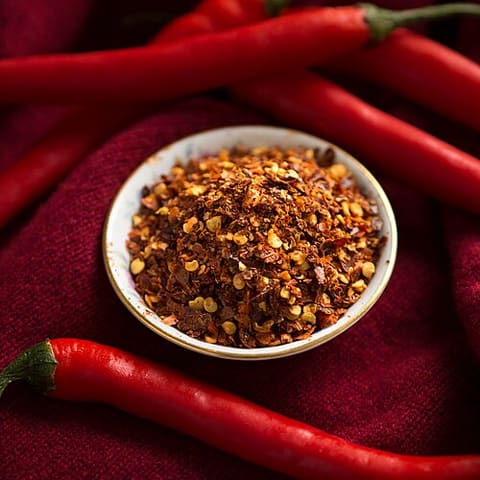
Meanwhile, slice the tomatoes (opens in a new tab), cucumber (opens in a new tab) and peppers and arrange them on small plates with the white cheese (opens in a new tab), kaşar and both kinds of olives. Drizzle the cheese and black olives (opens in a new tab) with olive oil (opens in a new tab), sprinkle with pul biber (opens in a new tab) and scatter with parsley (opens in a new tab).
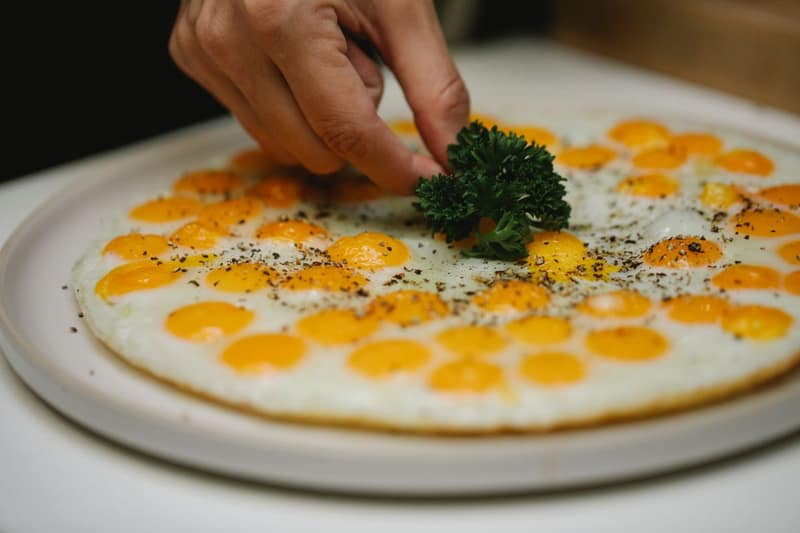
How it looks · Photo: Klaus Nielsen on Pexels
Sweet plates
3 minStep 3
Spoon the kaymak (opens in a new tab), honey (opens in a new tab) and jam (opens in a new tab) into small bowls and set out the walnuts (opens in a new tab).
- 3 min
Eggs
6 minStep 4
Melt the butter (opens in a new tab) in a frying pan (ideally a two-handled copper sahan) over medium heat. Fry the sucuk (opens in a new tab) slices for 1–2 minutes until their red fat runs, crack in the eggs (opens in a new tab) and cook, covered, until the whites are set but the yolks are still soft, 3–4 minutes. Bring the pan straight to the table.
- 6 min
- medium heat
- Frying pan / skillet (opens in a new tab)
To serve
3 minStep 5
Warm the bread. Pour the tea into small tulip glasses: a little of the strong brew from the top pot topped up with hot water from the kettle (opens in a new tab), dark (koyu) or light (açık) to each person's taste. Keep refilling throughout the meal.
- 3 min
At a glance
1 · Tea in a pot
 Black tea leaves
then slice
2 · Cold plates in a bowl
 Feta
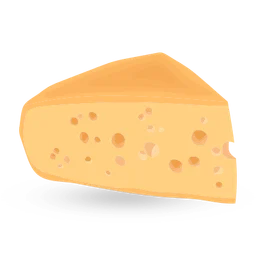 Kaşar cheese
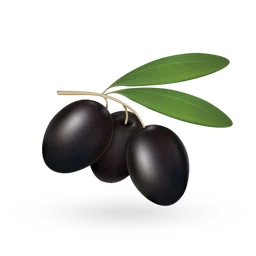 Black olives
- Green olives
 Tomato
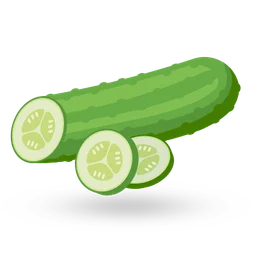 Cucumber
 Green bell pepper
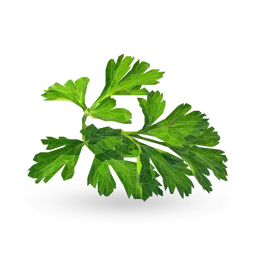 Parsley
 Olive oil
 Red chilli flakes
then spoon
3 · Sweet plates in a bowl
 Kajmak
 Honey
 Jam
 Walnuts
then melt
4 · Eggs in a pan
 Butter
 Sucuk
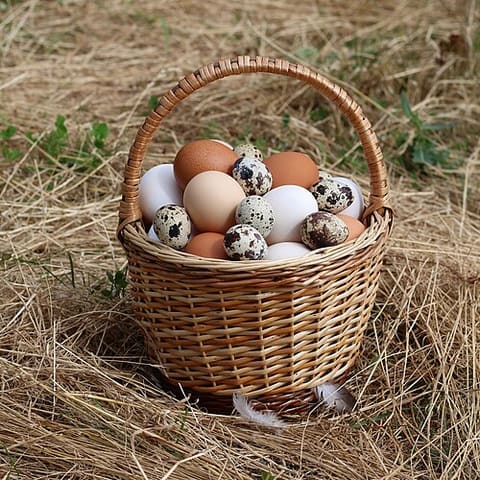 Egg
then warm
5 · To serve in a pot
 Crusty bread / baguette
About this dish
- Origin
- Türkiye · Well documentedThe word joins kahve (coffee) and altı (under, before). Serpme kahvaltı, with dozens of small plates spread across the table, is a weekend and café tradition; the everyday version is simpler.Also popular in CyprusMore food from Türkiye
Türkiye - Dish
- Breakfast · Brunch · Egg dishes · Appetizers & starters · Breakfast dishes
- Cooking method
- No-cook, Pan-fried
- Taste
- salty, fresh, sweet & savoury, savoury
- Diet
- High-proteinWithout the optional extras: Vegetarian (lacto-ovo), Eggetarian, Pescatarian, No nut ingredients, Beef-freeWorked out from the ingredients. How labels work
All labels
Non-vegetarian · Flexitarian-friendly · Alcohol-free · Pork-free · High-protein - Good for
- Festive & celebration
- Cook more with
- Feta · Black olives · Kajmak · Black tea leaves · Kaşar cheese · Green olives
- Techniques
- Pan-frying · Boiling
Allergens
- Contains: Milkfrom feta, kaşar cheese, kajmak, butter
- Contains: Eggsfrom egg
- Contains, can be adapted: Tree nutsfrom walnuts
- Contains: Wheatfrom crusty bread / baguette
- Contains: Glutenfrom crusty bread / baguette
- May contain: Sesamefrom crusty bread / baguette
- May contain: Mustardfrom sucuk
Based on typical versions of these ingredients and not verified allergen-free. Brands differ and cross-contact happens, so always check labels. For severe allergies, follow your clinician’s advice.
Nutrition
1147 kcal per serving
Estimated1 serving ≈ 1002 g · recipe makes 4
Where the energy comes from
- Protein 14%
- Carbohydrate 39%
- Fat 47%
| Nutrient | Per serving | Per 100 g* |
|---|---|---|
| Energy | 1147 kcal | 114 kcal |
| Protein | 41.6 g | 4.2 g |
| Carbohydrate | 113.5 g | 11.3 g |
| Net carbohydrate | 107.4 g | 10.7 g |
| Sugars | 50.4 g | 5 g |
| Added sugars | — | — |
| Fibre | 6.1 g | 0.6 g |
| Fat | 61 g | 6.1 g |
| Saturated fat | 28.2 g | 2.8 g |
| Trans fat | — | — |
| Cholesterol | 398 mg | 40 mg |
| Sodium | 2300 mg | 230 mg |
| Salt equivalent | 5.8 g | 0.6 g |
Vitamins & minerals per serving
- Potassium
- 818 mg
- Calcium
- 771 mg
- Iron
- 8.6 mg
- Magnesium
- 103 mg
- Vitamin A (RAE)
- 499 µg
- Vitamin C
- 51 mg
- Vitamin D
- 1.9 µg
- Vitamin B12
- 2.2 µg
- Folate (DFE)
- 260 µg
How these numbers were made
- Calculated from USDA FoodData Central (SR Legacy) per-100 g values and the listed quantities.
- *Per 100 g of combined raw ingredients; the cooked dish may weigh more or less.
- Optional ingredients are not included: walnuts, sucuk.
- Not counted (tiny amounts or “to taste”): black tea leaves.
- Kaşar cheese: Provolone used as a stand-in; kaşar is a similar semi-hard pasta filata cheese.
- Red chilli flakes: Ground cayenne (FDC 170932) used as a stand-in for dried chilli flakes such as pul biber or Aleppo pepper.
- Kajmak: Full-fat cream cheese (FDC 173418) used as a stand-in for Balkan kajmak/kaymak (clotted cream); kajmak is usually richer, so fat and energy are underestimated.
- “—” means the value isn’t known for enough of the ingredients; it is never zero by default.
- Values are estimates for guidance, not for medical dosing. U.S. Department of Agriculture, Agricultural Research Service. FoodData Central, 2019. fdc.nal.usda.gov.
Good to know
Tips
- Variety matters more than quantity: several small plates of different cheeses, olives and preserves make the table.
- Kaymak drizzled with honey (bal kaymak) is the treat of the spread; scoop it up with bread.
Common mistakes
- Brewing the tea in one pot at full strength — Turkish tea is meant to be diluted to taste in the glass.
Serve with
- Add menemen, börek, simit, sliced pastırma or tahini with grape molasses for a bigger serpme kahvaltı.
- Finish, as the name suggests, with a cup of Turkish coffee.
Storage
- Cover and refrigerate leftover cheese, olives and preserves; the eggs are best eaten straight from the pan.
Variations
- Serpme kahvaltı: The café version with twenty or more small plates spread across the table, including several cheeses, pastries, spreads and fried dough (pişi).
- Van kahvaltısı: The eastern city of Van's famous breakfast, with herbed otlu peynir, murtuğa (flour fried in butter with egg) and cacık.
Original editorial recipe · FriendsPantry editorial · source: TasteAtlas (dish facts) · Not yet independently reviewed · Added
Recipe DNA
How this dish is built
Reviews & corrections
Reviews come from signed-in cooks and appear after a moderator checks them. We never show made-up ratings.
You might also like
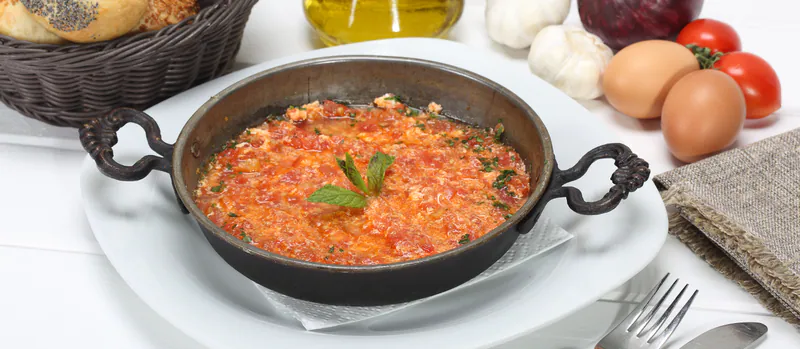
Menemen
 Turkish · 25 min · 321 kcal · Contains egg
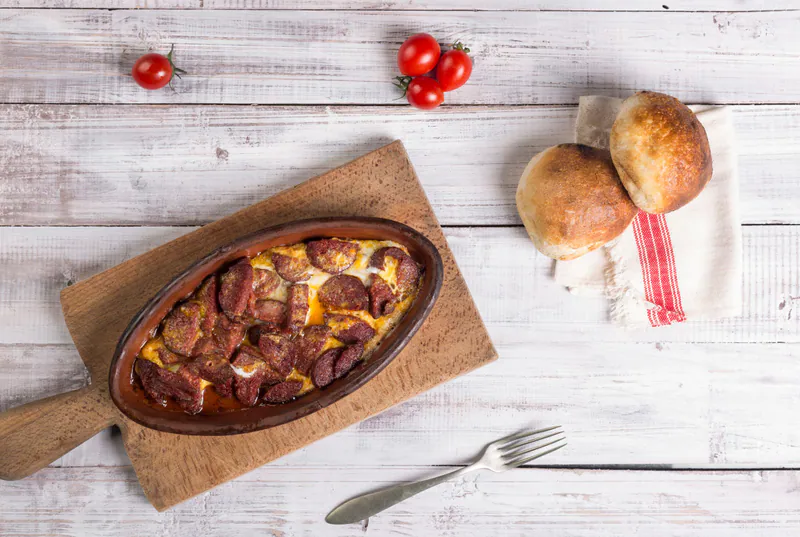
Sucuklu yumurta
Turkish · 11 min · 368 kcal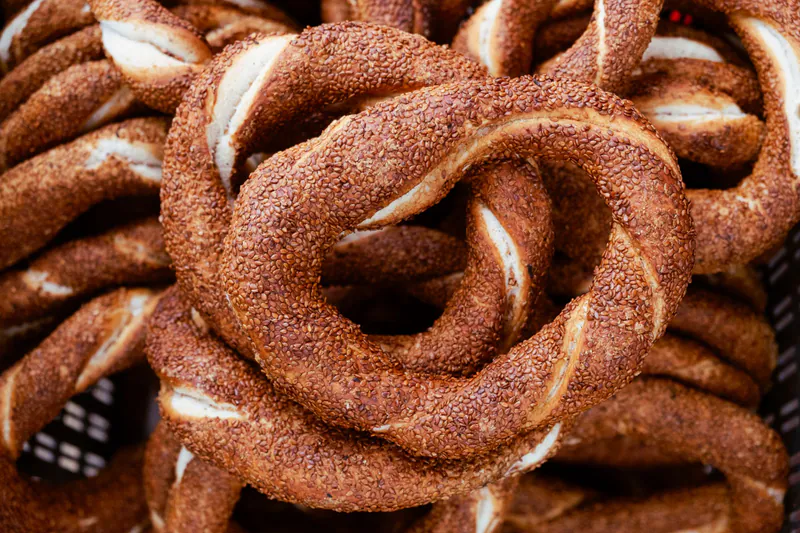
Simit
Turkish · 2 h 18 min · 344 kcal · Vegan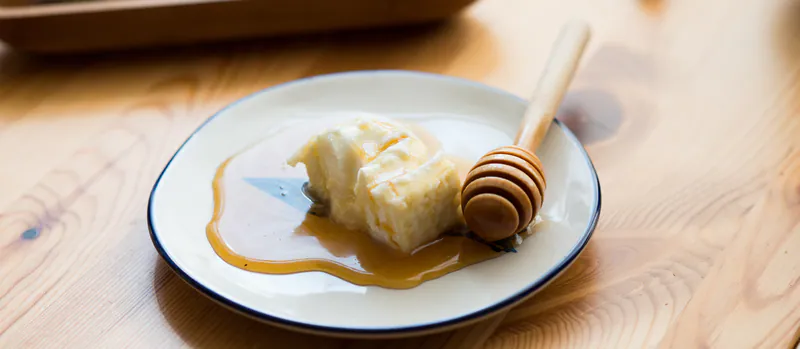
Bal kaymak (clotted cream with honey)
Turkish · 13 h 20 min · 355 kcal · Vegetarian