
Hollandaise sauce
Contains egg (no meat or fish)
Sauce hollandaise
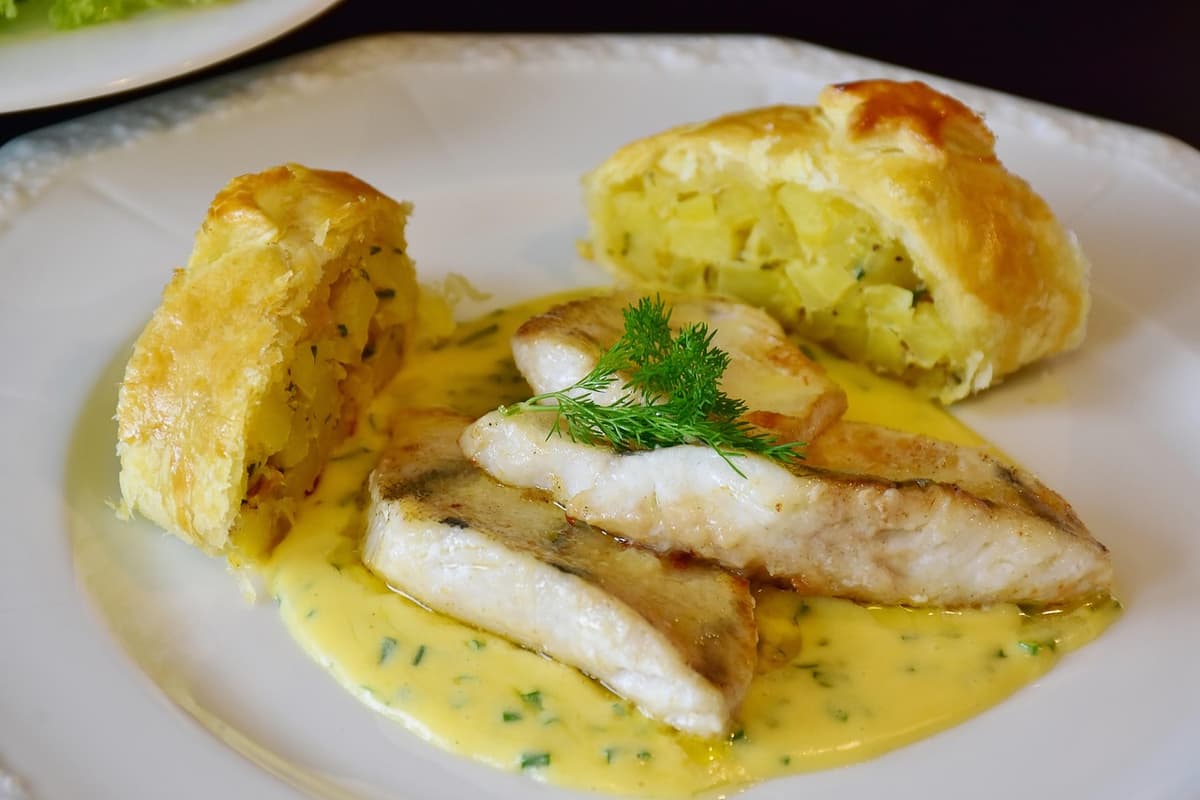
A warm, buttery emulsion of egg yolks and melted butter sharpened with lemon — the sauce for eggs Benedict, asparagus and poached fish.
Hollandaise sauce is a French sauce from France, ready in about 15 minutes and made with unsalted butter and egg yolk. It serves 6 and is rated advanced to cook.
- Prep
- 5 min
- Cook
- 10 min
- Total
- 15 min
- Serves
- 6
- Level
- Advanced
- Calories
- 237
Main ingredients
Method
Step 1
Melt the butter in a small pan and keep it warm (about 60 °C); skim off the foam if you like a purer flavour.
- 3 min
- low heat
- Saucepan (opens in a new tab)
Step 2
Set a heatproof bowl over a pan of barely simmering water, not touching the water. Whisk (opens in a new tab) the yolks and cold water in the bowl until pale, foamy and thick enough to leave a trail (ribbon stage) — lift the bowl off whenever the edges start to set.
- 4 min
- 65°C · Yolk mixture should feel hot to the touch but never scramble.
- low heat
- Double boiler / bain-marie (opens in a new tab)
- Whisk (opens in a new tab)
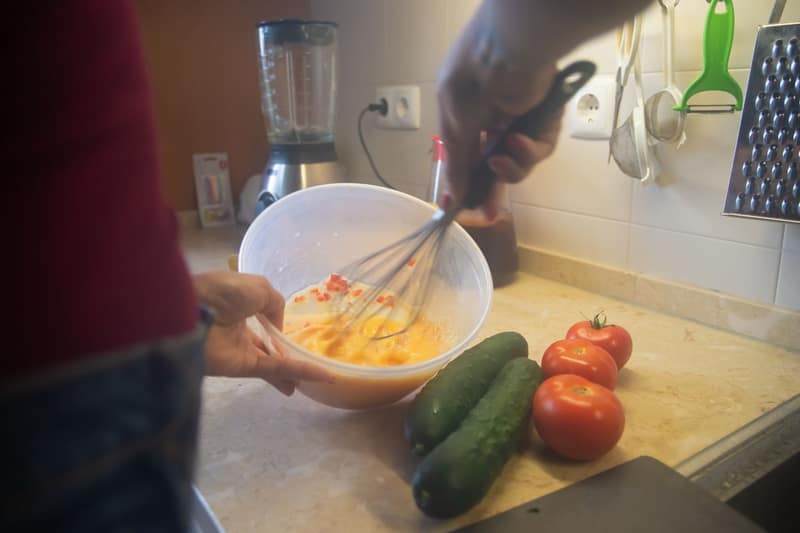
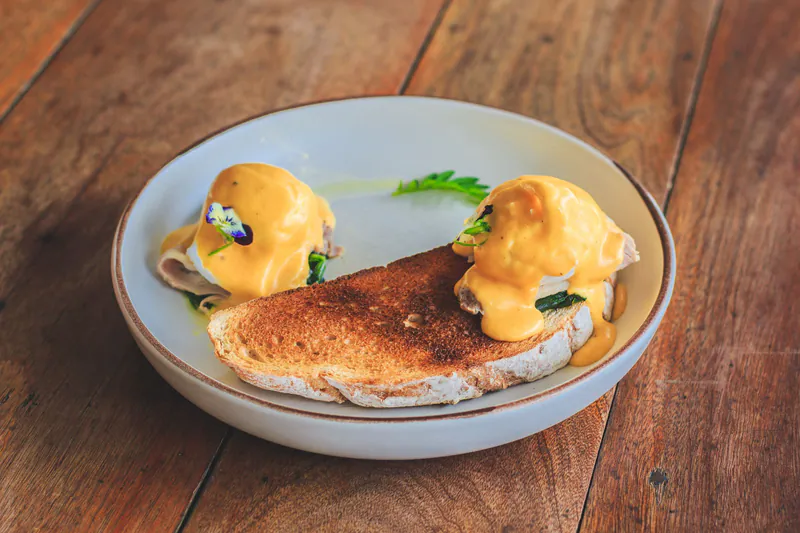
How it looks · Photo: Kampus Production on Pexels Step 3
Off the heat, whisk (opens in a new tab) in the warm butter a few drops at a time at first, then in a thin, steady stream once the sauce thickens, leaving the milky solids in the pan.
If it gets too thick, whisk in a teaspoon of warm water.
Step 4
Whisk (opens in a new tab) in the lemon juice (opens in a new tab), salt and cayenne until smooth and glossy. Serve at once, or keep warm over the hot (off-heat) water for up to an hour, whisking occasionally.
- 1 min
Food safety: Egg-butter sauces sit at temperatures bacteria like. Make them close to serving, keep warm (not hot) for no more than about an hour, and discard leftovers rather than reheating.
At a glance
 Unsalted butter
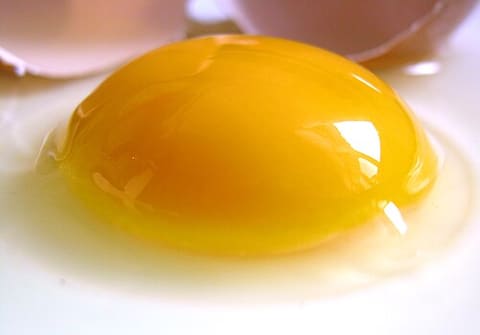 Egg yolk
 Lemon juice
 Salt
- Cayenne / chilli powder
About this dish
- Origin
- France · Commonly attributedA classic of French cuisine despite the name; why it is called 'Dutch' is unclear.Also popular in United States, United KingdomMore food from France
France - Dish
- Breakfast · Brunch · Dinner · Sauces
- Cooking method
- Whipped
- Taste
- buttery, rich, tangy, mild
- Diet
- Vegetarian (lacto-ovo) · No gluten ingredients · No nut ingredients · Keto-style · Low-carbWorked out from the ingredients. How labels work
All labels
Vegetarian (lacto-ovo) · Eggetarian · Pescatarian · Flexitarian-friendly · Whole-food focused · No gluten ingredients · No nut ingredients · No added sugar · Alcohol-free · Pork-free · Beef-free · Keto-style · Low-carb - Cook more with
- Unsalted butter · Egg yolk · Lemon juice
- Techniques
- Simmering · Emulsification · Stock making
Allergens
- Contains: Milkfrom unsalted butter
- Contains: Eggsfrom egg yolk
Based on typical versions of these ingredients and not verified allergen-free. Brands differ and cross-contact happens, so always check labels. For severe allergies, follow your clinician’s advice.
Nutrition
237 kcal per serving
Calculated1 serving ≈ 42 g · recipe makes 6
Where the energy comes from
- Protein 3%
- Carbohydrate 1%
- Fat 97%
| Nutrient | Per serving | Per 100 g |
|---|---|---|
| Energy | 237 kcal | 569 kcal |
| Protein | 1.6 g | 3.9 g |
| Carbohydrate | 0.5 g | 1.2 g |
| Net carbohydrate | 0.5 g | 1.2 g |
| Sugars | 0.1 g | 0.3 g |
| Added sugars | 0 g | 0 g |
| Fibre | 0 g | 0 g |
| Fat | 25.9 g | 62.2 g |
| Saturated fat | 15.5 g | 37.3 g |
| Trans fat | — | — |
| Cholesterol | 155 mg | 372 mg |
| Sodium | 105 mg | 251 mg |
| Salt equivalent | 0.3 g | 0.6 g |
Vitamins & minerals per serving
- Potassium
- 19 mg
- Calcium
- 19 mg
- Iron
- 0.2 mg
- Magnesium
- 1 mg
- Vitamin A (RAE)
- 232 µg
- Vitamin C
- 1 mg
- Vitamin D
- 0.5 µg
- Vitamin B12
- 0.2 µg
- Folate (DFE)
- 14 µg
How these numbers were made
- Calculated from USDA FoodData Central (SR Legacy) per-100 g values and the listed quantities.
- Optional ingredients are not included: cayenne / chilli powder.
- “—” means the value isn’t known for enough of the ingredients; it is never zero by default.
- Values are estimates for guidance, not for medical dosing. U.S. Department of Agriculture, Agricultural Research Service. FoodData Central, 2019. fdc.nal.usda.gov.
Good to know
Tips
- If the sauce splits, whisk a fresh yolk with a spoonful of warm water in a clean bowl and gradually whisk the broken sauce into it.
- Blender method: blitz yolks, lemon and salt, then pour in very hot melted butter with the motor running.
Common mistakes
- Overheating the yolks scrambles them; butter that is too hot or added too fast splits the sauce.
Food safety
- Contains raw or lightly cooked egg yolk. Use pasteurised eggs for pregnant people, babies, young children, older adults and anyone with a weakened immune system; keep refrigerated and use within the stated time.
- Egg-butter sauces sit at temperatures bacteria like. Make them close to serving, keep warm (not hot) for no more than about an hour, and discard leftovers rather than reheating.
Storage
- Not suitable for storing; make fresh.
Variations
- Sauce maltaise (France): Finish with blood-orange juice and zest; classic with asparagus.
Original editorial recipe · FriendsPantry editorial · Not yet independently reviewed · Added
Goes with
Recipe DNA
How this dish is built
Grouped by each ingredient’s role in the dish. Each band’s width is its share of the dish by weight. Choose a component to see what it does.
What the dish is built around
Main ingredient
- Unsalted butter, melted and kept warm175 g
- Egg yolk3 piece · 51 g
Make it milder, swap ingredients for your diet, change the batch size or thickness — the original stays as it is.
Customise in Sauce & DrizzleReviews & corrections
Reviews come from signed-in cooks and appear after a moderator checks them. We never show made-up ratings.
You might also like
Béarnaise sauce
 French · 25 min · 251 kcal · Contains egg
Beurre blanc
French · 20 min · 261 kcal · Vegetarian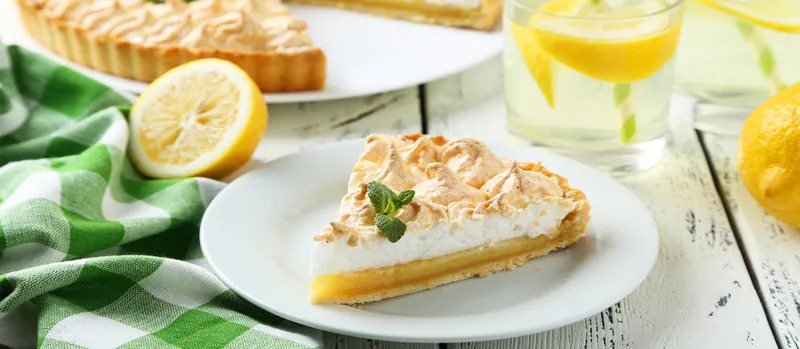
Tarte au citron meringuée (lemon meringue tart)
French · 5 h 5 min · 523 kcal · Contains egg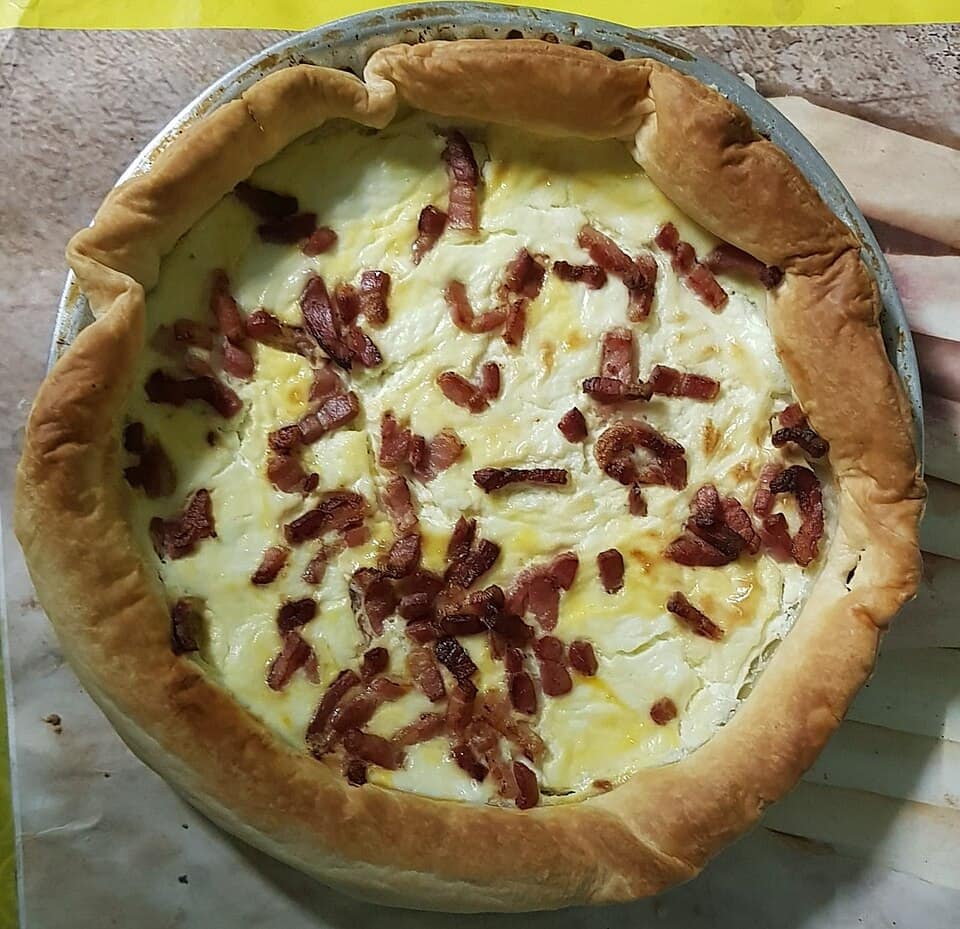
Quiche Lorraine
French · 2 h 5 min · 598 kcal