
 Punjabi · Indian · Breads & flatbreads
Gobi paratha
Vegetarian
गोभी पराठा · gobhi paratha
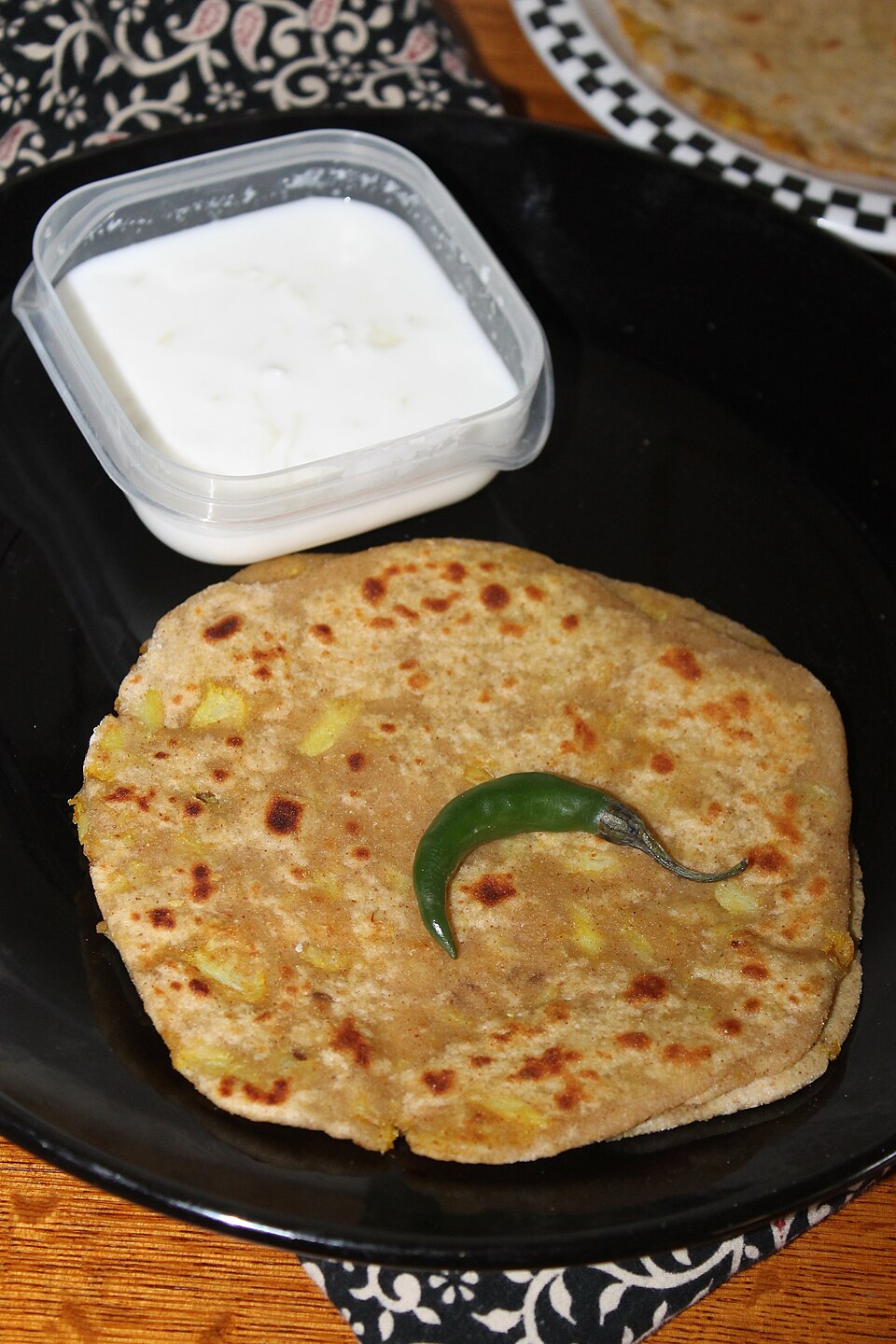
Whole-wheat parathas stuffed with finely grated cauliflower seasoned with ginger, green chilli, ajwain and dried mango. A Punjabi winter breakfast when cauliflower is at its sweetest.
Gobi paratha is a Punjabi bread from India, ready in about 1 hour 19 minutes and made with whole-wheat flour and cauliflower. It serves 6 and is rated intermediate to cook.
- Prep
- 35 min
- Cook
- 24 min
- Rest
- 20 min
- Total
- 1 h 19 min
- Serves
- 6
- Level
- Intermediate
- Calories
- 252
Main ingredients
Ingredients
For the dough
For the filling
For cooking
To serve
Method
Dough
8 minStep 1
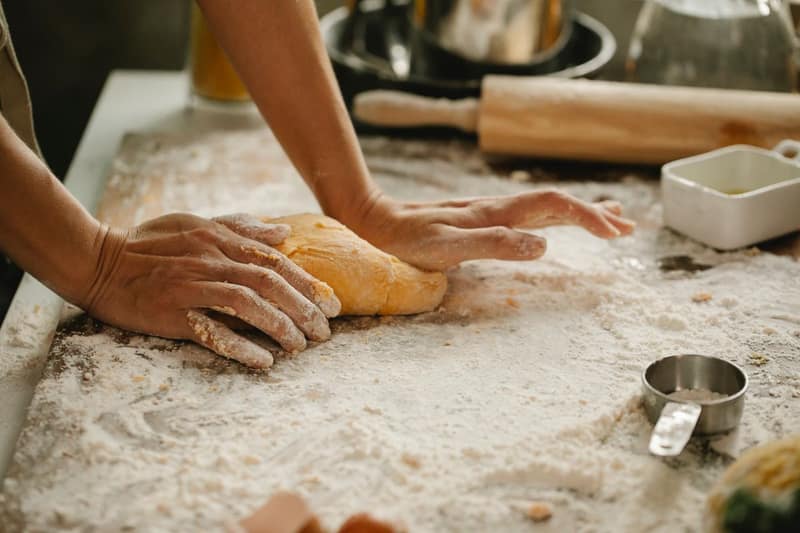
Mix the atta (opens in a new tab) and salt, rub in the oil, then add the water a little at a time, kneading for about 5 minutes into a soft, smooth dough that no longer sticks to your fingers. Cover and rest for 20 minutes so it rolls out without springing back.
How it looks · Photo: Klaus Nielsen on Pexels
Filling
27 minStep 2
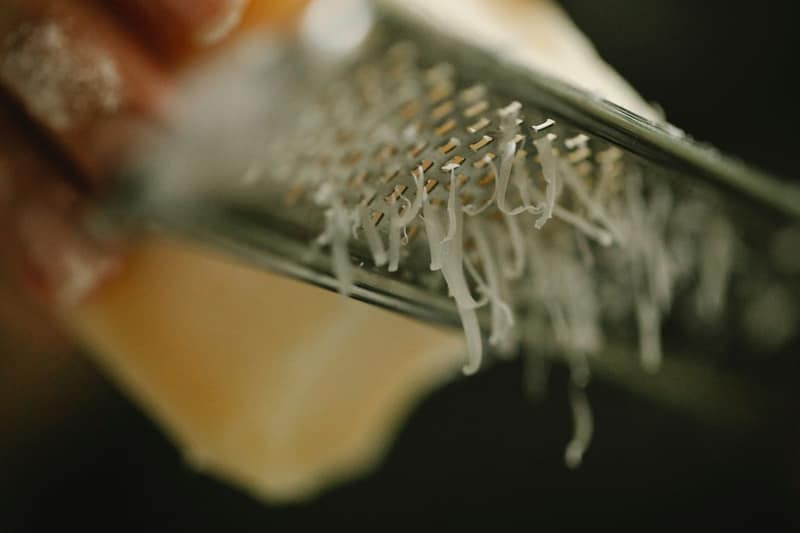
Grate the cauliflower (opens in a new tab) florets and tender stalk very finely. Mix in the salt only when you are ready to stuff, wait 5 minutes, then squeeze the cauliflower hard in your fists or a clean cloth to remove as much water as possible.
The squeezed liquid is good for kneading your next batch of dough.
How it looks · Photo: Klaus Nielsen on Pexels Step 3
Mix the squeezed cauliflower (opens in a new tab) with the chilli, ginger, coriander, ajwain (opens in a new tab), chilli powder, garam masala (opens in a new tab) and amchur (opens in a new tab). Taste — it should be well seasoned, as the dough is plain.
- 3 min
Step 4
Divide the dough and the filling into 6 equal portions. Flatten a dough ball into a 10 cm cup, pack in one portion of filling, then pleat the edges up over it and pinch firmly to seal. Turn it seam-side down, press flat, dust with flour and roll lightly from the centre outwards into a 17–18 cm round.
If filling peeps through, patch the spot with a pinch of dry flour and keep rolling more gently.
Cooking
24 minStep 5
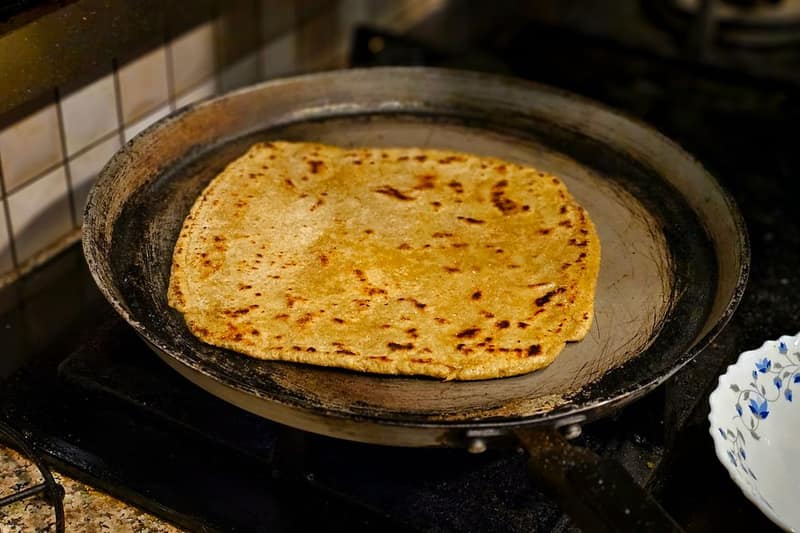
Lay a paratha on a hot tawa or heavy pan over medium-high heat. When small bubbles appear (about 30 seconds) flip it; after another 30 seconds brush the top with ghee (opens in a new tab), flip again and press the edges with a spatula (opens in a new tab) until golden-brown patches form. Brush and cook the second side the same way — 3 to 4 minutes per paratha in all.
- 24 min
- medium-high heat
- Griddle / tawa (opens in a new tab)
- Spatula (opens in a new tab)
How it looks · Photo: Muhammad Khawar Nazir on Pexels
To serve
Step 6
Serve hot with yogurt (opens in a new tab), pickle and a little butter on top.
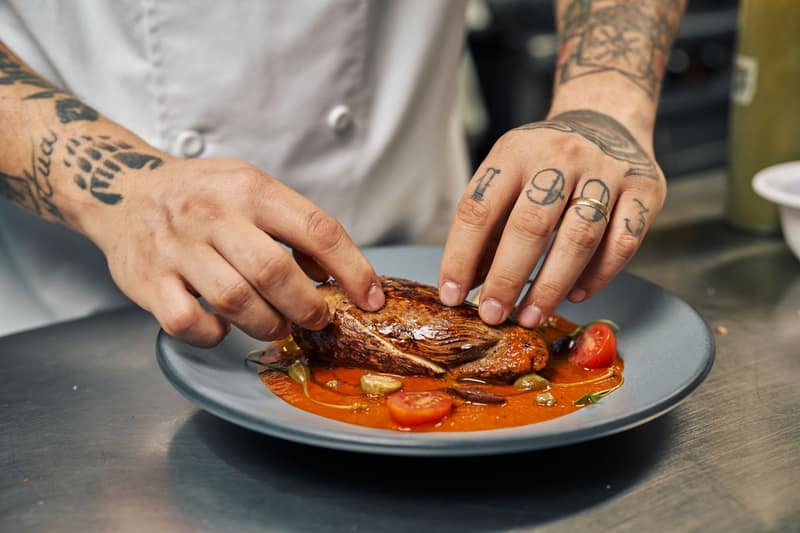
How it looks · Photo: Willians Huerta on Pexels
At a glance
1 · Dough in a bowl
 Whole-wheat flour
 Salt
 Neutral vegetable oil
then grate
2 · Filling in a bowl
 Cauliflower
- Salt
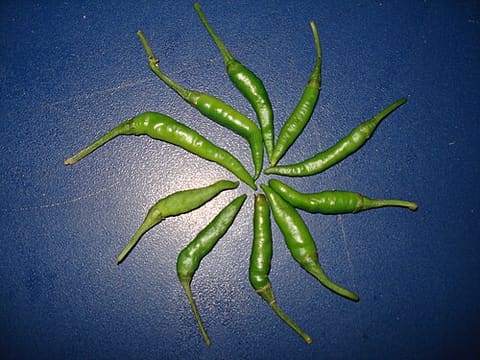 Green chilli
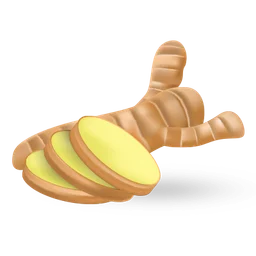 Fresh ginger
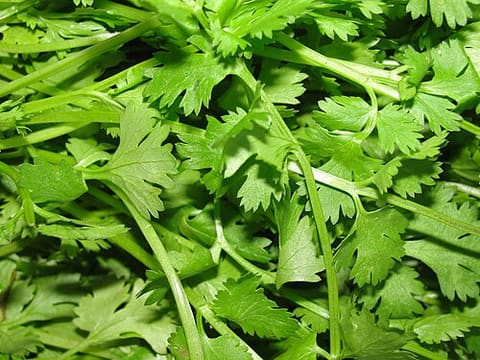 Coriander leaves
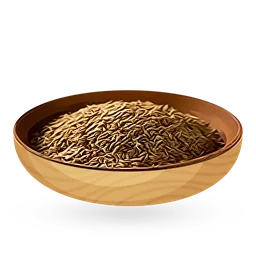 Ajwain
- Cayenne / chilli powder
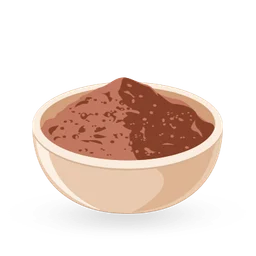 Garam masala
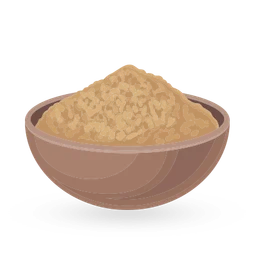 Amchur (dried mango powder)
then lay
3 · Cooking in a pan
 Ghee
then serve
4 · To serve in a bowl
 Yogurt
About this dish
- Origin
- Punjab, India · Commonly attributedA winter staple in Punjabi homes and dhabas, made across North India.Also popular in PakistanMore food from India
India - Dish
- Breakfast · Brunch · Lunch · Breads & flatbreads
- Cooking method
- Pan-fried
- Taste
- savoury, spicy (chilli heat), earthy, buttery
- Diet
- Vegetarian (lacto-ovo) · No nut ingredientsWith the listed swaps: Vegan, Plant-based, Ovo-vegetarian, Dairy-freeWorked out from the ingredients. How labels work
All labels
Vegetarian (lacto-ovo) · Eggetarian · Lacto-vegetarian · Pescatarian · Flexitarian-friendly · Egg-free · No nut ingredients · No added sugar · Alcohol-free · Pork-free · Beef-free - Good for
- Everyday · Budget-friendly · Portable / lunchbox
- Cook more with
- Whole-wheat flour · Cauliflower · Green chilli · Fresh ginger · Coriander leaves · Ajwain
- Techniques
- Pan-frying · Kneading · Pickling
Allergens
- Contains, can be adapted: Milkfrom ghee, yogurt
- Contains: Wheatfrom whole-wheat flour
- Contains: Glutenfrom whole-wheat flour
Based on typical versions of these ingredients and not verified allergen-free. Brands differ and cross-contact happens, so always check labels. For severe allergies, follow your clinician’s advice.
Nutrition
252 kcal per serving
Estimated1 serving ≈ 153 g · recipe makes 6
Where the energy comes from
- Protein 12%
- Carbohydrate 59%
- Fat 29%
| Nutrient | Per serving | Per 100 g* |
|---|---|---|
| Energy | 252 kcal | 165 kcal |
| Protein | 7.9 g | 5.1 g |
| Carbohydrate | 39.6 g | 25.9 g |
| Net carbohydrate | 32.8 g | 21.5 g |
| Sugars | 1.5 g | 1 g |
| Added sugars | 0 g | 0 g |
| Fibre | 6.7 g | 4.4 g |
| Fat | 8.8 g | 5.8 g |
| Saturated fat | 4 g | 2.6 g |
| Trans fat | — | — |
| Cholesterol | 15 mg | 10 mg |
| Sodium | 506 mg | 331 mg |
| Salt equivalent | 1.3 g | 0.8 g |
Vitamins & minerals per serving
- Potassium
- 378 mg
- Calcium
- 36 mg
- Iron
- 2.1 mg
- Magnesium
- 80 mg
- Vitamin A (RAE)
- 55 µg
- Vitamin C
- 33 mg
- Vitamin D
- 0 µg
- Vitamin B12
- 0 µg
- Folate (DFE)
- 56 µg
How these numbers were made
- Calculated from USDA FoodData Central (SR Legacy) per-100 g values and the listed quantities.
- *Per 100 g of combined raw ingredients; the cooked dish may weigh more or less.
- Optional ingredients are not included: yogurt.
- Not counted (tiny amounts or “to taste”): ajwain, amchur (dried mango powder).
- Garam masala: Curry powder (FDC 170924) used as a stand-in; both are ground blends of similar dried spices used in teaspoon amounts.
- “—” means the value isn’t known for enough of the ingredients; it is never zero by default.
- Values are estimates for guidance, not for medical dosing. U.S. Department of Agriculture, Agricultural Research Service. FoodData Central, 2019. fdc.nal.usda.gov.
Good to know
Tips
- Salt the cauliflower at the last minute — salted early it keeps weeping water into the dough.
Common mistakes
- Skipping the squeeze: wet filling steams the dough from inside and the paratha tears on the pan.
Serve with
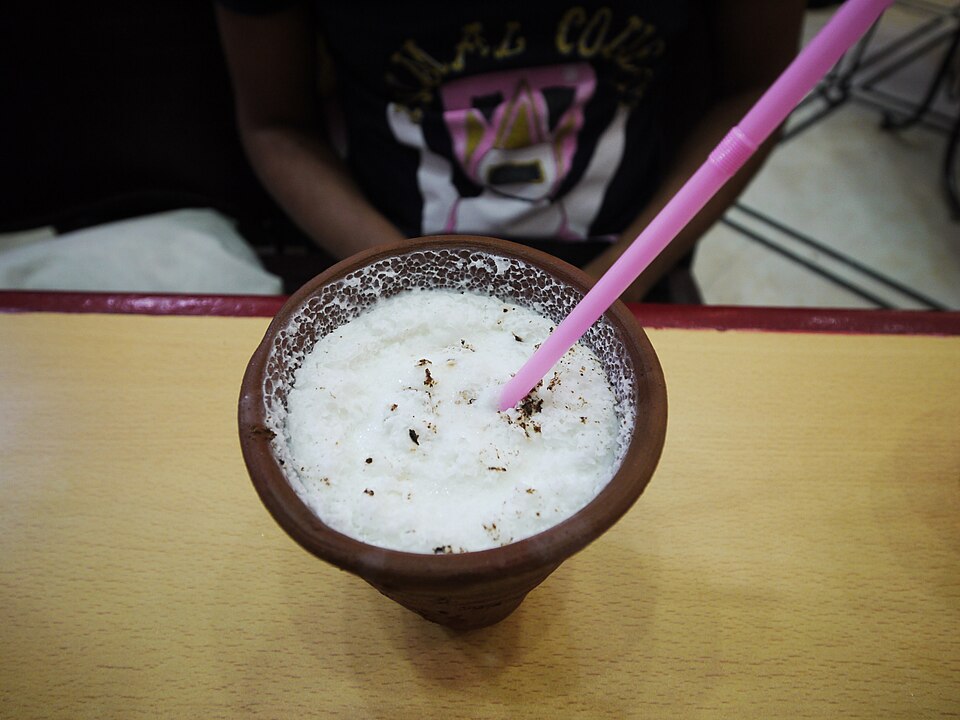
- Serve with plain dahi, Punjabi mango pickle and a glass of salted lassi.
Storage
- Cooked parathas keep 2 days in the fridge or 1 month in the freezer, stacked with baking paper between them.
Reheating
- Reheat on a dry tawa over medium heat for about a minute a side until crisp and hot through.
Original editorial recipe · FriendsPantry editorial · Not yet independently reviewed · Added
Sauces, chutneys & dips for this dish
Recipe DNA
How this dish is built
Built from the recipe’s own sections. Each band’s width is its share of the dish by weight. Choose a component to see what it does.
Structure
For the dough
- Whole-wheat flour300 g
- Salt0.5 tsp · 3 g
- Neutral vegetable oil2 tsp · 9.1 g
- Water189 ml · 189 g
Masalas in this recipe
Make the masala first, then come back to finish the dish.
Dry spice blend
Punjabi garam masala
This recipe uses ½ tsp (1 g for 6 parathas).
Also: Bengali garam masala, Kerala (Malabar) garam masala, Mughlai (shahi) garam masala
Baker’s notes
Customise in Bread & BakeryTimeline and readiness cues
Mix and knead · about 59 min
Knead until smooth and soft; it should feel like an earlobe.
Rest · about 20 min
Covered so it doesn't dry out; relaxed dough rolls and shapes without springing back.
- Start to finish: about 1 h 19 min. Times are a guide — warmth changes everything; follow the cues.
The dough
| Ingredient | Role | Weight | Baker’s % |
|---|---|---|---|
| Whole-wheat flour | Flour | 300 g | 100% |
| Water | Water | 189 g | 63% |
| Neutral vegetable oil | Fat | 9 g | 3% |
| Salt | Salt | 3 g | 1% |
- Total flour
- 300 g
- Hydration
- 63%
- With milk, eggs…
- 63%
- Wholegrain
- 100%
Hydration = water ÷ flour × 100. Milk is about 87% water and eggs about 75%, so they’re shown separately as “with milk, eggs…”.
- Medium dough (55–65%) — soft and easy to knead; sandwich loaves and rolls.
- Salt 1% — on the low side (1.8–2.2% is typical for bread).
- 100% wholegrain — absorbs more water and gives a denser, nuttier loaf.
If something goes wrong
Pale crust
Likely causes
- Oven too cool
- Too little sugar or no milk/egg for browning
- Over-fermented (yeast ate the sugars)
What to do
- Check the oven with a thermometer
- Brush with egg wash or milk
- Shorten the fermentation
Burnt bottom
Likely causes
- Tray too close to the heat
- Dark tray absorbs more heat
- Too much sugar in the dough
What to do
- Bake on the middle shelf
- Double up trays or use a light-coloured one
- Lower the temperature 10–15 °C and bake a little longer
Tough or chewy flatbread
Likely causes
- Dough too stiff
- Not rested
- Cooked too slowly on too cool a pan
What to do
- Add water until the dough is soft and slightly tacky
- Rest 20–30 minutes covered so the gluten relaxes
- Cook on a very hot tawa or pan — quickly
Reviews & corrections
Reviews come from signed-in cooks and appear after a moderator checks them. We never show made-up ratings.
You might also like
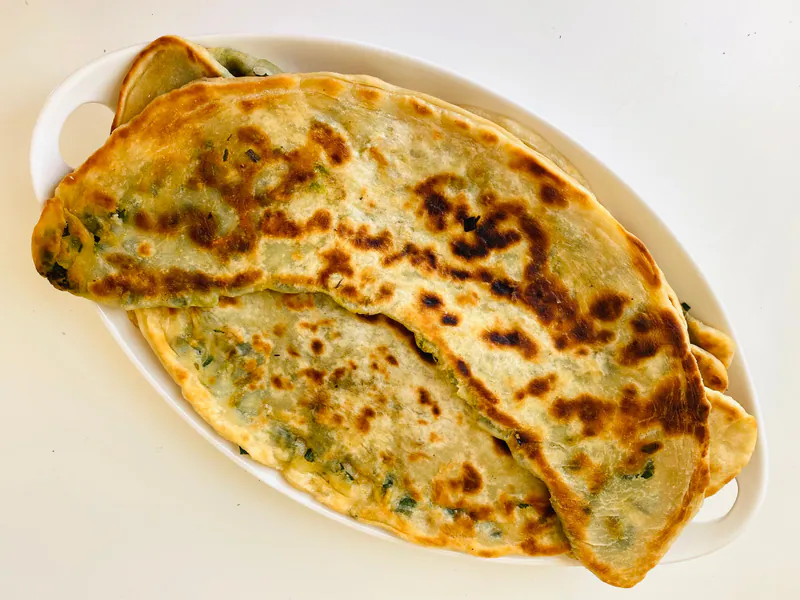
Aloo paratha
Punjabi · 1 h 15 min · 430 kcal · Vegetarian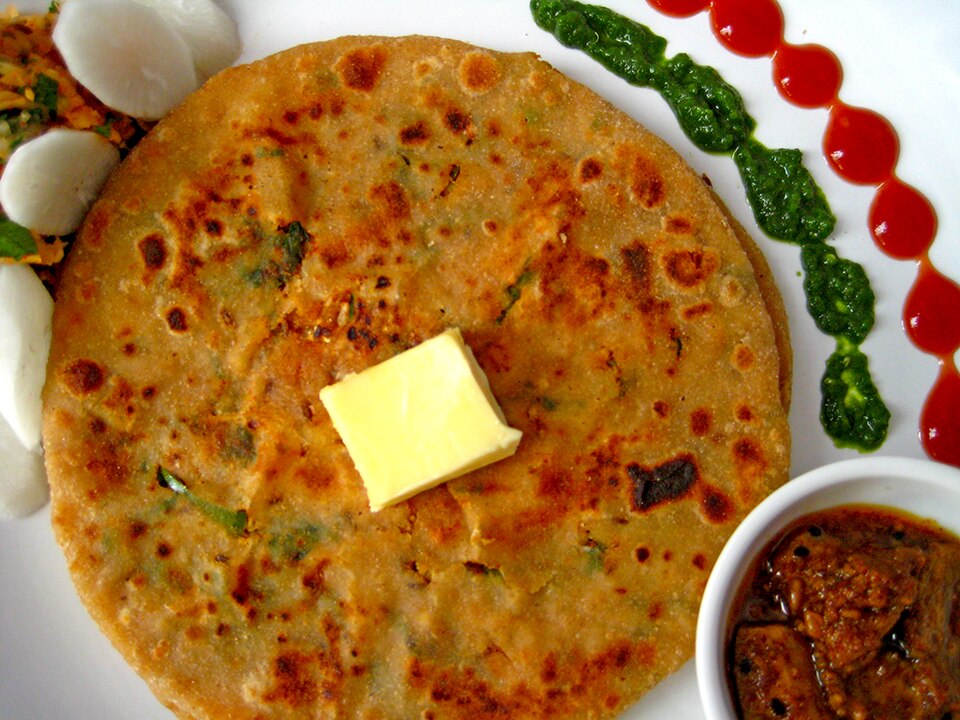
Mooli paratha
Punjabi · 1 h 19 min · 249 kcal · Vegetarian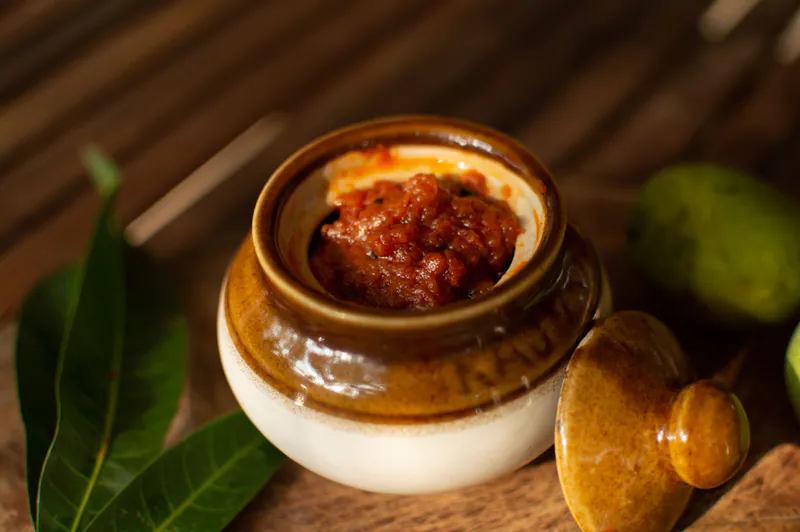
Punjabi mango pickle (aam ka achaar)
Punjabi · 45 min · 36 kcal · Vegan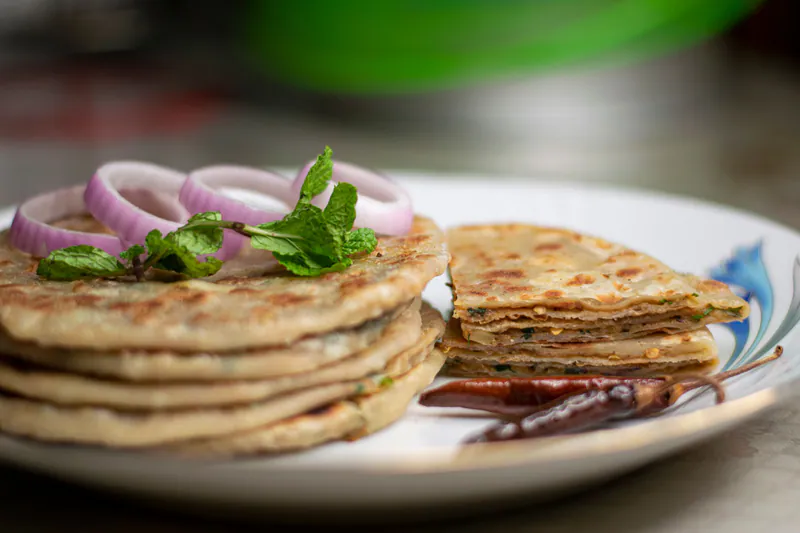
Pyaaz paratha
Punjabi · 1 h 9 min · 256 kcal · Vegetarian