
Empanadas de pino (Chilean beef empanadas)
Non-vegetarian
Empanadas de pino
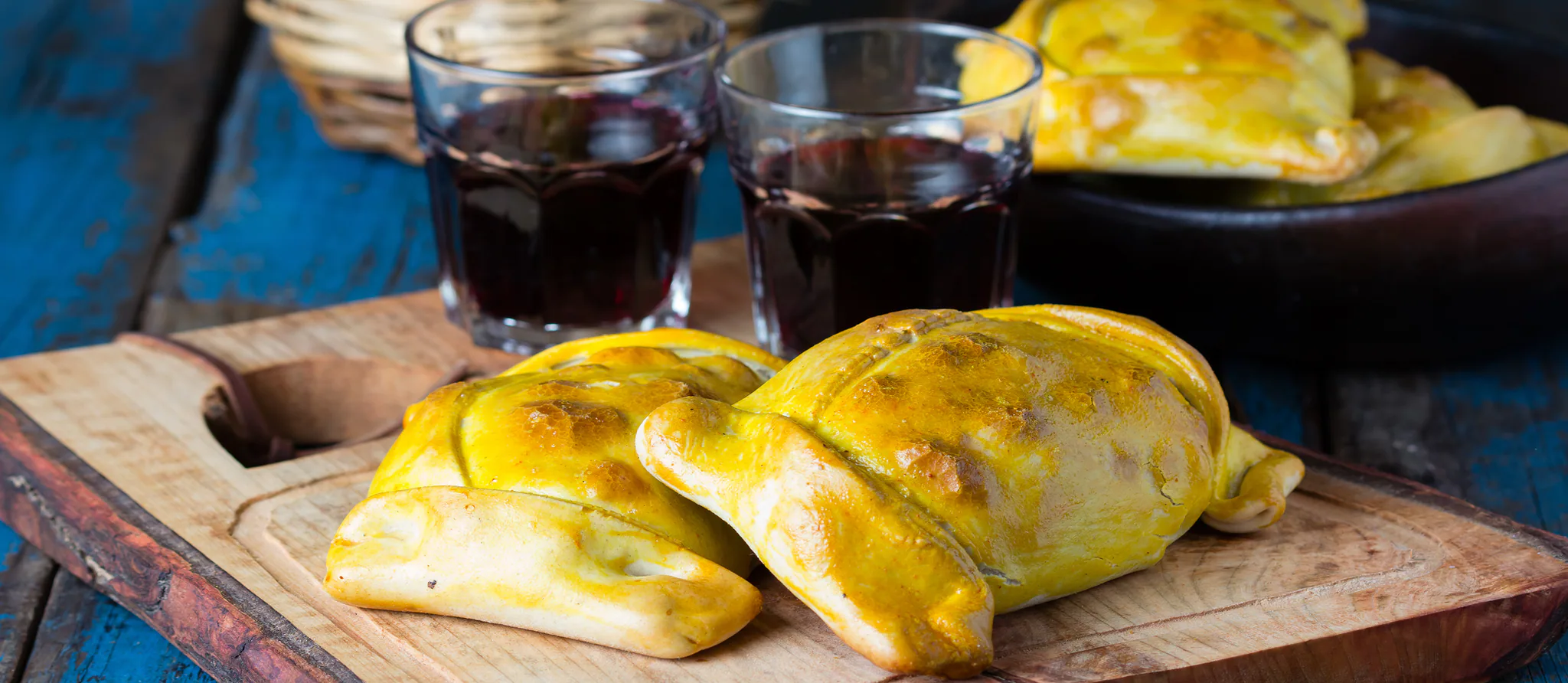
Large baked Chilean turnovers filled with pino, a juicy, onion-heavy beef filling spiced with cumin and paprika, tucked in with a black olive, a raisin or two and a wedge of hard-boiled egg. The pastry of the Fiestas Patrias, usually washed down with red wine.
Empanadas de pino (Chilean beef empanadas) is a Chilean pastry, ready in about 1 hour 50 minutes and made with ground beef, onion and all-purpose flour. It serves 12 and is rated intermediate to cook.
- Prep
- 50 min
- Cook
- 1 h
- Total
- 1 h 50 min
- Serves
- 12
- Level
- Intermediate
- Calories
- 561
Plus at least 4 hours (ideally overnight) chilling the pino.
Main ingredients
Ingredients
For the pino
For the dough
For assembling
For the glaze
Method
Pino
37 minStep 1
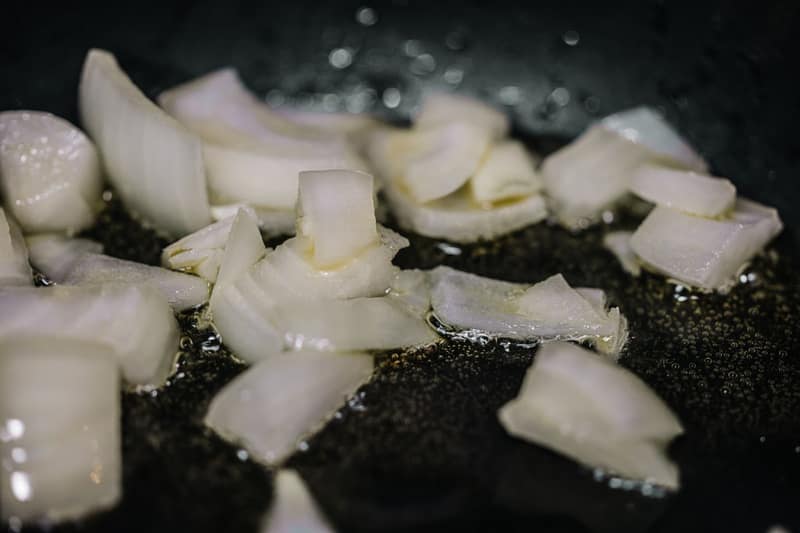
Heat the oil in a wide pan and cook the onions (opens in a new tab) with a pinch of salt over medium-low heat until soft, translucent and sweet but not browned, about 15 minutes.
- 15 min
- medium-low heat
- Frying pan / skillet (opens in a new tab)
How it looks · Photo: Magda Ehlers on Pexels Step 2
Add the garlic (opens in a new tab), paprika (opens in a new tab), cumin, chilli and thyme (opens in a new tab) and stir for a minute. Add the beef, breaking it up, and cook until it loses its raw colour. Sprinkle over the flour, stir, then add the stock, salt and pepper (opens in a new tab) and simmer gently until thick and juicy rather than wet, about 15 minutes.
- 20 min
- medium-low heat
Food safety: Cook minced beef until no pink remains and the juices run clear (71 °C in the centre).
Step 3
Cool the pino, then cover and refrigerate for at least 4 hours or overnight. It sets firm, which makes the empanadas much easier to fill, and the flavour deepens.
- 2 min
Chilean cooks always make the pino the day before.
Dough
25 minStep 4
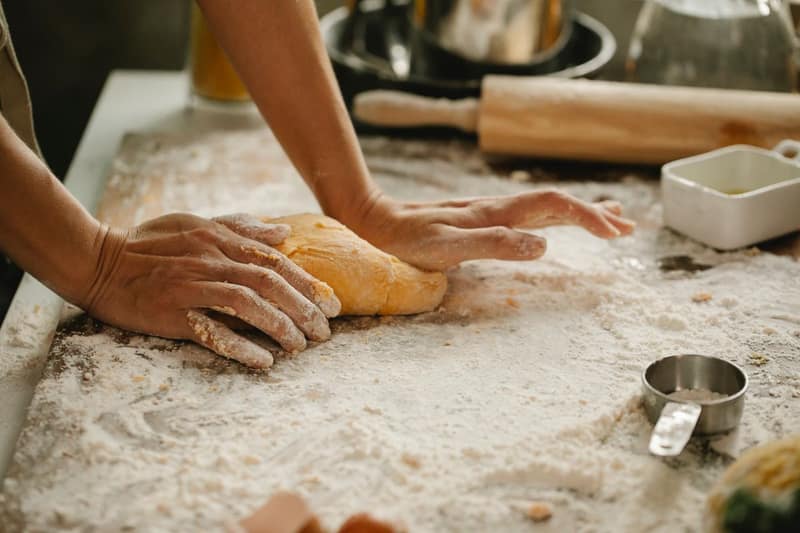
For the dough, put the flour in a bowl and pour in the warm lard (opens in a new tab), warm milk (opens in a new tab) and salted water. Mix, then knead briefly to a smooth, soft dough that does not stick. Cover and rest for 15 minutes.
How it looks · Photo: Klaus Nielsen on Pexels Step 5
Heat the oven (opens in a new tab) to 200 °C. Divide the dough into 12 pieces and roll each into a circle about 18 cm across and 3 mm thick.
- 15 min
- 200°C
- Rolling pin (opens in a new tab)
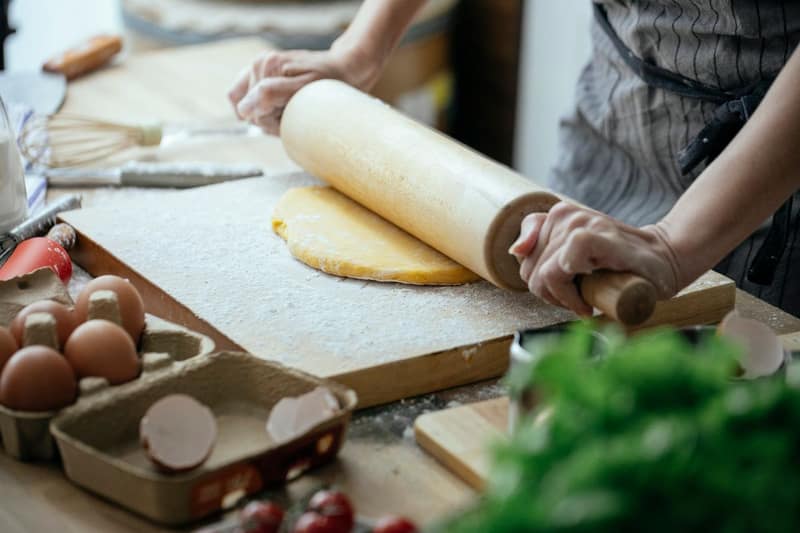
How it looks · Photo: Katerina Holmes on Pexels
Assembling
50 minStep 6
Place 2–3 tablespoons of cold pino on the lower half of each round, leaving a border. Add a piece of egg (opens in a new tab), an olive (opens in a new tab) and 2–3 raisins (opens in a new tab). Brush the border with water, fold the top over, and fold the edges in to make the classic rectangular 'envelope' shape, pressing firmly to seal.
- 20 min
Step 7
Set the empanadas on lined trays, brush with the egg (opens in a new tab) glaze and prick each once with a fork. Bake for 25–30 minutes until deep golden.
At a glance
1 · Pino in a pan
 Ground beef
 Onion
 Neutral vegetable oil
 Garlic
 Paprika
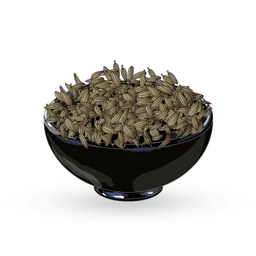 Ground cumin
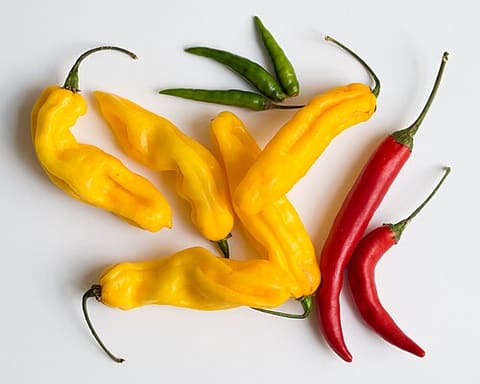 Dried whole chillies
- Dried thyme
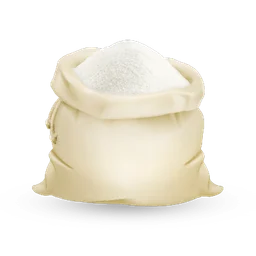 All-purpose flour
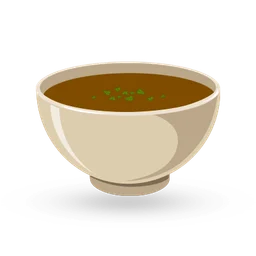 Beef stock
 Salt
 Black pepper
then put
2 · Dough in a bowl
- All-purpose flour
 Lard
 Milk
- Salt
then place
3 · Assembling in a bowl
 Egg
 Black olives
 Raisins
About this dish
- Origin
- Central Chile, Chile · Well documentedEaten all year but above all during the Fiestas Patrias in September; in Lent and at Easter, when beef is traditionally avoided, cheese and seafood empanadas take over.More food from Chile
Chile - Dish
- Lunch · Dinner · Snack · Pastries · Main courses · Street food · Savoury pies & tarts
- Cooking method
- Sautéed, Oven-baked
- Taste
- savoury, sweet & savoury, aromatic / warmly spiced
- Diet
- No nut ingredientsWith the listed swaps: Flexitarian-friendly, Pork-freeWorked out from the ingredients. How labels work
All labels
Non-vegetarian · No nut ingredients · No added sugar · Alcohol-free - Good for
- Festive & celebration · Make-ahead · Freezer-friendly · Portable / lunchbox
- Cook more with
- Ground beef · Onion · All-purpose flour · Garlic · Paprika · Ground cumin
Allergens
- Contains: Milkfrom milk
- Contains: Eggsfrom egg
- Contains: Wheatfrom all-purpose flour
- Contains: Glutenfrom all-purpose flour
- May contain: Celeryfrom beef stock
- May contain: Sulphitesfrom raisins
Based on typical versions of these ingredients and not verified allergen-free. Brands differ and cross-contact happens, so always check labels. For severe allergies, follow your clinician’s advice.
Nutrition
561 kcal per serving
Calculated1 serving ≈ 262 g · recipe makes 12
Where the energy comes from
- Protein 14%
- Carbohydrate 42%
- Fat 44%
| Nutrient | Per serving | Per 100 g* |
|---|---|---|
| Energy | 561 kcal | 215 kcal |
| Protein | 19.8 g | 7.6 g |
| Carbohydrate | 58.7 g | 22.4 g |
| Net carbohydrate | 55.5 g | 21.2 g |
| Sugars | 6.1 g | 2.3 g |
| Added sugars | 0 g | 0 g |
| Fibre | 3.2 g | 1.2 g |
| Fat | 27 g | 10.3 g |
| Saturated fat | 9.2 g | 3.5 g |
| Trans fat | — | — |
| Cholesterol | 110 mg | 42 mg |
| Sodium | 806 mg | 308 mg |
| Salt equivalent | 2 g | 0.8 g |
Vitamins & minerals per serving
- Potassium
- 423 mg
- Calcium
- 79 mg
- Iron
- 5.1 mg
- Magnesium
- 38 mg
- Vitamin A (RAE)
- 53 µg
- Vitamin C
- 5 mg
- Vitamin D
- 1 µg
- Vitamin B12
- 1.3 µg
- Folate (DFE)
- 208 µg
How these numbers were made
- Calculated from USDA FoodData Central (SR Legacy) per-100 g values and the listed quantities.
- *Per 100 g of combined raw ingredients; the cooked dish may weigh more or less.
- Optional ingredients are not included: dried whole chillies.
- “—” means the value isn’t known for enough of the ingredients; it is never zero by default.
- Values are estimates for guidance, not for medical dosing. U.S. Department of Agriculture, Agricultural Research Service. FoodData Central, 2019. fdc.nal.usda.gov.
Good to know
Tips
- Keep the pino cold and fairly dry when filling; warm, wet filling softens the dough and makes the empanadas burst.
- Warn guests if you leave the olive stones in, as many Chilean families do.
Common mistakes
- Skimping on onion — the juiciness of a good pino comes from the slow-cooked onions.
Serve with
- Serve hot with pebre (Chilean coriander-tomato salsa) and a glass of Chilean red wine.
Food safety
- Cook minced beef until no pink remains and the juices run clear (71 °C in the centre).
- Hard-boil eggs until both white and yolk are firm, then cool them quickly in cold water.
Storage
- Baked empanadas keep 3 days in the fridge. Freeze unbaked empanadas on a tray, then bag them; bake from frozen, adding 10 minutes.
Reheating
- Reheat in a 180 °C oven for 10–12 minutes.
Variations
- Empanadas de queso: Small fried empanadas filled with melting cheese, popular at Easter and by the sea.
- Empanadas de mariscos: Filled with a creamy mix of shellfish, onion and cheese; a Lent and coastal favourite.
Original editorial recipe · FriendsPantry editorial · source: TasteAtlas (dish facts) · Not yet independently reviewed · Added
Sauces, chutneys & dips for this dish
Recipe DNA
How this dish is built
Reviews & corrections
Reviews come from signed-in cooks and appear after a moderator checks them. We never show made-up ratings.
You might also like
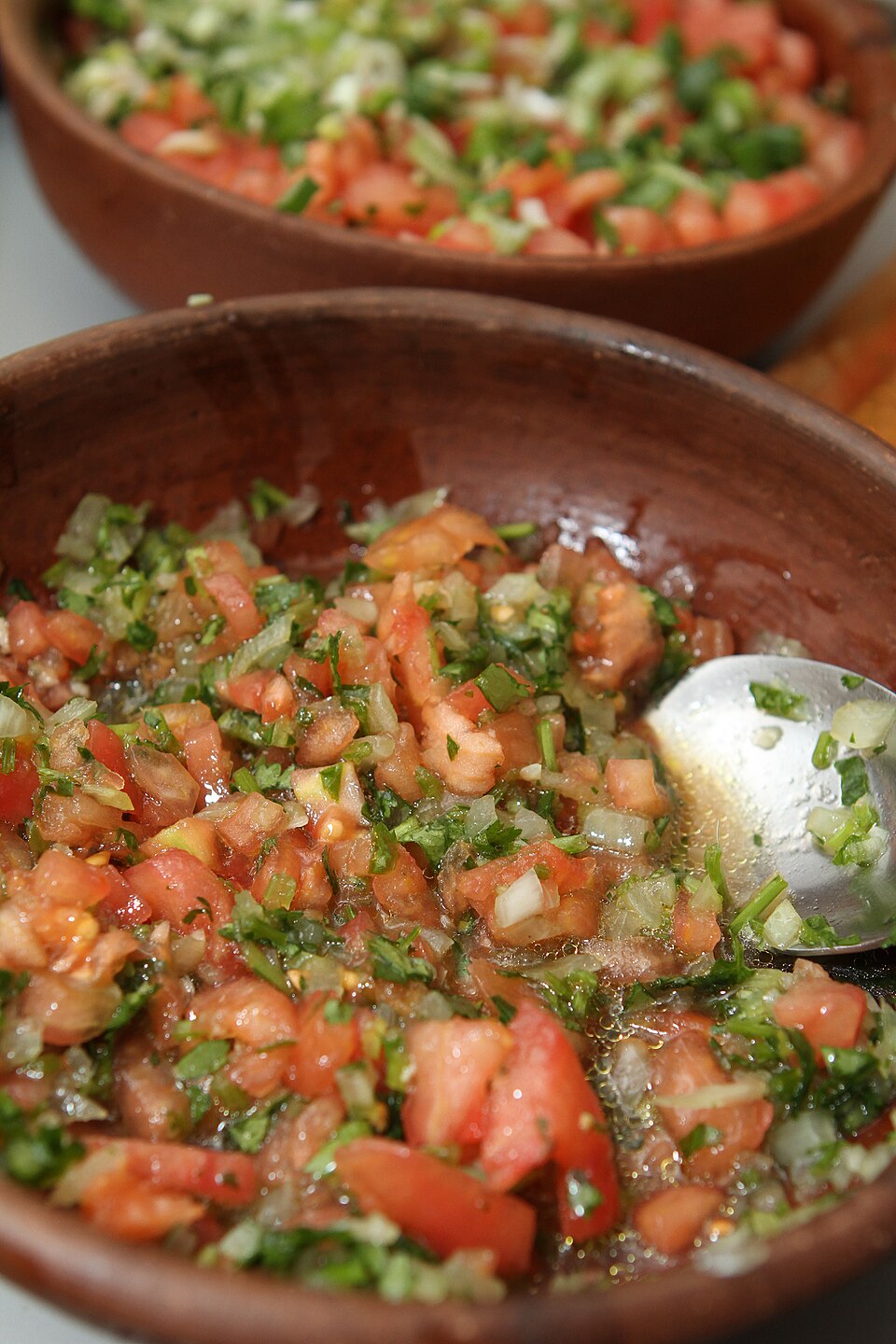
Pebre
 Chilean · 30 min · 78 kcal · Vegan
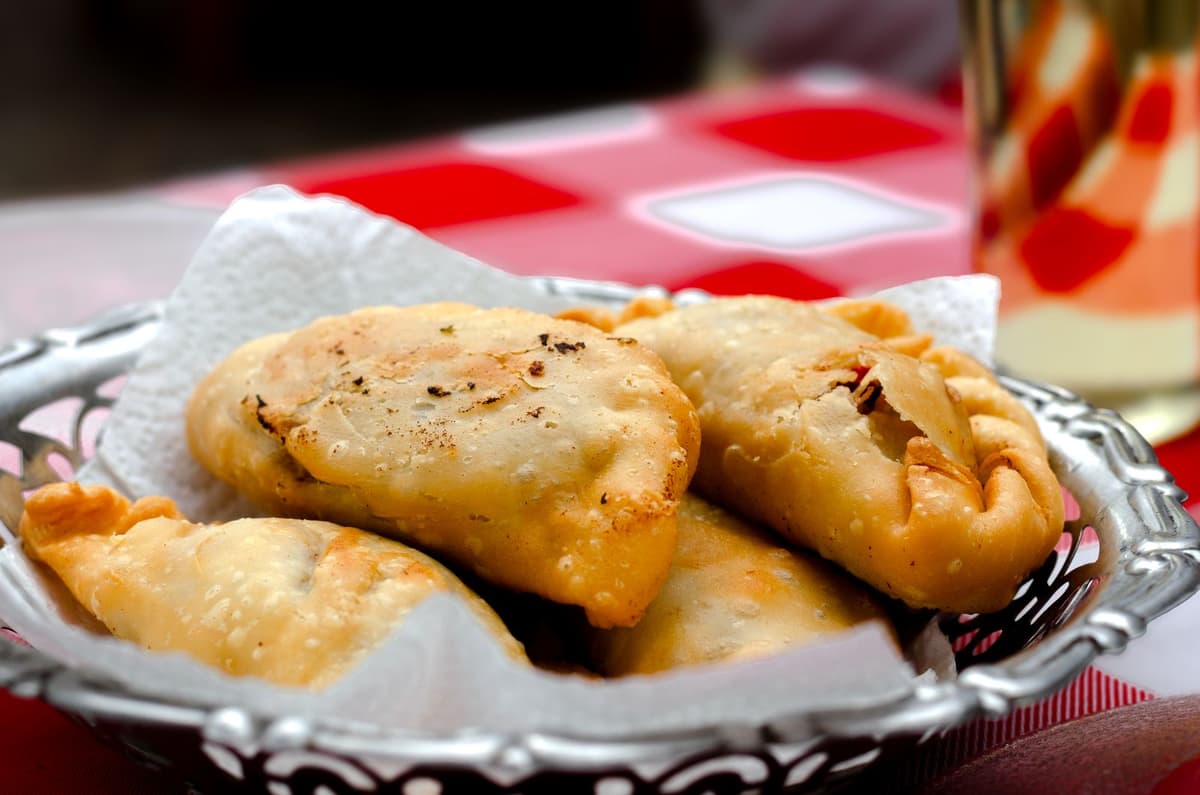
Baked beef empanadas
 Argentine · 2 h 20 min · 498 kcal
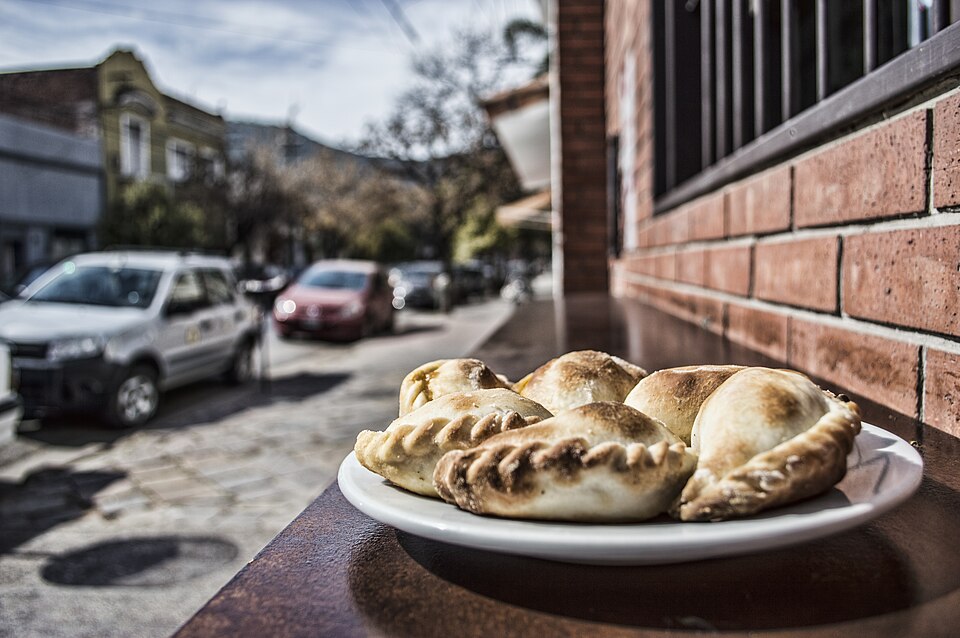
Empanadas salteñas
Argentine · 2 h 25 min · 505 kcal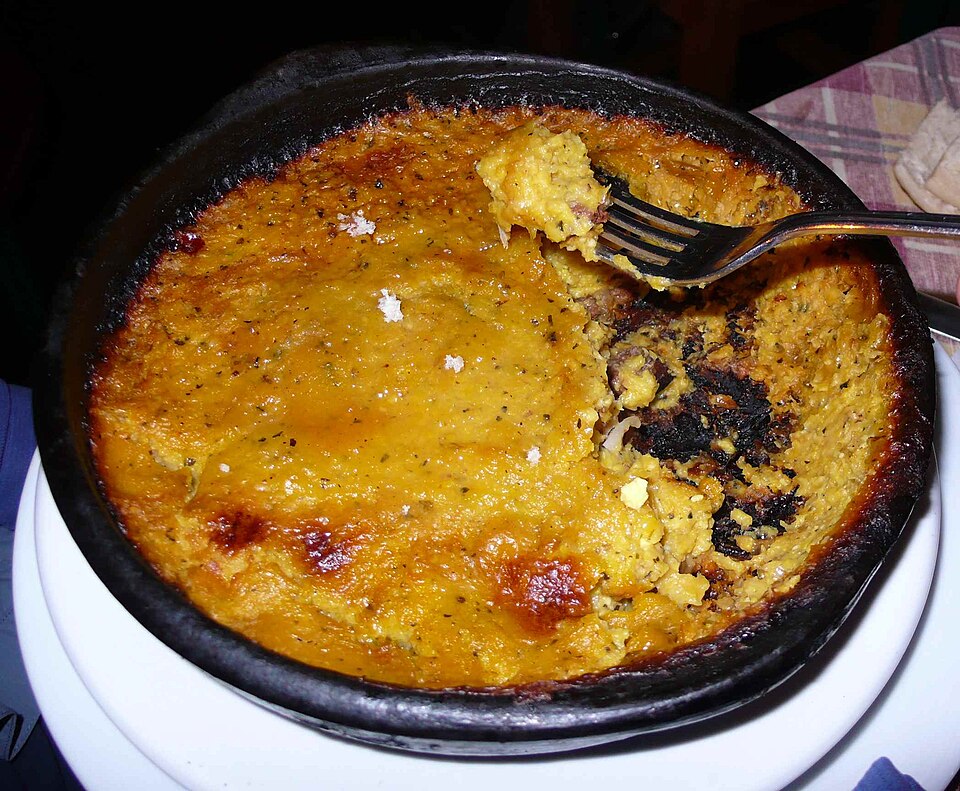
Pastel de choclo
Chilean · 1 h 55 min · 493 kcal