
 Montenegrin · Balkan · Breads & flatbreads
Crnogorska pogača (Montenegrin soda bread under the sač)
Vegetarian
Црногорска погача · crnogorska pogača
A round, yeast-free country loaf of flour, water, salt and baking soda, baked under a domed iron lid heaped with embers until crusty, then sprinkled with water and wrapped in a cloth to soften. The everyday bread of Montenegrin households, eaten with cheese and cured meats.
Crnogorska pogača (Montenegrin soda bread under the sač) is a Montenegrin bread from Montenegro, ready in about 1 hour 10 minutes and made with all-purpose flour and baking soda. It serves 8 and is rated easy to cook.
No licensed photograph of this dish yet.
- Prep
- 15 min
- Cook
- 35 min
- Rest
- 20 min
- Total
- 1 h 10 min
- Serves
- 8
- Level
- Easy
- Calories
- 260
Main ingredients
Method
Step 1
Put a heavy lidded casserole (or a sač, if you have one) in the oven (opens in a new tab) and heat to 230 °C.
Step 2
Mix the flour, baking soda (opens in a new tab) and salt in a bowl. Add the water (and yoghurt (opens in a new tab), if using) gradually and knead briefly to a firm, smooth dough that does not stick to your hands.
Soda dough should be handled quickly; long kneading makes it tough.

How it looks · Photo: Klaus Nielsen on Pexels Step 3
Shape into a round loaf about 4 cm thick. Carefully take out the hot casserole, grease it with the oil and half the butter (opens in a new tab), put in the loaf and score a cross on top.
- 4 min
Food safety: The pot is extremely hot; use thick oven gloves.
Step 4
Cover and bake for 25 minutes, then uncover and bake 8–10 minutes more until the crust is golden and the loaf sounds hollow when tapped underneath.
Step 5
Brush with the remaining butter (opens in a new tab), sprinkle the crust with a little cold water, wrap the loaf in a clean tea towel and leave for 20 minutes before cutting.
- 2 min
Wrapping softens the crust, as Montenegrin cooks like it.
At a glance
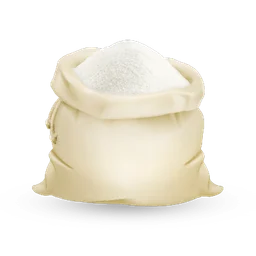 All-purpose flour
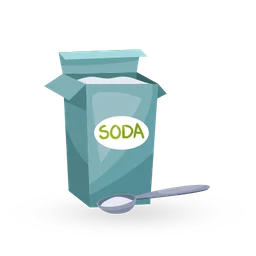 Baking soda
 Salt
 Yogurt
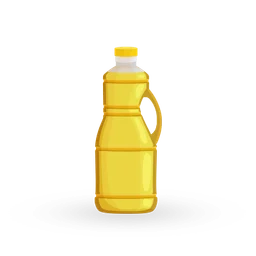 Neutral vegetable oil
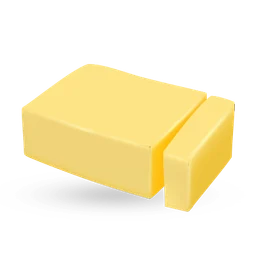 Butter
About this dish
- Origin
- Montenegro · Commonly attributedBaked in a shallow pan (tepsija) under a sač, a bell-shaped iron or clay lid covered with hot coals and ash; a heavy lidded casserole in a hot oven gives a similar result. Some families use sour milk or yoghurt for part of the water.Also popular in Serbia, Bosnia and HerzegovinaMore food from Montenegro
Montenegro - Dish
- Breakfast · Lunch · Dinner · Breads & flatbreads
- Cooking method
- Oven-baked
- Taste
- mild, savoury
- Diet
- Vegetarian (lacto-ovo) · No nut ingredientsWorked out from the ingredients. How labels work
All labels
Vegetarian (lacto-ovo) · Eggetarian · Lacto-vegetarian · Pescatarian · Flexitarian-friendly · Egg-free · No nut ingredients · No added sugar · Alcohol-free · Pork-free · Beef-free - Good for
- Everyday · Budget-friendly
- Cook more with
- All-purpose flour · Baking soda · Butter
Allergens
- Contains, can be adapted: Milkfrom yogurt, butter
- Contains: Wheatfrom all-purpose flour
- Contains: Glutenfrom all-purpose flour
Based on typical versions of these ingredients and not verified allergen-free. Brands differ and cross-contact happens, so always check labels. For severe allergies, follow your clinician’s advice.
Nutrition
260 kcal per serving
Calculated1 serving ≈ 106 g · recipe makes 8
Where the energy comes from
- Protein 10%
- Carbohydrate 75%
- Fat 15%
| Nutrient | Per serving | Per 100 g* |
|---|---|---|
| Energy | 260 kcal | 245 kcal |
| Protein | 6.5 g | 6.1 g |
| Carbohydrate | 47.7 g | 44.9 g |
| Net carbohydrate | 46 g | 43.3 g |
| Sugars | 0.2 g | 0.2 g |
| Added sugars | 0 g | 0 g |
| Fibre | 1.7 g | 1.6 g |
| Fat | 4.3 g | 4.1 g |
| Saturated fat | 1.5 g | 1.4 g |
| Trans fat | — | — |
| Cholesterol | 5 mg | 5 mg |
| Sodium | 695 mg | 655 mg |
| Salt equivalent | 1.7 g | 1.6 g |
Vitamins & minerals per serving
- Potassium
- 68 mg
- Calcium
- 14 mg
- Iron
- 2.9 mg
- Magnesium
- 15 mg
- Vitamin A (RAE)
- 17 µg
- Vitamin C
- 0 mg
- Vitamin D
- 0 µg
- Vitamin B12
- 0 µg
- Folate (DFE)
- 182 µg
How these numbers were made
- Calculated from USDA FoodData Central (SR Legacy) per-100 g values and the listed quantities.
- *Per 100 g of combined raw ingredients; the cooked dish may weigh more or less.
- Optional ingredients are not included: yogurt.
- “—” means the value isn’t known for enough of the ingredients; it is never zero by default.
- Values are estimates for guidance, not for medical dosing. U.S. Department of Agriculture, Agricultural Research Service. FoodData Central, 2019. fdc.nal.usda.gov.
Good to know
Common mistakes
- Letting the dough sit before baking — the soda starts working as soon as liquid is added.
Serve with
- Serve warm with Njeguški pršut, young cheese, kajmak and olives.
Storage
- Keeps 2 days wrapped in a cloth at room temperature.
Reheating
- Warm wrapped in foil in a 180 °C oven for 10 minutes.
Variations
- Pogača sa kiselim mlijekom: Made with sour milk instead of water for a softer, lightly tangy crumb.
Original editorial recipe · FriendsPantry editorial · source: TasteAtlas (dish facts) · Not yet independently reviewed · Added
Recipe DNA
How this dish is built
Grouped by each ingredient’s role in the dish. Each band’s width is its share of the dish by weight. Choose a component to see what it does.
What the dish is built around
Main ingredient
- All-purpose flour, plain white flour, plus extra for shaping500 g
- Yogurt (optional)100 g
- Butter20 g
Reviews & corrections
Reviews come from signed-in cooks and appear after a moderator checks them. We never show made-up ratings.
You might also like
Kačamak
Montenegrin · 50 min · 435 kcal · VegetarianKuvana krtola (Montenegrin potatoes with yoghurt and fresh cheese)
Montenegrin · 1 h 5 min · 288 kcal · Vegetarian
Priganice (fried dough puffs)
Montenegrin · 1 h 35 min · 367 kcal · VegetarianBalšića tava (Montenegrin veal baked in egg and cream)
Montenegrin · 2 h 5 min · 503 kcal