
 Japanese · American · Rice dishes
California roll (uramaki)
Non-vegetarian
カリフォルニアロール · kariforunia rōru
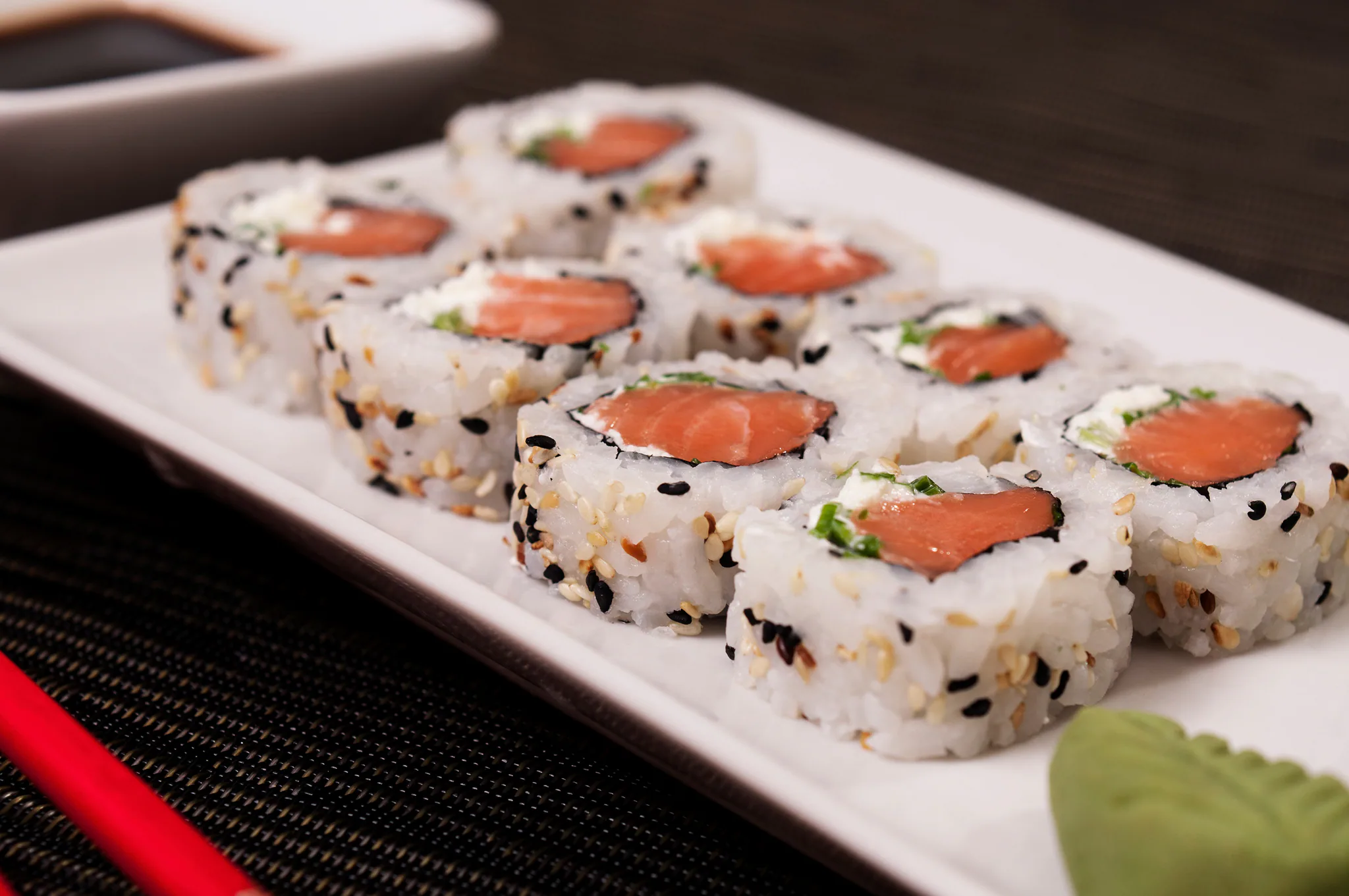
An inside-out sushi roll with the rice on the outside, rolled in toasted sesame seeds, around a strip of nori wrapped around crab, avocado and cucumber. Created for diners new to seaweed, it became the roll that introduced sushi to much of the world.
California roll (uramaki) is a Japanese rice dish, ready in about 1 hour 45 minutes and made with short-grain rice, crab meat and avocado. It serves 4 and is rated intermediate to cook.
- Prep
- 45 min
- Cook
- 20 min
- Rest
- 40 min
- Total
- 1 h 45 min
- Serves
- 4
- Level
- Intermediate
- Calories
- 517
Main ingredients
Ingredients
For the sushi rice
For the filling
To roll
To serve
Method
Sushi rice
43 minStep 1
Wash the rice until the water runs nearly clear, drain for 15 minutes and soak in the 330 ml water for 30 minutes. Bring to the boil, cover and cook on the lowest heat for 13 minutes, then rest off the heat, covered, for 10 minutes.
- 33 min
- low heat
- Saucepan (opens in a new tab)
Step 2
Warm the 50 ml vinegar with the sugar (opens in a new tab) and salt until dissolved. Fold it through the hot rice in a wide bowl with a spatula (opens in a new tab), fanning to cool the rice to body temperature. Cover with a damp cloth.
Food safety: Cooked rice can carry Bacillus cereus spores that survive cooking; keep sushi rice at room temperature for no more than a few hours and refrigerate other leftover rice within an hour.
Filling
5 minStep 3
Shred the crab (opens in a new tab) and mix it with the mayonnaise (opens in a new tab). Have the avocado (opens in a new tab) and cucumber (opens in a new tab) ready.
- 5 min
To roll
20 minStep 4
Cover a bamboo rolling mat with cling film. Lay a half sheet of nori (opens in a new tab) on it, shiny side down. Wet your hands in the water mixed with 1 tbsp vinegar and spread about 70 g rice evenly over the whole sheet, right to the edges, without pressing it flat. Sprinkle with 1½ tsp sesame seeds (opens in a new tab).
- 3 min
Cling film stops the rice sticking to the mat.
How it looks · Photo: Klaus Nielsen on Pexels Step 5
Flip the sheet over so the rice faces the mat. Lay a line of crab (opens in a new tab), two slices of avocado (opens in a new tab) and a few cucumber (opens in a new tab) batons along the near edge of the nori (opens in a new tab).
- 2 min
Step 6
Lift the edge of the mat and roll it over the filling, tucking it in tightly, then keep rolling, pressing gently with the mat to make a firm, even cylinder. Repeat with the rest.
- 15 min
Squeeze along the length with the mat to square the roll if you like.
To serve
5 minStep 7
Wet a sharp knife and cut each roll in half, then each half into three, wiping the blade between cuts. Serve with soy sauce (opens in a new tab), wasabi (opens in a new tab) and pickled ginger (opens in a new tab).
How it looks · Photo: Willians Huerta on Pexels
At a glance
1 · Sushi rice in a pot
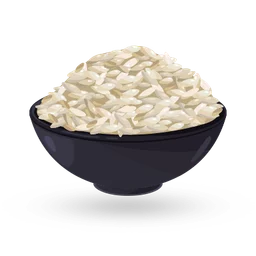 Short-grain rice
 Rice vinegar
 Sugar
 Salt
then shred
2 · Filling in a bowl
 Crab meat
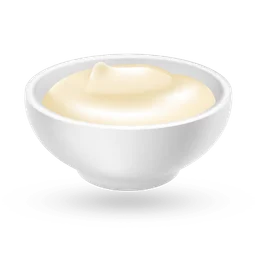 Mayonnaise
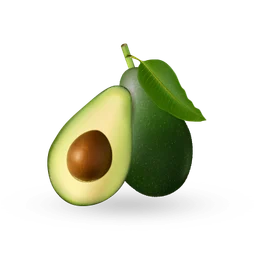 Avocado
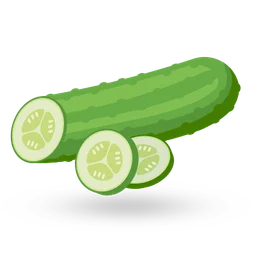 Cucumber
then cover
3 · To roll in a bowl
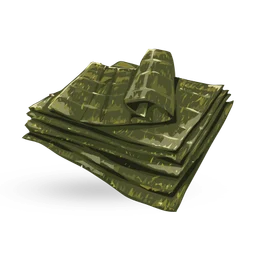 Nori
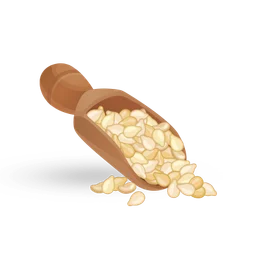 Sesame seeds
- Rice vinegar
then wet
4 · To serve in a bowl
 Soy sauce
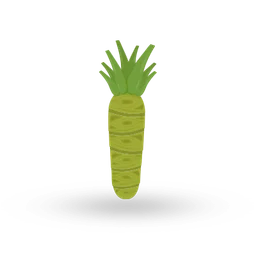 Wasabi
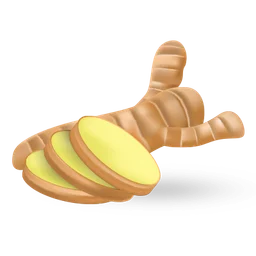 Pickled sushi ginger (gari)
About this dish
- Origin
- Los Angeles, California, United States · Origin disputedUsually credited to Japanese chef Ichiro Mashita in Los Angeles in the 1960s; Vancouver chef Hidekazu Tojo also claims an early inside-out roll. Hiding the nori inside made the roll more appealing to American diners.Also popular in Canada, Japan, United KingdomMore food from United States
United States - Dish
- Lunch · Dinner · Rice dishes · Finger food
- Cooking method
- Boiled, No-cook
- Taste
- creamy, fresh, umami, nutty
- Diet
- Pescatarian · Dairy-free · No nut ingredientsWorked out from the ingredients. How labels work
All labels
Pescatarian · Non-vegetarian · Flexitarian-friendly · Dairy-free · No nut ingredients · Alcohol-free · Pork-free · Beef-free - Good for
- Festive & celebration · Child-friendly
- Cook more with
- Short-grain rice · Crab meat · Avocado · Nori · Rice vinegar · Sugar
Allergens
- Contains: Eggsfrom mayonnaise
- Contains, can be adapted: Crustaceansfrom crab meat
- Contains: Wheatfrom soy sauce
- Contains: Glutenfrom soy sauce
- Contains: Soyfrom soy sauce
- Contains: Sesamefrom sesame seeds
- May contain: Mustardfrom mayonnaise, wasabi
Based on typical versions of these ingredients and not verified allergen-free. Brands differ and cross-contact happens, so always check labels. For severe allergies, follow your clinician’s advice.
Nutrition
517 kcal per serving
Estimated1 serving ≈ 377 g · recipe makes 4
Where the energy comes from
- Protein 14%
- Carbohydrate 57%
- Fat 28%
| Nutrient | Per serving | Per 100 g* |
|---|---|---|
| Energy | 517 kcal | 137 kcal |
| Protein | 18.4 g | 4.9 g |
| Carbohydrate | 73.9 g | 19.6 g |
| Net carbohydrate | — | — |
| Sugars | — | — |
| Added sugars | — | — |
| Fibre | — | — |
| Fat | 16.3 g | 4.3 g |
| Saturated fat | 2.5 g | 0.7 g |
| Trans fat | — | — |
| Cholesterol | 42 mg | 11 mg |
| Sodium | 1731 mg | 459 mg |
| Salt equivalent | 4.3 g | 1.1 g |
Vitamins & minerals per serving
- Potassium
- 637 mg
- Calcium
- 169 mg
- Iron
- 3 mg
- Magnesium
- 102 mg
- Vitamin A (RAE)
- —
- Vitamin C
- 8 mg
- Vitamin D
- —
- Vitamin B12
- 4.5 µg
- Folate (DFE)
- 77 µg
How these numbers were made
- Calculated from USDA FoodData Central (SR Legacy) per-100 g values and the listed quantities.
- *Per 100 g of combined raw ingredients; the cooked dish may weigh more or less.
- Rice vinegar: Distilled vinegar (FDC 172237) used as a stand-in for unseasoned rice vinegar.
- Pickled sushi ginger (gari): Raw ginger root used as a stand-in; gari is young ginger thinly sliced and pickled in sweetened rice vinegar, so it carries a little added sugar.
- “—” means the value isn’t known for enough of the ingredients; it is never zero by default.
- Values are estimates for guidance, not for medical dosing. U.S. Department of Agriculture, Agricultural Research Service. FoodData Central, 2019. fdc.nal.usda.gov.
Good to know
Tips
- Use a light touch when spreading the rice; pressing it down makes it stick to the mat and turns the roll dense.
- Roll the outside in flying-fish roe (tobiko) instead of sesame for the classic orange finish.
Common mistakes
- Overfilling, so the roll will not close.
- Using a dry knife, which drags and squashes the rolls.
Food safety
- Cooked rice can carry Bacillus cereus spores that survive cooking; keep sushi rice at room temperature for no more than a few hours and refrigerate other leftover rice within an hour.
- If using real crab, keep it refrigerated until rolling and eat the rolls within a few hours.
Storage
- Best eaten the day it is made; keeps a few hours at cool room temperature, well wrapped. Chilling makes the rice hard.
Variations
- Spicy tuna roll (United States): Minced raw tuna mixed with chilli mayonnaise inside an inside-out roll.
- Philadelphia roll (United States): Smoked salmon, cream cheese and cucumber.
- Tobiko California roll: Rolled in bright orange flying-fish roe rather than sesame seeds.
Original editorial recipe · FriendsPantry editorial · source: TasteAtlas (dish facts) · Not yet independently reviewed · Added
Sauces, chutneys & dips for this dish
Recipe DNA
How this dish is built
Built from the recipe’s own sections. Each band’s width is its share of the dish by weight. Choose a component to see what it does.
What goes inside
For the filling
- Crab meat, cooked crab meat, or imitation crab sticks split lengthways200 g
- Mayonnaise2 tbsp · 28 g
- Avocado, ripe but firm, cut into long slices1 piece · 150 g
- Cucumber, seeded and cut into long thin batons0.5 piece · 150 g
Reviews & corrections
Reviews come from signed-in cooks and appear after a moderator checks them. We never show made-up ratings.
You might also like
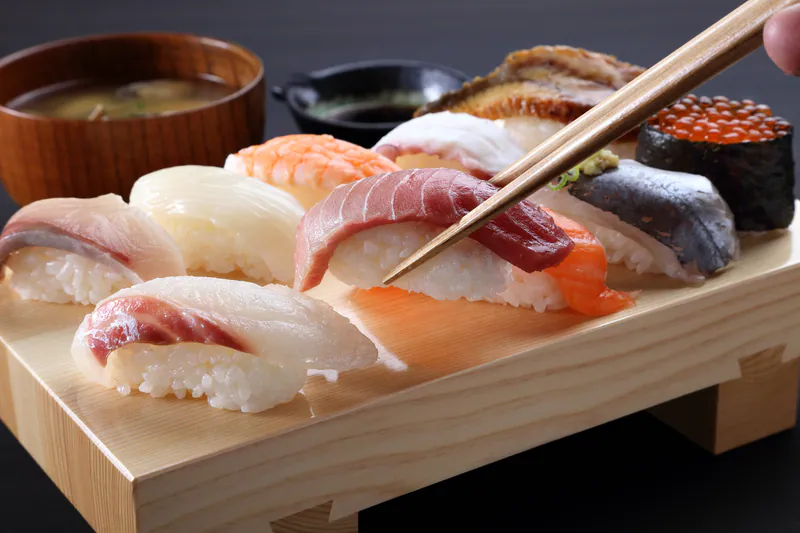
Nigiri sushi
Japanese · 1 h 50 min · 468 kcal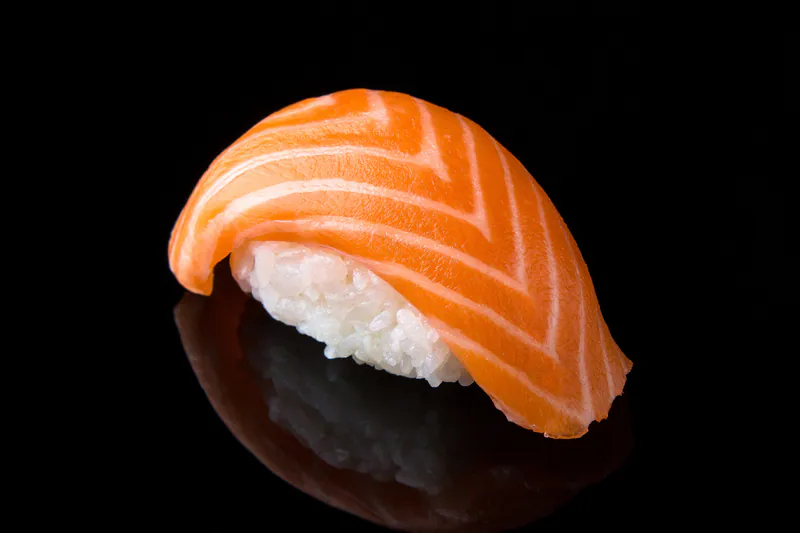
Salmon nigiri (sake nigiri)
Japanese · 1 h 40 min · 517 kcal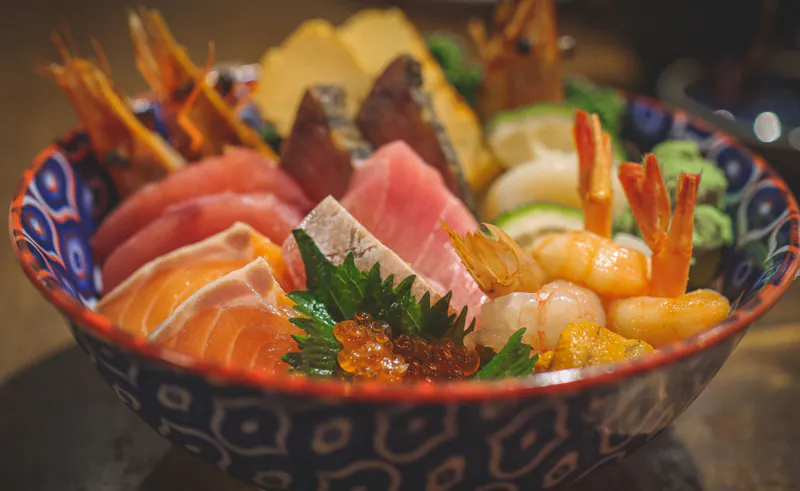
Chirashizushi (scattered sushi bowl)
Japanese · 1 h 20 min · 582 kcal
Miso soup with tofu and wakame
Japanese · 13 min · 84 kcal