
Scones
Contains egg (no meat or fish)
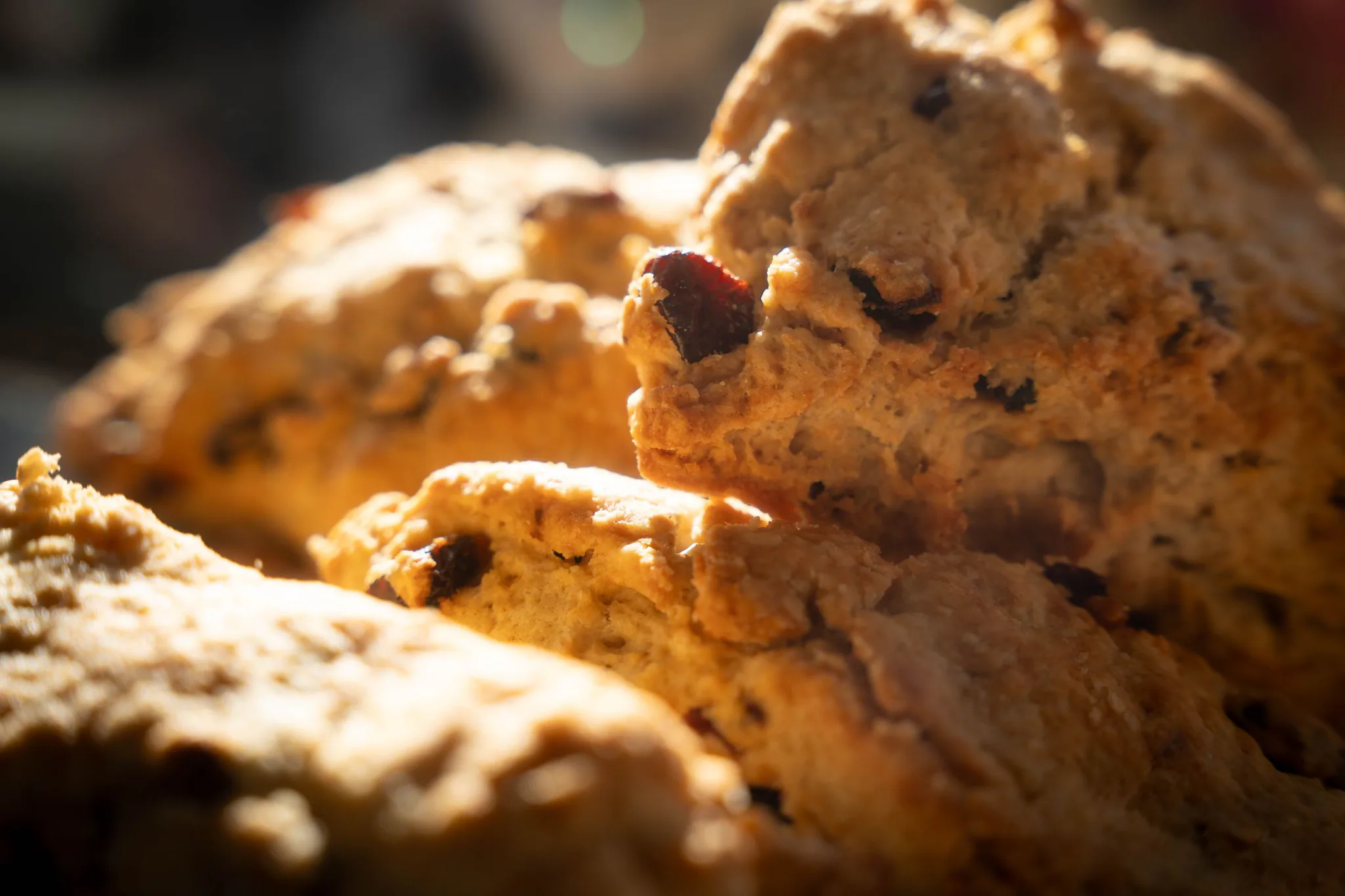
Light, tender British scones with a soft crumb, split and served warm with jam and clotted cream for an afternoon cream tea.
Scones is a British pastry from United Kingdom, ready in about 27 minutes and made with all-purpose flour and butter. It serves 8 and is rated easy to cook.
- Prep
- 15 min
- Cook
- 12 min
- Total
- 27 min
- Serves
- 8
- Level
- Easy
- Calories
- 270
Main ingredients
Method
Step 1
Heat the oven (opens in a new tab) and line a baking tray. Warm the milk (opens in a new tab) slightly and stir in the lemon juice (opens in a new tab) and vanilla (opens in a new tab); set aside.
Step 2
Mix the flour, baking powder (opens in a new tab) and salt, then rub in the cold butter (opens in a new tab) with your fingertips until it looks like fine breadcrumbs. Stir in the sugar (opens in a new tab).
- 5 min
Step 3
Make a well, pour in the milk (opens in a new tab) and mix quickly with a knife into a soft, slightly sticky dough. Tip out and pat gently to 3–4 cm thick — do not knead.
- 3 min
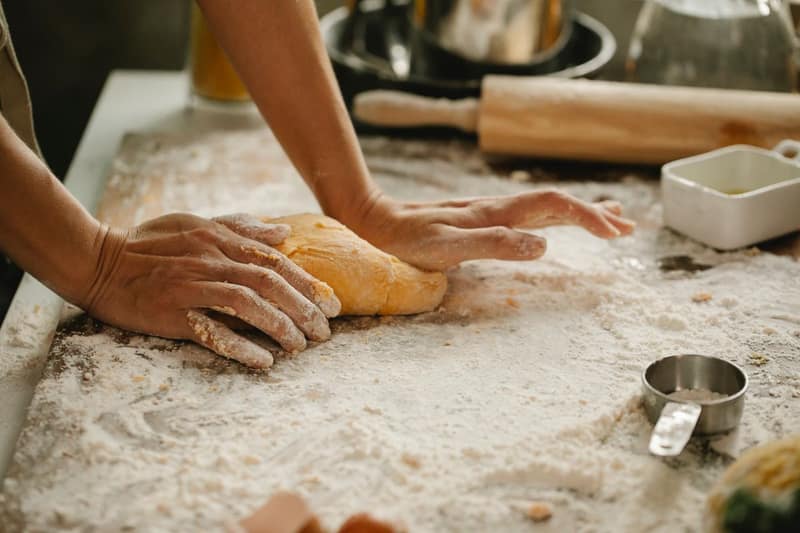
How it looks · Photo: Klaus Nielsen on Pexels Step 4
Stamp out rounds with a floured cutter, pushing straight down without twisting. Place on the tray and brush the tops with beaten egg (opens in a new tab).
- 3 min
Food safety: Do not taste the raw egg glaze or dough.
Step 5
Bake until well risen and golden. Cool slightly on a rack and serve warm, split, with jam (opens in a new tab) and cream.
- 12 min
- 220°C
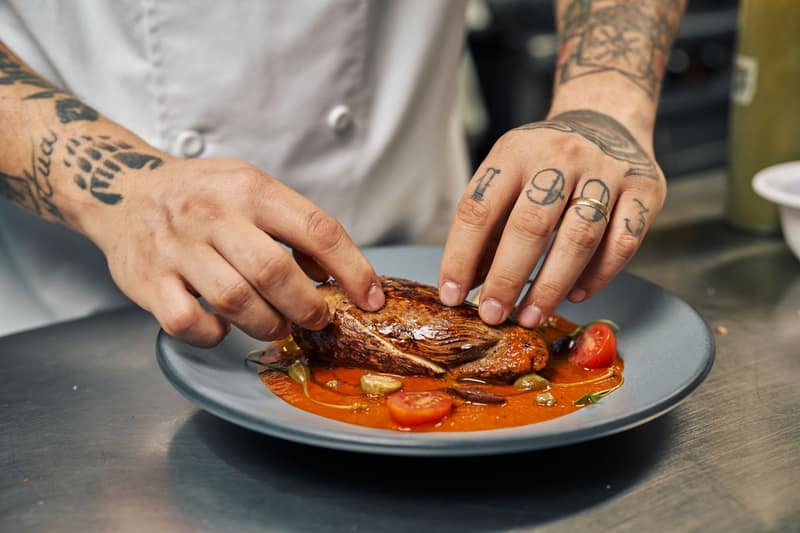
How it looks · Photo: Willians Huerta on Pexels
At a glance
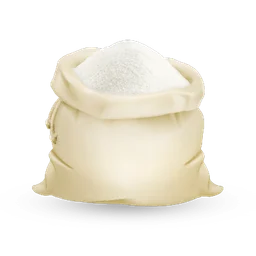 All-purpose flour
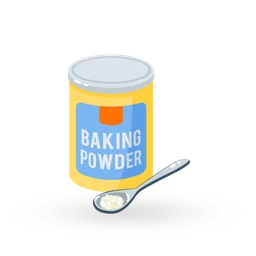 Baking powder
 Salt
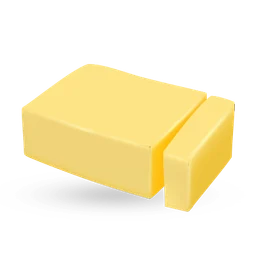 Butter
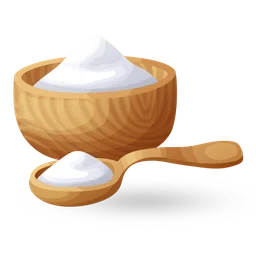 Sugar
 Milk
 Lemon juice
 Vanilla extract
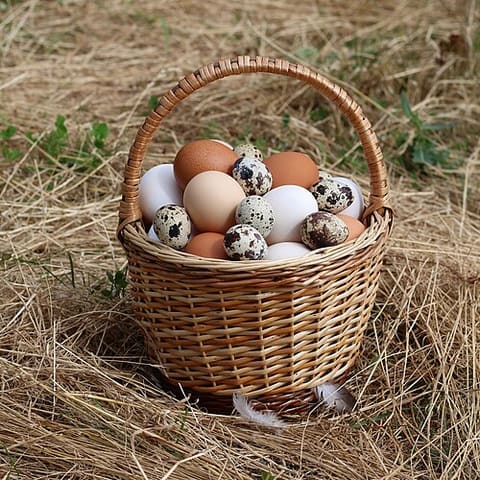 Egg
 Jam
 Heavy cream
About this dish
- Origin
- Scotland, United Kingdom · Commonly attributedUsually traced to Scotland; now eaten throughout the UK and Ireland.Also popular in Ireland, Australia, New ZealandMore food from United Kingdom
United Kingdom - Dish
- Snack · Breakfast · Pastries · Breads & flatbreads
- Cooking method
- Oven-baked
- Taste
- buttery, sweet, mild
- Diet
- Vegetarian (lacto-ovo) · No nut ingredientsWithout the optional extras: Lacto-vegetarian, Egg-freeWith the listed swaps: Vegan, Plant-based, Ovo-vegetarian, Dairy-freeWorked out from the ingredients. How labels work
All labels
Vegetarian (lacto-ovo) · Eggetarian · Pescatarian · Flexitarian-friendly · No nut ingredients · Pork-free · Beef-free - Good for
- Child-friendly · Freezer-friendly
- Cook more with
- All-purpose flour · Butter · Baking powder · Sugar · Milk · Lemon juice
Allergens
- Contains, can be adapted: Milkfrom butter, milk, heavy cream
- Contains, can be adapted: Eggsfrom egg
- Contains: Wheatfrom all-purpose flour, baking powder
- Contains: Glutenfrom all-purpose flour, baking powder
Based on typical versions of these ingredients and not verified allergen-free. Brands differ and cross-contact happens, so always check labels. For severe allergies, follow your clinician’s advice.
Nutrition
270 kcal per serving
Calculated1 serving ≈ 85 g · recipe makes 8
Where the energy comes from
- Protein 8%
- Carbohydrate 59%
- Fat 33%
| Nutrient | Per serving | Per 100 g* |
|---|---|---|
| Energy | 270 kcal | 317 kcal |
| Protein | 5.3 g | 6.2 g |
| Carbohydrate | 39.9 g | 46.8 g |
| Net carbohydrate | 38.7 g | 45.5 g |
| Sugars | 6.1 g | 7.1 g |
| Added sugars | 4.7 g | 5.5 g |
| Fibre | 1.2 g | 1.4 g |
| Fat | 9.8 g | 11.5 g |
| Saturated fat | 5.9 g | 7 g |
| Trans fat | — | — |
| Cholesterol | 25 mg | 29 mg |
| Sodium | 387 mg | 454 mg |
| Salt equivalent | 1 g | 1.1 g |
Vitamins & minerals per serving
- Potassium
- 81 mg
- Calcium
- 165 mg
- Iron
- 2.3 mg
- Magnesium
- 13 mg
- Vitamin A (RAE)
- 83 µg
- Vitamin C
- 0 mg
- Vitamin D
- 0.3 µg
- Vitamin B12
- 0.1 µg
- Folate (DFE)
- 129 µg
How these numbers were made
- Calculated from USDA FoodData Central (SR Legacy) per-100 g values and the listed quantities.
- *Per 100 g of combined raw ingredients; the cooked dish may weigh more or less.
- Optional ingredients are not included: egg, jam, heavy cream.
- “—” means the value isn’t known for enough of the ingredients; it is never zero by default.
- Values are estimates for guidance, not for medical dosing. U.S. Department of Agriculture, Agricultural Research Service. FoodData Central, 2019. fdc.nal.usda.gov.
Good to know
Tips
- Handle the dough as little as possible — overworking makes scones tough and flat.
Common mistakes
- Twisting the cutter seals the edges and stops the scones rising evenly.
Serve with
- Serve with jam, clotted cream and a pot of tea.
Storage
- Best on the day; freeze for up to 1 month.
Reheating
- Warm in a low oven for 5 minutes.
Variations
- Fruit scones: Add 75 g sultanas or raisins with the sugar.
- Cheese scones: Leave out the sugar and vanilla and add 100 g grated cheddar and a pinch of mustard powder.
Original editorial recipe · FriendsPantry editorial · Not yet independently reviewed · Added
Recipe DNA
How this dish is built
Grouped by each ingredient’s role in the dish. Each band’s width is its share of the dish by weight. Choose a component to see what it does.
What the dish is built around
Main ingredient
- All-purpose flour350 g
- Butter, cold, cubed85 g
- Milk175 ml · 180 g
- Lemon juice1 tsp · 5.1 g
- Egg, beaten (optional)1 piece · 50 g
Baker’s notes
Customise in Bread & BakeryTimeline and readiness cues
Mix and knead · about 15 min
Mix only until no dry flour remains — overmixing makes it tough and tunnelled.
Bake · about 12 min at 220 °C
Risen and golden; a skewer in the centre comes out clean or with a few moist crumbs; the top springs back.
- Start to finish: about 27 min. Times are a guide — warmth changes everything; follow the cues.
If something goes wrong
Pale crust
Likely causes
- Oven too cool
- Too little sugar or no milk/egg for browning
- Over-fermented (yeast ate the sugars)
What to do
- Check the oven with a thermometer
- Brush with egg wash or milk
- Shorten the fermentation
Burnt bottom
Likely causes
- Tray too close to the heat
- Dark tray absorbs more heat
- Too much sugar in the dough
What to do
- Bake on the middle shelf
- Double up trays or use a light-coloured one
- Lower the temperature 10–15 °C and bake a little longer
Crust too hard or thick
Likely causes
- Baked too long at too low a temperature
- No steam at the start
What to do
- Bake hotter for a shorter time
- Add steam for the first 15 minutes (tray of boiling water, or a covered Dutch oven)
- Cool under a tea towel for a softer crust
Reviews & corrections
Reviews come from signed-in cooks and appear after a moderator checks them. We never show made-up ratings.
You might also like
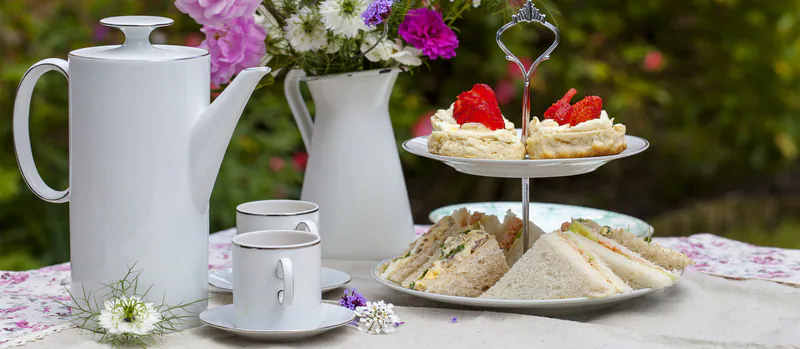
English afternoon tea
 British · 1 h 25 min · 1210 kcal
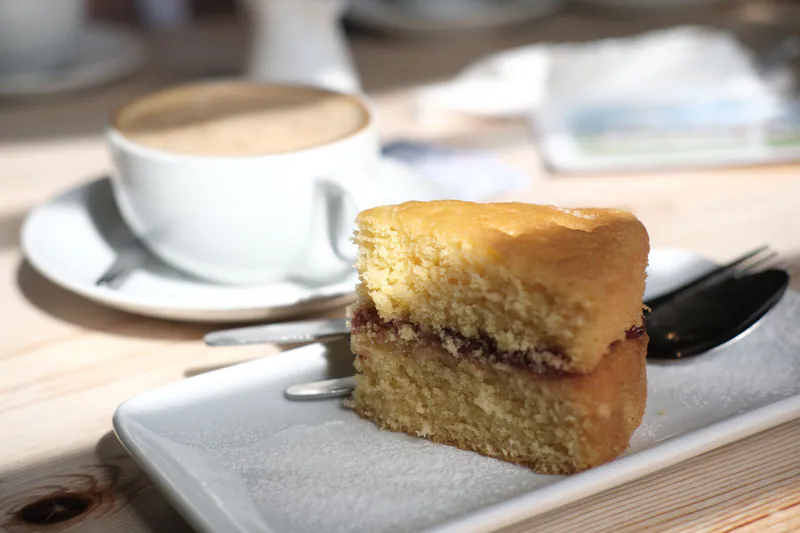
Victoria sponge
British · 1 h 15 min · 421 kcal · Contains egg
Pound cake
British · 2 h 40 min · 302 kcal · Contains egg
Welsh cakes
British · 50 min · 133 kcal · Contains egg