
 French · German · Cookies & biscuits
Bredele (Alsatian butter Christmas biscuits)
Contains egg (no meat or fish)
Bredele
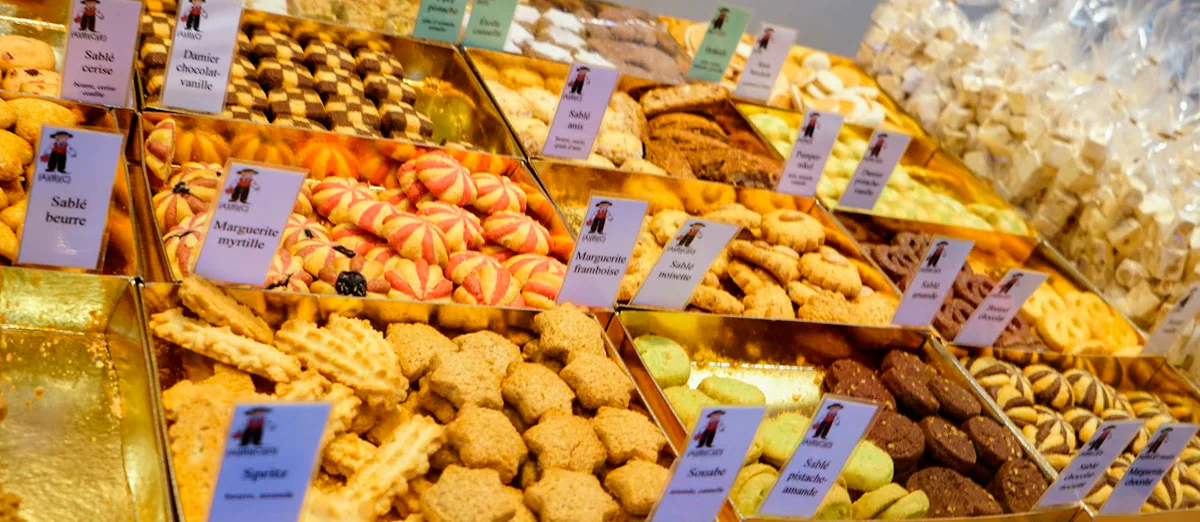
Small, crisp butter biscuits flavoured with lemon zest and vanilla, cut into stars, hearts and fir trees and glazed with egg yolk before baking. Alsatian families bake several kinds through Advent and keep them in tins until Christmas.
Bredele (Alsatian butter Christmas biscuits) is a French dish from France, ready in about 3 hours 10 minutes and made with all-purpose flour and butter. It serves 20 and is rated easy to cook.
- Prep
- 40 min
- Cook
- 30 min
- Rest
- 2 h
- Total
- 3 h 10 min
- Serves
- 20
- Level
- Easy
- Calories
- 233
Main ingredients
Method
Dough
28 minStep 1
Beat the soft butter (opens in a new tab) and powdered sugar (opens in a new tab) until pale and creamy. Beat in the eggs (opens in a new tab) one at a time, then the lemon zest (opens in a new tab), vanilla (opens in a new tab) and salt.
Step 2
Add the flour and mix just until a soft dough forms. Flatten into two discs, wrap and chill for at least 2 hours, or overnight.
- 3 min
Step 3
Heat the oven (opens in a new tab) to 180 °C and line two baking trays. On a lightly floured surface, roll the dough out 3–4 mm thick and cut out shapes. Lay them on the trays a little apart; re-roll the trimmings once.
Work with one disc at a time and keep the other in the fridge; warm dough sticks and the shapes distort.
Glaze
35 minStep 4
Beat the egg yolks (opens in a new tab) with the milk (opens in a new tab) and brush a thin layer over each biscuit.
Step 5
Bake one tray at a time for 9–11 minutes, until golden on top and lightly browned at the edges. Cool on a rack.
At a glance
1 · Dough in a bowl
 All-purpose flour
 Butter
 Icing sugar
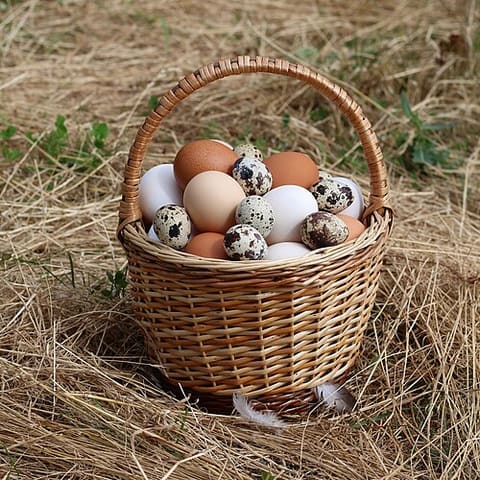 Egg
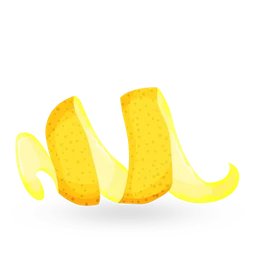 Lemon zest
 Vanilla extract
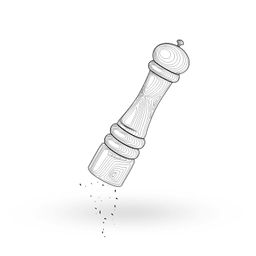 Salt
then beat
2 · Glaze in a pan
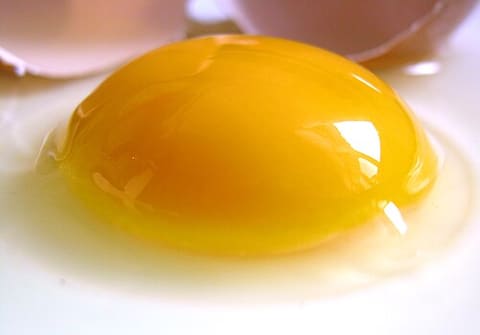 Egg yolk
 Milk
About this dish
- Origin
- Alsace, France · Well documentedRecipes for festive Alsatian biscuits go back to the late Middle Ages; the many shapes became common once tin cookie cutters spread in the 18th–19th centuries.Also popular in GermanyMore food from France
France - Dish
- Snack · Dessert · Cookies & biscuits · Sweets & confectionery
- Cooking method
- Oven-baked
- Taste
- buttery, sweet, citrusy
- Diet
- Vegetarian (lacto-ovo) · No nut ingredientsWorked out from the ingredients. How labels work
All labels
Vegetarian (lacto-ovo) · Eggetarian · Pescatarian · Flexitarian-friendly · No nut ingredients · Pork-free · Beef-free - Good for
- Festive & celebration · Make-ahead · Child-friendly · Portable / lunchbox
- Cook more with
- All-purpose flour · Butter · Icing sugar · Egg · Lemon zest · Vanilla extract
- Techniques
- Baking
Allergens
- Contains: Milkfrom butter, milk
- Contains: Eggsfrom egg, egg yolk
- Contains: Wheatfrom all-purpose flour
- Contains: Glutenfrom all-purpose flour
Based on typical versions of these ingredients and not verified allergen-free. Brands differ and cross-contact happens, so always check labels. For severe allergies, follow your clinician’s advice.
Nutrition
233 kcal per serving
Calculated1 serving ≈ 55 g · recipe makes 20
Where the energy comes from
- Protein 6%
- Carbohydrate 50%
- Fat 44%
| Nutrient | Per serving | Per 100 g* |
|---|---|---|
| Energy | 233 kcal | 421 kcal |
| Protein | 3.6 g | 6.5 g |
| Carbohydrate | 29.3 g | 52.7 g |
| Net carbohydrate | 28.6 g | 51.5 g |
| Sugars | 10 g | 18 g |
| Added sugars | 9.8 g | 17.7 g |
| Fibre | 0.7 g | 1.3 g |
| Fat | 11.3 g | 20.4 g |
| Saturated fat | 6.8 g | 12.2 g |
| Trans fat | — | — |
| Cholesterol | 64 mg | 115 mg |
| Sodium | 97 mg | 175 mg |
| Salt equivalent | 0.2 g | 0.4 g |
Vitamins & minerals per serving
- Potassium
- 41 mg
- Calcium
- 13 mg
- Iron
- 1.3 mg
- Magnesium
- 7 mg
- Vitamin A (RAE)
- 100 µg
- Vitamin C
- 0 mg
- Vitamin D
- 0.2 µg
- Vitamin B12
- 0.1 µg
- Folate (DFE)
- 78 µg
How these numbers were made
- Calculated from USDA FoodData Central (SR Legacy) per-100 g values and the listed quantities.
- *Per 100 g of combined raw ingredients; the cooked dish may weigh more or less.
- “—” means the value isn’t known for enough of the ingredients; it is never zero by default.
- Values are estimates for guidance, not for medical dosing. U.S. Department of Agriculture, Agricultural Research Service. FoodData Central, 2019. fdc.nal.usda.gov.
Good to know
Tips
- For a two-tone finish, brush on a second coat of glaze just before baking.
- Bredele improve after a couple of days in the tin as the flavours settle.
Common mistakes
- Rolling the dough too thick — bredele should be dainty and crisp, not soft cookies.
Serve with
- Serve on a platter with other bredele, with coffee, tea, mulled wine or a glass of Alsatian Gewürztraminer or Muscat.
Storage
- Keeps 3–4 weeks in an airtight tin in a cool place; store different kinds in separate tins.
Variations
- Anisbredele: Egg and sugar beaten to a foam with flour and aniseed; left to dry overnight so they form a little 'foot' when baked.
- Schwowebredele: 'Swabian' biscuits with ground almonds, cinnamon and orange zest.
- Spritzbredele: A soft almond-butter dough piped into rings and S-shapes.
- Zimtsterne (Germany): Cinnamon and almond meringue stars, shared with neighbouring Germany.
Original editorial recipe · FriendsPantry editorial · source: TasteAtlas (dish facts) · Not yet independently reviewed · Added
Recipe DNA
How this dish is built
Reviews & corrections
Reviews come from signed-in cooks and appear after a moderator checks them. We never show made-up ratings.
You might also like
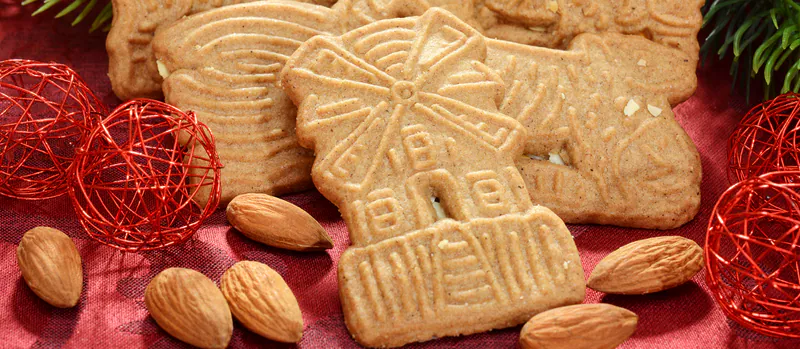
Speculaas (Dutch spiced cookies)
 Dutch · 1 h 55 min · 222 kcal · Contains egg
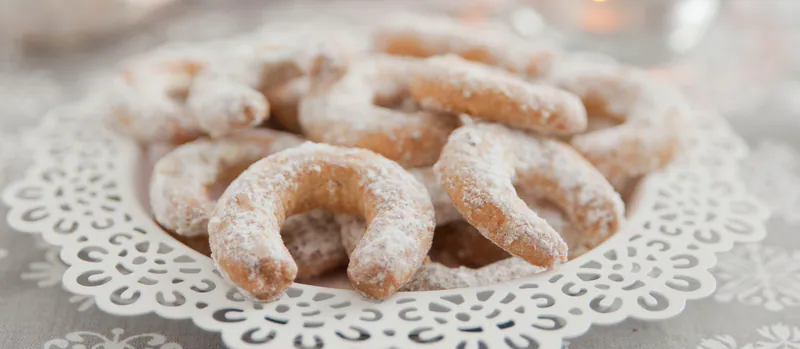
Vanillekipferl (Viennese vanilla crescents)
 Austrian · 2 h 4 min · 74 kcal · Contains egg
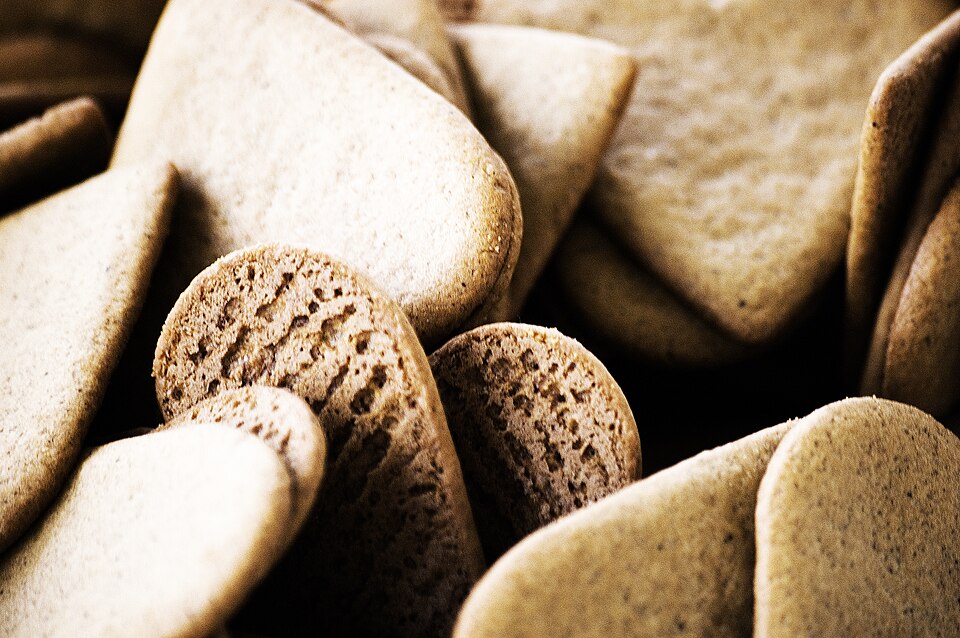
Swedish gingerbread biscuits (pepparkakor)
 Swedish · 13 h 45 min · 45 kcal · Vegetarian

Fánk (Hungarian carnival doughnuts)
 Hungarian · 2 h 30 min · 545 kcal · Contains egg