
Bomboloni (Italian doughnuts)
Contains egg (no meat or fish)
Bomboloni
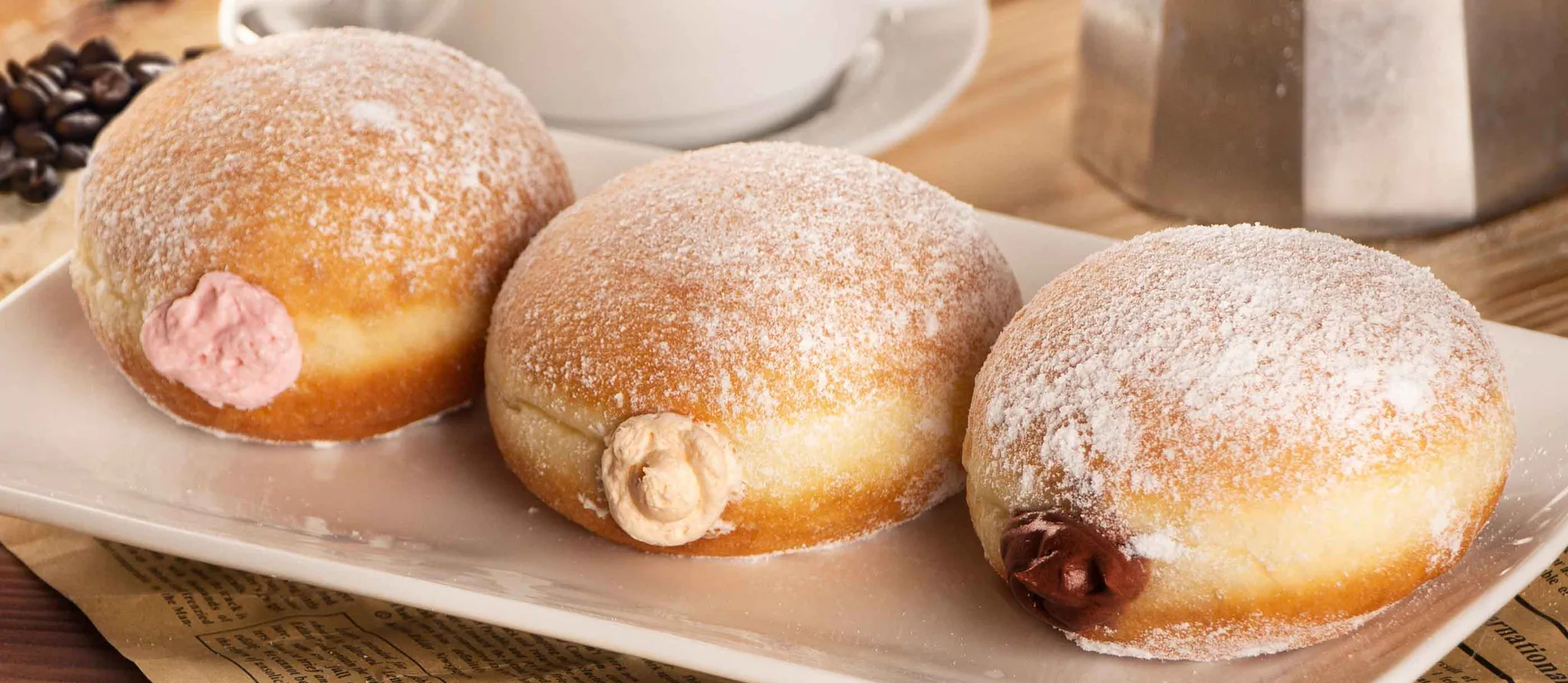
Light, rich yeast doughnuts without a hole, fried golden, rolled in sugar and, in the Lazio style, filled with lemon-scented pastry cream. Associated with Tuscany and Carnival, they are now sold warm in bars and pasticcerie all over Italy, especially by the beach.
Bomboloni (Italian doughnuts) is an Italian pastry from Italy, ready in about 4 hours 20 minutes and made with all-purpose flour, active dry yeast and egg yolk. It serves 14 and is rated advanced to cook.
- Prep
- 45 min
- Cook
- 35 min
- Rest
- 3 h
- Total
- 4 h 20 min
- Serves
- 14
- Level
- Advanced
- Calories
- 392
Includes about 2 hours for the first rise and 1 hour for the second.
Main ingredients
Ingredients
For the dough
For the crema pasticcera
For frying
For coating
Equipment
- Stand mixer (opens in a new tab)
- Mixing bowl (opens in a new tab)
- Saucepan (opens in a new tab)
- Whisk (opens in a new tab)
- Rolling pin (opens in a new tab)
- Dutch oven / casserole pot (opens in a new tab)
- Food thermometer (opens in a new tab)
- Slotted spoon (opens in a new tab)
- Piping bag (opens in a new tab)
Method
Dough
24 minStep 1
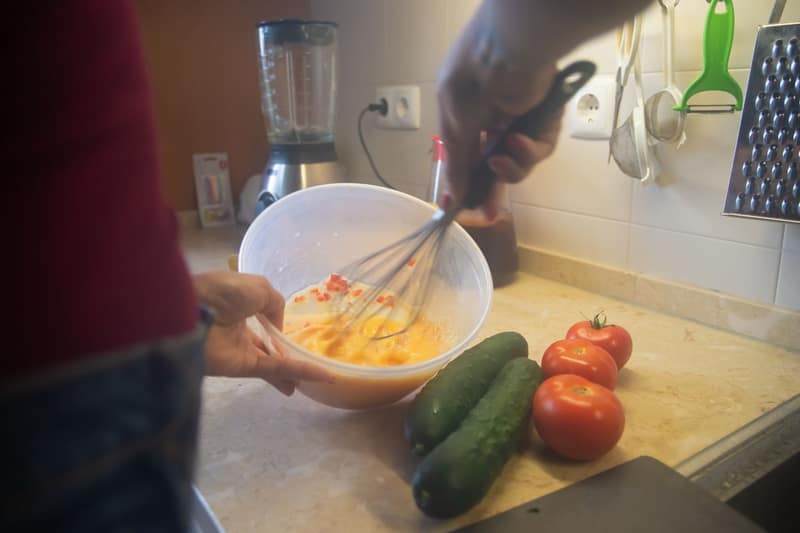
Whisk (opens in a new tab) the yeast into the lukewarm milk (opens in a new tab) with a spoonful of the sugar (opens in a new tab) and leave for 5–10 minutes until foamy.
- 8 min
How it looks · Photo: Kampus Production on Pexels Step 2
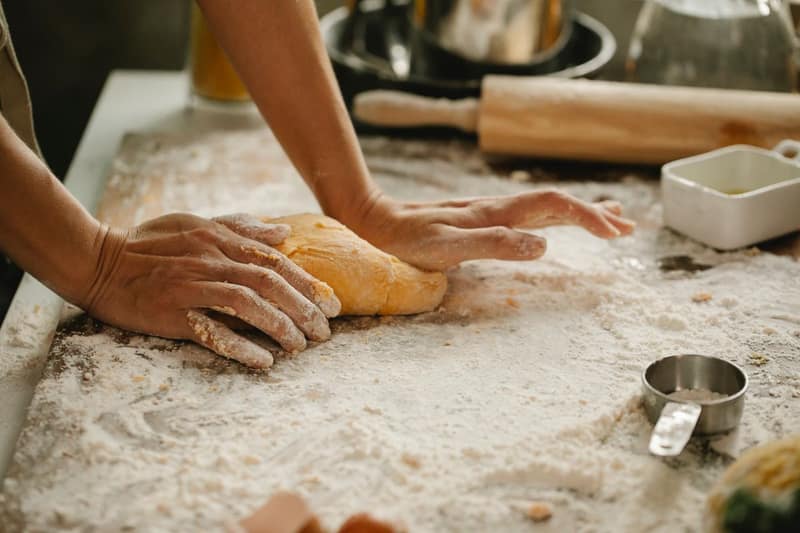
In a stand mixer (opens in a new tab) with the dough hook, combine both flours and the rest of the dough sugar (opens in a new tab). Add the yeast milk (opens in a new tab), eggs (opens in a new tab), egg yolk (opens in a new tab), lemon zest (opens in a new tab) and vanilla (opens in a new tab) and knead for 5 minutes. Add the salt, then the soft butter a piece at a time, and knead for 8–10 minutes more until the dough is smooth, shiny and pulls cleanly from the bowl.
The dough is soft and slightly sticky; resist adding much extra flour.
How it looks · Photo: Klaus Nielsen on Pexels Step 3
Shape into a ball, cover and leave to rise in a warm place for about 2 hours, until doubled.
Crema pasticcera
22 minStep 4
Meanwhile make the crema pasticcera: warm the milk (opens in a new tab) with the lemon peel (opens in a new tab) until steaming. Whisk (opens in a new tab) the egg yolks (opens in a new tab) with the sugar (opens in a new tab) until pale, then whisk in the cornstarch (opens in a new tab). Pour on the hot milk (discarding the peel) while whisking, return to the pan and cook over medium heat, whisking constantly, until thick and bubbling for 1 minute. Stir in the vanilla (opens in a new tab), press cling film onto the surface and chill.
- 12 min
- medium heat
- Saucepan (opens in a new tab)
- Whisk (opens in a new tab)
Food safety: Cook custards and creams containing egg until they thicken and bubble (at least 71 °C) to make the eggs safe.
Step 5
Roll the risen dough out on a floured surface to 1.5 cm thick and cut rounds with an 8 cm cutter (or divide into 14 pieces of about 60 g and roll into balls, flattening slightly). Set on squares of baking paper, cover and leave to rise for about 1 hour until puffy.
Frying
35 minStep 6
Heat the oil in a deep pan to 170 °C. Lower in 3–4 bomboloni at a time on their paper (pull the paper out with tongs once it lets go) and fry for 2–3 minutes per side until deep golden. Drain briefly on kitchen paper, then roll in sugar (opens in a new tab) while still hot.
- 25 min
- 170°C
- medium heat
- Dutch oven / casserole pot (opens in a new tab)
- Food thermometer (opens in a new tab)
- Slotted spoon (opens in a new tab)
Food safety: Never leave hot oil unattended, keep the pan less than half full and keep a lid nearby to smother any flare-up.
If the oil is hotter, the outside browns before the centre cooks; a pale white ring around the middle is the sign of a good rise.
Step 7
Once just warm, poke a hole in the side of each bombolone with a skewer, whisk (opens in a new tab) the chilled cream until smooth and pipe it in generously until the doughnut feels heavy. Serve straight away.
At a glance
1 · Dough in a bowl
 All-purpose flour
- Bread flour
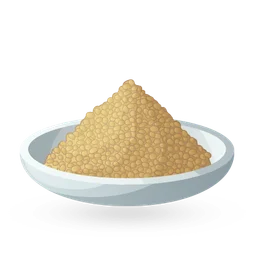 Active dry yeast
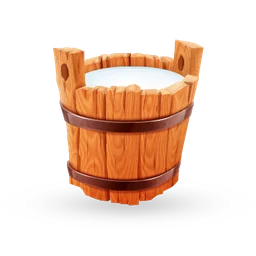 Milk
 Sugar
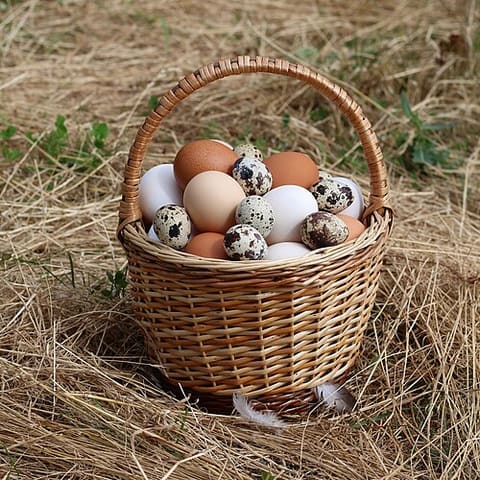 Egg
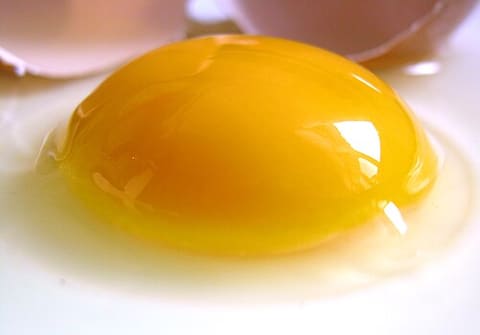 Egg yolk
 Unsalted butter
 Lemon zest
 Vanilla extract
 Salt
then make
2 · Crema pasticcera in a pan
- Milk
- Egg yolk
- Sugar
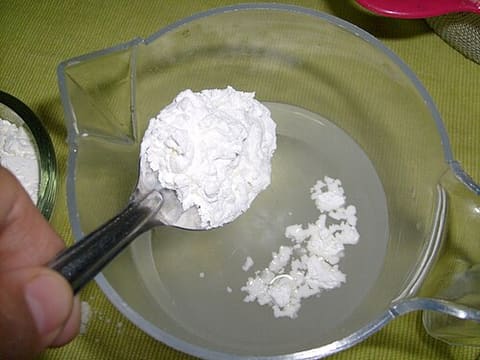 Cornstarch
- Lemon zest
- Vanilla extract
then heat
3 · Frying in a pan
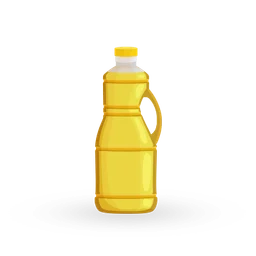 Neutral vegetable oil
About this dish
- Origin
- Tuscany, Italy · Commonly attributedBomboloni are generally said to be Tuscan, likely derived from the Austrian Krapfen that spread through northern Italy. Plain sugar-rolled bomboloni are typical of Tuscany and the north; cream-filled ones are associated with Lazio.More food from Italy
Italy - Dish
- Breakfast · Snack · Dessert · Pastries · Sweets & confectionery · Fried dough & doughnuts
- Cooking method
- Deep-fried
- Taste
- sweet, creamy, buttery, citrusy
- Diet
- Vegetarian (lacto-ovo) · No nut ingredientsWorked out from the ingredients. How labels work
All labels
Vegetarian (lacto-ovo) · Eggetarian · Pescatarian · Flexitarian-friendly · No nut ingredients · Pork-free · Beef-free · Low-sodium - Good for
- Festive & celebration · Street food
- Cook more with
- All-purpose flour · Active dry yeast · Egg yolk · Bread flour · Milk · Sugar
- Techniques
- Deep-frying · Kneading · Fermentation
Allergens
- Contains: Milkfrom milk, unsalted butter
- Contains: Eggsfrom egg, egg yolk
- Contains: Wheatfrom all-purpose flour, bread flour
- Contains: Glutenfrom all-purpose flour, bread flour
Based on typical versions of these ingredients and not verified allergen-free. Brands differ and cross-contact happens, so always check labels. For severe allergies, follow your clinician’s advice.
Nutrition
392 kcal per serving
Calculated1 serving ≈ 141 g · recipe makes 14
Where the energy comes from
- Protein 8%
- Carbohydrate 58%
- Fat 34%
| Nutrient | Per serving | Per 100 g* |
|---|---|---|
| Energy | 392 kcal | 278 kcal |
| Protein | 7.7 g | 5.5 g |
| Carbohydrate | 56.5 g | 40.2 g |
| Net carbohydrate | 55.4 g | 39.4 g |
| Sugars | 27.1 g | 19.3 g |
| Added sugars | 24.3 g | 17.3 g |
| Fibre | 1.1 g | 0.8 g |
| Fat | 15 g | 10.6 g |
| Saturated fat | 4.8 g | 3.4 g |
| Trans fat | — | — |
| Cholesterol | 108 mg | 77 mg |
| Sodium | 162 mg | 115 mg |
| Salt equivalent | 0.4 g | 0.3 g |
Vitamins & minerals per serving
- Potassium
- 129 mg
- Calcium
- 78 mg
- Iron
- 2 mg
- Magnesium
- 15 mg
- Vitamin A (RAE)
- 92 µg
- Vitamin C
- 0 mg
- Vitamin D
- 1.1 µg
- Vitamin B12
- 0.4 µg
- Folate (DFE)
- 130 µg
How these numbers were made
- Calculated from USDA FoodData Central (SR Legacy) per-100 g values and the listed quantities.
- *Per 100 g of combined raw ingredients; the cooked dish may weigh more or less.
- “—” means the value isn’t known for enough of the ingredients; it is never zero by default.
- Values are estimates for guidance, not for medical dosing. U.S. Department of Agriculture, Agricultural Research Service. FoodData Central, 2019. fdc.nal.usda.gov.
Good to know
Tips
- For plain Tuscan bomboloni, skip the cream and simply roll them in sugar.
- Make the custard the day before to spread the work.
Common mistakes
- Frying under-risen dough, which gives heavy, greasy doughnuts.
- Filling them while hot — the cream melts and leaks.
Food safety
- Cook custards and creams containing egg until they thicken and bubble (at least 71 °C) to make the eggs safe.
- Keep cream-filled bomboloni refrigerated if not eaten within 2 hours.
Storage
- Best eaten the day they are made. Filled bomboloni keep 1 day in the fridge; unfilled ones can be frozen for a month.
Reheating
- Warm unfilled bomboloni in a 160 °C oven for 5 minutes, then roll in sugar again.
Variations
- Bombolone laziale: The Lazio version, generously filled with crema pasticcera through a slit in the side.
- Bomboloni al cioccolato: Filled with chocolate pastry cream or chocolate-hazelnut spread.
- Krapfen (Austria): The South Tyrolean and Austrian ancestor, traditionally filled with apricot jam and dusted with icing sugar.
Original editorial recipe · FriendsPantry editorial · source: TasteAtlas (dish facts) · Not yet independently reviewed · Added
Recipe DNA
How this dish is built
Built from the recipe’s own sections. Each band’s width is its share of the dish by weight. Choose a component to see what it does.
Structure
For the dough
- All-purpose flour, Italian 00 or plain flour250 g
- Bread flour250 g
- Active dry yeast7 g
- Milk, lukewarm200 ml · 206 g
- Sugar70 g
- Egg, at room temperature2 piece · 100 g
- Egg yolk1 piece · 17 g
- Unsalted butter, very soft70 g
- Lemon zest1 tsp · 2 g
- Vanilla extract1 tsp · 4.3 g
- Salt0.75 tsp · 4.5 g
Reviews & corrections
Reviews come from signed-in cooks and appear after a moderator checks them. We never show made-up ratings.
You might also like
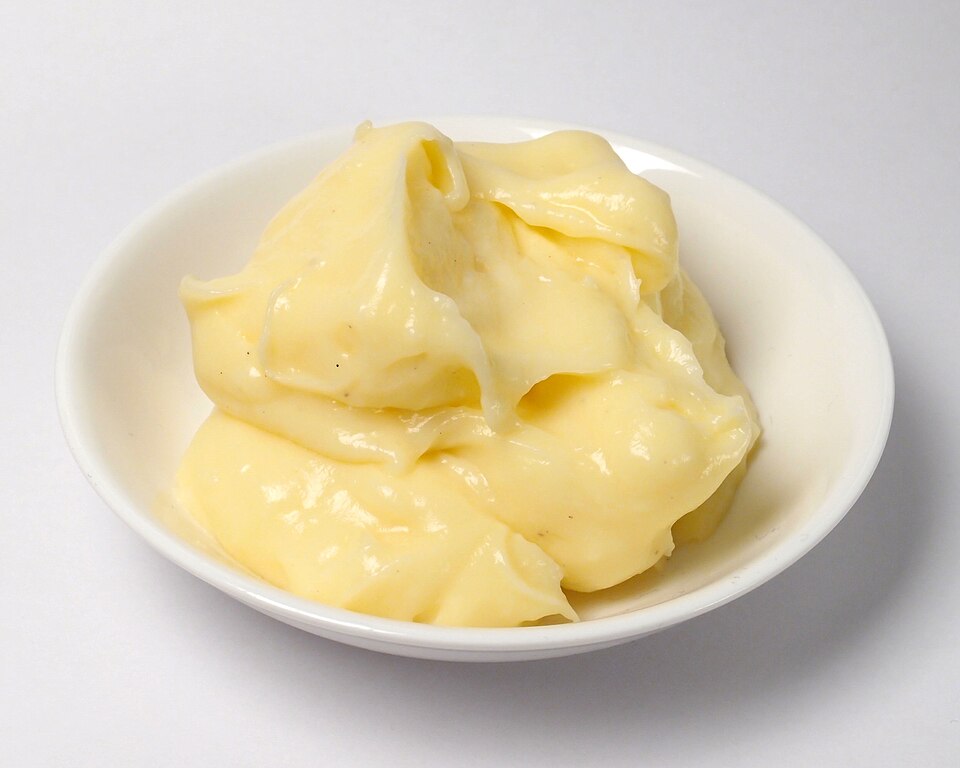
Crème pâtissière (pastry cream)
 French · 2 h 15 min · 171 kcal · Contains egg
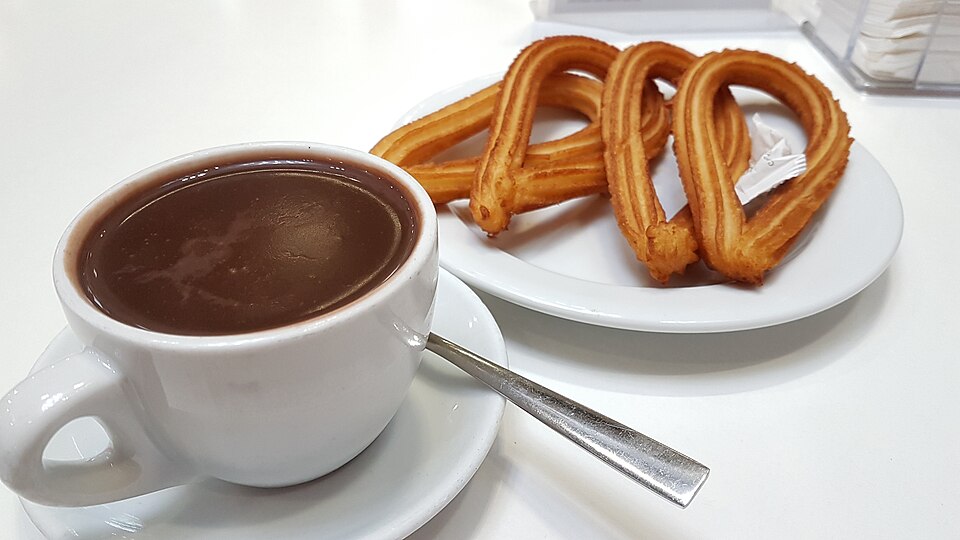
Churros con chocolate
 Spanish · 55 min · 683 kcal · Vegetarian
Zabaglione
 Italian · 15 min · 145 kcal · Contains egg
Zeppole di San Giuseppe
Italian · 3 h 20 min · 267 kcal · Contains egg