
Bò nhúng dấm (Vietnamese beef in vinegar hot pot)
Non-vegetarian
Bò nhúng dấm
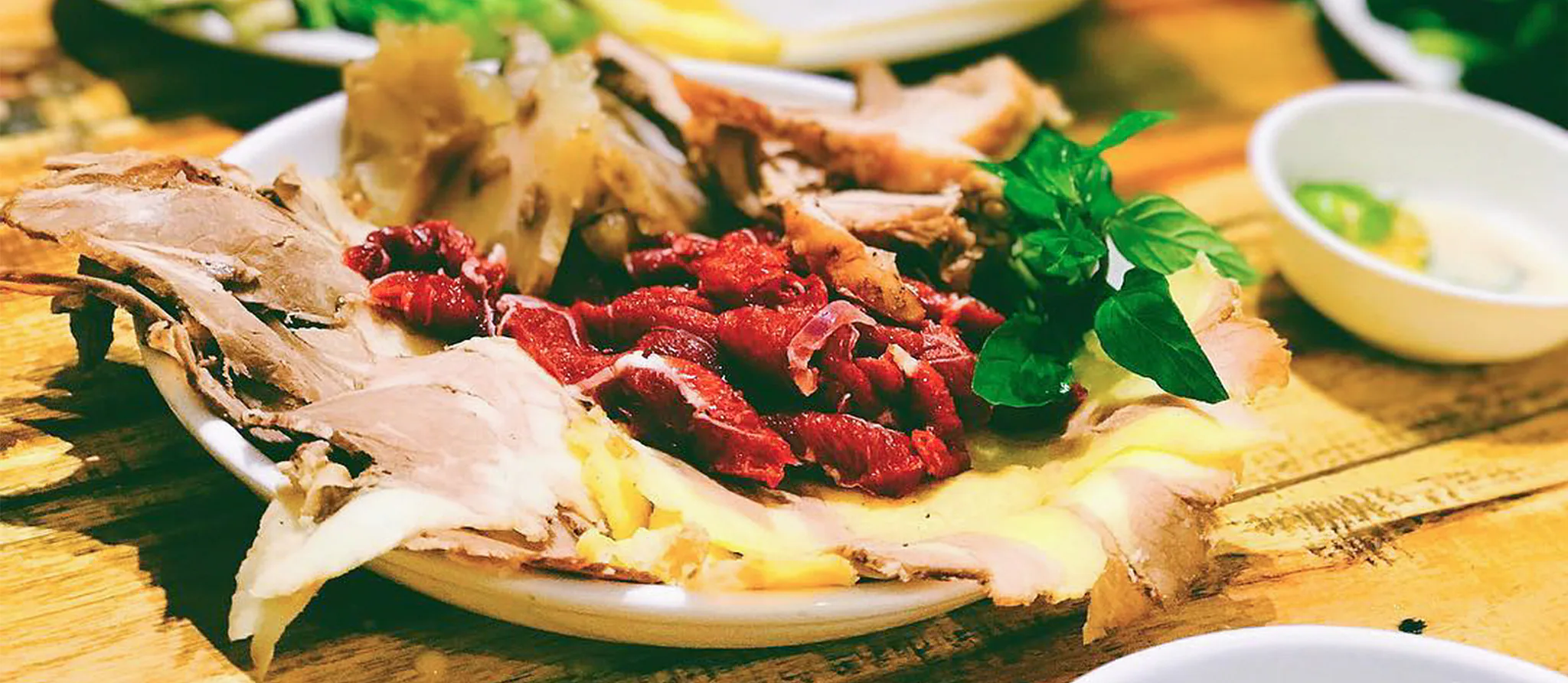
A communal Vietnamese hot pot: paper-thin slices of beef are dipped in a simmering broth of coconut water, rice vinegar and lemongrass, then rolled in rice paper with herbs, vegetables and noodles and dunked in nước chấm. Bright, sour and fresh, it is a classic sharing meal for gatherings.
Bò nhúng dấm (Vietnamese beef in vinegar hot pot) is a Vietnamese main course, ready in about 1 hour 15 minutes and made with beef tenderloin, coconut water and rice vinegar. It serves 4 and is rated intermediate to cook.
- Prep
- 45 min
- Cook
- 30 min
- Total
- 1 h 15 min
- Serves
- 4
- Level
- Intermediate
- Calories
- 922
Main ingredients
Ingredients
For the beef
For the broth
For the platter
For the nước chấm
Method
Beef
10 minStep 1
Toss the sliced beef with the minced garlic (opens in a new tab), pepper (opens in a new tab) and oil and fan it out on a platter. Chill until needed.
Freezing the beef for 45 minutes makes it easy to slice paper-thin.
Nước chấm
5 minStep 2
Stir the fish sauce (opens in a new tab), lime juice (opens in a new tab), sugar (opens in a new tab) and warm water until the sugar dissolves, then add the garlic (opens in a new tab) and chilli. Divide the nước chấm into small bowls.
Platter
15 minStep 3
Arrange the noodles, lettuce (opens in a new tab), cucumber (opens in a new tab), bean sprouts (opens in a new tab), herbs and pineapple (opens in a new tab) on a large platter, with the rice paper (opens in a new tab) and a bowl of warm water for dipping it.
- 15 min
Broth
45 minStep 4
For the broth, fry the sliced garlic (opens in a new tab), lemongrass (opens in a new tab) and onion (opens in a new tab) in the oil in a pot until fragrant. Add the coconut water (opens in a new tab), water, vinegar, sugar (opens in a new tab), fish sauce (opens in a new tab) and salt and simmer for 10 minutes. Taste: it should be sour, slightly sweet and lightly salty.
- 15 min
- medium heat
- Saucepan (opens in a new tab)
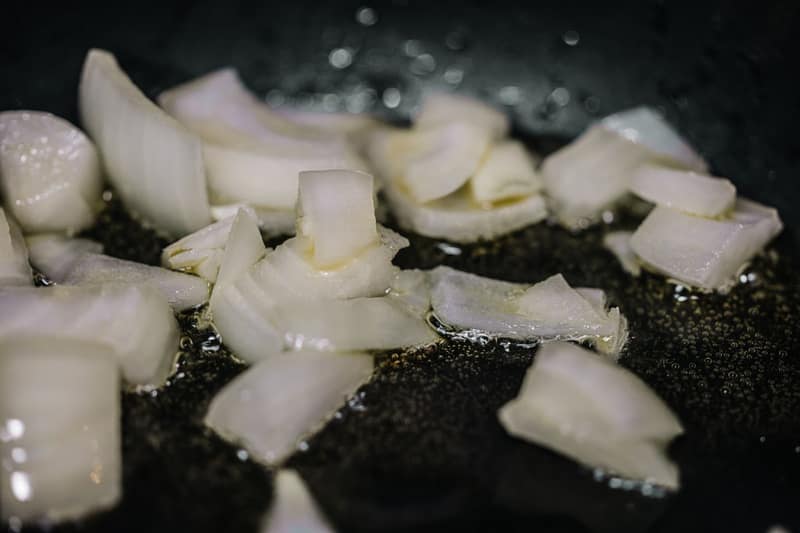
How it looks · Photo: Magda Ehlers on Pexels Step 5
Transfer the broth to a hot pot on a tabletop burner and keep it at a lively simmer. Each person dips a few slices of beef for 10–20 seconds until just cooked, wraps them in softened rice paper (opens in a new tab) with noodles, vegetables and herbs, and dunks the roll in nước chấm.
- 30 min
- medium heat
- Stockpot / large pot (opens in a new tab)
- Ladle (opens in a new tab)
Food safety: Dip each slice of beef until no pink remains; raw beef should not be eaten by anyone pregnant, very young, elderly or immunocompromised.
At a glance
1 · Beef in a pan
 Beef tenderloin
 Garlic
 Black pepper
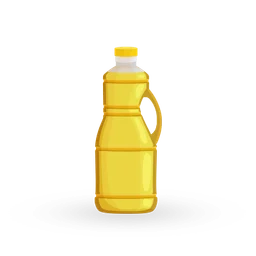 Neutral vegetable oil
then stir
2 · Nước chấm in a bowl
 Fish sauce
 Lime juice
 Sugar
- Garlic
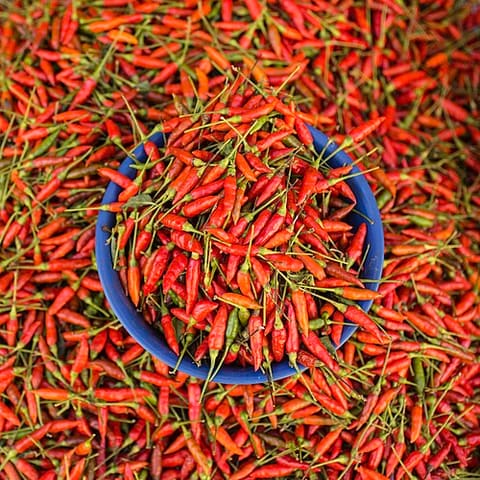 Fresh red chilli
then arrange
3 · Platter in a bowl
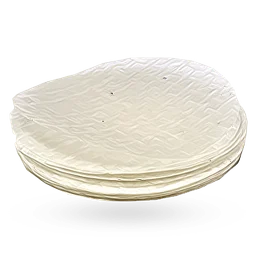 Rice paper wrappers
 Rice noodles
 Lettuce
 Cucumber
 Bean sprouts
 Mint
 Basil
 Shiso leaves
 Pineapple
then fry
4 · Broth in a pot
- Neutral vegetable oil
- Garlic
 Lemongrass
 Onion
 Coconut water
 Rice vinegar
- Sugar
- Fish sauce
 Salt
About this dish
- Origin
- Southern Vietnam, Vietnam · Commonly attributedEaten all over Vietnam; seafood such as squid and prawns is often added to the platter alongside the beef.More food from Vietnam
Vietnam - Dish
- Dinner · Main courses · Wraps & rolls
- Cooking method
- Simmered, Poached
- Taste
- sour, fresh, savoury, herby
- Diet
- No gluten ingredients · Dairy-free · No nut ingredients · High-proteinWorked out from the ingredients. How labels work
All labels
Non-vegetarian · No gluten ingredients · Dairy-free · Egg-free · No nut ingredients · Alcohol-free · Pork-free · High-protein · Low-fat - Good for
- Festive & celebration
- Cook more with
- Beef tenderloin · Coconut water · Rice vinegar · Rice paper wrappers · Garlic · Lemongrass
Allergens
- Contains: Fishfrom fish sauce
- May contain: Crustaceansfrom fish sauce
Based on typical versions of these ingredients and not verified allergen-free. Brands differ and cross-contact happens, so always check labels. For severe allergies, follow your clinician’s advice.
Nutrition
922 kcal per serving
Estimated1 serving ≈ 1073 g · recipe makes 4
Where the energy comes from
- Protein 21%
- Carbohydrate 64%
- Fat 15%
| Nutrient | Per serving | Per 100 g* |
|---|---|---|
| Energy | 922 kcal | 86 kcal |
| Protein | 48.2 g | 4.5 g |
| Carbohydrate | 145.9 g | 13.6 g |
| Net carbohydrate | 136.2 g | 12.7 g |
| Sugars | 29.2 g | 2.7 g |
| Added sugars | 15.7 g | 1.5 g |
| Fibre | 9.6 g | 0.9 g |
| Fat | 14.9 g | 1.4 g |
| Saturated fat | 3.5 g | 0.3 g |
| Trans fat | — | — |
| Cholesterol | 90 mg | 8 mg |
| Sodium | 2926 mg | 273 mg |
| Salt equivalent | 7.3 g | 0.7 g |
Vitamins & minerals per serving
- Potassium
- 1978 mg
- Calcium
- 257 mg
- Iron
- 8.1 mg
- Magnesium
- 213 mg
- Vitamin A (RAE)
- 576 µg
- Vitamin C
- 32 mg
- Vitamin D
- 0.2 µg
- Vitamin B12
- 1.7 µg
- Folate (DFE)
- 267 µg
How these numbers were made
- Calculated from USDA FoodData Central (SR Legacy) per-100 g values and the listed quantities.
- *Per 100 g of combined raw ingredients; the cooked dish may weigh more or less.
- Optional ingredients are not included: pineapple.
- Beef tenderloin: Top sirloin steak, lean only (FDC 174055) used as a stand-in; centre-cut beef tenderloin (fillet) is a similarly lean muscle.
- Rice vinegar: Distilled vinegar (FDC 172237) used as a stand-in for unseasoned rice vinegar.
- Rice paper wrappers: Dry rice noodles (FDC 169742) used as a stand-in; rice paper is a similar dried rice (and often tapioca) sheet.
- Shiso leaves: Fresh basil (FDC 172232) used as a stand-in: no shiso entry in FDC SR Legacy; both are tender mint-family leaves used in small amounts.
- “—” means the value isn’t known for enough of the ingredients; it is never zero by default.
- Values are estimates for guidance, not for medical dosing. U.S. Department of Agriculture, Agricultural Research Service. FoodData Central, 2019. fdc.nal.usda.gov.
Good to know
Tips
- Top up the hot pot with more broth or vinegar as it reduces.
- For a richer dip, serve mắm nêm (fermented anchovy sauce with pineapple) alongside the nước chấm.
Common mistakes
- Slicing the beef too thick — it turns tough before it cooks through.
Serve with
- Add squid, prawns or onion rings to the platter for a mixed hot pot.
Food safety
- Dip each slice of beef until no pink remains; raw beef should not be eaten by anyone pregnant, very young, elderly or immunocompromised.
Storage
- Keep the raw beef refrigerated until the meal; leftover broth keeps 2 days in the fridge.
Variations
- Bò nhúng dấm with coconut milk: A splash of coconut milk makes the broth richer and rounder.
- Seafood nhúng dấm: Squid, prawns and fish replace or join the beef.
Original editorial recipe · FriendsPantry editorial · source: TasteAtlas (dish facts) · Not yet independently reviewed · Added
Sauces, chutneys & dips for this dish
Recipe DNA
How this dish is built
Built from the recipe’s own sections. Each band’s width is its share of the dish by weight. Choose a component to see what it does.
What the dish is built around
For the beef
- Beef tenderloin, partly frozen, then sliced paper-thin across the grain600 g
- Garlic, minced2 clove · 8 g
- Black pepper0.5 tsp · 1.2 g
- Neutral vegetable oil1 tbsp · 14 g
Reviews & corrections
Reviews come from signed-in cooks and appear after a moderator checks them. We never show made-up ratings.
You might also like
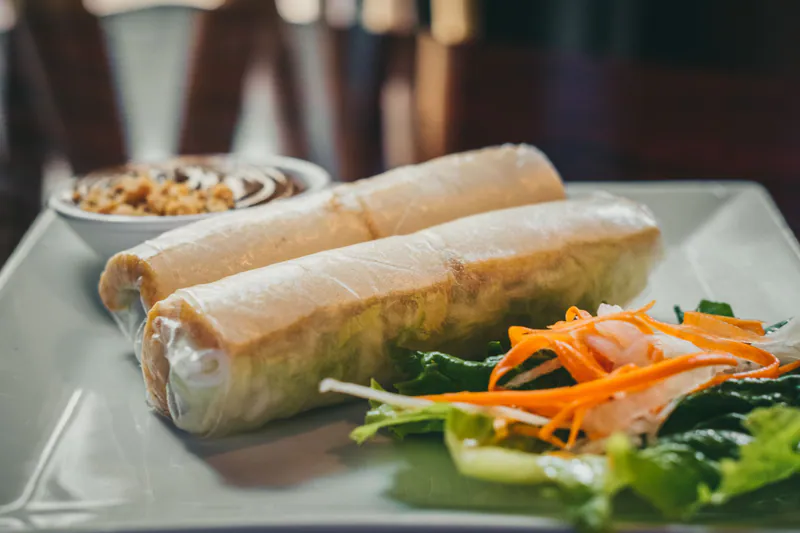
Gỏi cuốn (fresh spring rolls)
 Vietnamese · 1 h · 466 kcal
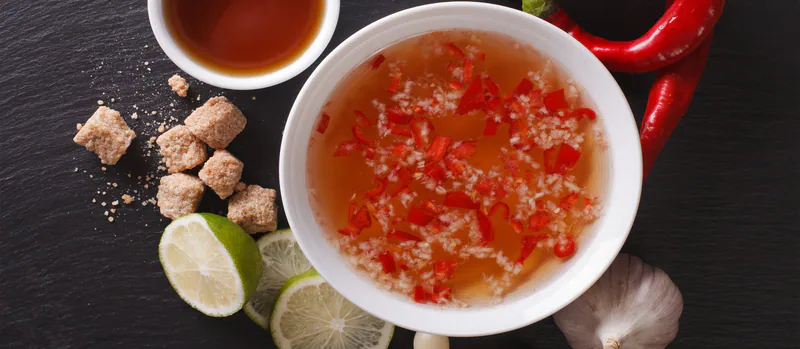
Nước chấm
Vietnamese · 8 min · 32 kcal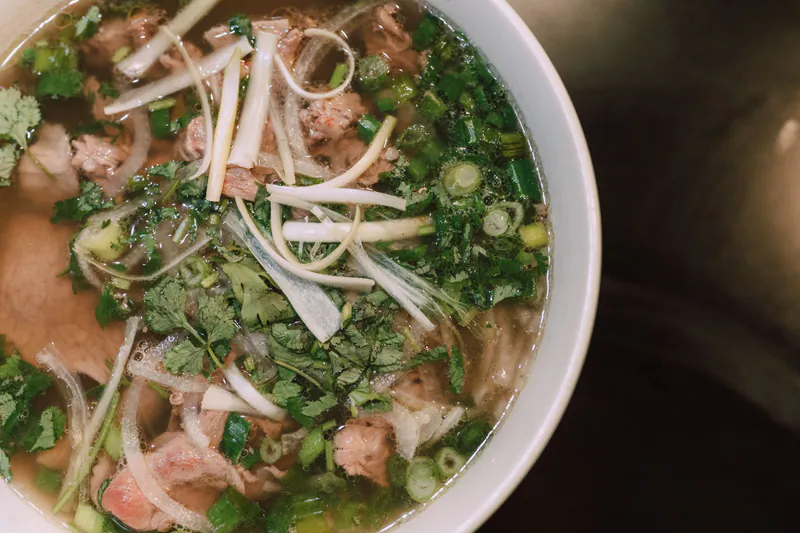
Phở bò (beef pho)
Vietnamese · 1 h 15 min · 624 kcal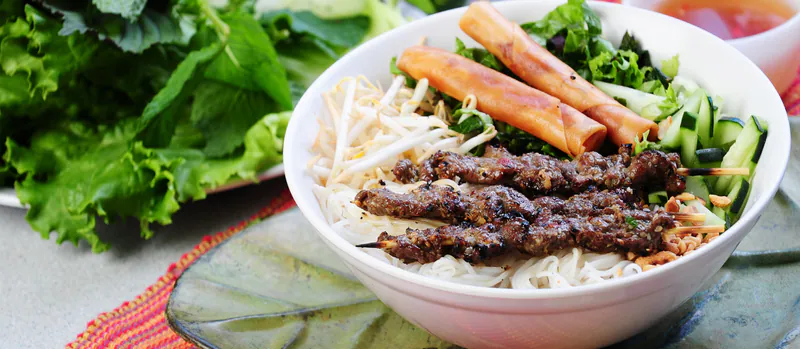
Bún thịt nướng (grilled pork with rice vermicelli)
Vietnamese · 1 h 55 min · 1003 kcal