
 Egyptian · Breads & flatbreads
Aish baladi (Egyptian wholewheat flatbread)
Vegetarian
عيش بلدي · ʿēsh baladi
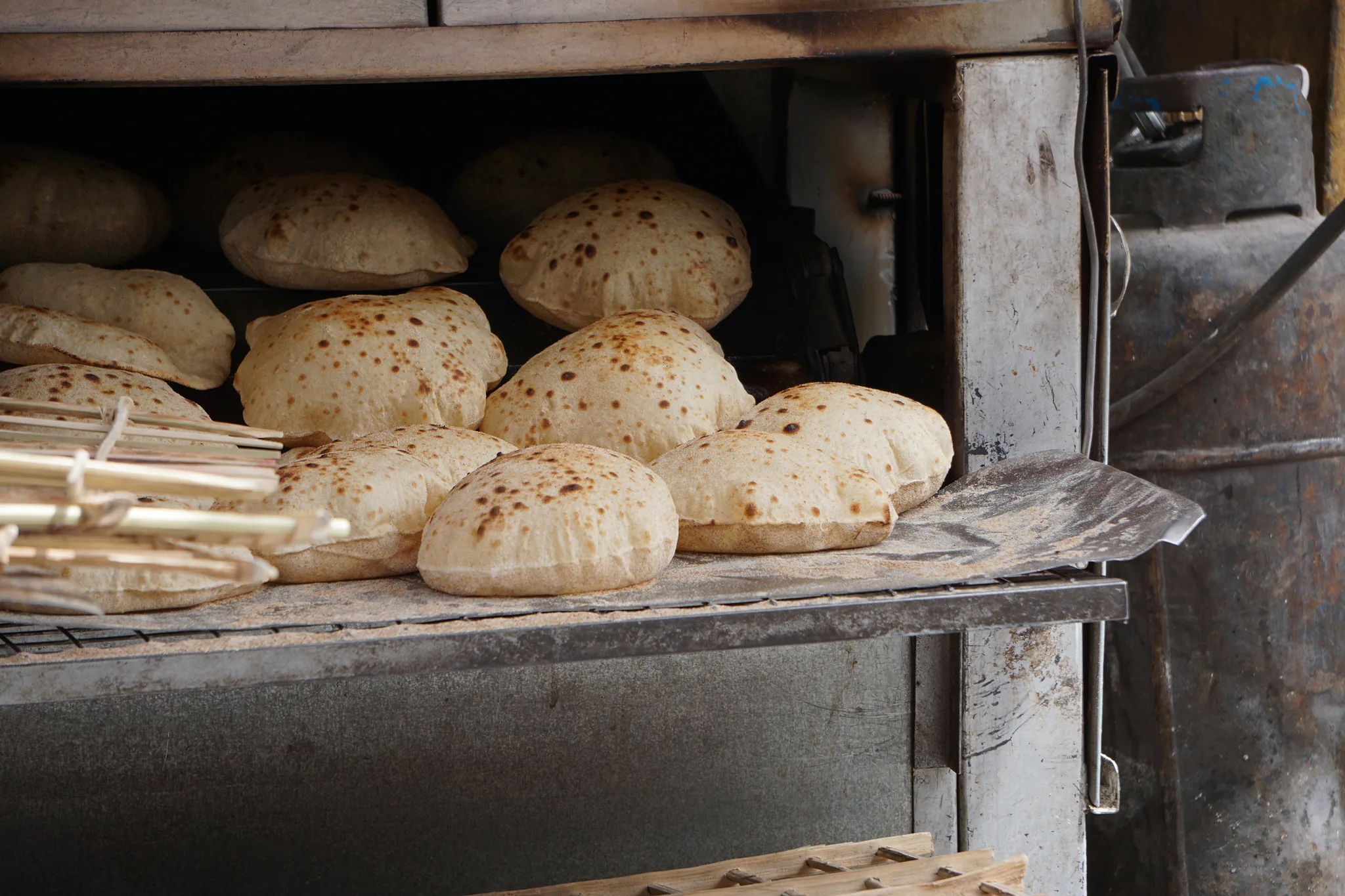
Egypt's everyday round flatbread of wholewheat flour, puffed into a pocket in a very hot oven and dusted underneath with bran. Its name uses the Egyptian word for life, a sign of how central it is at every meal.
Aish baladi (Egyptian wholewheat flatbread) is an Egyptian bread, ready in about 2 hours 30 minutes and made with whole-wheat flour and wheat bran. It serves 8 and is rated intermediate to cook.
- Prep
- 20 min
- Cook
- 25 min
- Rest
- 1 h 45 min
- Total
- 2 h 30 min
- Serves
- 8
- Level
- Intermediate
- Calories
- 223
Main ingredients
Method
Step 1
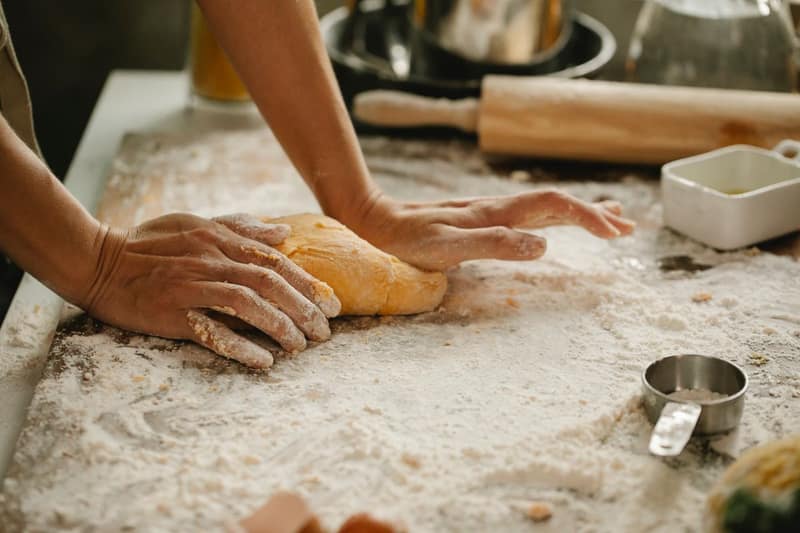
Mix the two flours, yeast, sugar (opens in a new tab) and salt in a bowl. Add the water and oil and mix to a soft, sticky dough. Knead for 8–10 minutes until smooth and elastic; it should stay slightly tacky.
How it looks · Photo: Klaus Nielsen on Pexels Step 2
Cover and leave to rise in a warm place until doubled, about 1 hour.
Step 3
Divide into 8 balls. Scatter bran (opens in a new tab) over a tray and roll each ball in it, then pat or roll into a round about 15 cm across and 5 mm thick. Leave on the bran-dusted tray, covered with a cloth, for 45 minutes to puff.
How it looks · Photo: Klaus Nielsen on Pexels Step 4
Meanwhile, put a pizza stone or heavy upturned tray on the lowest shelf and heat the oven (opens in a new tab) to its maximum, ideally 260–280 °C, for at least 30 minutes.
Step 5
Slide 2–3 rounds onto the hot stone and bake until they balloon and are spotted golden, 4–6 minutes. Wrap in a cloth as they come out so they stay soft. Repeat with the rest.
- 24 min
- 270°C
Food safety: Use an oven glove and a peel or flat tray to slide the breads on and off the very hot stone.
At a glance
 Whole-wheat flour
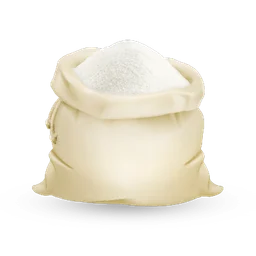 All-purpose flour
 Instant yeast
 Sugar
 Salt
 Neutral vegetable oil
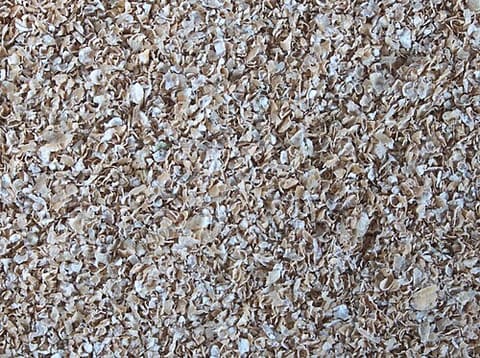 Wheat bran
About this dish
- Origin
- Egypt · Well documentedLeavened flatbreads have been baked in Egypt since antiquity, when they were made from emmer wheat; today aish baladi is baked in neighbourhood bakeries and sold, subsidised, across the country.More food from Egypt
Egypt - Dish
- Breakfast · Lunch · Dinner · Breads & flatbreads
- Cooking method
- Oven-baked
- Taste
- earthy, nutty, mild
- Diet
- Vegan · Dairy-free · No nut ingredients · High-fibreWorked out from the ingredients. How labels work
All labels
Vegan · Plant-based · Vegetarian (lacto-ovo) · Eggetarian · Lacto-vegetarian · Ovo-vegetarian · Pescatarian · Flexitarian-friendly · Dairy-free · Egg-free · No nut ingredients · Alcohol-free · Pork-free · Beef-free · High-fibre · Low-fat · DASH-style - Good for
- Everyday · Budget-friendly · Freezer-friendly
- Cook more with
- Whole-wheat flour · Wheat bran · All-purpose flour · Instant yeast · Sugar
- Techniques
- Baking · Kneading · Fermentation
Allergens
- Contains: Wheatfrom whole-wheat flour, all-purpose flour, wheat bran
- Contains: Glutenfrom whole-wheat flour, all-purpose flour, wheat bran
Based on typical versions of these ingredients and not verified allergen-free. Brands differ and cross-contact happens, so always check labels. For severe allergies, follow your clinician’s advice.
Nutrition
223 kcal per serving
Calculated1 serving ≈ 105 g · recipe makes 8
Where the energy comes from
- Protein 13%
- Carbohydrate 75%
- Fat 11%
| Nutrient | Per serving | Per 100 g* |
|---|---|---|
| Energy | 223 kcal | 212 kcal |
| Protein | 7.7 g | 7.3 g |
| Carbohydrate | 44.5 g | 42.3 g |
| Net carbohydrate | 38.2 g | 36.3 g |
| Sugars | 0.7 g | 0.7 g |
| Added sugars | 0.5 g | 0.5 g |
| Fibre | 6.3 g | 6 g |
| Fat | 3 g | 2.9 g |
| Saturated fat | 0.3 g | 0.3 g |
| Trans fat | — | — |
| Cholesterol | 0 mg | 0 mg |
| Sodium | 439 mg | 418 mg |
| Salt equivalent | 1.1 g | 1 g |
Vitamins & minerals per serving
- Potassium
- 207 mg
- Calcium
- 23 mg
- Iron
- 2.6 mg
- Magnesium
- 80 mg
- Vitamin A (RAE)
- 0 µg
- Vitamin C
- 0 mg
- Vitamin D
- 0 µg
- Vitamin B12
- 0 µg
- Folate (DFE)
- 89 µg
How these numbers were made
- Calculated from USDA FoodData Central (SR Legacy) per-100 g values and the listed quantities.
- *Per 100 g of combined raw ingredients; the cooked dish may weigh more or less.
- “—” means the value isn’t known for enough of the ingredients; it is never zero by default.
- Values are estimates for guidance, not for medical dosing. U.S. Department of Agriculture, Agricultural Research Service. FoodData Central, 2019. fdc.nal.usda.gov.
Good to know
Tips
- The oven must be as hot as it will go; a lower temperature dries the bread out before it puffs.
- Do not press out the gas when shaping the second time, or the breads will not form a pocket.
Common mistakes
- Adding too much flour while kneading; a soft, slightly sticky dough gives a lighter bread.
Serve with
- Serve with ful medames, taameya, tahini and salad for an Egyptian breakfast.
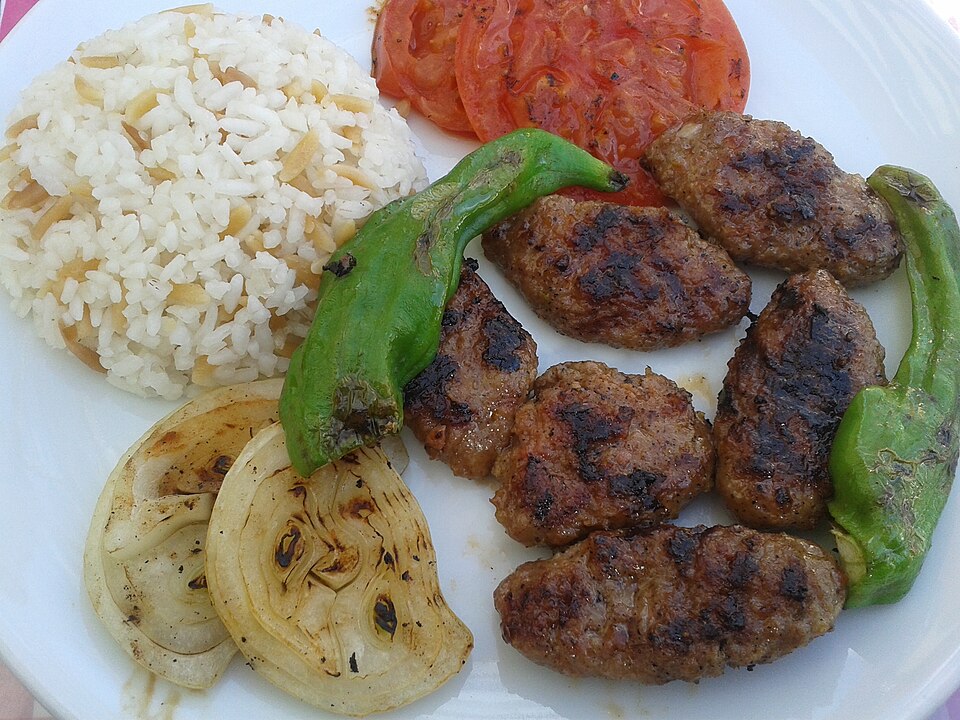
- Split and stuff with koshari components or grilled kofta.
Storage
- Keeps 1 day in a bag at room temperature or 2 months frozen.
Reheating
- Warm frozen bread straight from the freezer in a dry pan or a hot oven for 2–3 minutes.
Variations
- Aish shamsi: Upper Egyptian 'sun bread' left to rise in the sunshine before baking, thicker and with a deep slash on top.
- Aish fino: A white-flour Egyptian roll, softer and paler than baladi.
Original editorial recipe · FriendsPantry editorial · source: TasteAtlas (dish facts) · Not yet independently reviewed · Added
Recipe DNA
How this dish is built
Grouped by each ingredient’s role in the dish. Each band’s width is its share of the dish by weight. Choose a component to see what it does.
What the dish is built around
Main ingredient
- Whole-wheat flour, finely milled300 g
- All-purpose flour150 g
- Wheat bran30 g
Reviews & corrections
Reviews come from signed-in cooks and appear after a moderator checks them. We never show made-up ratings.
You might also like
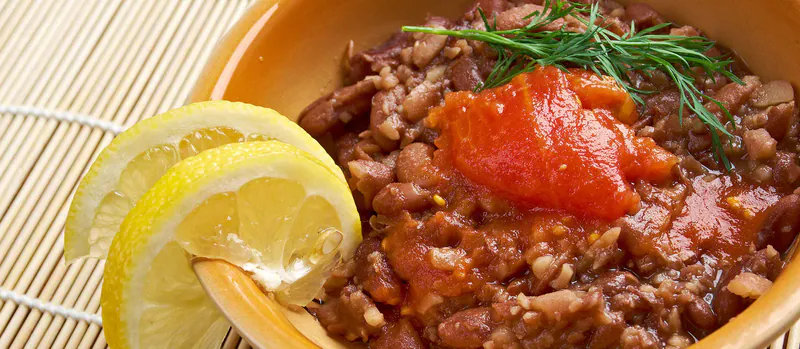
Ful medames
Egyptian · 14 h 40 min · 310 kcal · Vegan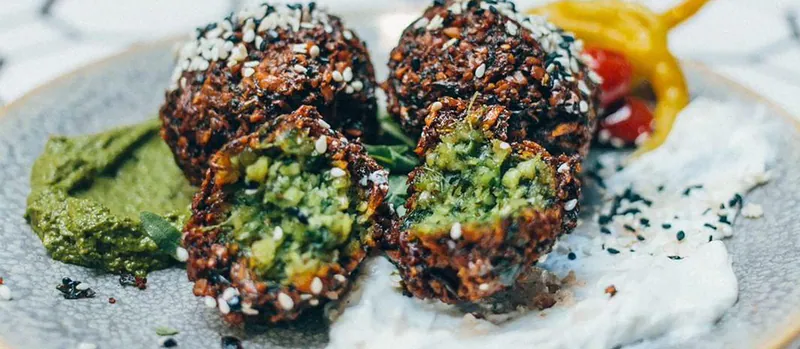
Ta'ameya (Egyptian fava bean falafel)
Egyptian · 1 h 10 min · 328 kcal · Vegan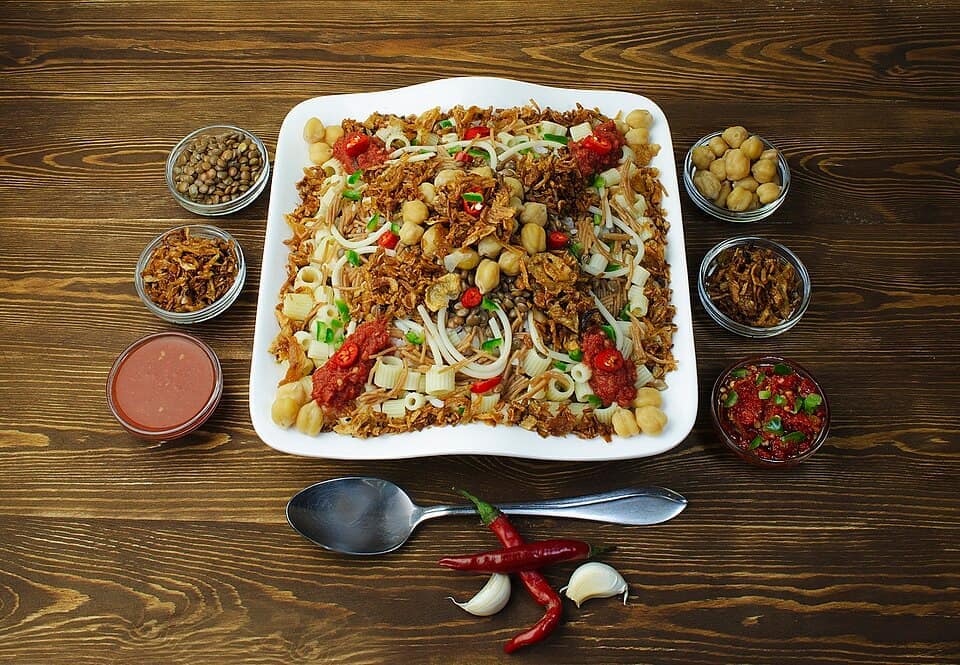
Koshari
Egyptian · 1 h 5 min · 533 kcal · Vegan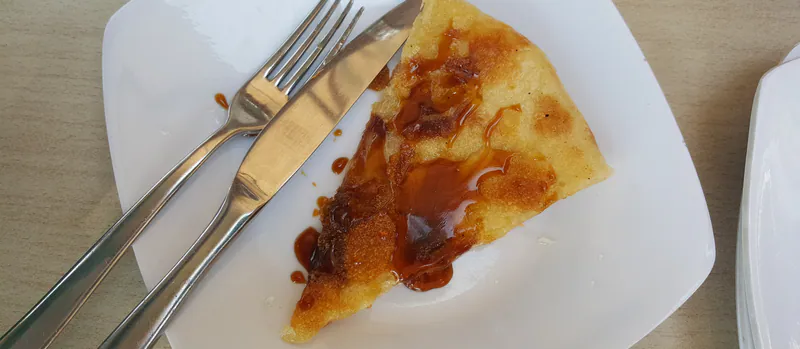
Feteer meshaltet
Egyptian · 1 h 40 min · 585 kcal · Vegetarian