
Vegetables · Leafy greens
Stinging nettle (young leaves)
Young wild nettle tops, which lose their sting when cooked; a spinach-like green for soups, pies and pesto.
Also called: nettle, nettles, nettle tops, young nettles, ortie, ortica, Brennnessel, եղինջ, eghinj
Around the world: եղինջ (hy) · ortie (fr) · ortica (it) · Brennnessel (de)
What it is
The common stinging nettle grows wild across Europe, Asia and North America. The young top leaves picked in spring are tender and rich-tasting. Fine hairs on the leaves sting raw skin, but blanching, cooking or drying removes the sting. They are made into soups, risottos, pies, pasta fillings and teas.
Urtica dioica
How it’s used
- Nettle soup
- Risotto and pasta fillings
- Pies and börek-style pastries
- Nettle pesto (from blanched leaves)
- Dried for tea
Characteristics
- Taste
- Green and earthy, between spinach and cucumber.
- Texture
- Soft and silky once cooked.
- When cooked
- Wear gloves to pick and wash; 1 minute in boiling water removes the sting.
- Sold as
- fresh, dried
- Cooking uses
- Commonly cooked, Suitable for boiling
Storage
Refrigerated. Use within 1–2 days, or blanch, squeeze and freeze.
Diet, allergens and safety
No major allergens in typical versions.
- Vegetarian
- Vegan
- Dairy-free
- Egg-free
- Gluten-free
- Nut-free
- Soy-free
- Caffeine-free
- Handle raw nettles with gloves. Pick only from clean places away from roadsides and sprayed fields.
Nutrition per 100 g
- Energy
- 23 kcal
- Protein
- 2.86 g
- Carbohydrate
- 3.63 g
- Fat
- 0.39 g
- Fibre
- 2.2 g
- Sugars
- 0.42 g
USDA FoodData Central: Spinach, raw (a close stand-in).
Substitutes
Optional — what works if you don’t have it, and how it changes the dish.
- Spinach — Same quantity; milder.
- Watercress — More peppery.
Related ingredients
Recipes with stinging nettle (young leaves)
Čorba od kopriva (Macedonian stinging nettle soup)
 Macedonian · 55 min · 125 kcal · Vegetarian
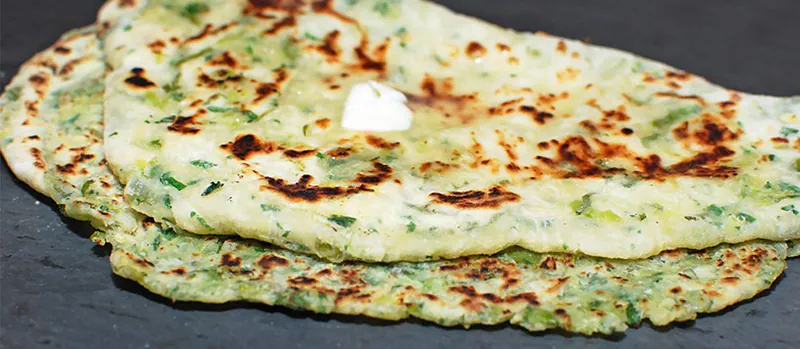
Zhingyalov khats (Armenian herb-filled flatbread)
 Armenian · 1 h 40 min · 336 kcal · Vegan
More leafy greens
Leafy greens
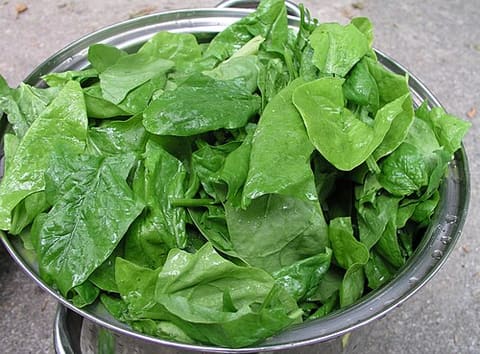
Spinach
Tender dark-green leaves eaten raw as baby spinach or wilted into curries, pies, pastas and soups.
71 recipes
Leafy greens
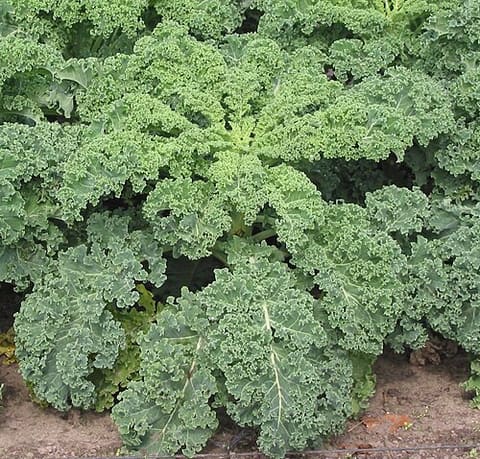
Kale
Sturdy brassica green with curly or flat dark leaves, eaten massaged raw, sautéed, braised or baked into crisps.
10 recipes
Leafy greens
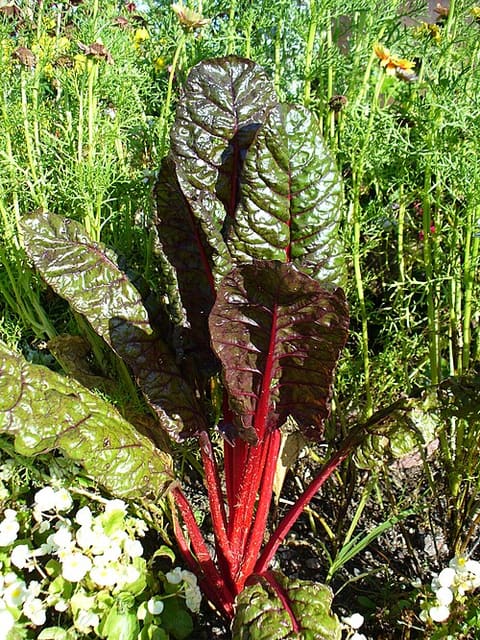
Swiss chard
Leafy green with broad leaves and thick white, red or yellow stems, cooked like spinach.
8 recipes
Leafy greens
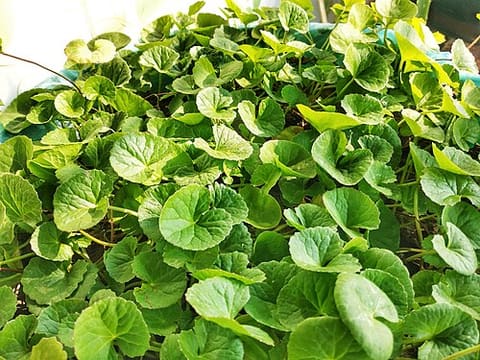
Gotu kola
Small round-leaved herb (Asiatic pennywort) eaten fresh in Sri Lankan sambols and Southeast Asian drinks.
1 recipe
Leafy greens
Mustard greens
Peppery, pungent brassica leaves cooked into sarson ka saag, stir-fries and pickles.
7 recipes
Leafy greens
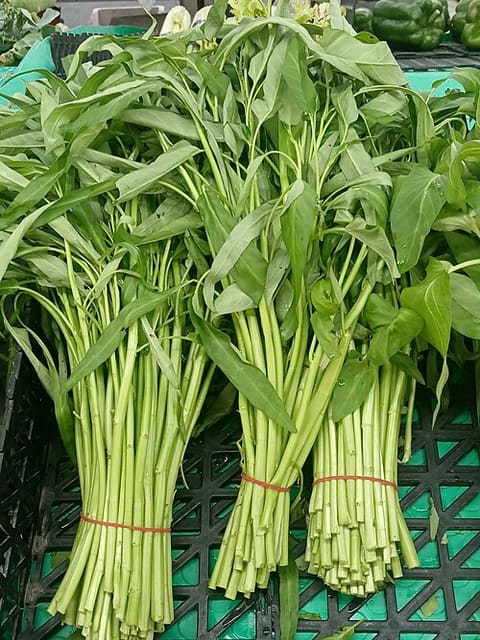
Water spinach
Hollow-stemmed green with arrow-shaped leaves (kangkung, morning glory), stir-fried quickly with garlic and chilli.
11 recipes
Leafy greens
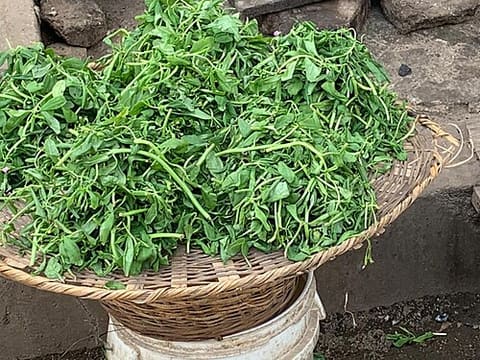
Jute leaves
Leafy green (molokhia, ewedu) that turns silky and slippery when cooked; base of Egyptian and West African soups.
3 recipes
Leafy greens
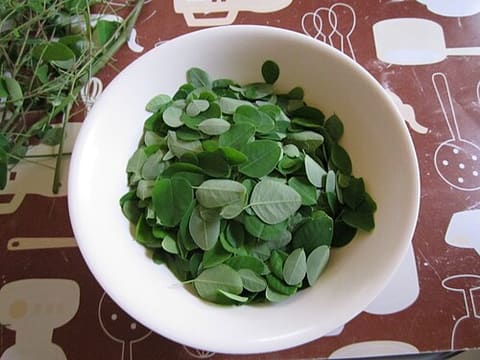
Moringa leaves
Tiny oval leaves of the drumstick tree, cooked into curries, soups and stews or dried to a powder.
3 recipes