
Cookware & bakeware · Bakeware
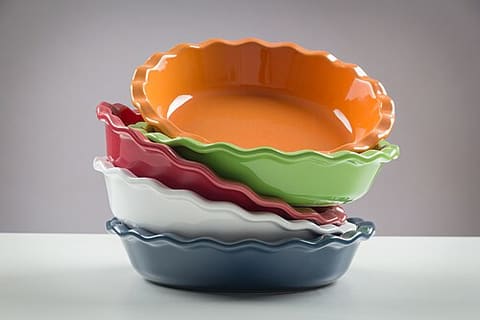
Pie dish
A round, shallow dish with sloping sides and a wide rim for baking sweet and savoury pies.
Useful to have · No power needed · 16 recipes
Photo: Didriks from Cambridge, MA, USA, via Wikimedia Commons (CC-BY-2.0)
What it is
A shallow round dish, usually 20–25 cm across, with sloped sides and a flat rim where pastry edges are crimped. It may be glass, ceramic or metal. It differs from a tart tin, which has straight, fluted sides and often a removable base, so tarts can be unmoulded while pies are served from the dish.
What it’s for: Holding a pastry crust and filling, with or without a pastry lid, so it bakes evenly.
How to use it
- Roll pastry larger than the dish and drape it in without stretching.
- Trim, leaving an overhang; blind-bake if the recipe says so.
- Add the filling, top with a pastry lid and crimp the edges together.
- Cut steam vents, brush with egg wash and bake on a hot baking tray for a crisp base.
Good to know
- Tasks
- baking fruit pies, baking pot pies and quiches, making custard pies
- Cooking methods
- Oven-baked
- Materials
- glass, ceramic, metal, enamelled steel
- Care and cleaning
- Soak to remove baked-on juices. Metal dishes give the crispest base; glass lets you check browning.
- Limitations
- The pie must be served from the dish; not ideal for tall or freestanding pies.
Safety
- Fruit juices bubble over and are extremely hot; bake on a tray.
- Glass and ceramic can crack with sudden temperature change.
If you don’t have one
Equipment guide
How it works: Sloped sides support the pastry while the base sits close to the heat. A dish that conducts heat well (metal) or lets heat radiate straight through (glass) helps the bottom crust cook through before the filling makes it soggy.
| Material | Good | Watch out |
|---|---|---|
| Borosilicate or tempered glass | Non-reactive, lets you see the browning on the sides and base; holds heat well once hot. | Slow to heat; can shatter with sudden temperature changes (e.g. cold liquid into a hot dish, or from fridge to hot oven). |
| Ceramic or stoneware | Holds heat and cooks gently and evenly; non-reactive; attractive for serving. | Heavy, slow to heat, can crack with thermal shock; glazes vary in quality. |
| Metal (aluminium or steel) | Conducts quickly; crispest bottom crust. | Dark metal can over-brown edges. |
- Standard pie dish (about 23 cm)
- Sweet and savoury pies.
- Deep-dish pie dish
- Generous fillings.
- Pie dish with fluted rim
- Easier crimping.
Buying guidance
Starting out: A 23 cm glass or metal pie dish.
- Diameter and depth stated
- Wide rim for crimping
- Oven-safe to at least 220 °C
No brands or prices — check current reviews before buying.
Techniques:Baking
Related tools
Recipes that use it
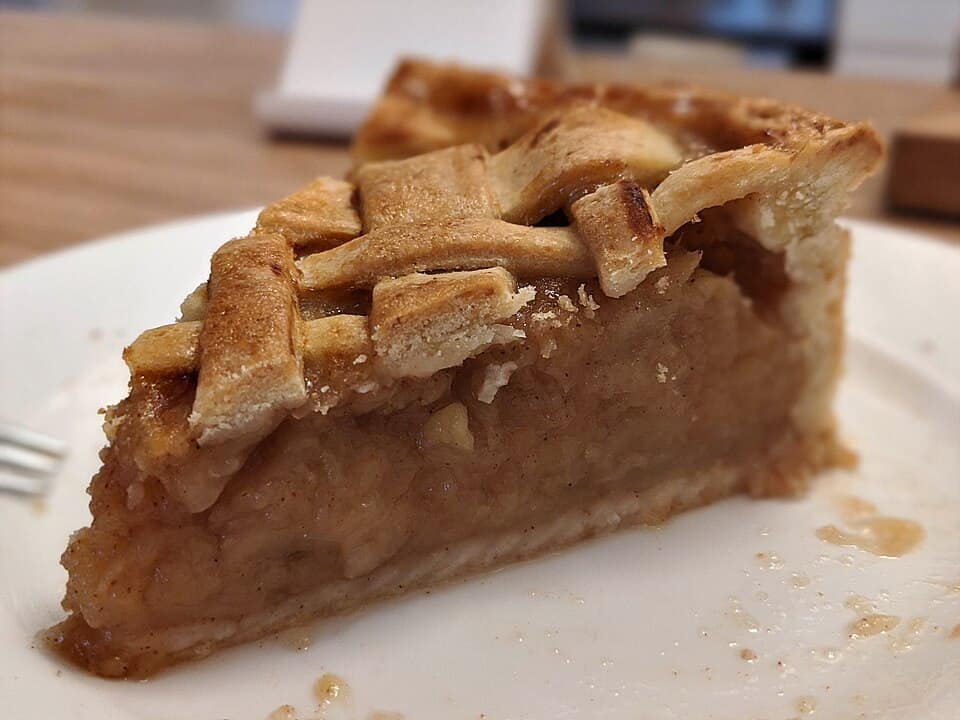
Apple pie
 American · 4 h 45 min · 551 kcal · Contains egg
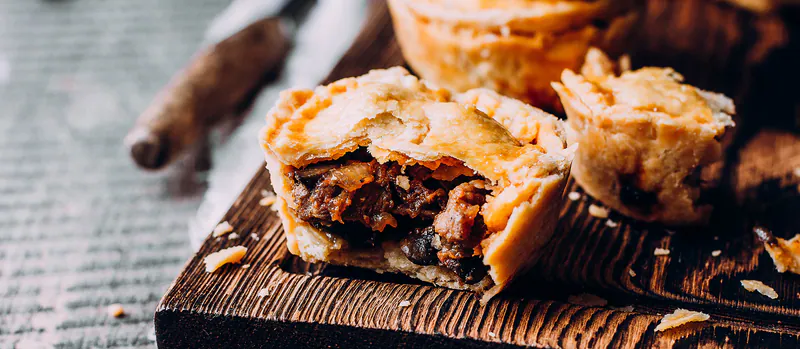
Aussie meat pie
 Australian · 2 h 50 min · 596 kcal
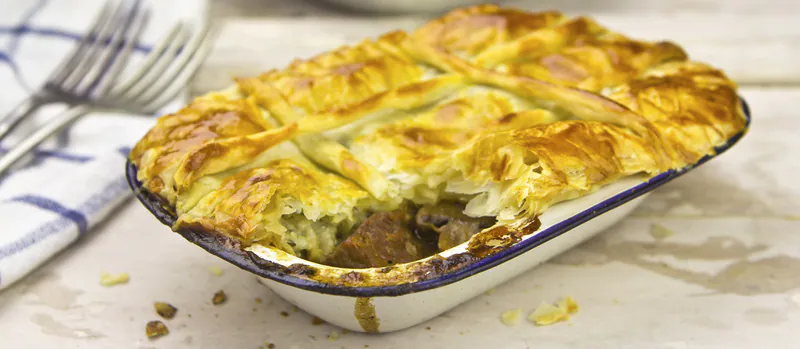
Beef and Guinness pie
 Irish · 4 h 55 min · 752 kcal
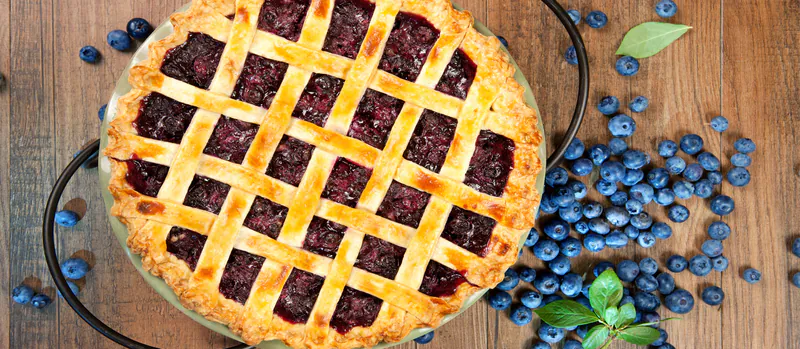
Blueberry pie
American · 5 h 50 min · 540 kcal · Contains egg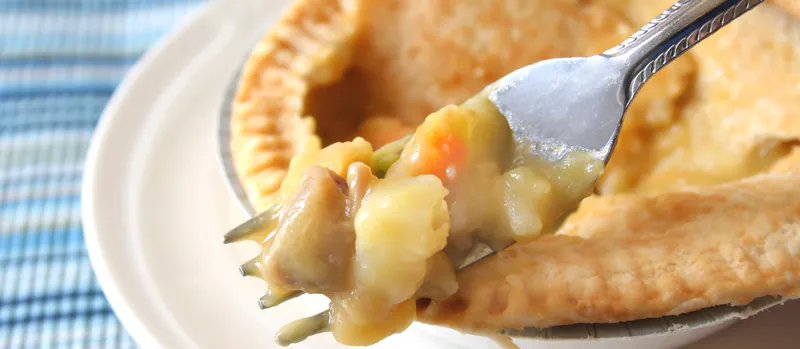
Chicken pot pie
 Canadian · 2 h 10 min · 680 kcal
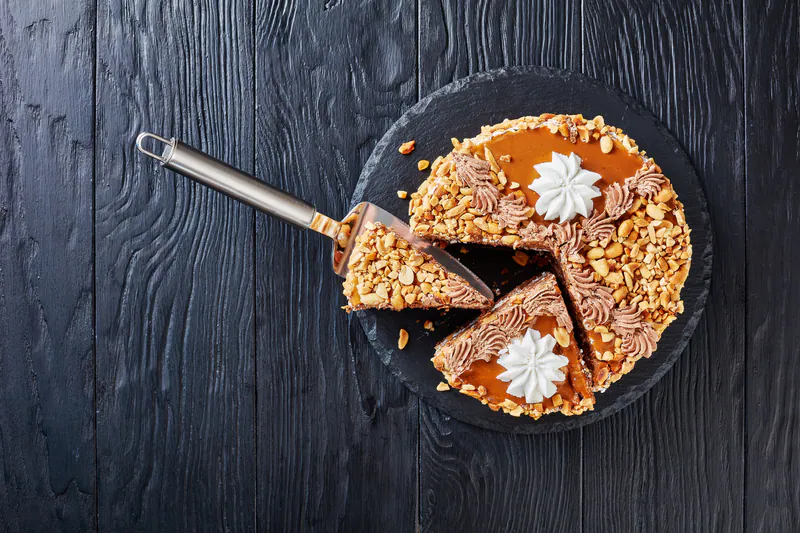
Georgia peanut butter pie
Southern US · 4 h 5 min · 666 kcal · Contains egg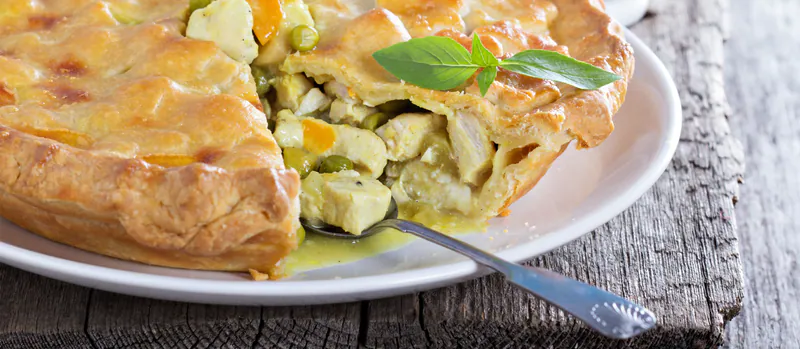
Green chicken curry pie
Australian · 1 h 55 min · 951 kcalIrish chicken, leek and potato pie
Irish · 2 h 30 min · 698 kcal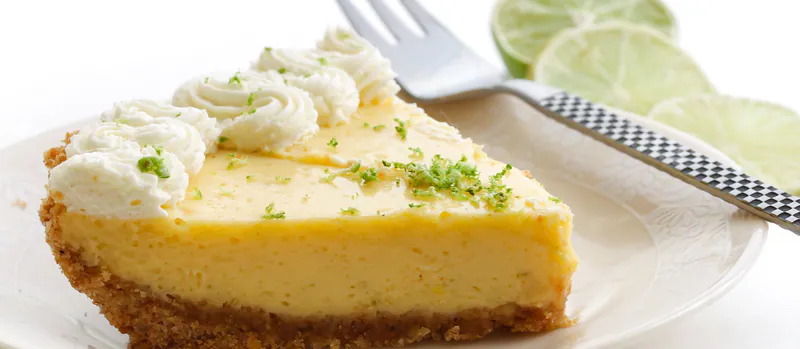
Key lime pie
American · 4 h 45 min · 493 kcal · Contains eggLimburgse vlaai (custard crumble vlaai)
 Dutch · 2 h 45 min · 357 kcal · Contains egg
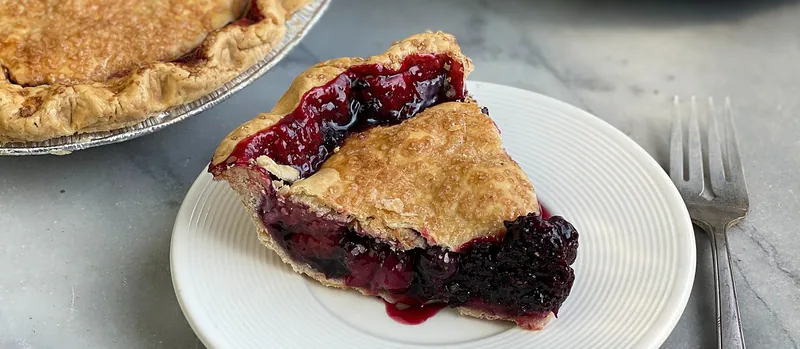
Marionberry pie
American · 5 h 50 min · 553 kcal · Contains egg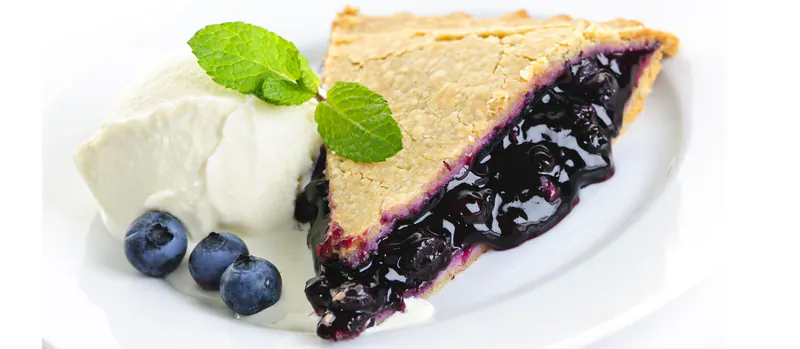
Saskatoon berry pie
Canadian · 4 h 40 min · 524 kcal · Contains egg
4 more
- Smulpaj (Swedish berry crumble pie) · Swedish
- Steak and ale pie · British
- Steak and kidney pie · British
- Tarte au sucre (Quebec sugar pie) · Canadian