
Nuts & seeds · Nuts
Chestnuts
Sweet, starchy tree nuts, roasted in their shells, or sold cooked and peeled for stuffings, soups and desserts.
Also called: sweet chestnuts, roasted chestnuts, castanhas, castañas, marrons, cooked peeled chestnuts
What it is
The nuts of the sweet chestnut tree, with a glossy brown shell and a bitter inner skin. Unlike most nuts they are low in fat and high in starch, so they are soft and floury when cooked. They are roasted on street corners in winter, cooked into stuffings and soups, ground into chestnut flour, and candied as marrons glacés. They are not related to horse chestnuts (conkers), which are poisonous.
Castanea sativa
How it’s used
- Roasted in their shells
- Stuffing for turkey and goose
- Soups and stews
- Mont Blanc and chestnut purée desserts
- Braised with Brussels sprouts or red cabbage
- Korean galbi-jjim and Chinese braises
Characteristics
- Taste
- Sweet, nutty and earthy.
- Texture
- Soft, floury and slightly waxy.
- When cooked
- Score the shell before roasting so they do not burst; peel while warm.
- Sold as
- fresh, canned, dried, frozen
- Cooking uses
- Commonly cooked, Suitable for baking
Storage
Refrigerated. Keep fresh chestnuts in the fridge and use within 2 weeks. Vacuum-packed cooked chestnuts keep in the cupboard.
Diet, allergens and safety
Contains Tree nuts.
- Vegetarian
- Vegan
- Dairy-free
- Egg-free
- Gluten-free
- Nut-free
- Soy-free
- Caffeine-free
- Contains tree nuts (allergen).
- Never eat horse chestnuts (conkers); they look similar but are poisonous.
Substitutes
Optional — what works if you don’t have it, and how it changes the dish.
- Hazelnuts — Toasted, for flavour; firmer and oilier.
- Sweet potato — For sweet, floury texture in stuffings.
Related ingredients
Recipes with chestnuts
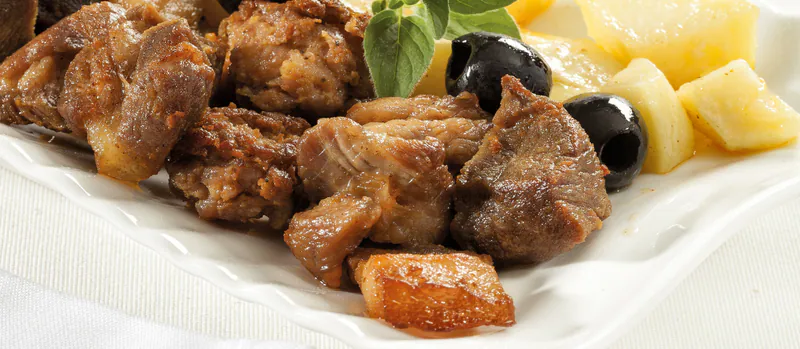
Rojões à moda do Minho (Minho-style fried pork)
 Portuguese · 1 h 40 min · 991 kcal
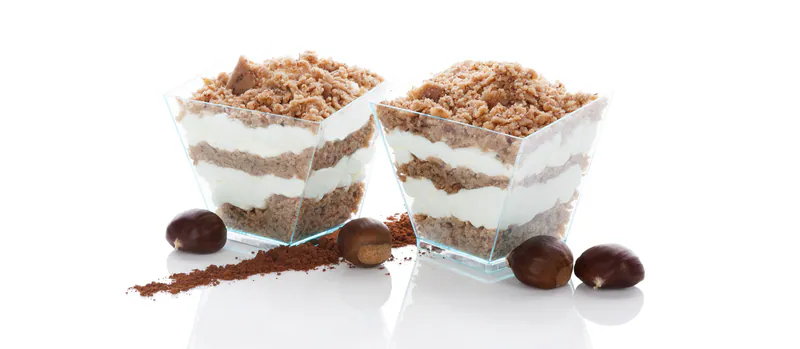
Gesztenyepüré (Hungarian chestnut purée with cream)
 Hungarian · 1 h 30 min · Vegetarian
More nuts
Nuts
Candlenut
Oily, waxy Southeast Asian nut (kemiri) ground into spice pastes for body; it must always be cooked.
25 recipes
Nuts
Keluak (kluwek nut)
Black, oily seeds of the kepayang tree, fermented to make them safe; the heart of Peranakan ayam buah keluak and Indonesian rawon.
1 recipe
Nuts
Zgougou (Aleppo pine seed paste)
Tiny seeds of the Aleppo pine, ground into a dark paste for the Tunisian custard dessert assidat zgougou.
1 recipe